Stevenson Estimé
Accord, NY
Website
stevensonestime.com
Social Media
Instagram
How would you describe your work?
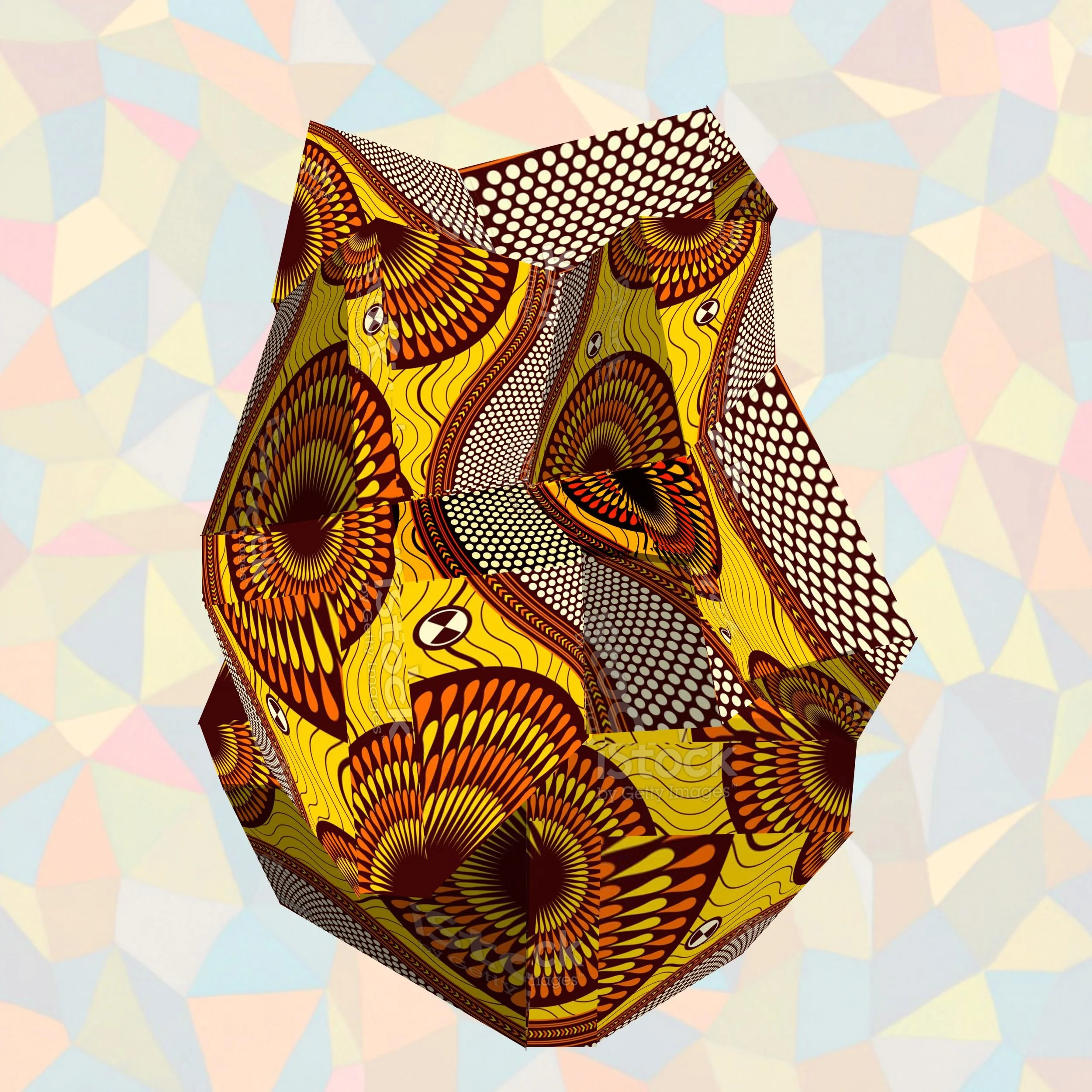
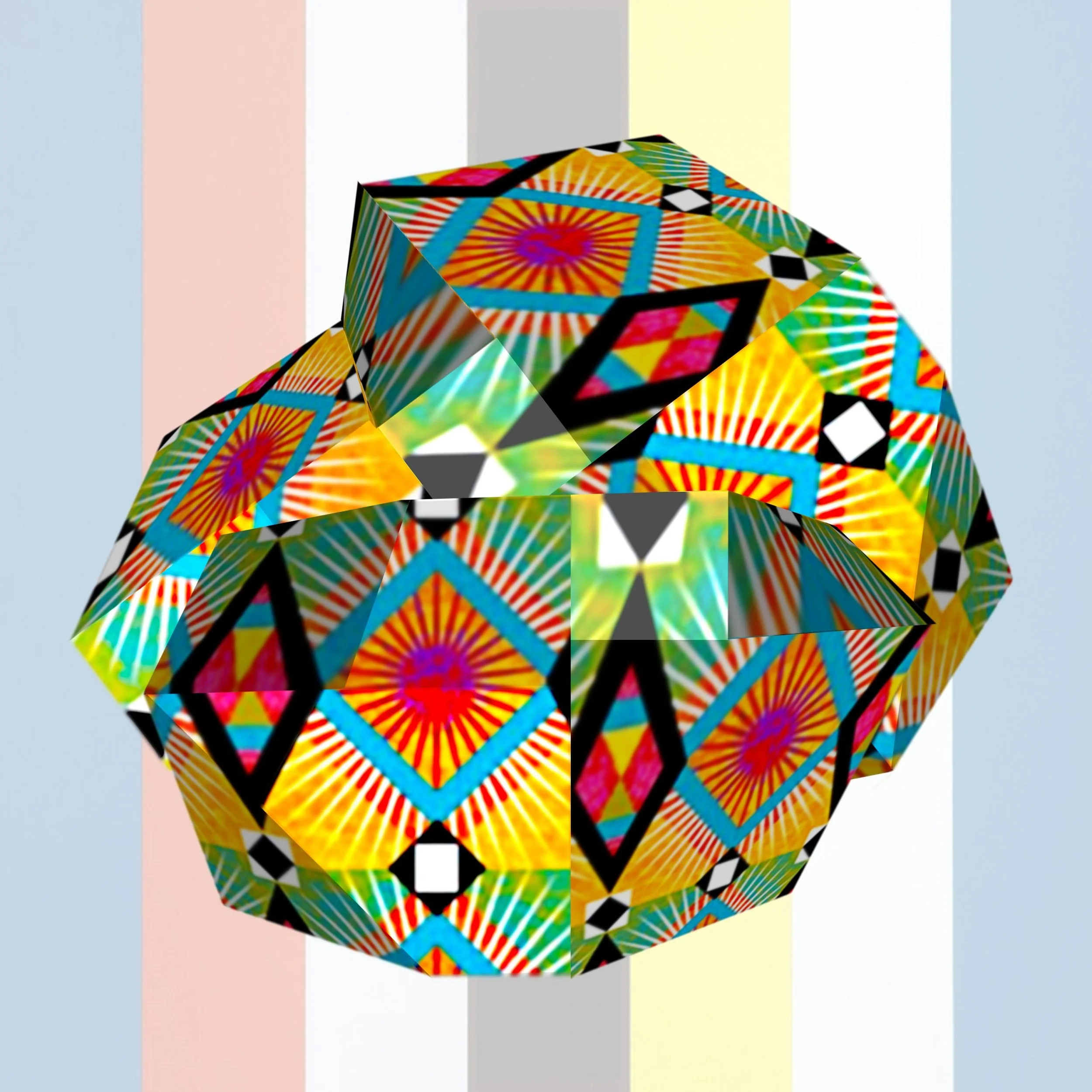
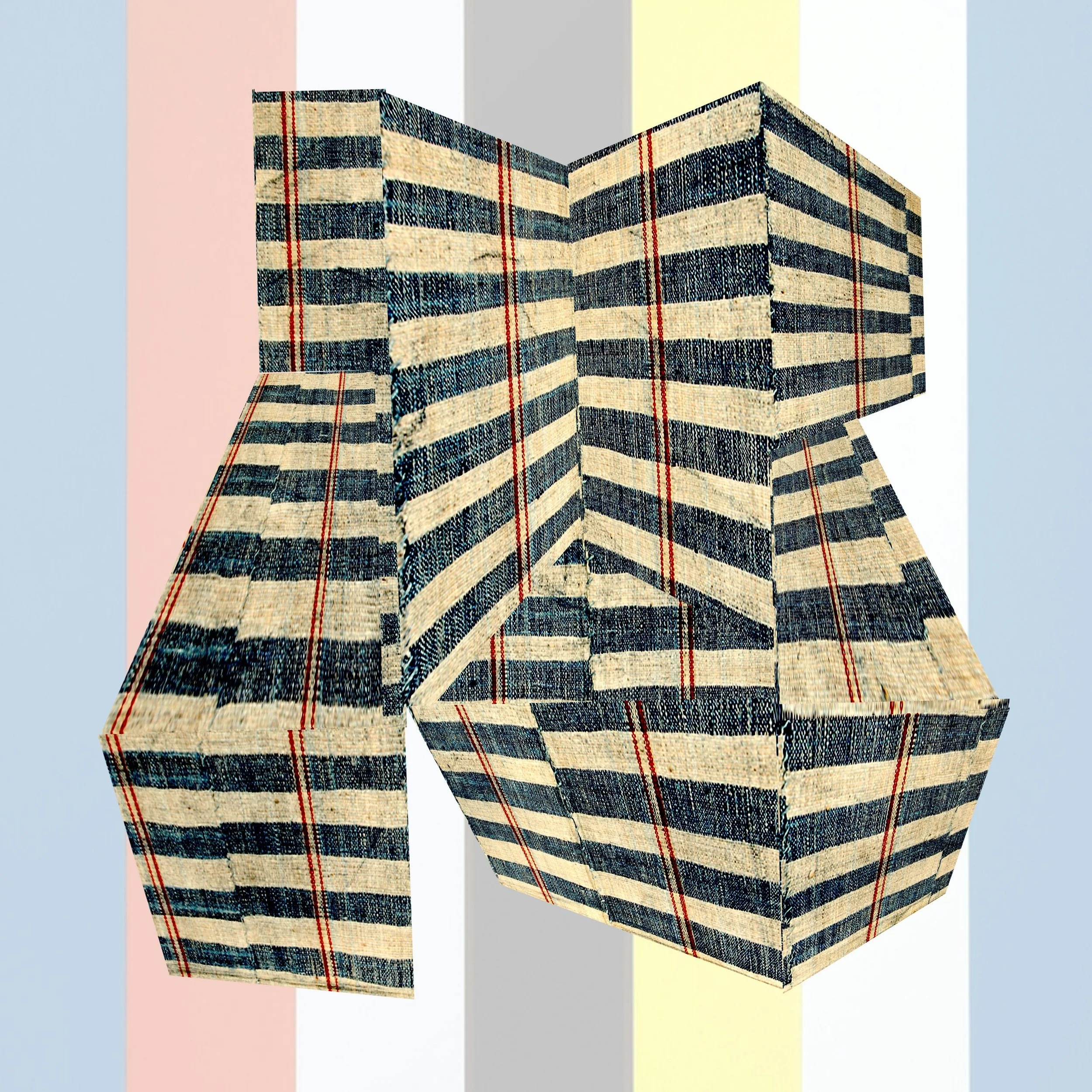
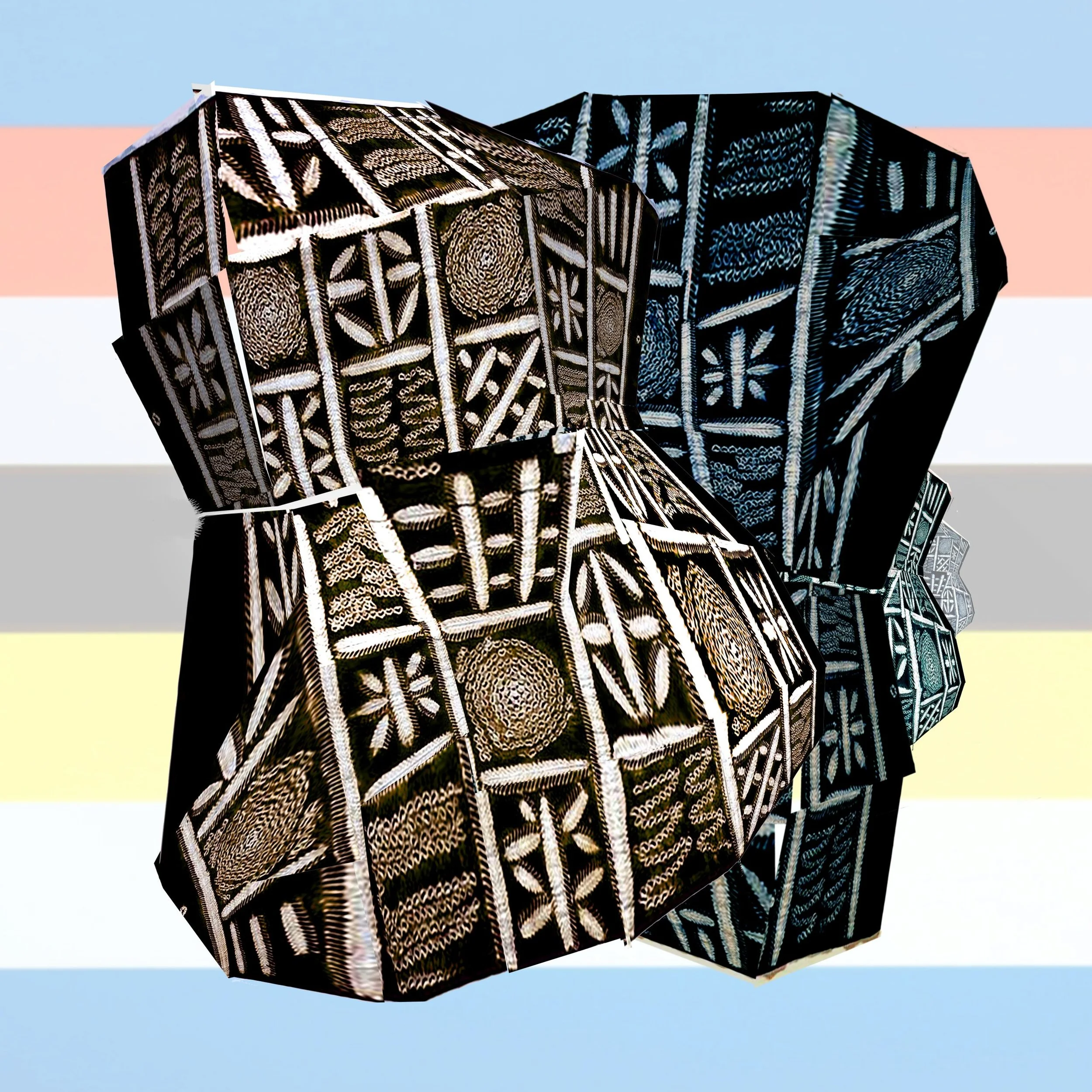
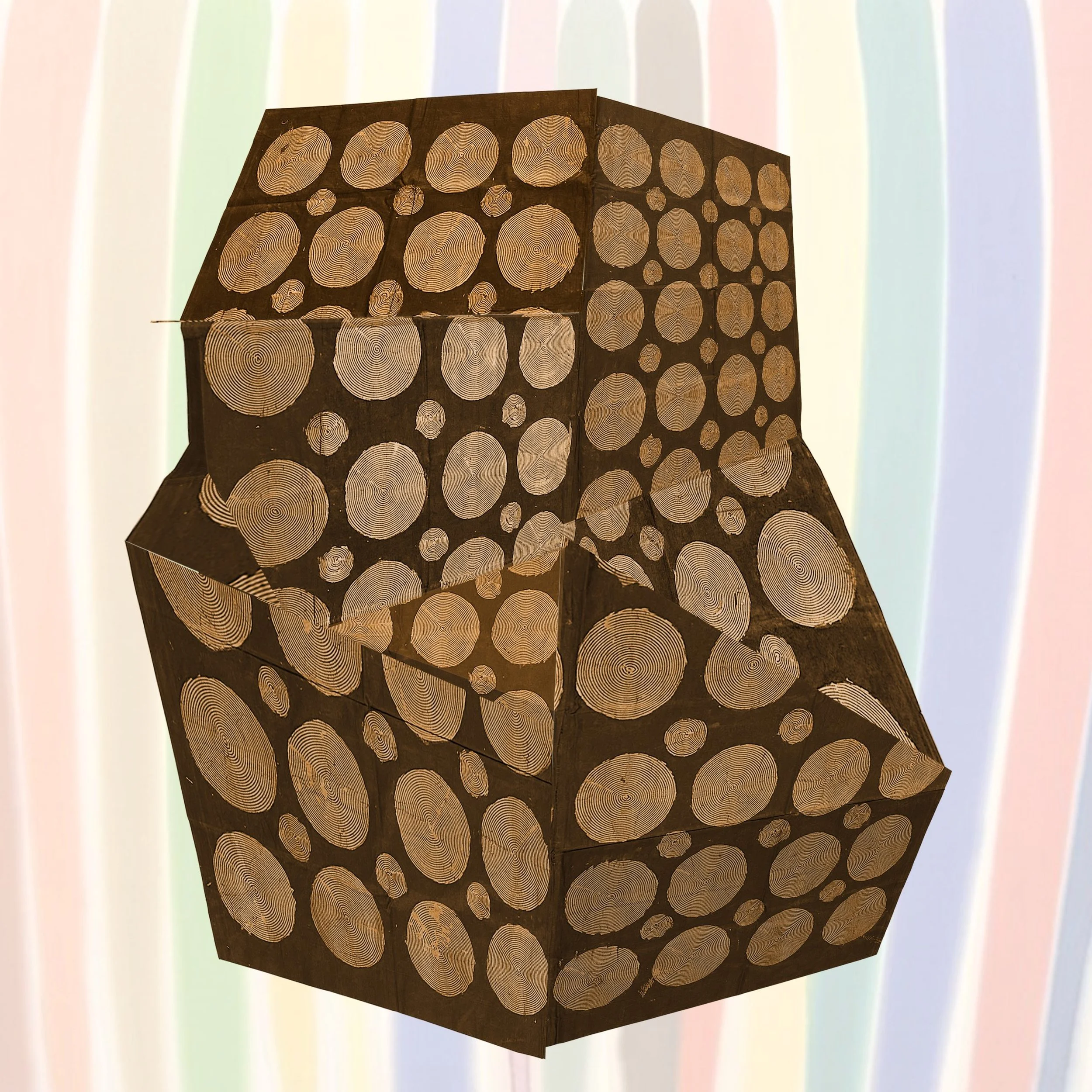
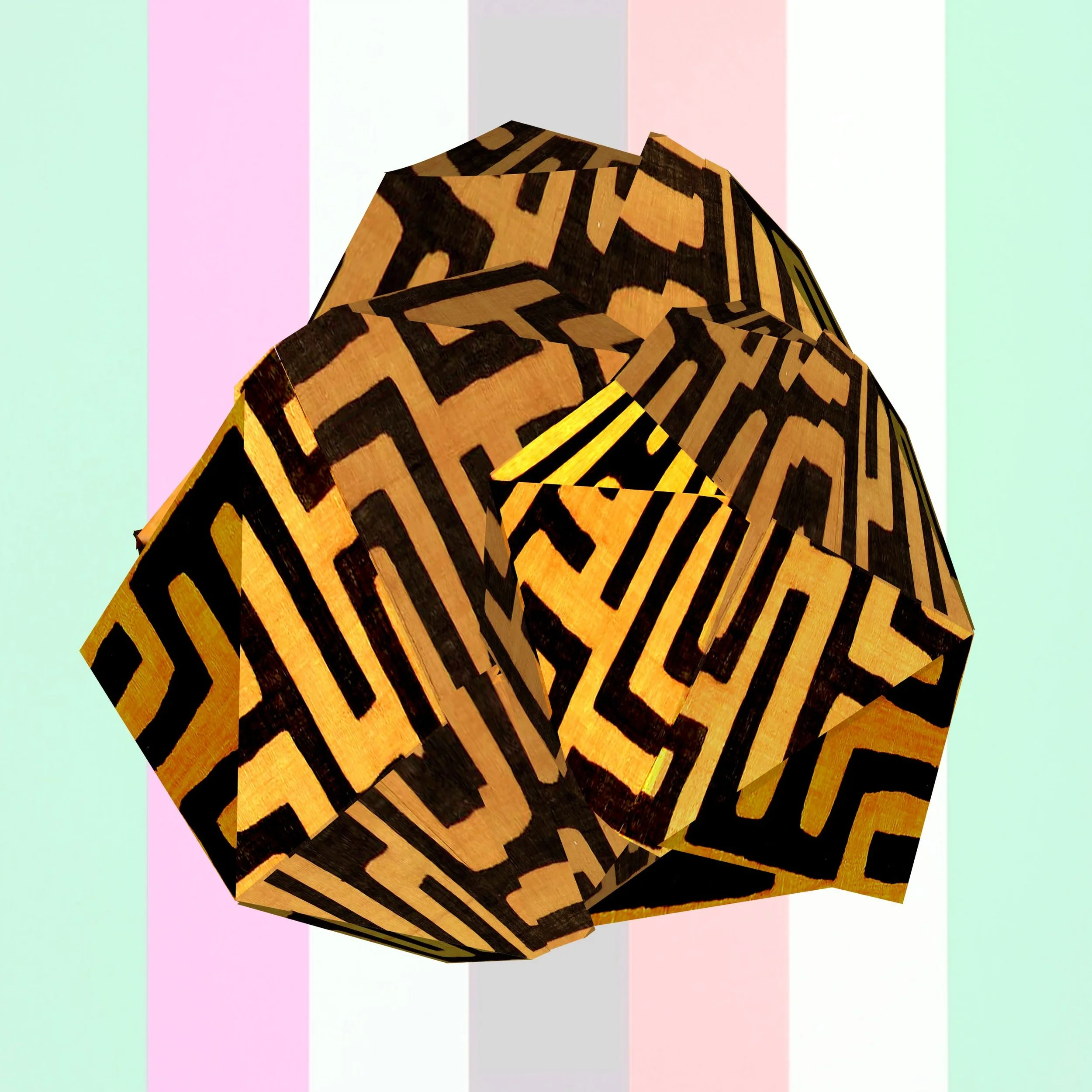
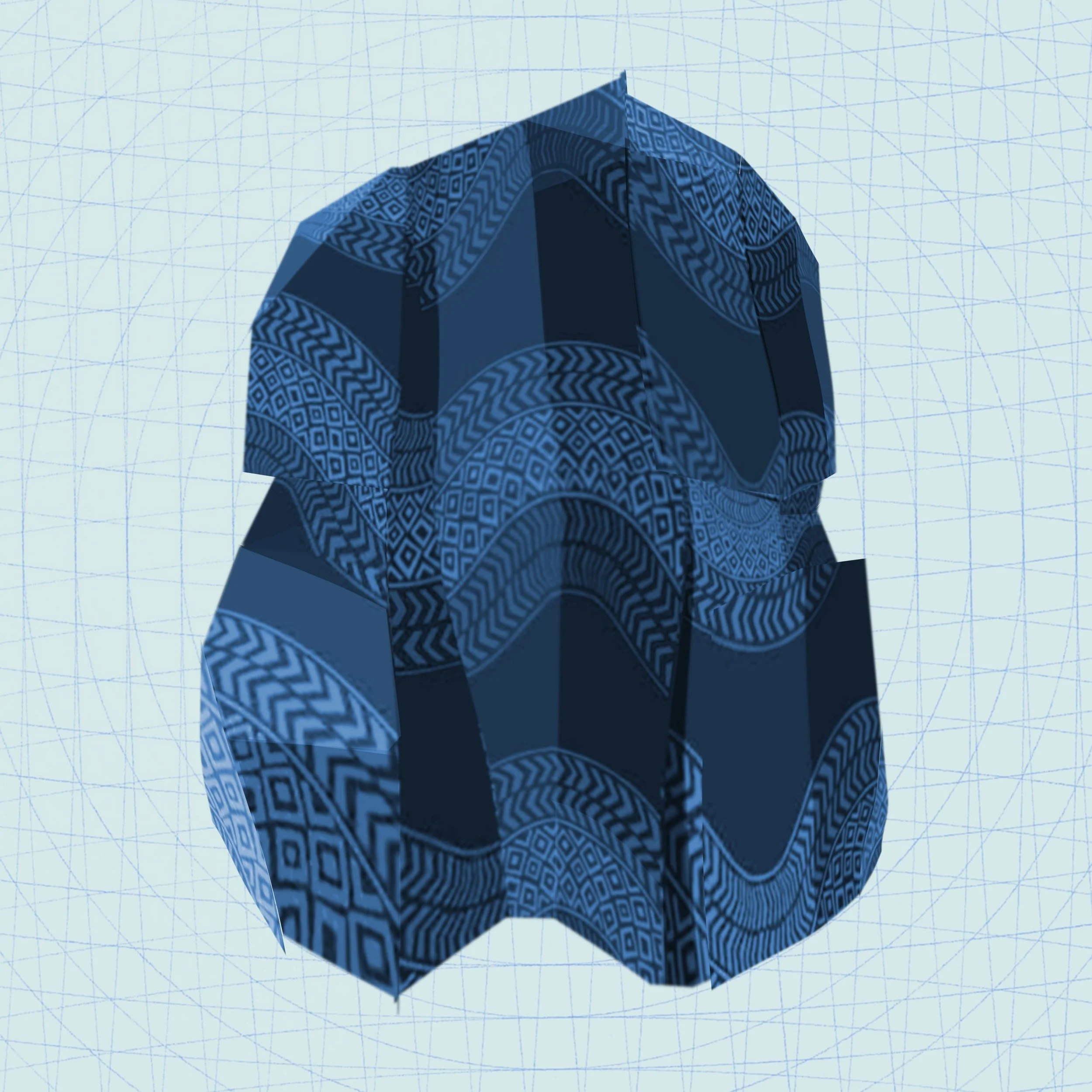
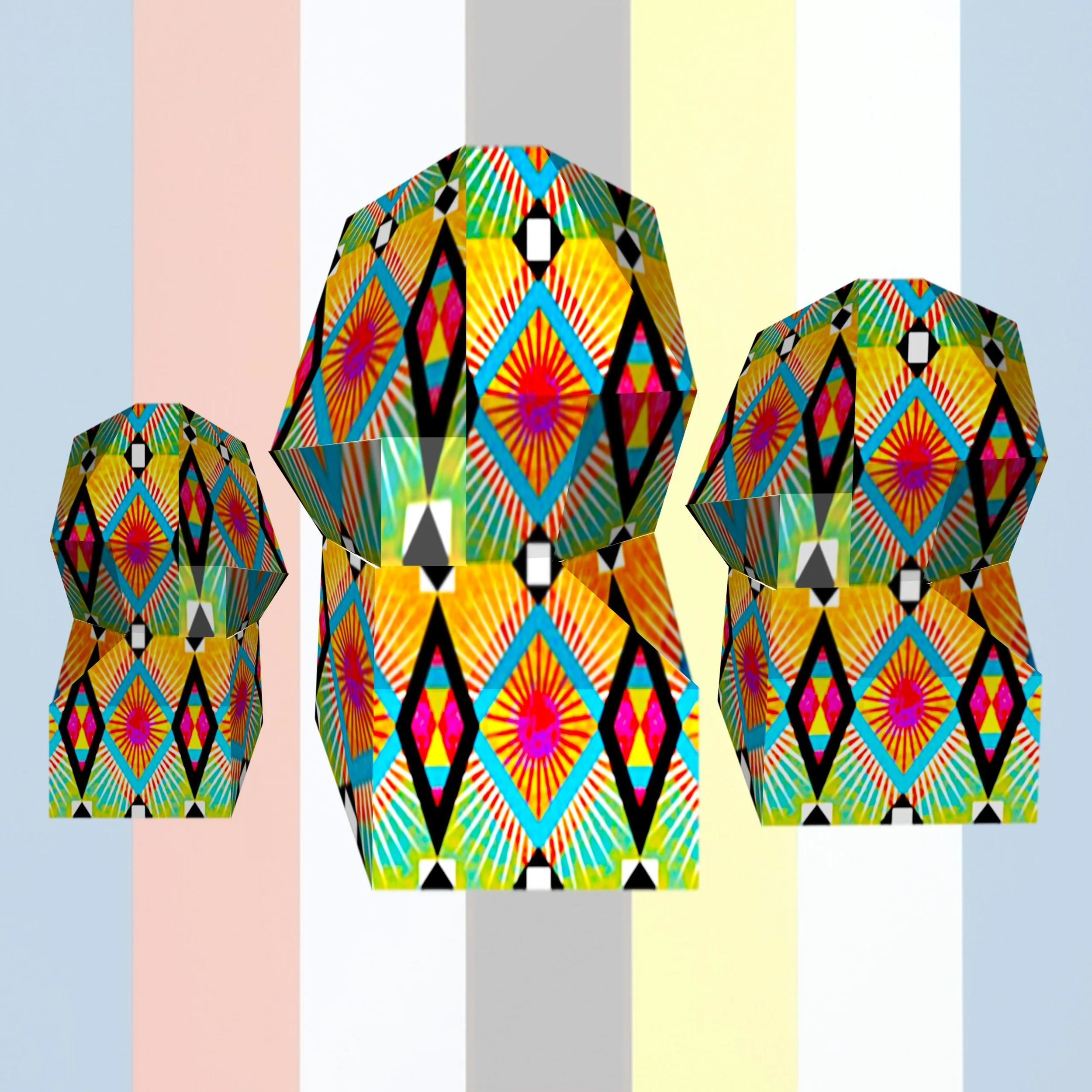
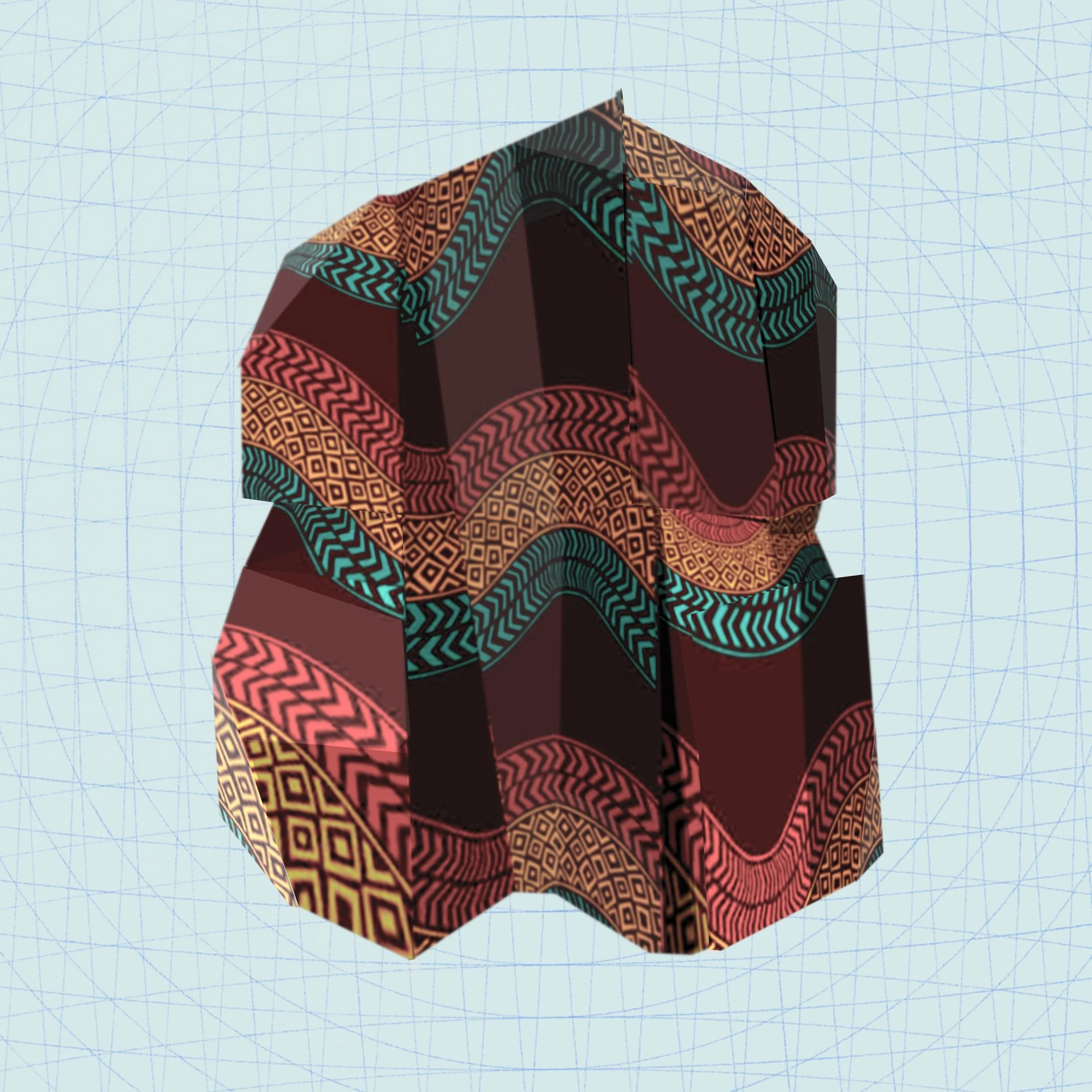
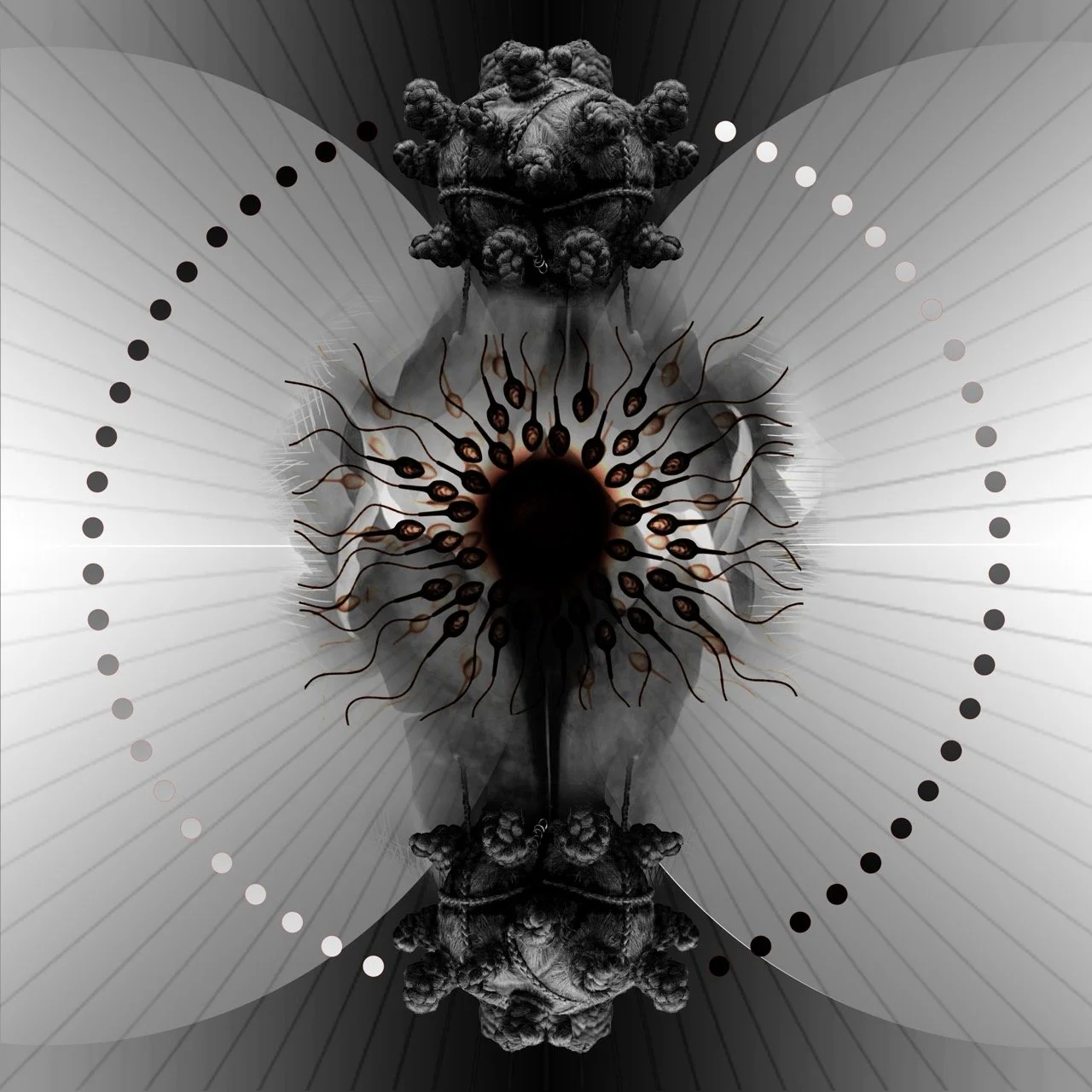
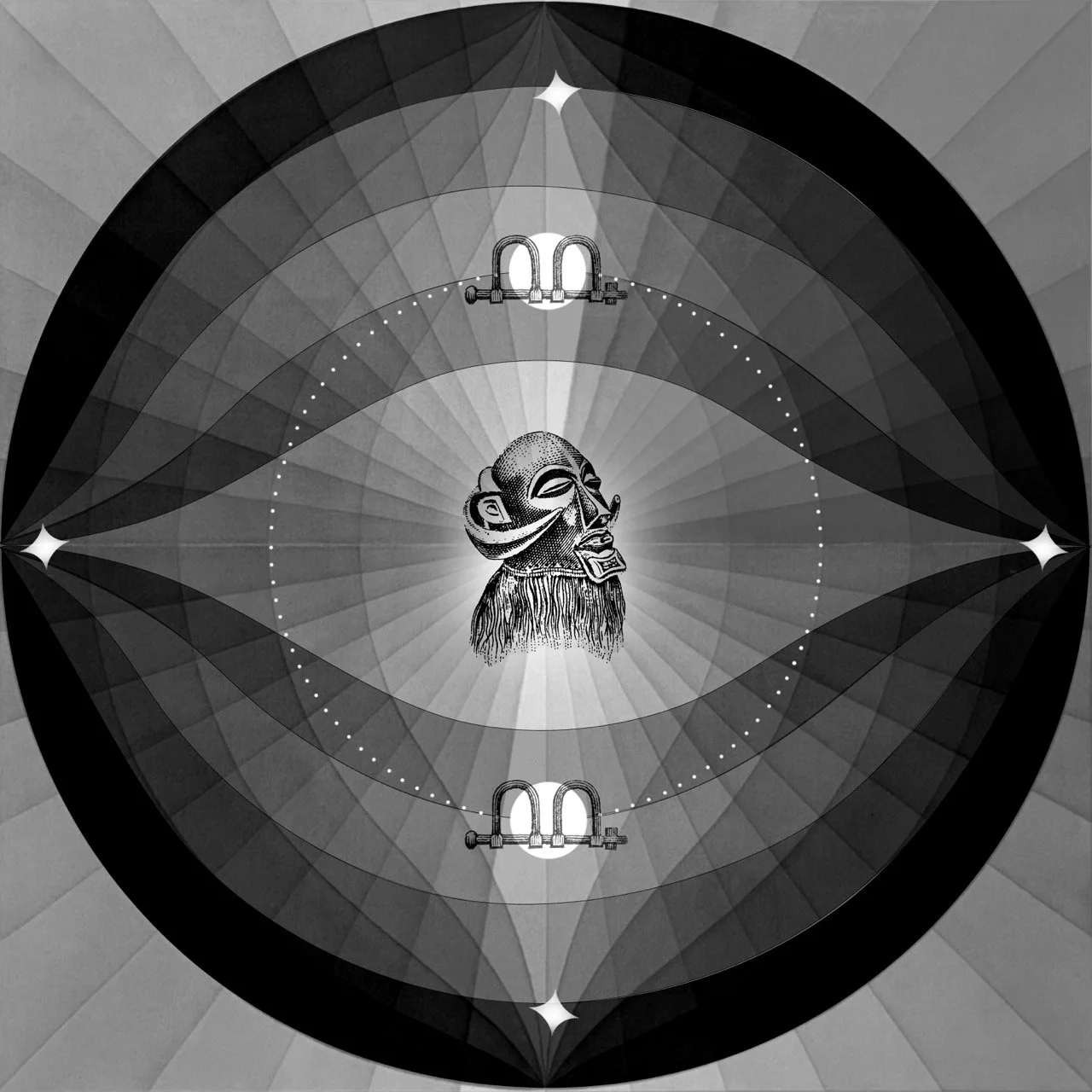
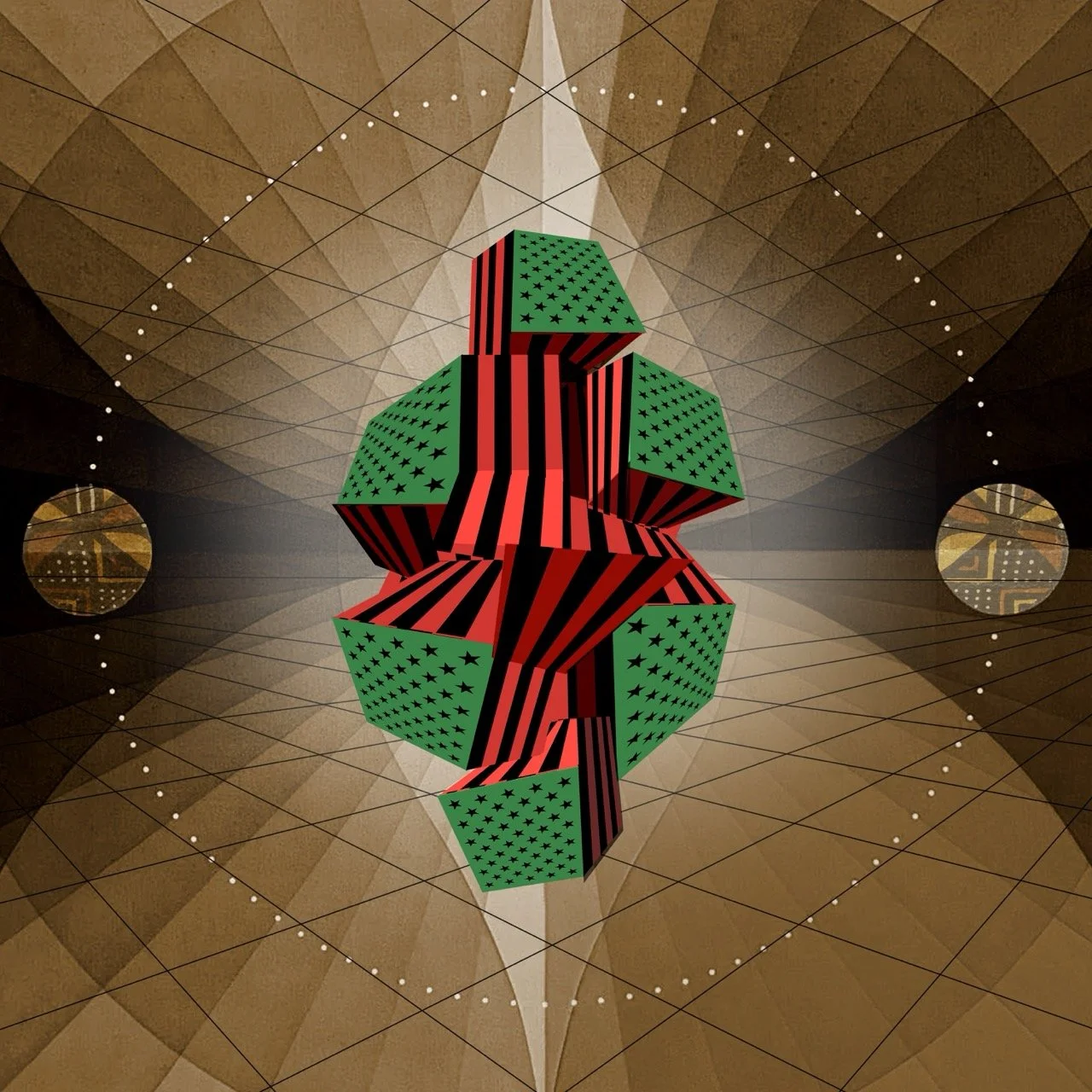
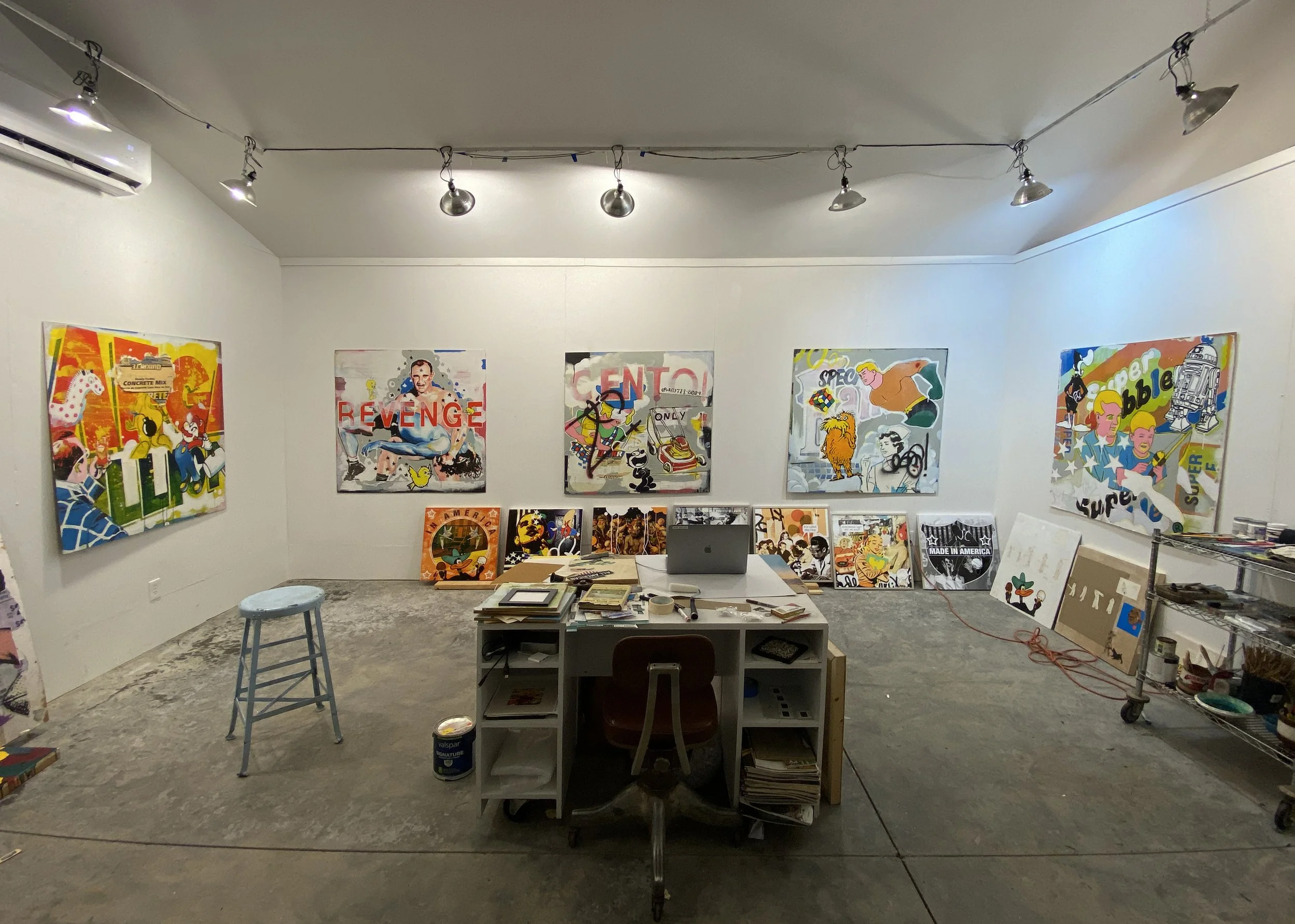
My work is collage-based and deeply narrative. It draws from art history, advertising, and contemporary visual culture, where I create images that function much like samples in hip-hop production: I organize fragments of historical references, popular imagery, and personal experiences into compositions that investigate Western cultural values and systems of power. The dialogue in my work comes from layering historical and current events with my own perceptions of reality.
Can you speak about your process?
I research, collect, and organize imagery related to the history of oppressed and marginalized people throughout the Western world. I use capitalist symbols, signs, and logos, as well as references to other Western ideals. I blend these artifacts into a visual narrative that I perceive - like in hip-hop storytelling, I layer and juxtapose these components to build compositions to form my personal narrative. My goal is to show how meaning shifts through the compositional arrangement of these images, and how visual cues carry historical and social commentary.
How did you become interested in art?
I became interested in art at a young age through reading comic books, which inspired me to draw and emulate the actions I saw in them. From that point on, I used pencils and sketchbooks to render the reality of the world around me.
I grew up in a Haitian household in Manhattan during the birth of hip-hop, which exposed me to music, language, and visual culture that emphasized creativity, adaptation, and storytelling. Those early experiences shaped how I approach art—as a means of communicating lived experiences, history, and identity.
What inspires you?
My inspiration comes from cultural hybridity—moving between histories, traditions, and visual languages. Hip-hop’s sampling techniques, advertising aesthetics, and art history all influence how I approach image-making. I’m particularly interested in how culture gets borrowed, repurposed, and often exploited, and how visual forms can reveal those dynamics. Colonialism, slavery, and systems of oppression in Europe, the Americas, and the Caribbean are the main driving forces in my work. Creating artwork for me is a form of resistance.
Do you have any favorite artists, movies, books, or quotes?
I don’t have favorites. I look at art that is cultural and has a narrative, like Egyptian hieroglyphs and reliefs, because of their storytelling, narratives, signs, and symbols.
I read a lot of historical and contemporary articles and listen to podcasts that highlight and discuss the history of the Americas and Europe from a social and political perspective. I watch movies and listen to music that inspires me, such as old-school hip-hop from groups like A Tribe Called Quest, De La Soul, Public Enemy, and KRS-One, who rap about the trials and tribulations of Black America, and Bob Marley and Jimi Hendrix.
The work of Malcom X and Martin Luther King has been fundamental for me. Ibram X. Kendi’s Stamped from the Beginning, and the TV animated series The Boondocks, come to mind as well.
What advise do you have for younger artists?
Create artwork that makes you feel good, that is unique to you, and that you feel satisfied with. Creativity should come from the heart, something you are passionate about, or perhaps something you are contending with.