Mario Abela
Gozo, Malta
Website
www.abelamario.com
Social Media
Instagram
How would you describe your work?
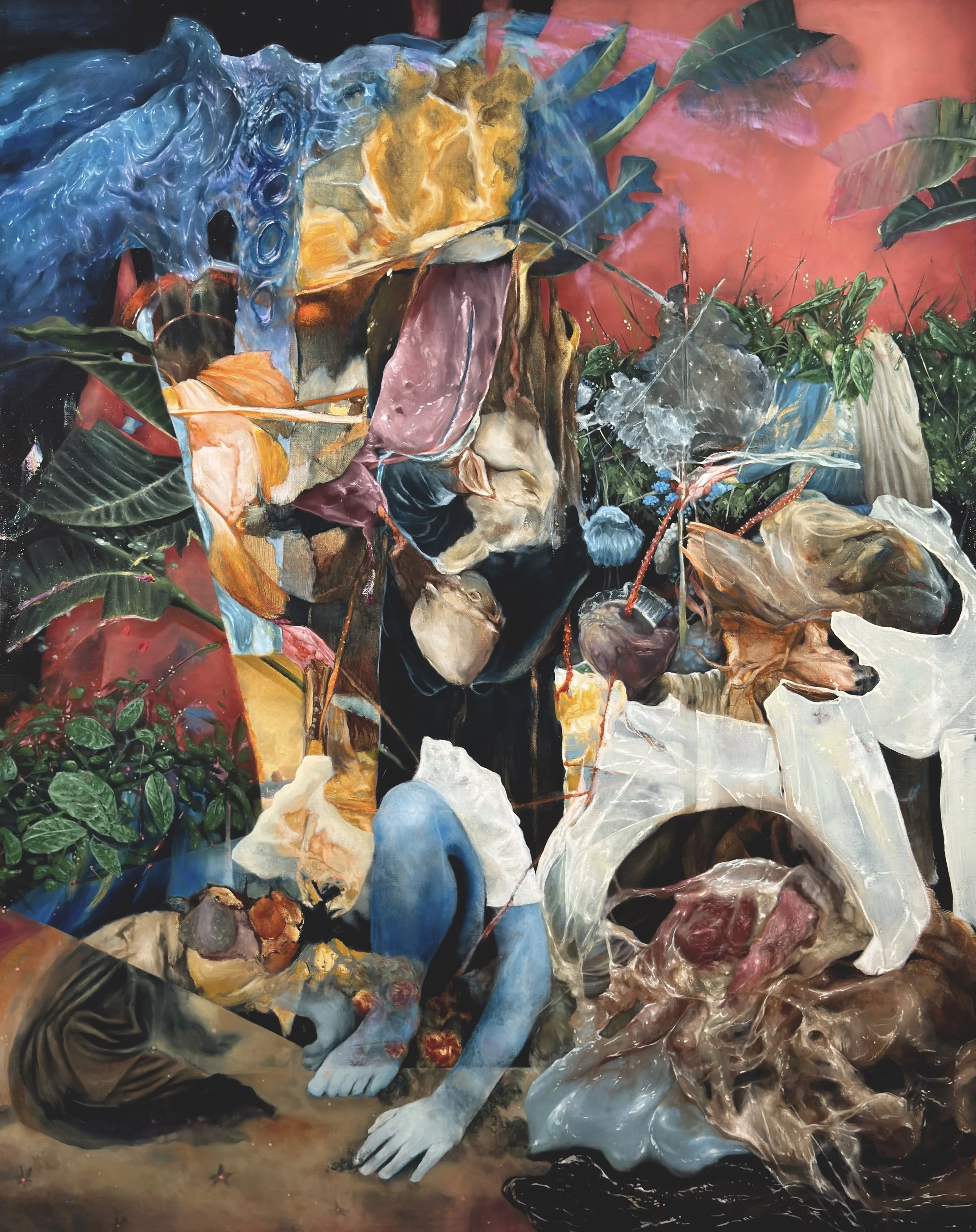
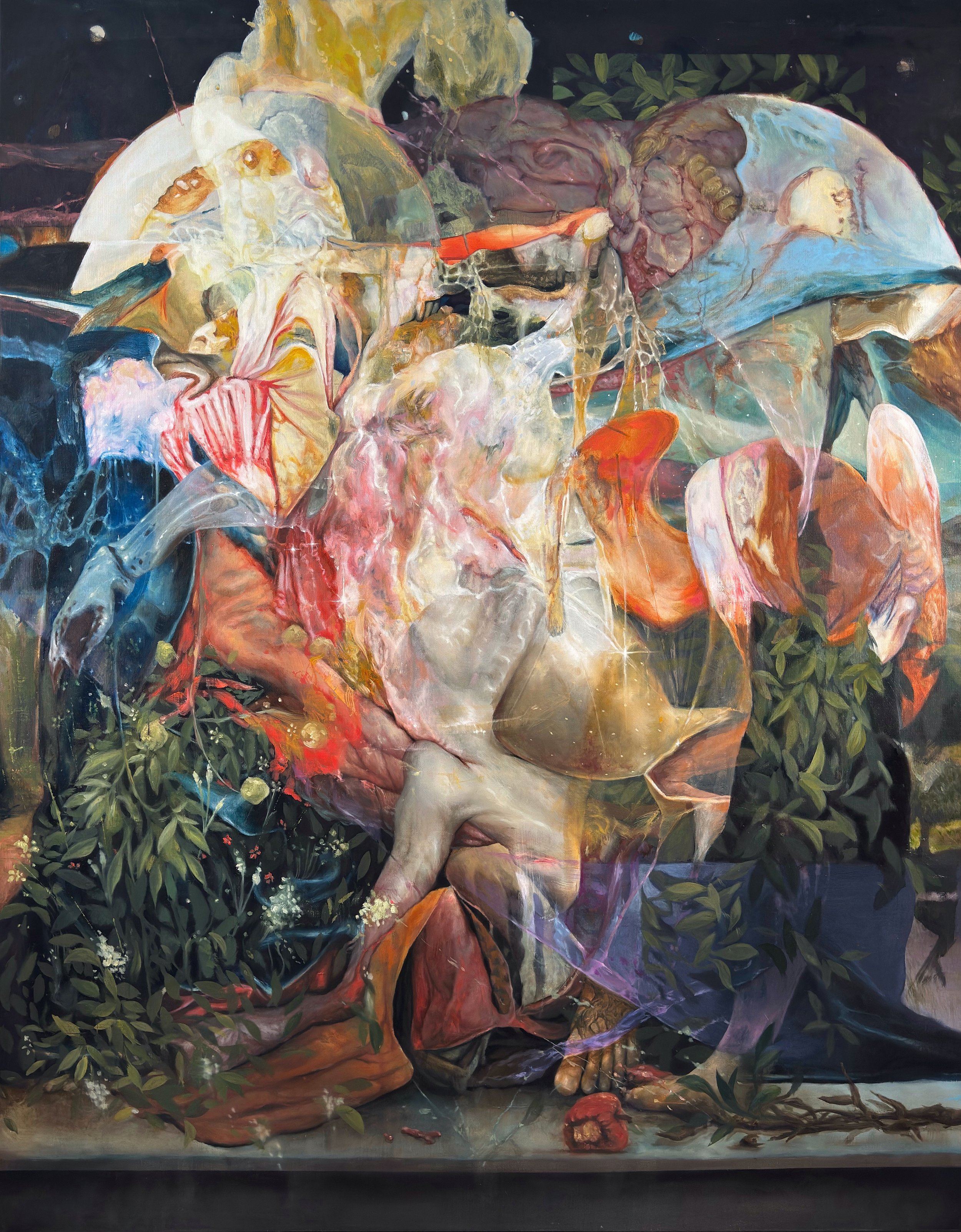
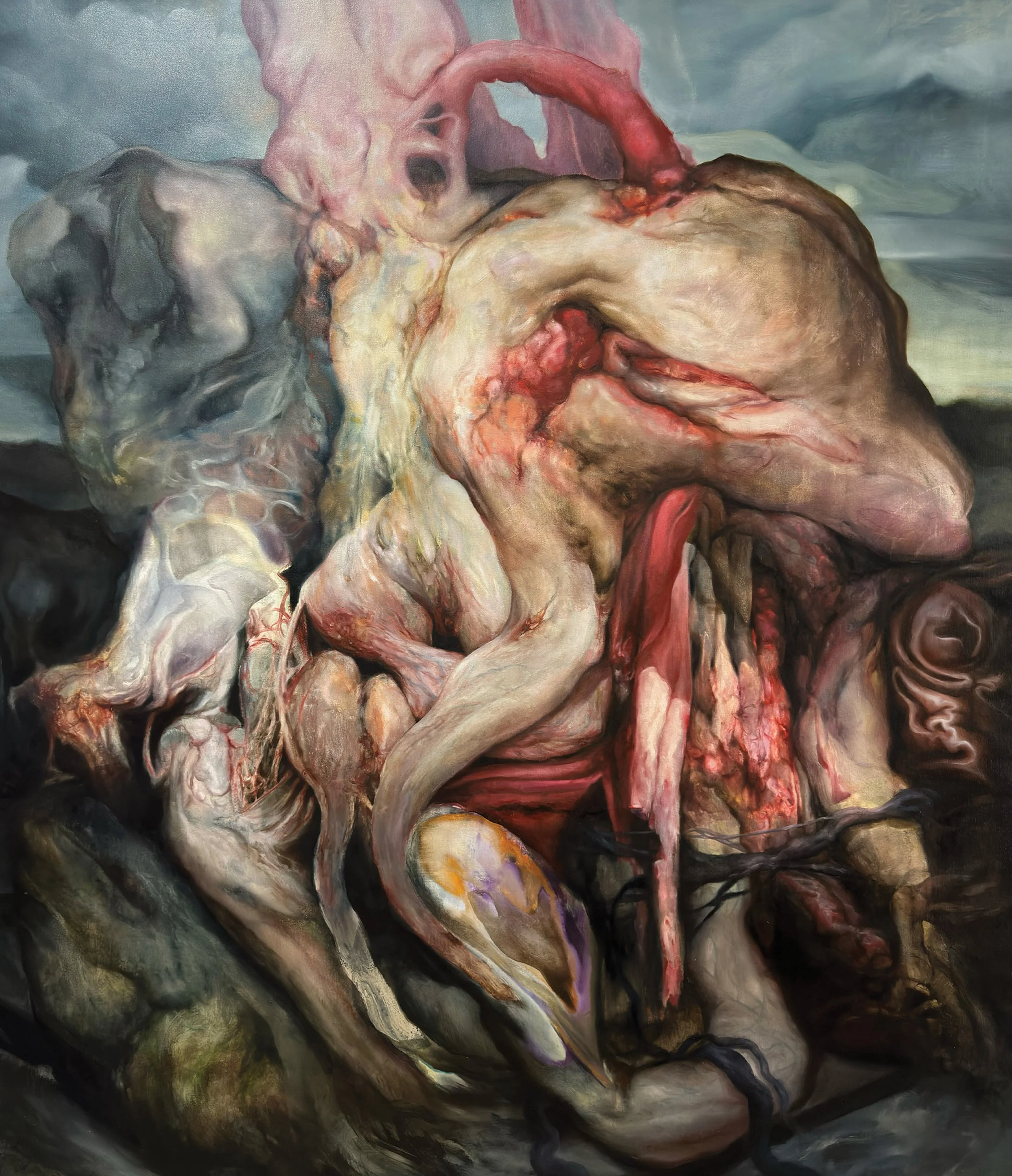
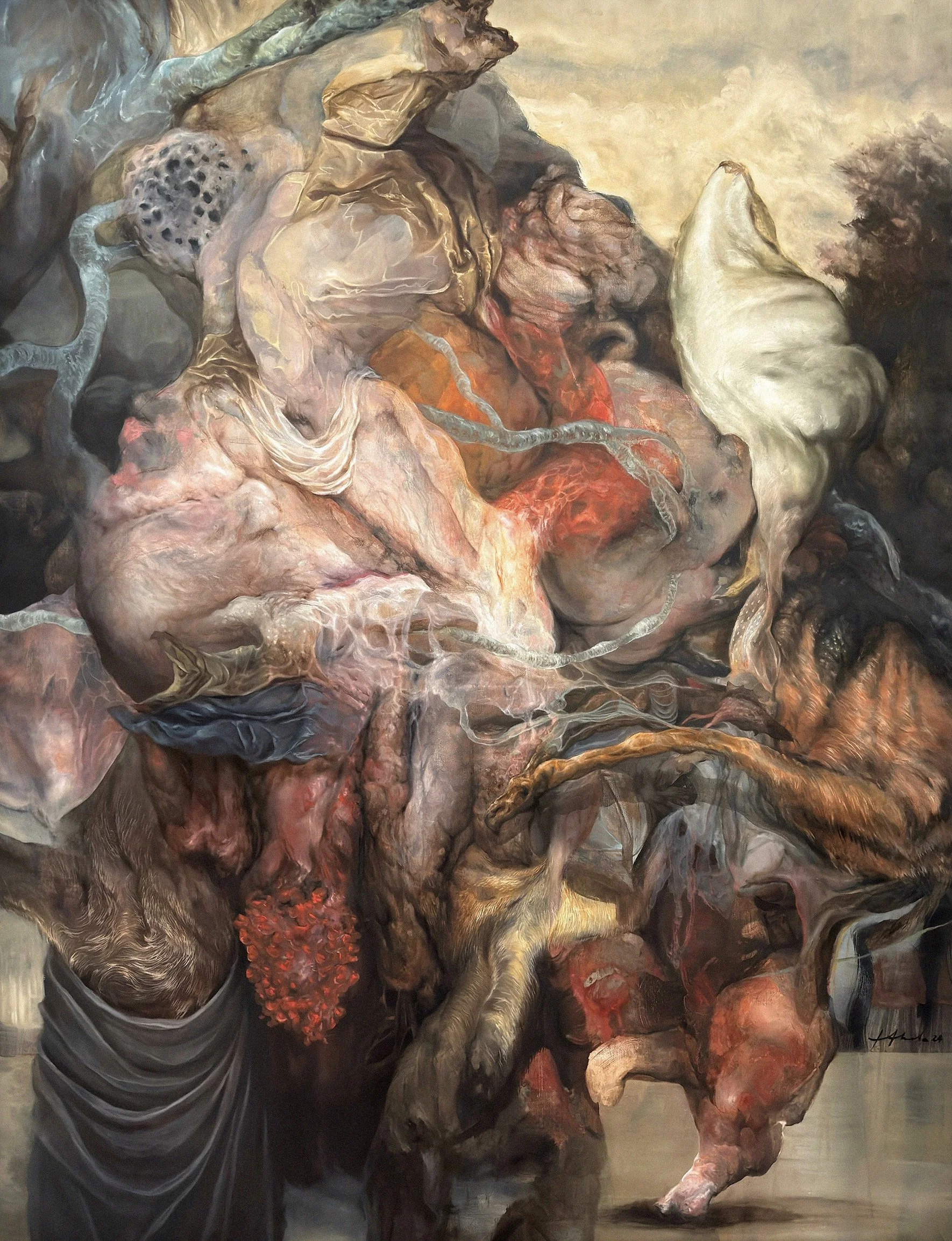
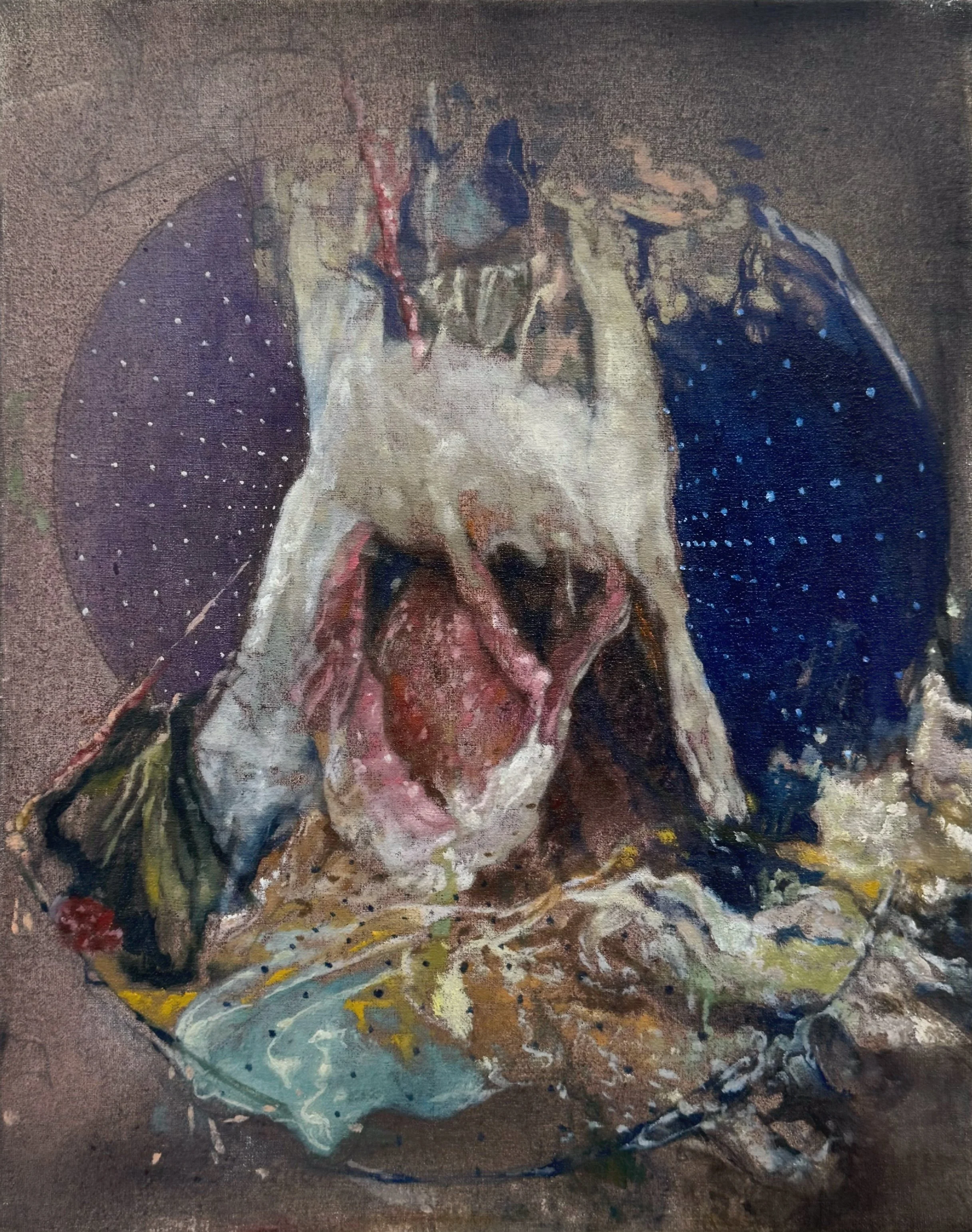
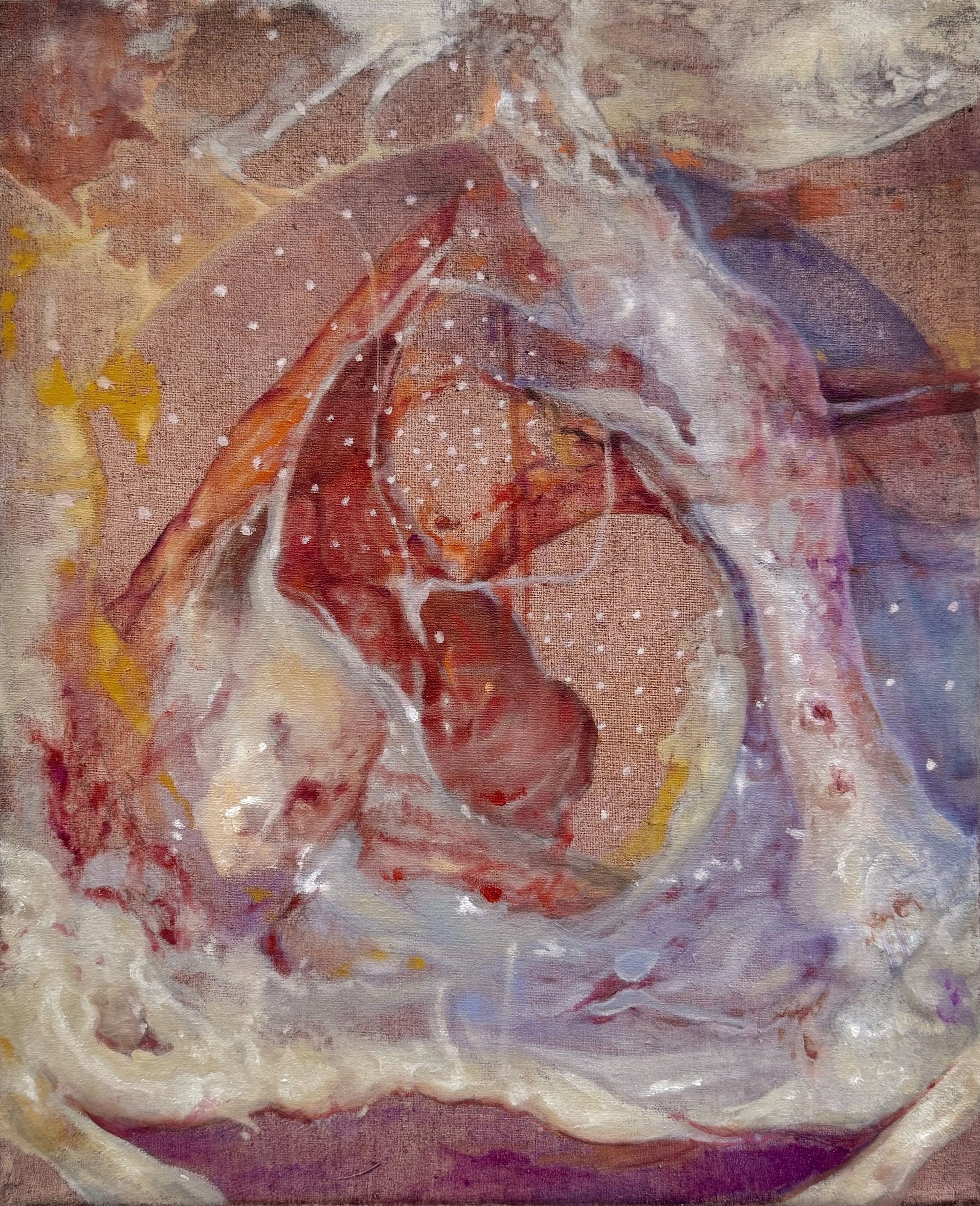
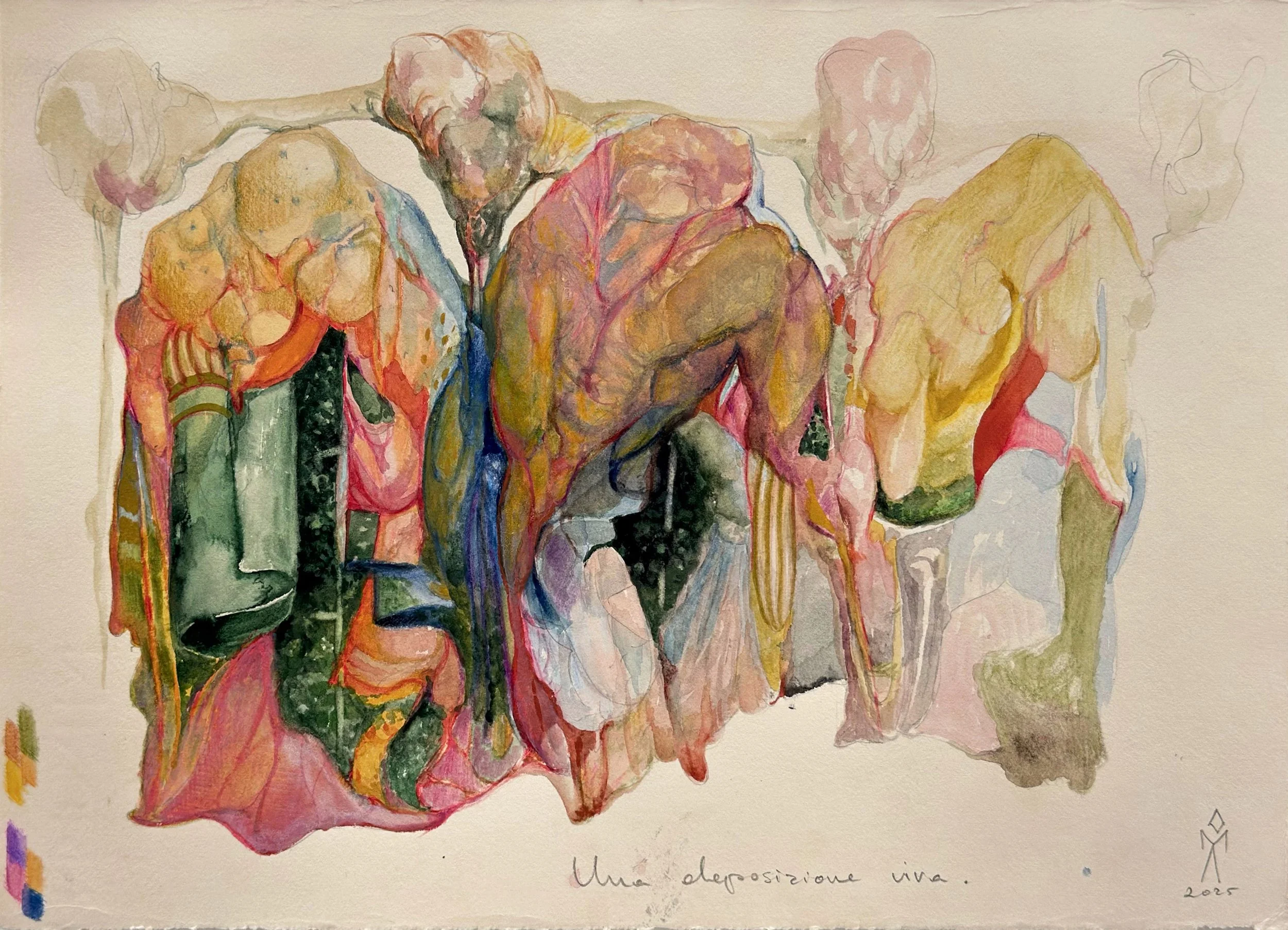
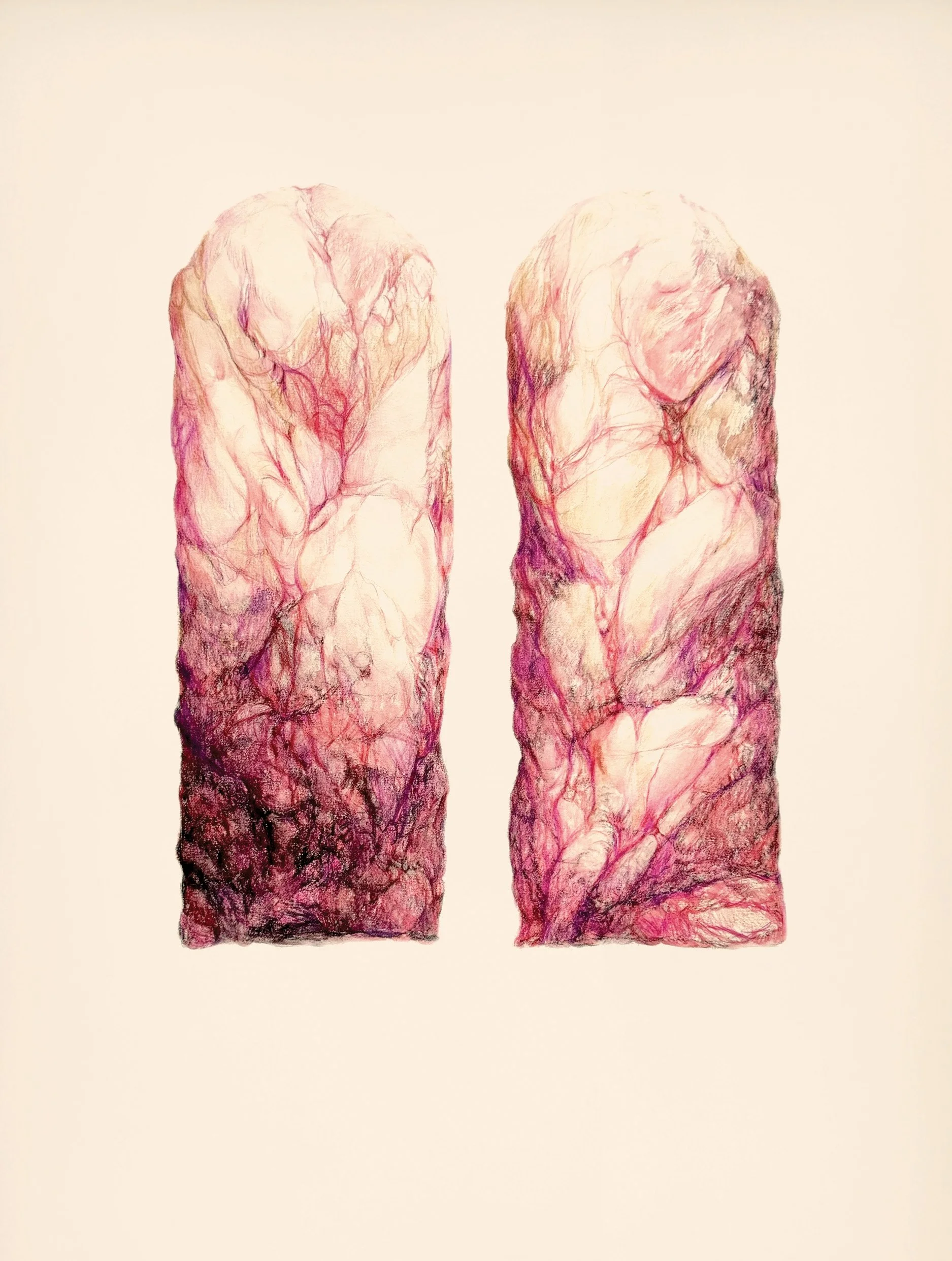
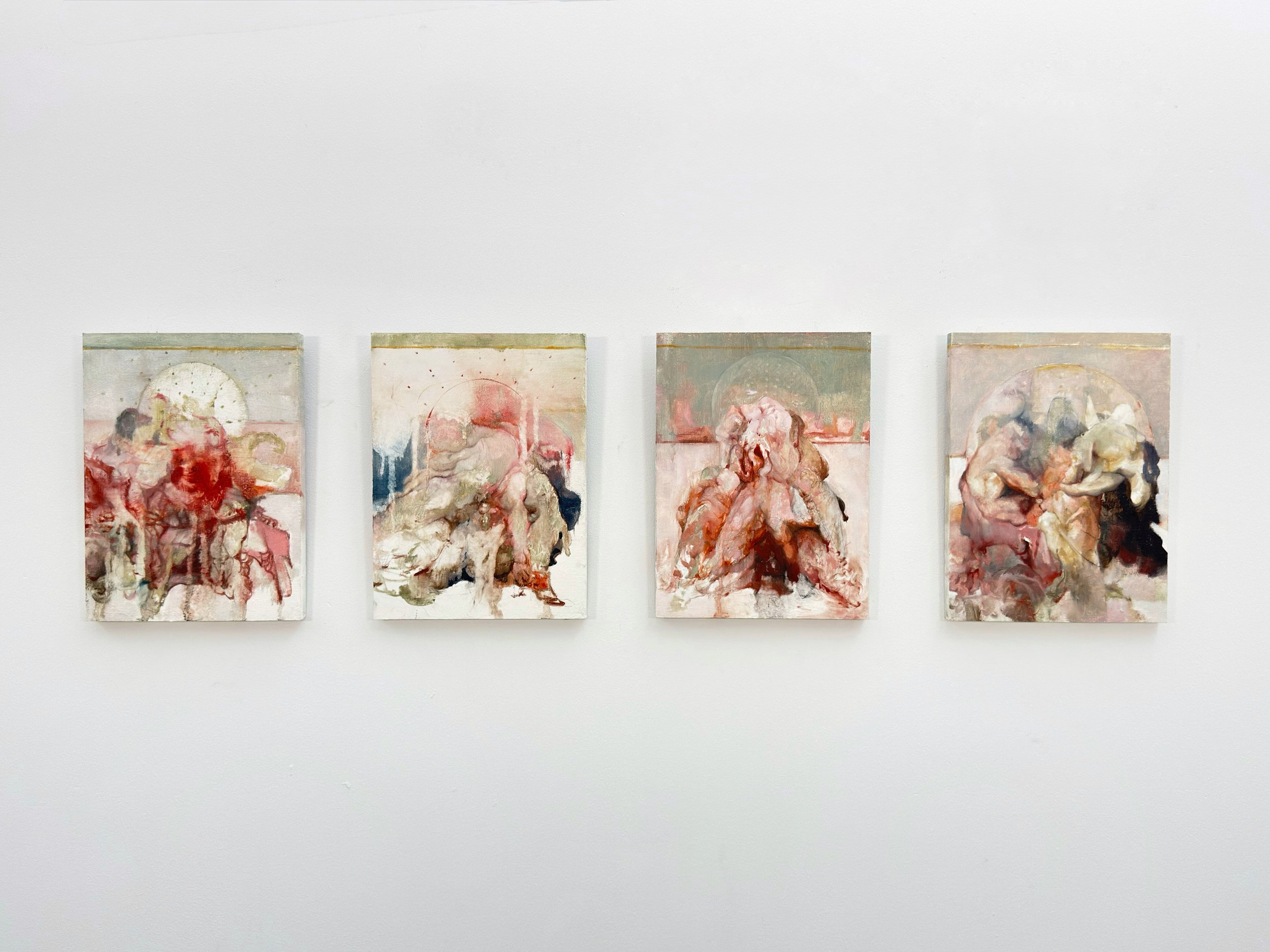
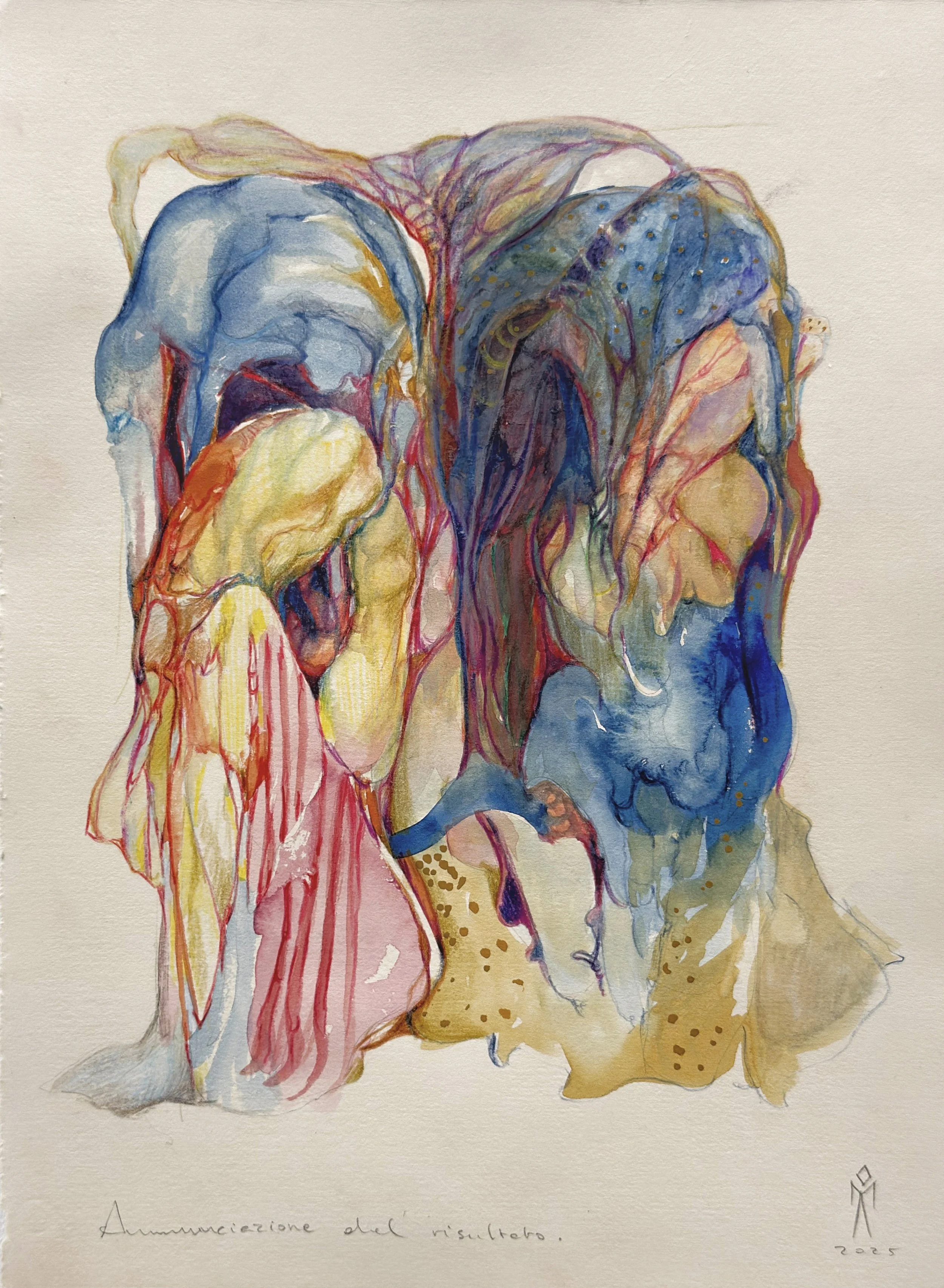
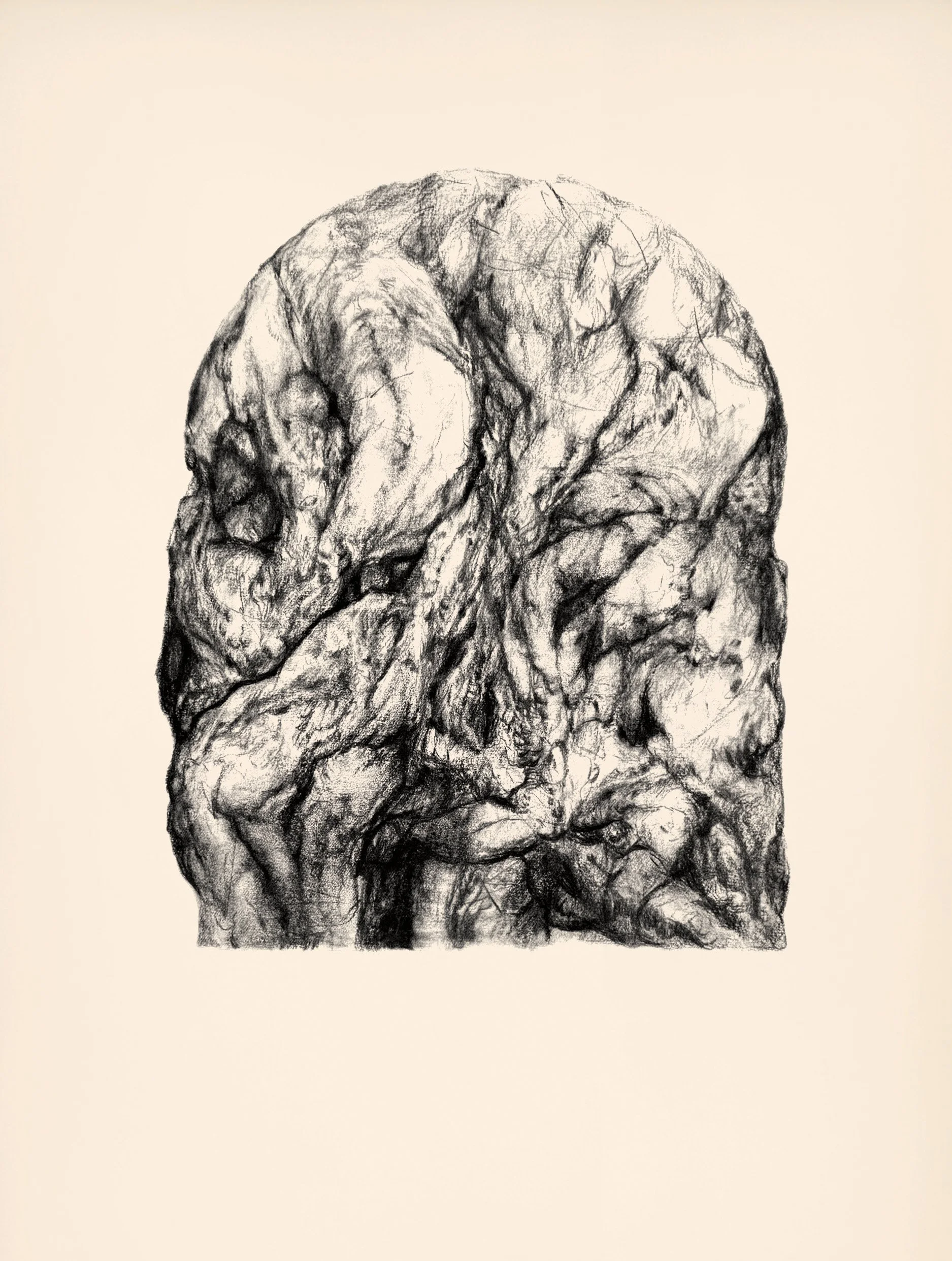
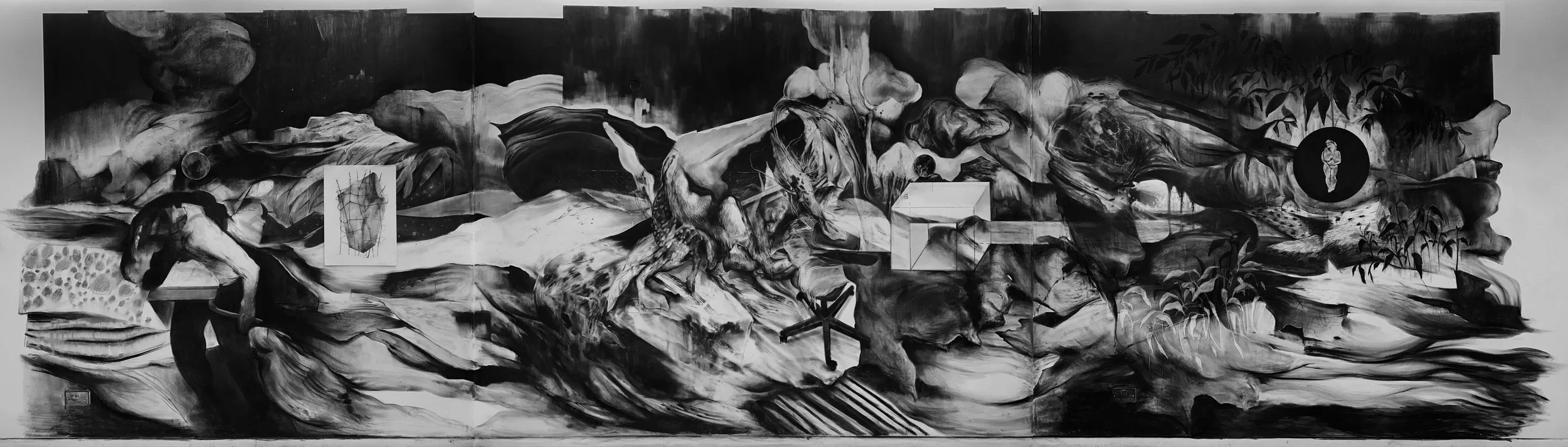
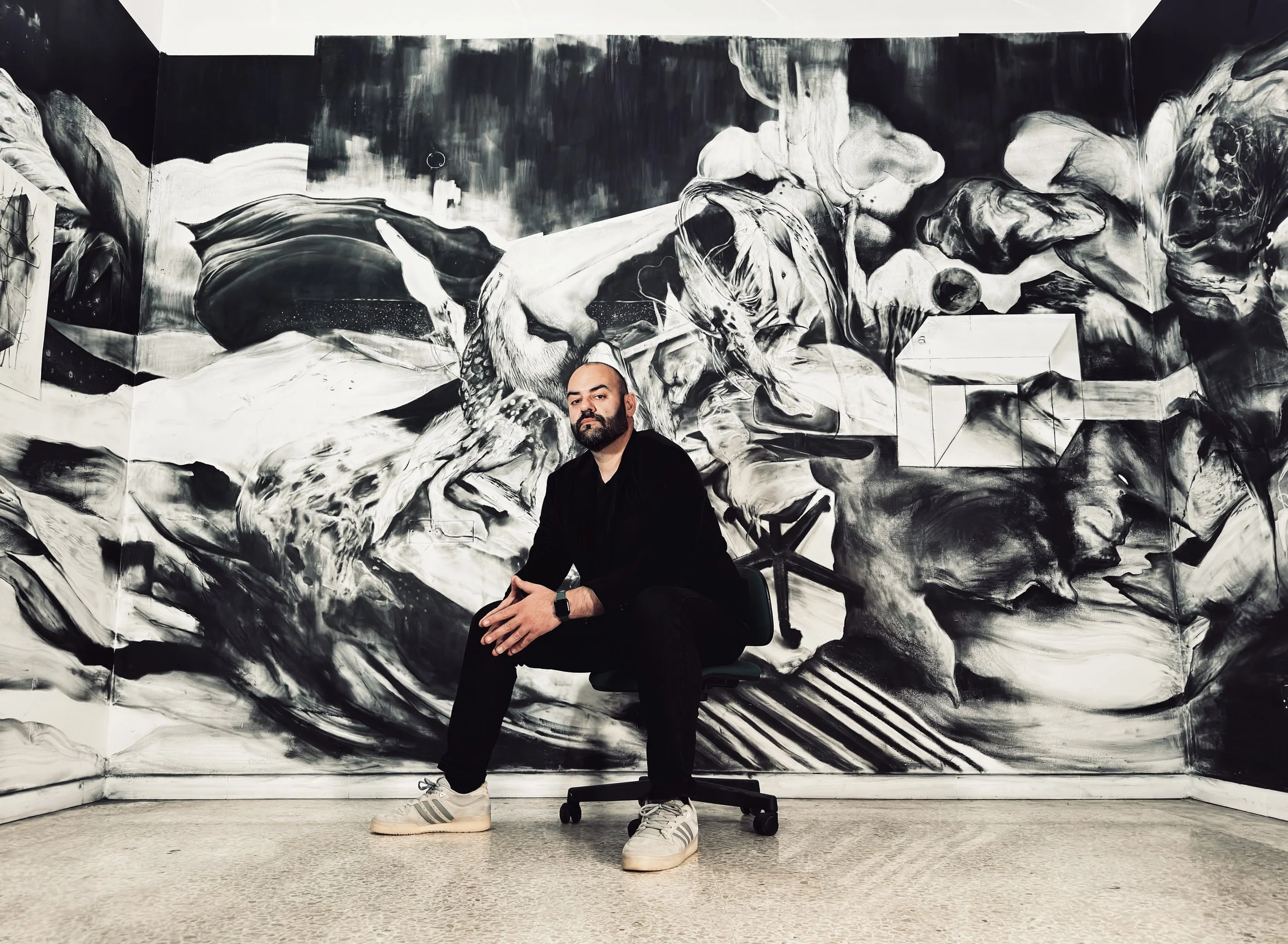
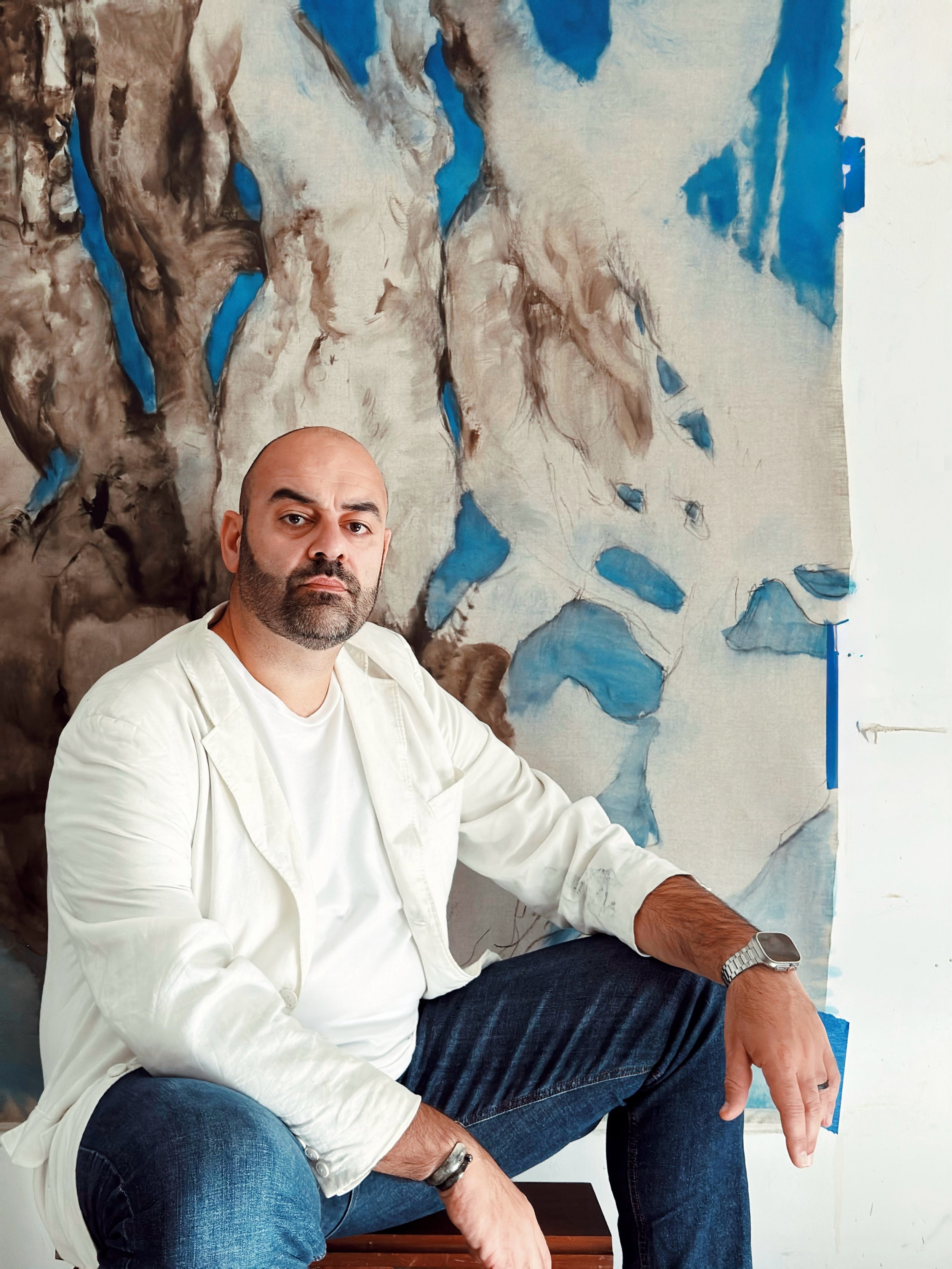
My work moves between painting and drawing and develops through a slow, layered process. I’m drawn to images that feel uncertain or incomplete, where forms are never fully fixed and can shift between appearing and dissolving. I’m not interested in telling clear stories; instead, I want the work to hold a quiet tension that asks the viewer to spend time with it.
A lot of what I do revolves around memory, time, and the fragility of images. I think about how images linger, fade, or resurface over time, and how meaning is never entirely stable. The paintings are meant to be experienced slowly, allowing space for hesitation rather than immediate recognition.
What inspires you?
Art history has always been a strong point of reference. What draws me to it is not so much the iconography, but its devotion to process and belief in the image. Alongside that, I’m very aware of contemporary visual culture and the constant circulation of visual noise of today. Personal experiences, fragments of photographs, and moments that feel unresolved often stay with me for a long time before they find their way into the work. Inspiration is rarely direct; it tends to accumulate quietly.
Can you speak about your process?
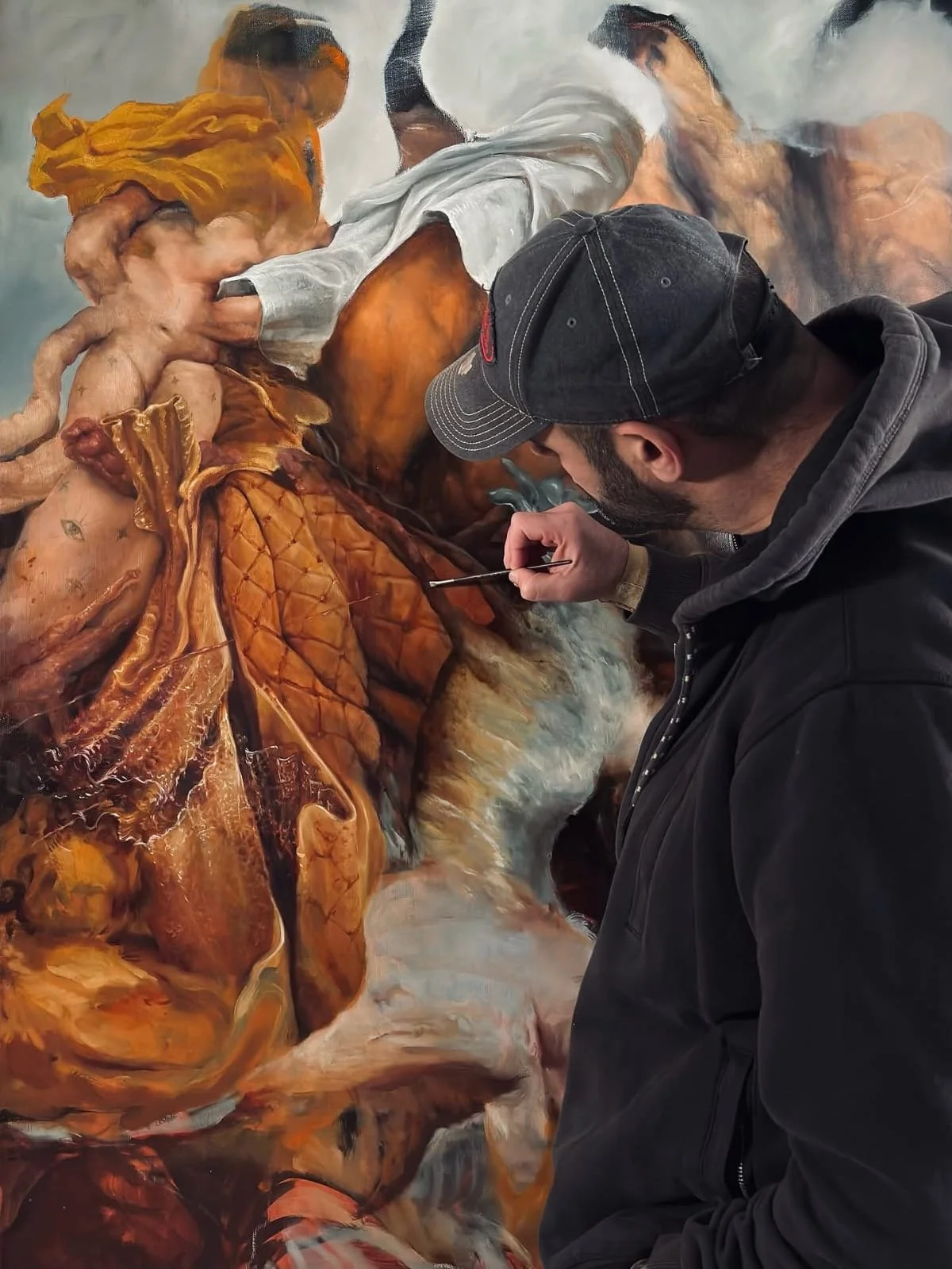
My process is slow and intuitive, but not unstructured. I usually begin with a loose framework and allow the painting to evolve through layering, glazing, erasing, and repainting. I often cover things up or change direction entirely if the work feels too resolved too quickly. Distance plays an important role. I need time away from the painting in order to see it clearly and understand what it’s asking for next. Rather than forcing an image into a final form, I try to listen to it and let it reveal itself over time.
How did you become interested in art?
Art was always present in my life, but my engagement with it deepened through education and later through teaching. Studying art and history helped me understand images as carriers of meaning across time, rather than just aesthetic objects.
Before fully committing to my studio practice, I worked for many years as a graphic designer. That experience sharpened my visual awareness and discipline, but it also made me realise the need for a slower, more reflective way of working — one that allows for uncertainty and doubt.
Do you have any favorite artists, movies, books, or quotes?
I’m drawn to artists who embrace vulnerability and allow doubt to remain visible in their work. I tend to respond to paintings that feel open and unresolved, where meaning isn’t completely fixed. In film and literature, I gravitate toward atmospheric and open-ended narratives rather than explanatory ones. I don’t really hold onto specific quotes; I’m more interested in ideas that unfold gradually and continue to resonate over time.
What advice do you have for younger artists?
Be patient with your work and with yourself. It takes time to understand what kind of artist you are, and that understanding comes through making, failing, and starting again — not through quick definitions or external validation.
Spend time looking closely at artistic works, especially work that challenges or unsettles you. And try to stay honest in your practice, even when uncertainty feels uncomfortable. It’s often a sign that something meaningful is happening.
Any more thoughts you would like to share?
For me, our practice is a way of slowing down and resisting the pressure to constantly produce, explain, or resolve. It creates a space where attention and presence matter more than answers. I believe creativity needs time, silence, and a willingness to stay with not knowing. That openness to doubt, to change, to uncertainty, is where I think the most honest and lasting work begins.