Austin Reilly
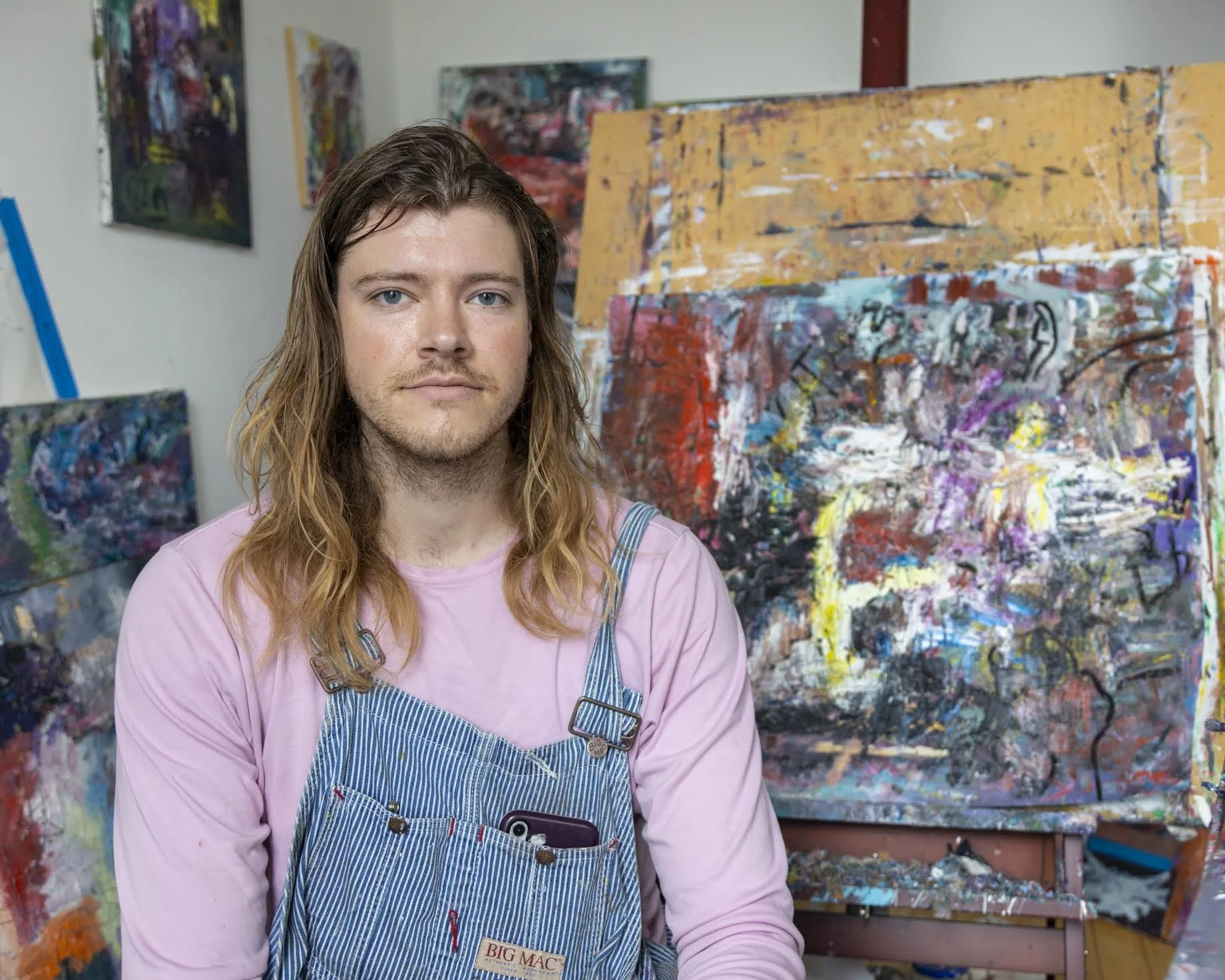
Chicago, IL, USA
Website
apoignantpear.com
Social Media
Instagram
How would you describe your work?
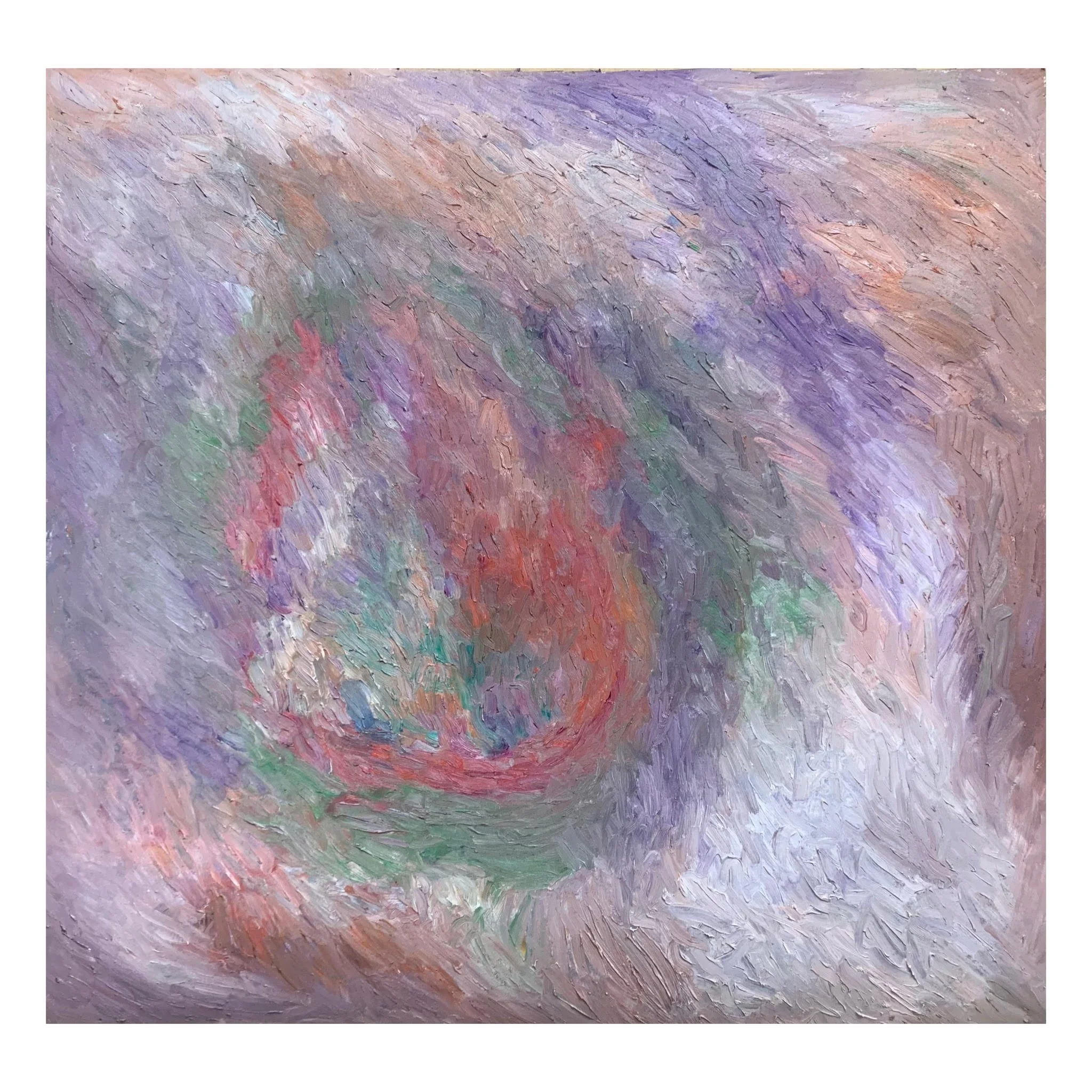
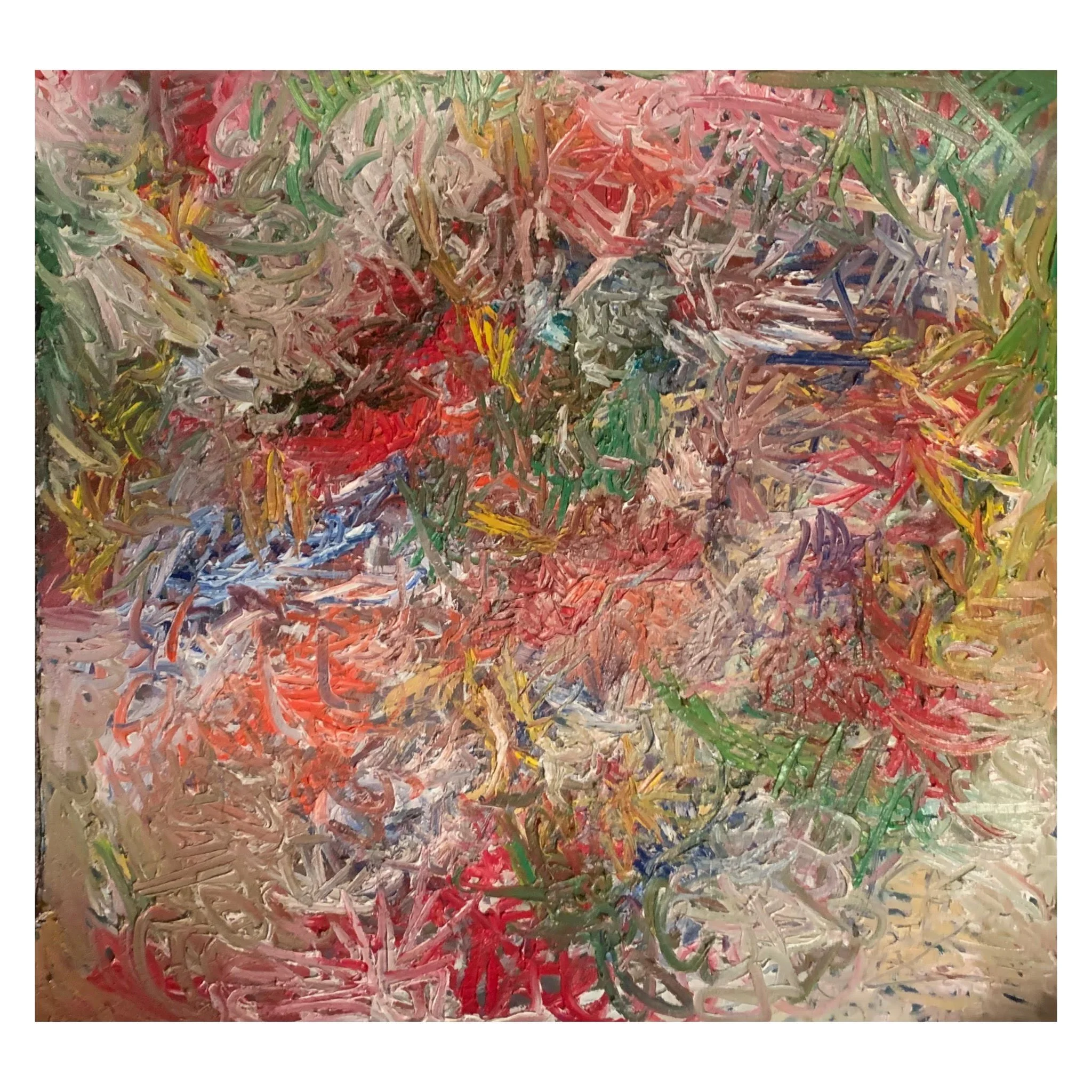
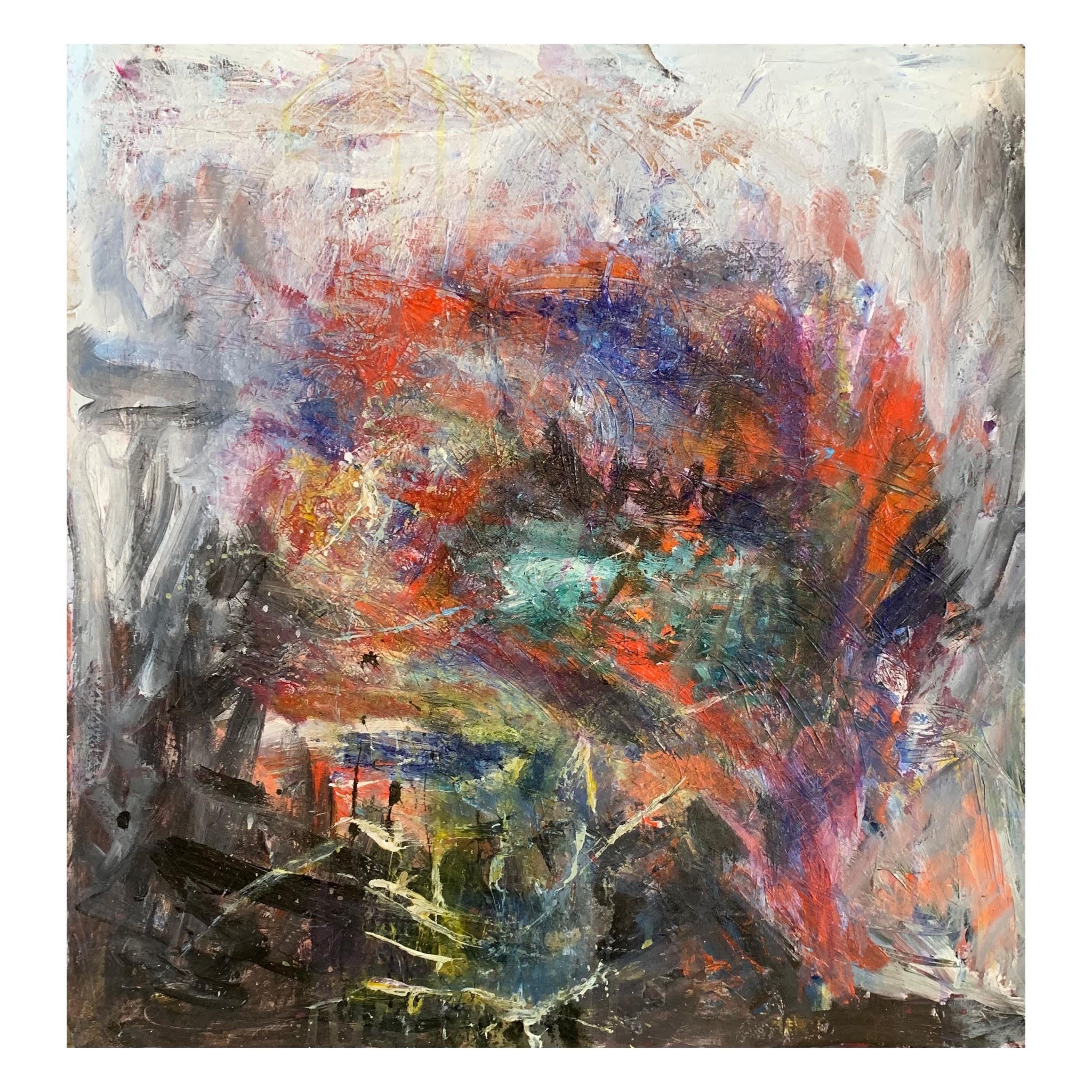
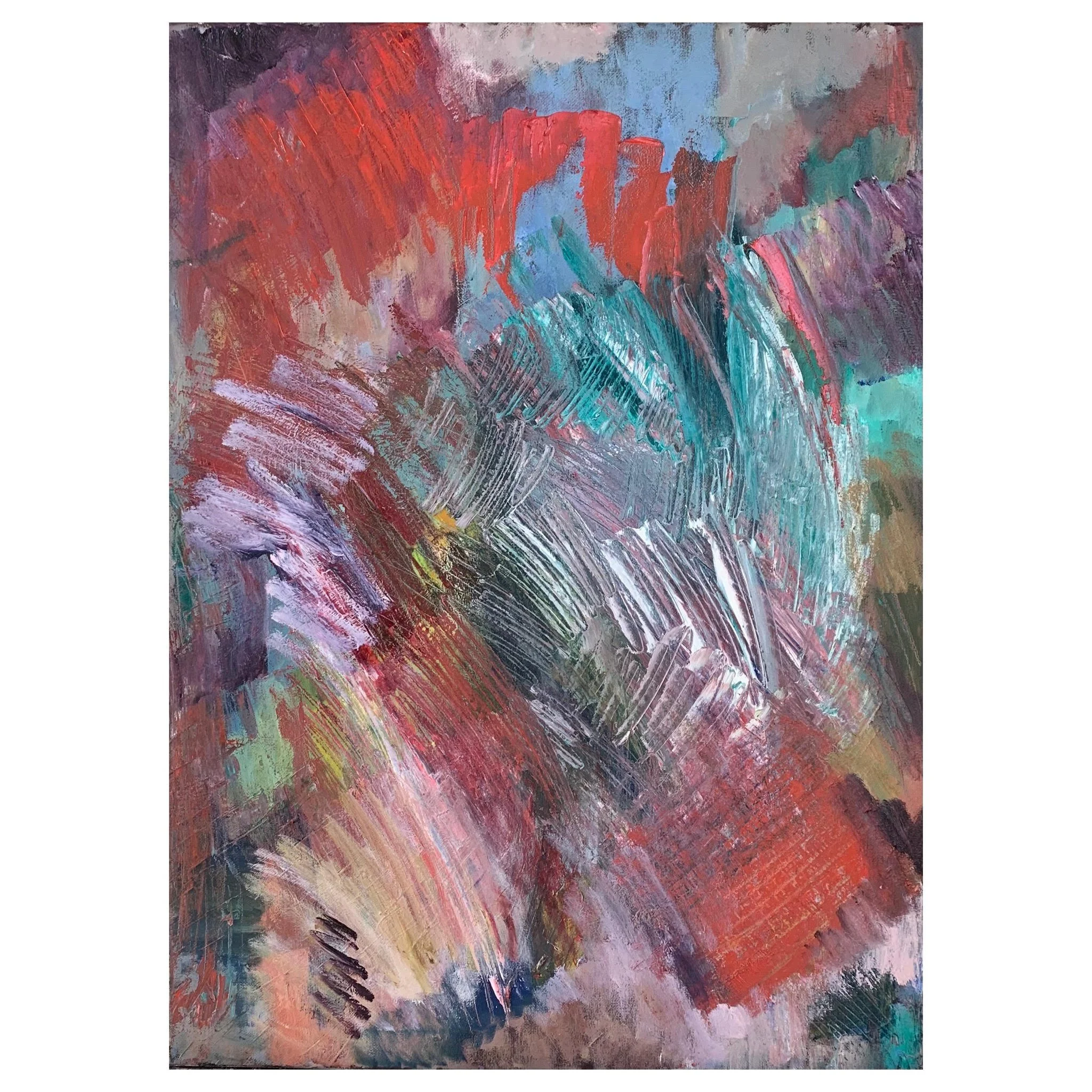
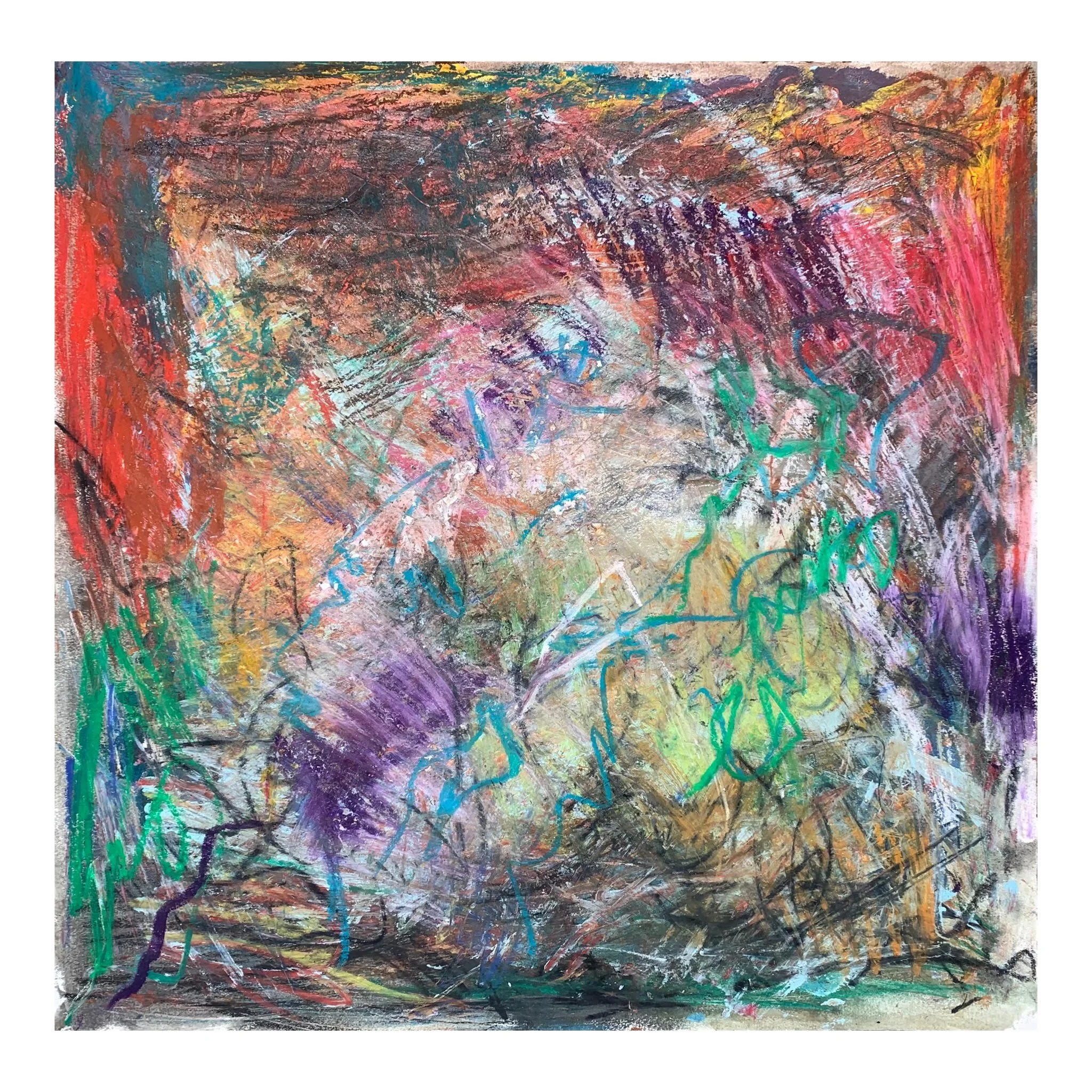
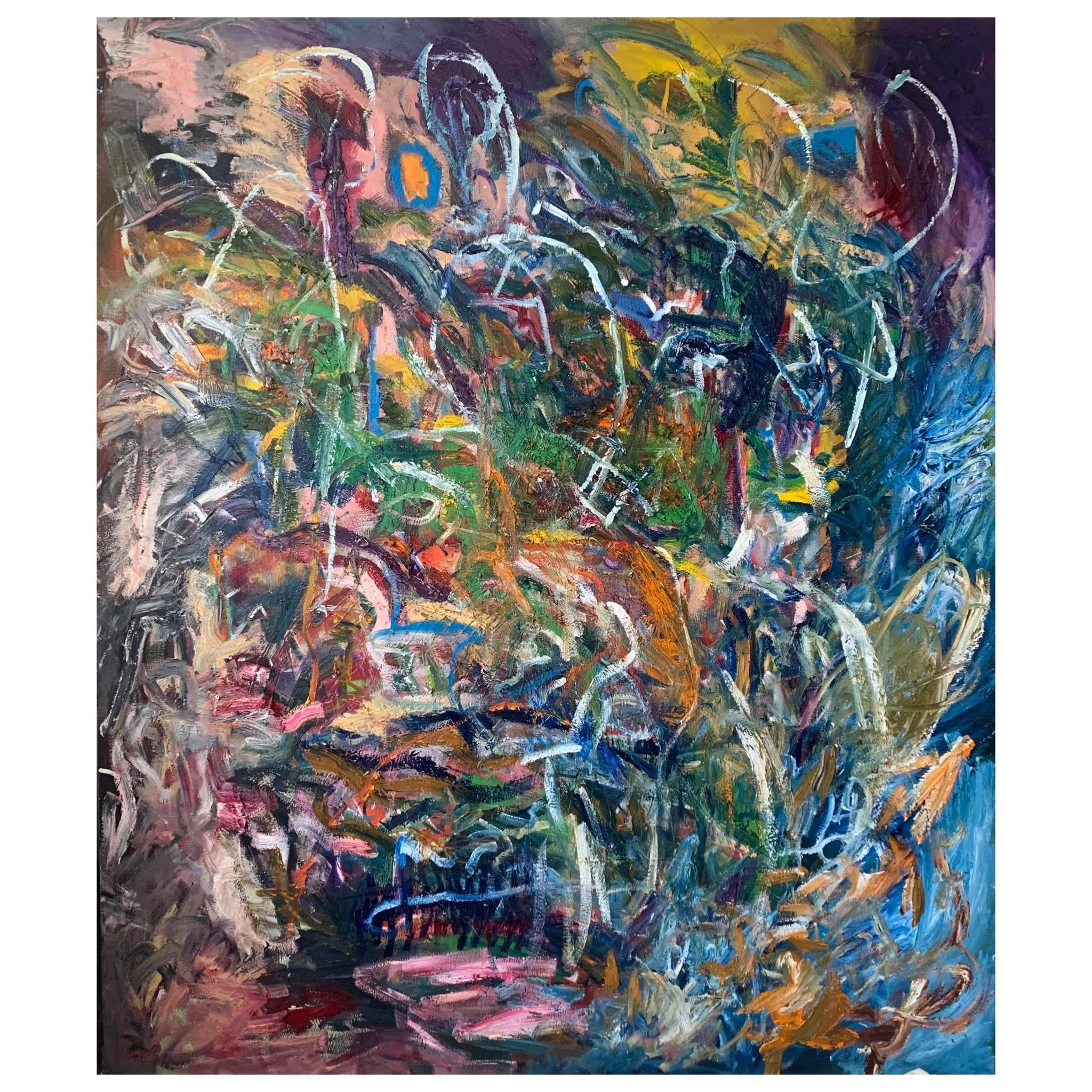
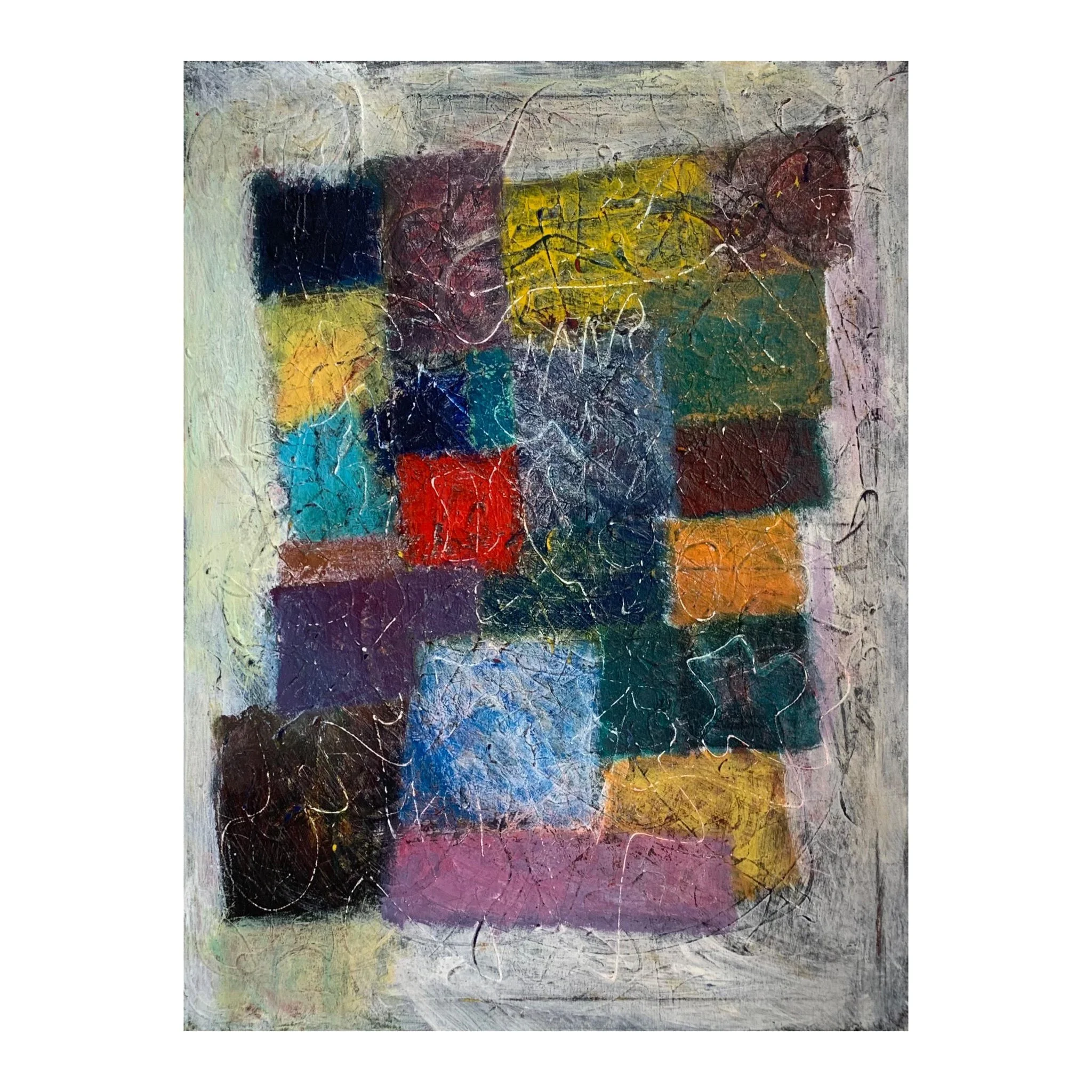
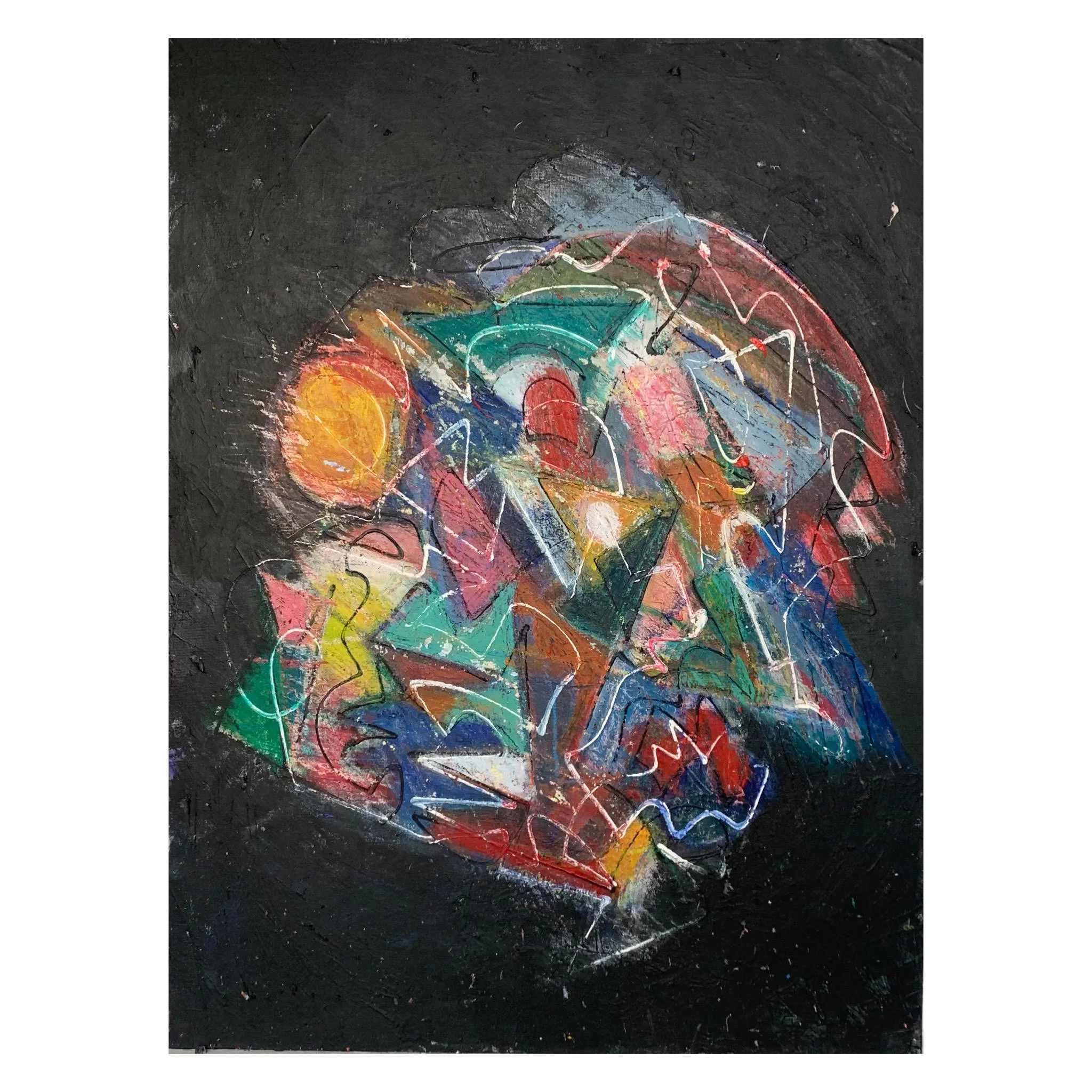
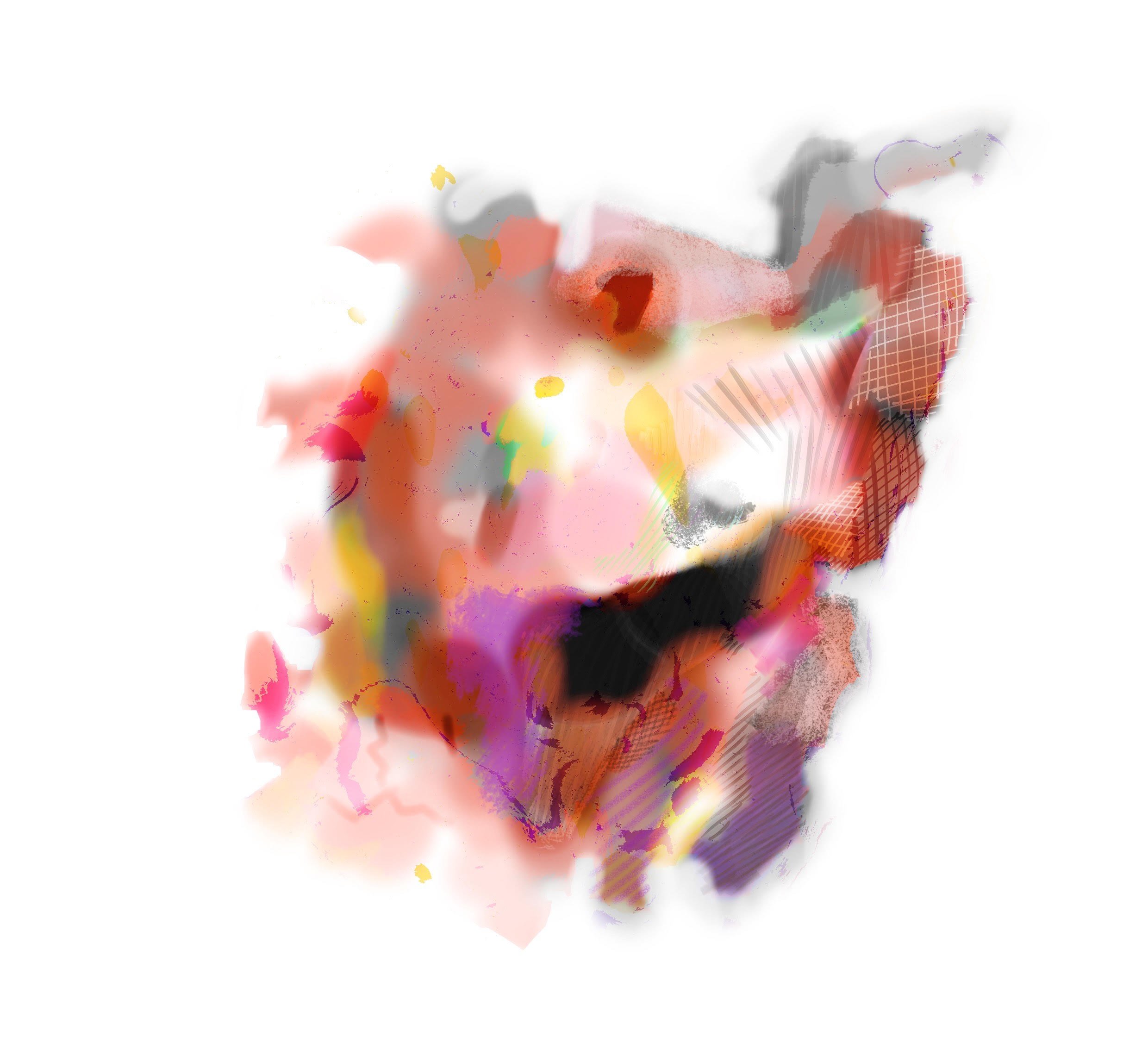
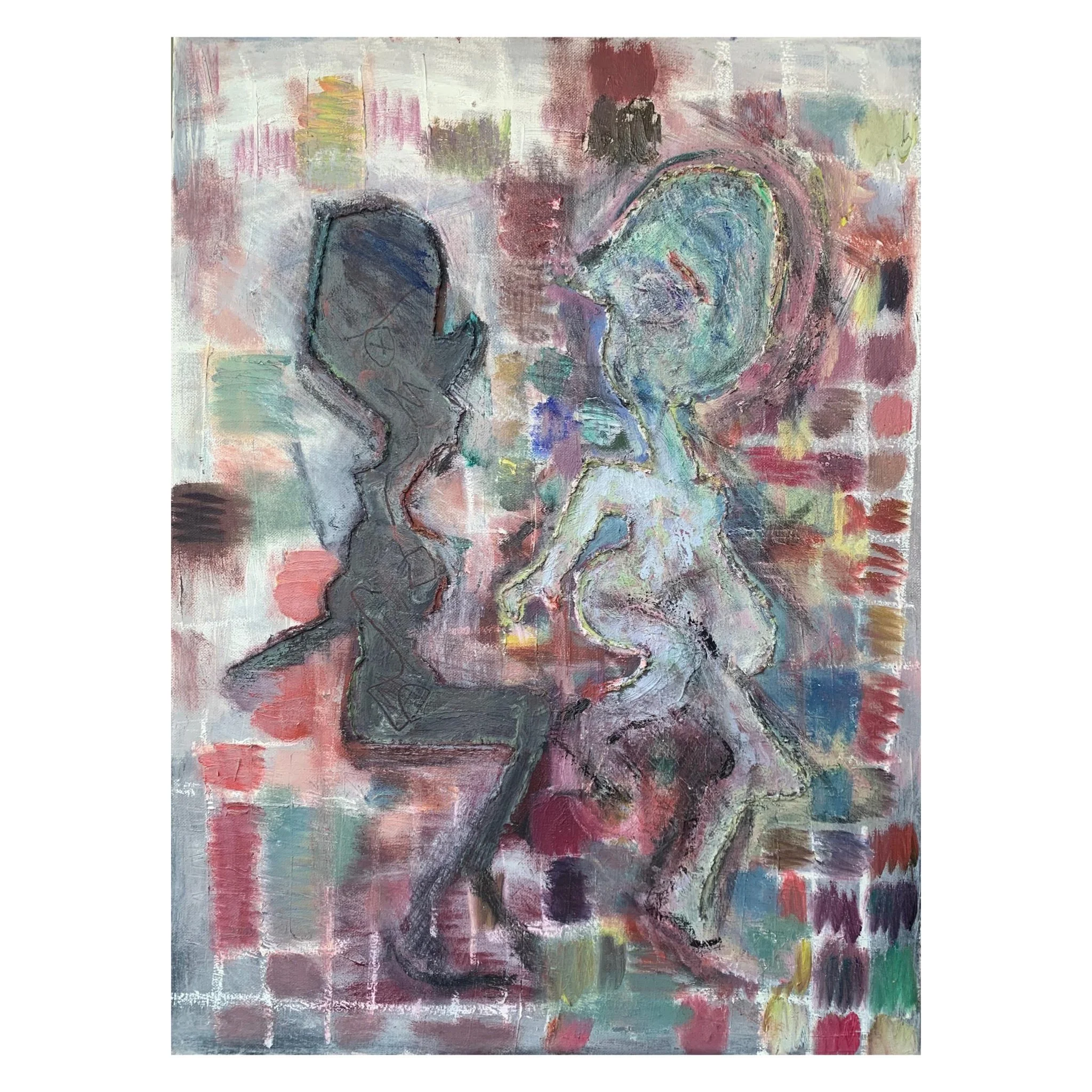
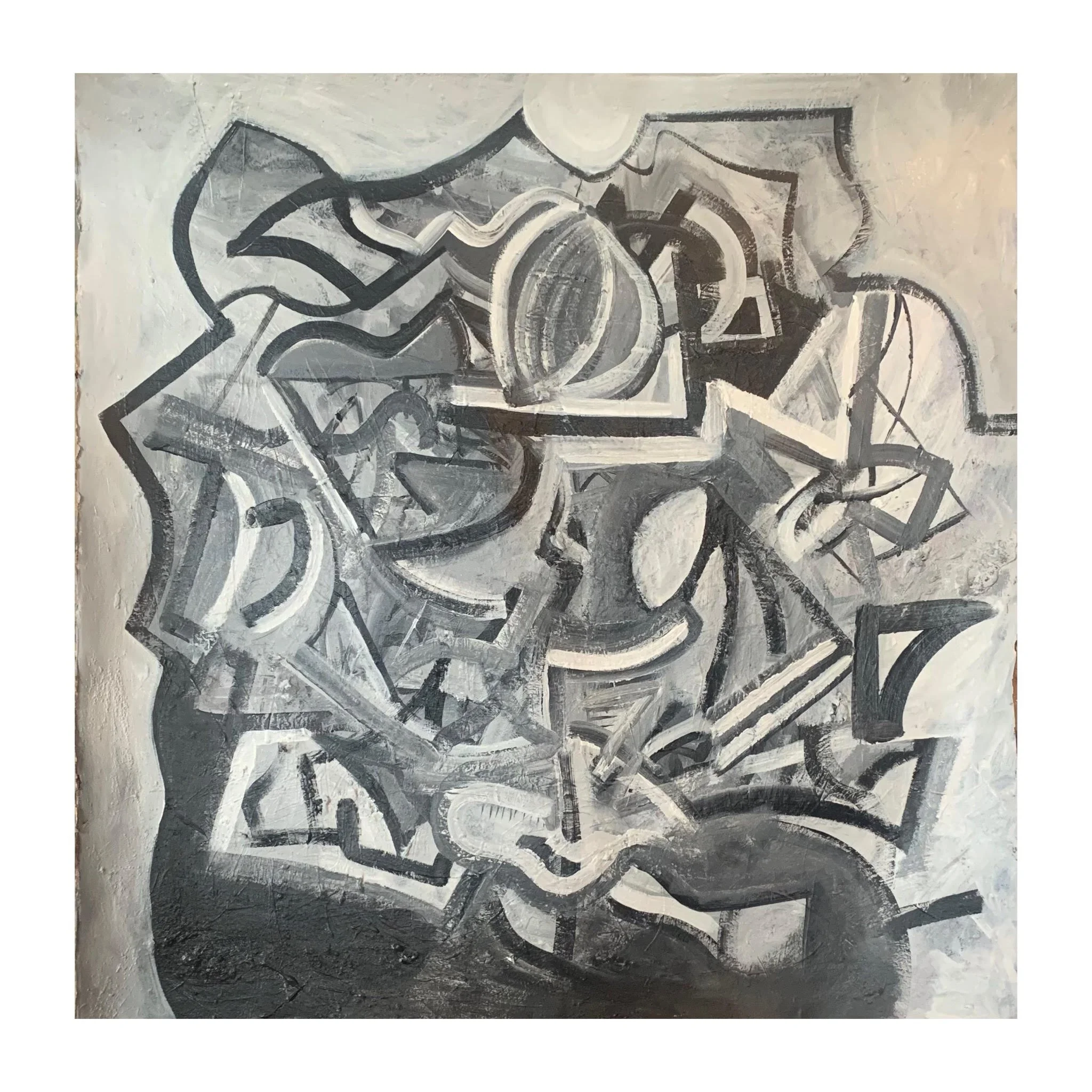
I imagine a continuum between drawing and painting in abstraction, where emphasis passes from the mark/line to the field/patch. I’m curious to explore the range of styles that can exist along the path of this spectrum.
A constant in my paintings is texture; I don’t really have a taste for smooth surfaces, except for when I’m drawing.
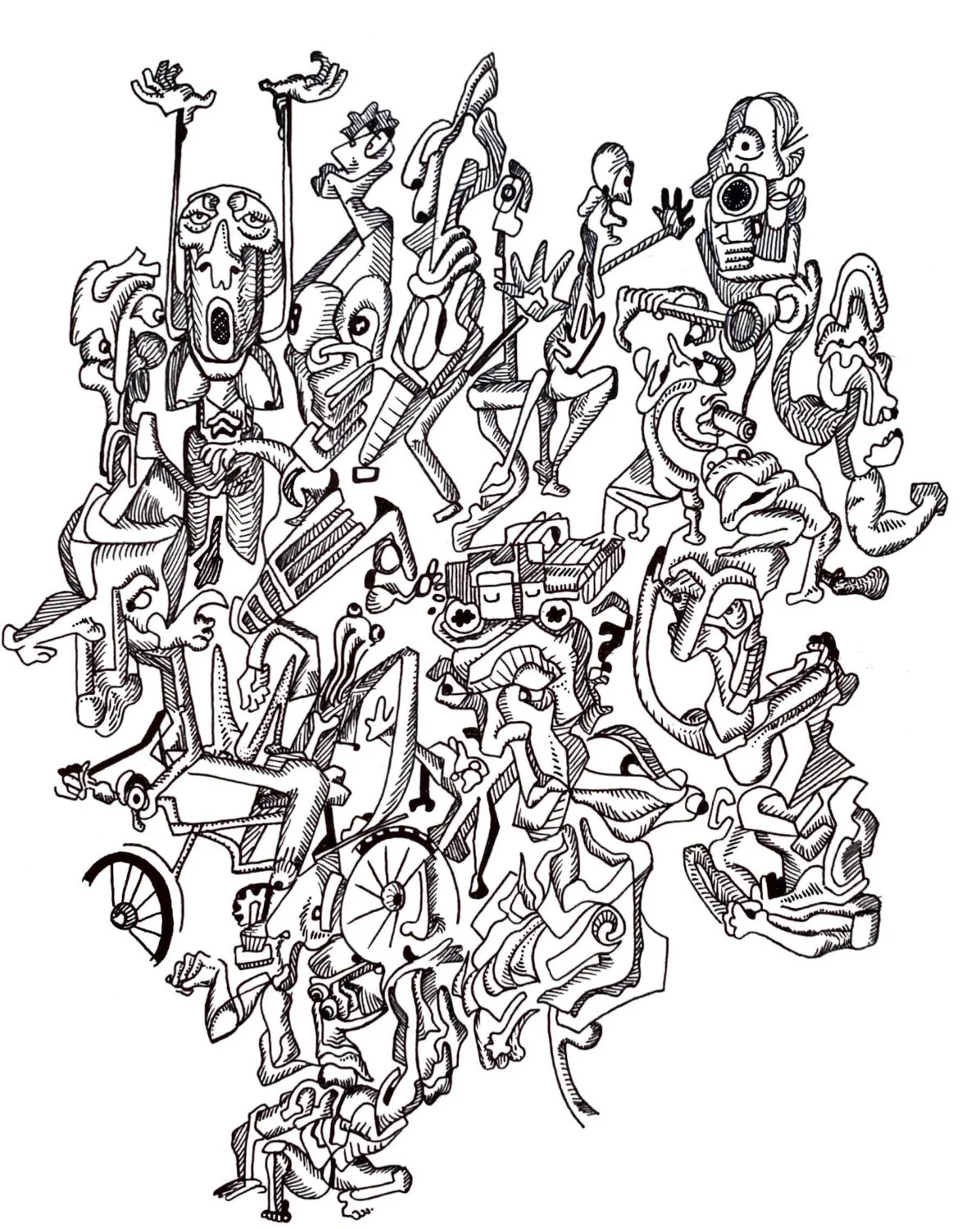
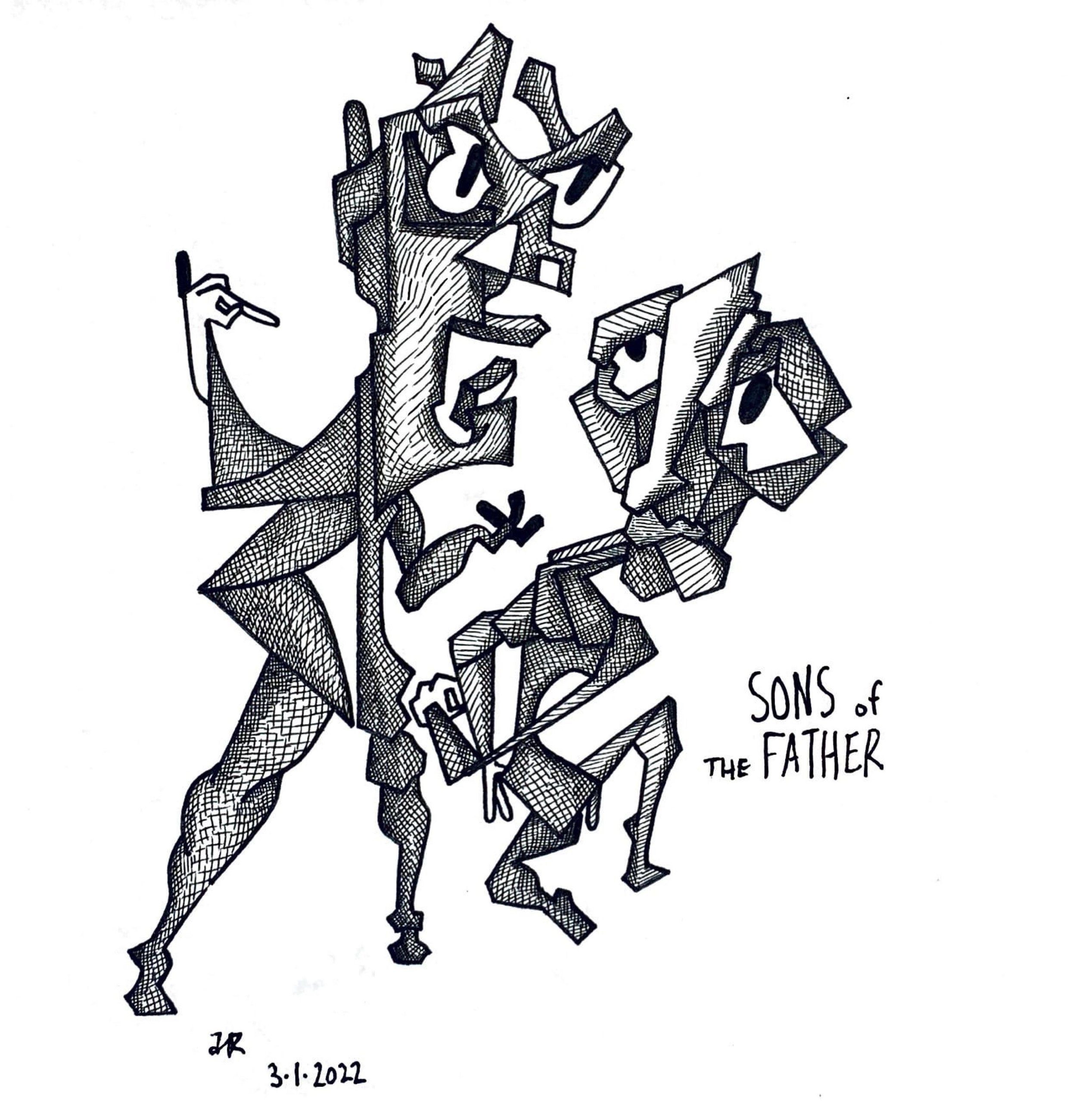
My drawing style, somewhat illustrative, hasn’t changed much over the past couple years, sans the emergence of new symbols— hands, arms, faces, genitals, breasts, tears, eyes, ears, legs, feet. (I never really think about the torsos).
I think of painting as an inherently inefficient process. There’s always waste—paint scraped off, brushes worn away, rags soiled—and a work’s progress is never linear or determinative. In contrast, my drawings tend to abide by a sort of design logic. I work from a slowly expanding library of symbols, which may warp or waver, but which feel as fundamental to me as the alphabet.
How did you become interested in art?
I went to an artsy pre-K school, and I usually think of early childhood as the happiest years of my life. I got increasingly anxious and depressed from around middle school onwards, and hit a low at the end of college, where I’d studied biochemistry and felt hopeless about a future in science or medicine. I drew in classes out of boredom, and then continued drawing after I graduated out of desperation. When I moved to Chicago in 2020 I started painting, very sporadically at first, then more and more consistently.
What inspires you?
In my early twenties the emotional palette I had handy with was clogged with grief, anxiety and depression. My father passed in 2022, and I sort of obsessively drew my way through the shock, anger and confusion of the year(s) that followed. Drawing, and later painting, made me feel safe and gave me a sense of control.
Lately I feel inspired by the artists and writers I know in Chicago, and of course, the many artists and writers I’ll never know.
Can you speak about your process?
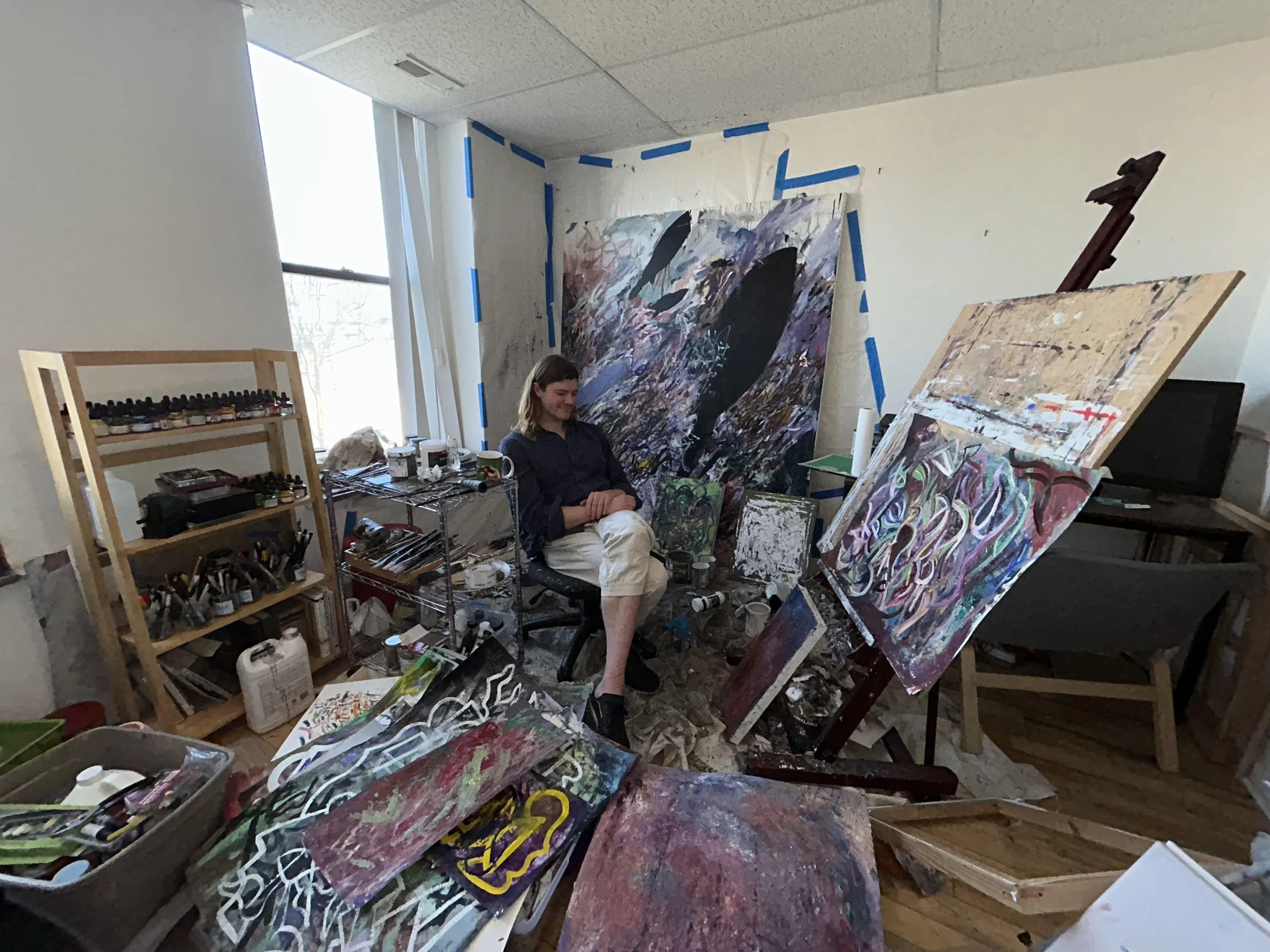
I draw almost every day, and often begin paintings with linework in a semi-figurative style that developed through years of anxious doodling. This never feels like an endpoint— not enough texture, colors too simple— so inevitably I work over the lines, winding up at some degree of abstraction. Sometimes I picture color interactions and try to realize them directly; other times I pull tubes from their storage tubs rapidly and apply paint without thought, mixing primarily on the canvas or paper. I sometimes use mediums (oleogel, cold wax medium, etc.) or thinner, but most often work with paint (oil, acrylic, enamel— rarely all three at once) as it is. I get most of my paint secondhand, and I’m excited by the natural variations in consistency of foraged supplies.
I think of layers of paint sort of as grass and weeds that I have to chop down every now and then, which I do with a palette knife, linocutter, xacto knife, or sandpaper. Sometimes I also play with acetone, bleach, and rubbing alcohol.
There’s a stage that almost all my paintings go through where they sit neglected and dead to me for some months in my studio. This usually comes after I’ve become overwhelmed or frustrated, and have covered a painting with a great wall of mud (whatever’s left on the palette) or gauged holes in it until it has fallen apart. I keep the scraps of destroyed paintings in garbage bags, and intend to memorialize them in collages someday.
I take a lot of pictures as I go, and a painting is done when its image says so. The object, mysteriously, doesn’t have much say in the matter. I sometimes return to images of paintings that I have covered over or destroyed and realize that they were done all along, or at least seem nice enough to share. I never feel like I’ve lost them, as long as I have their pictures.
Do you have any favorite artists, movies, books or quotes?
‘Art is the natural respiration of the healthy creative conscience.’ (I forget where this came from but I think about it often.)
Phillip Guston’s idea that a painter begins working in a crowded room, which slowly empties until it’s just them left in it, and then they leave the room too.
Elaine de Kooning’s idea that the artisan crafts the image and the artist makes the after-image
Herbert Marcuse’s definition of liberty as the comprehension of necessity
Amy Sillman’s distinction between painters and draw-ers.
And a few books that stick with me—
Childhood: The Phantom Tollbooth (Norton Juster)
Adolescence: David Copperfield and Great Expectations (Dickens)
College: Good Old Neon (David Foster Wallace) and White Noise (Don Delillo)
Post-college Early Twenties: Behave (Robert Sapolsky) and Godel Escher Bach (Douglas Hofstadter)
Mid-Twenties: Stoner (John Williams), 100 Years of Solitude (Gabriel Garcia Marquez)
Recently: The Unbearable Lightness of Being (Milan Kundera), The Society of the Spectacle (Guy Debord)