Yerang Moon
Brooklyn, NY
Website
www.moonyerang.com
Social Media
Instagram
How would you describe your work?
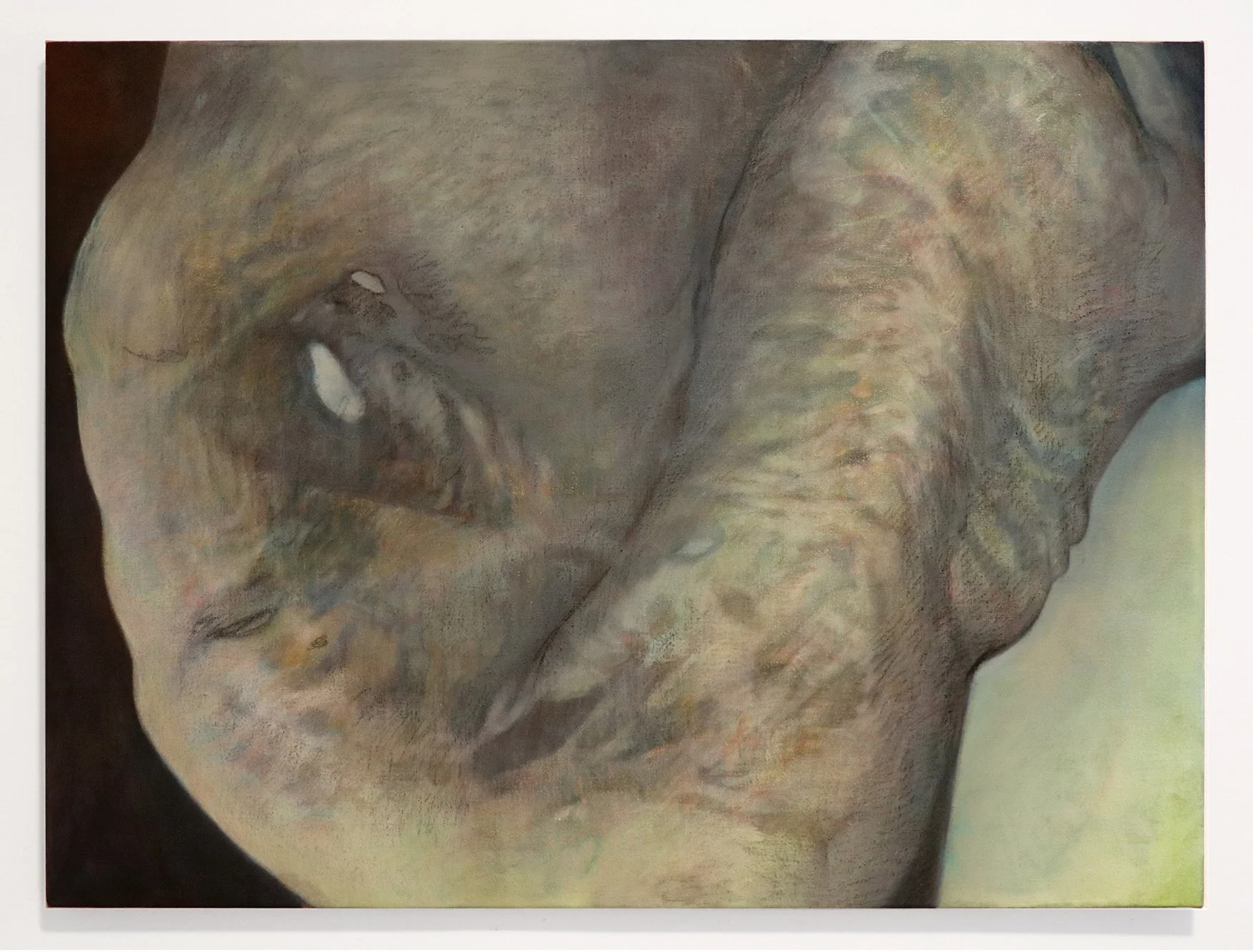
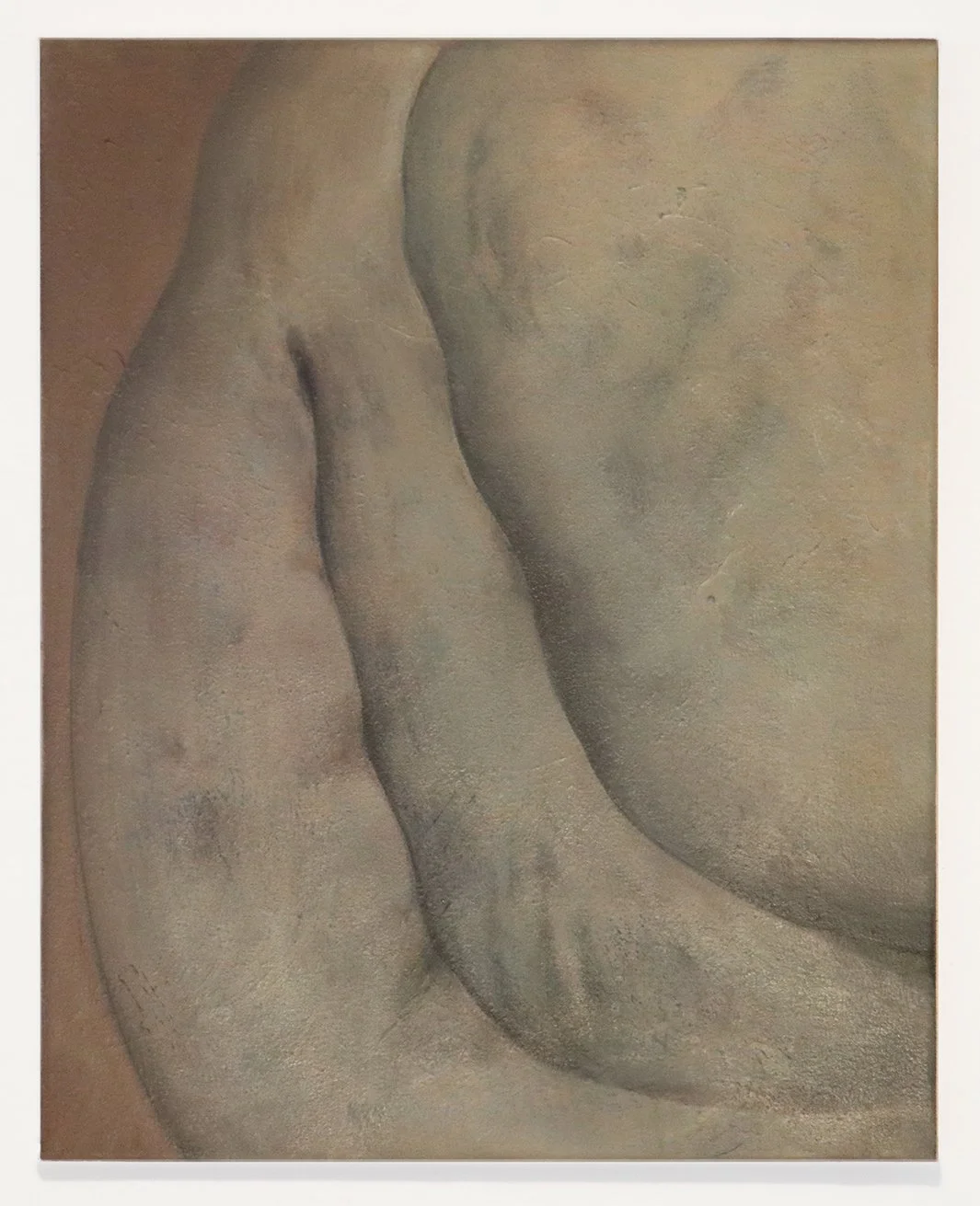
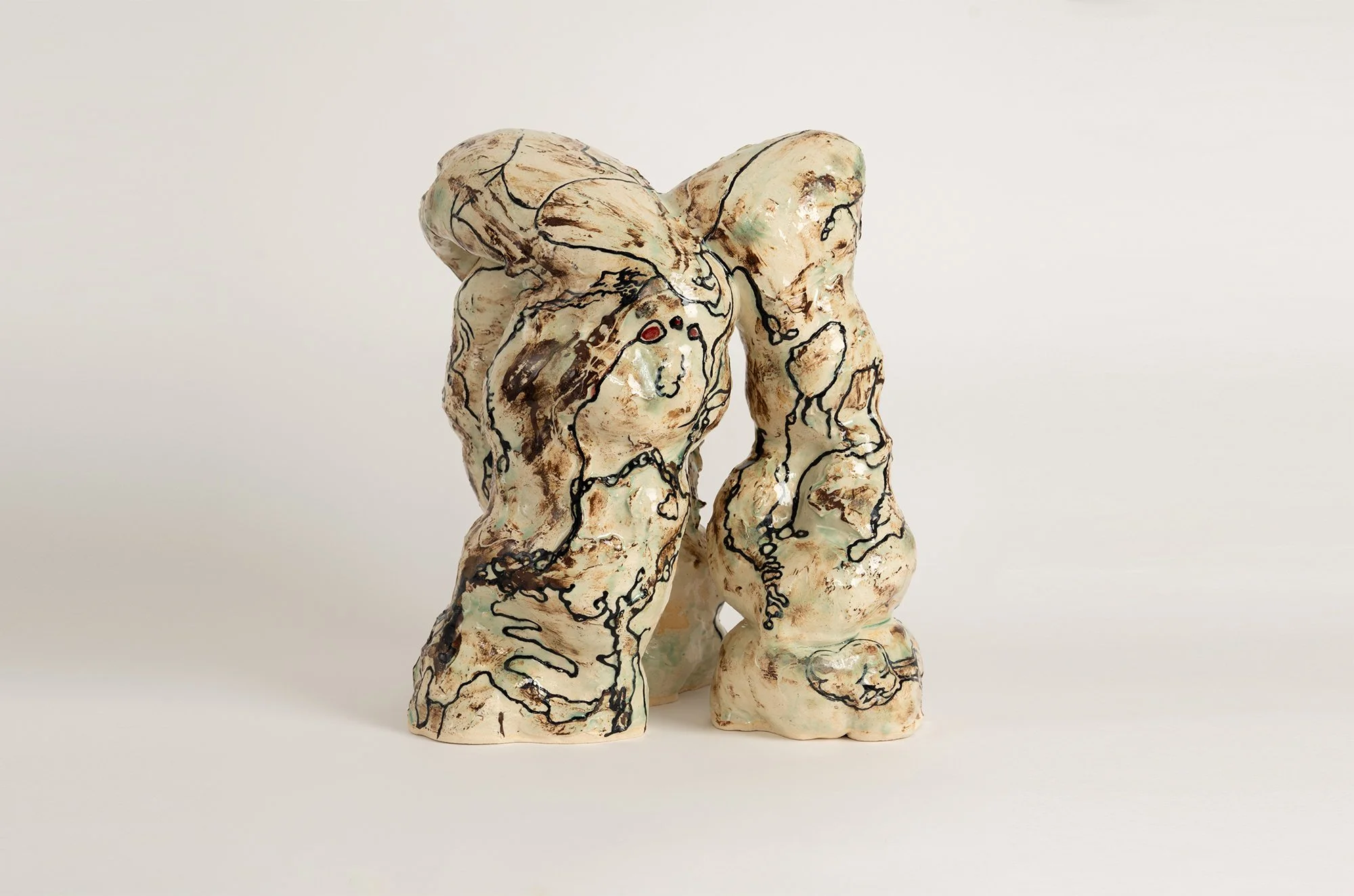
The body is a living archive of loss and renewal. Through paintings and sculptures, I create scenes filled with figures that are distorted, intertwined, and cropped so that they begin to resemble landscapes. Viewers reconstruct the body from this fragmented information. This gesture begins with a simple belief: full identification is not necessary to understand the dynamics of our existence.What makes us a living self? What allows us to distinguish ourselves from others?
The body holds countless unanswered questions. I see bodies as born from life yet existing simultaneously in states of presence and absence. My practice mirrors this contradiction.
Boundaries dissolve in my work - between object and space, hollow and full, self and other, and any identifiable age, gender, or relationship. Figures exist without markers of identity, allowing anonymity to become a central visual language. This anonymity links bodies with landscapes, inviting viewers to reconsider the body not as a fixed form but as a dynamic site where identity, memory, and emotion originate, and furthermore as a site of inquiry into systems of distinction.
This anonymity links bodies with landscapes and invites us to reconsider the body not as a fixed form, but as a site of inquiry into systems of distinction.
What inspires you?
I am inspired by every moment. As someone shaped by relocation and shifting identities, I have often felt nomadic, searching for a name that truly belongs to me. A name holds something precious: the memory of the person who first gave it, the history that unfolds under it, and the dreams, ambitions, and also fears that will exist within it.
Whenever I arrive in a new city where no one knows me, I sometimes use a different name. It feels like glimpsing multiple lives within a single lifetime. No one can possess a word, but having a name allows us to. I like living among others through the eyes of an observer and it has deeply shaped my perspective.
It is difficult to define inspiration precisely because it exists everywhere, in small gestures, passing conversations, and any encounters. These moments accumulate within me. I make art because I must. What I witness and think must be rebuilt through my work, or it would remain unresolved. In the studio, I speak to my works. I ask them where they want to go, how they want to be seen, and what stories they carry. It is basically talking to myself. Through this dialogue, layering, covering, and revealing come naturally. These actions become ways of embracing uncertainty and allowing transformation to occur
Can you speak about your process?
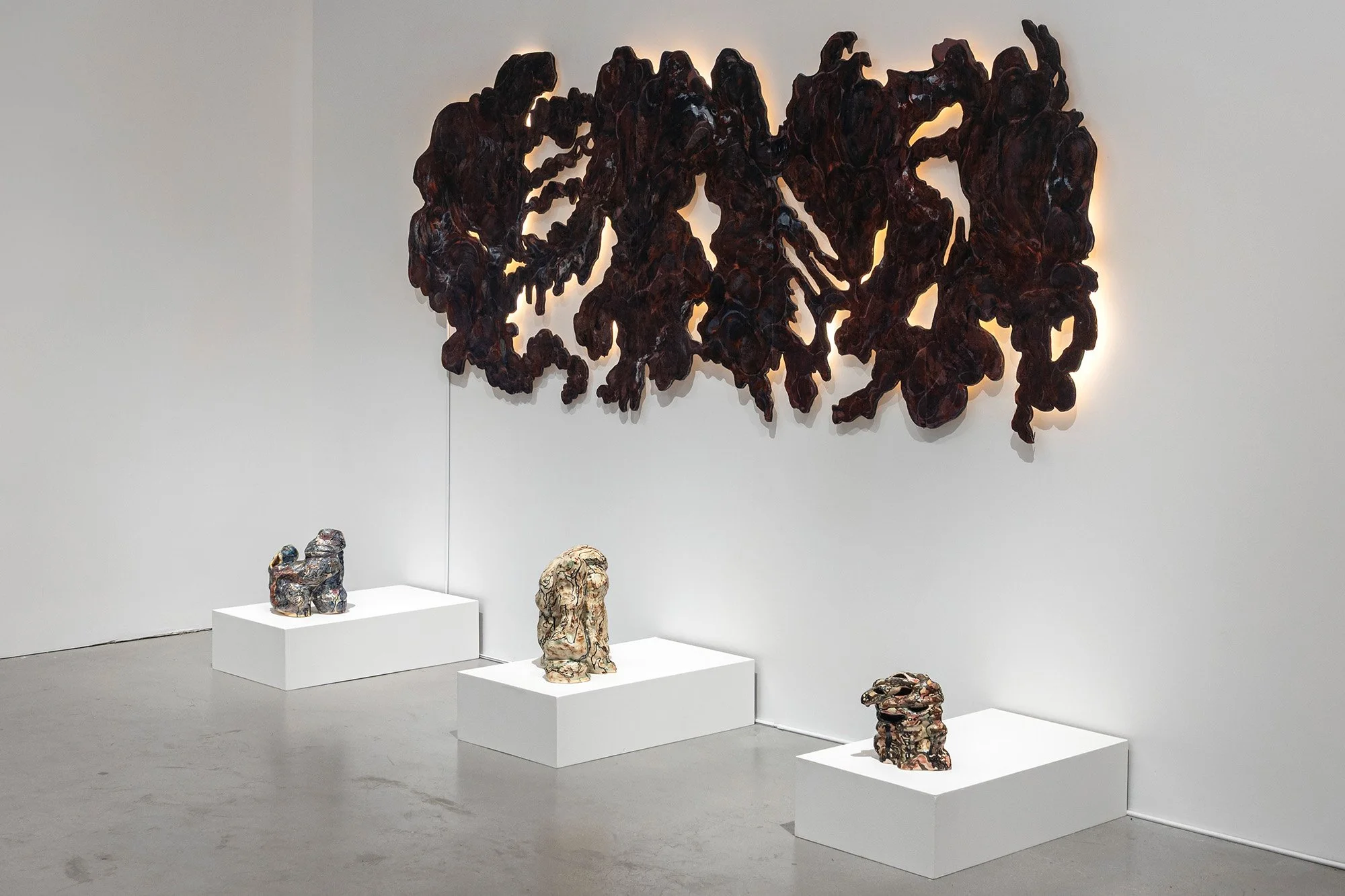
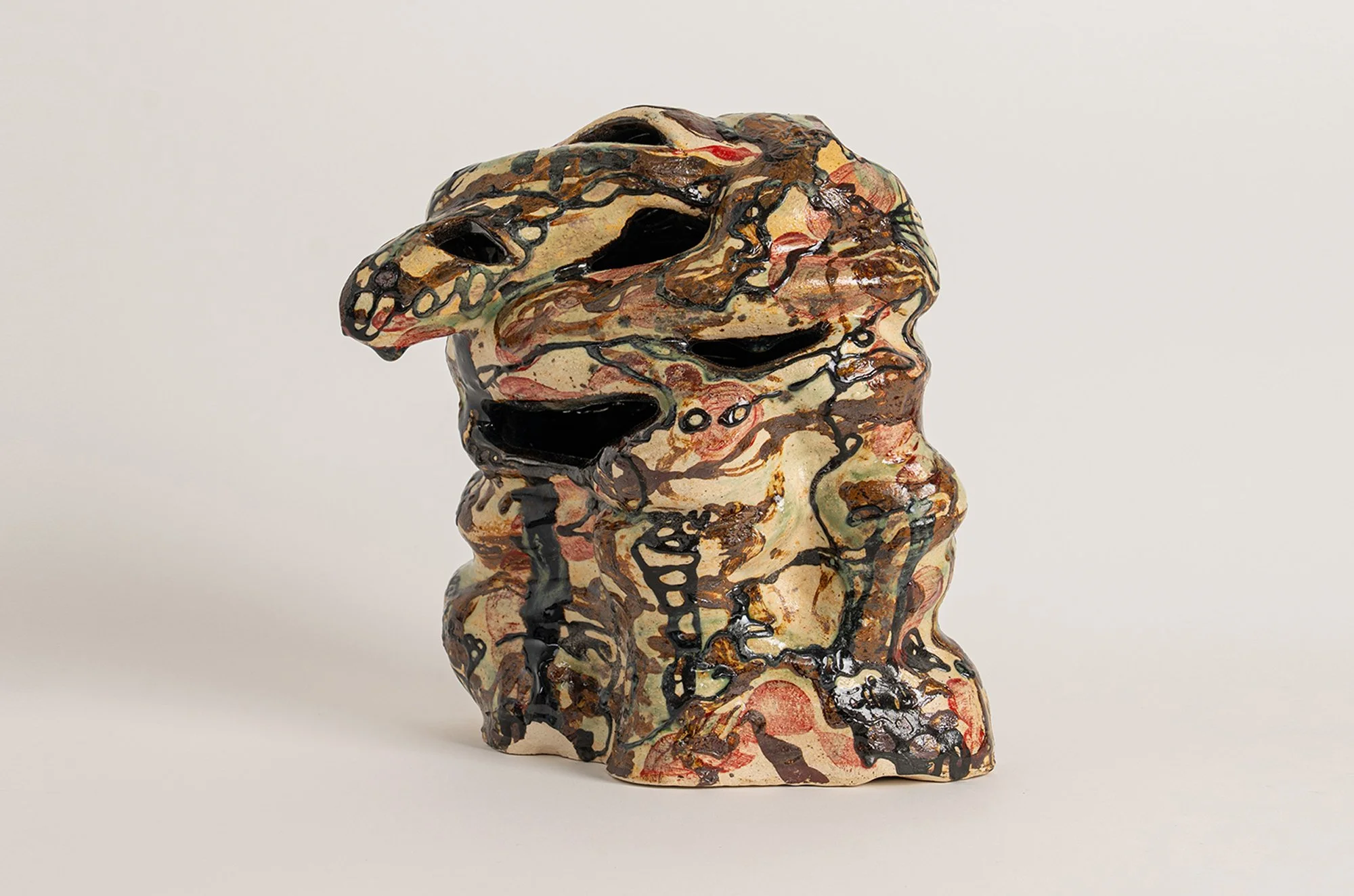
My practice always leads to something else. I paint to make sculptures, and while sculpting, I feel the urge to translate those forms back into painting. As a result, my paintings and sculptures exist in intimate relation.
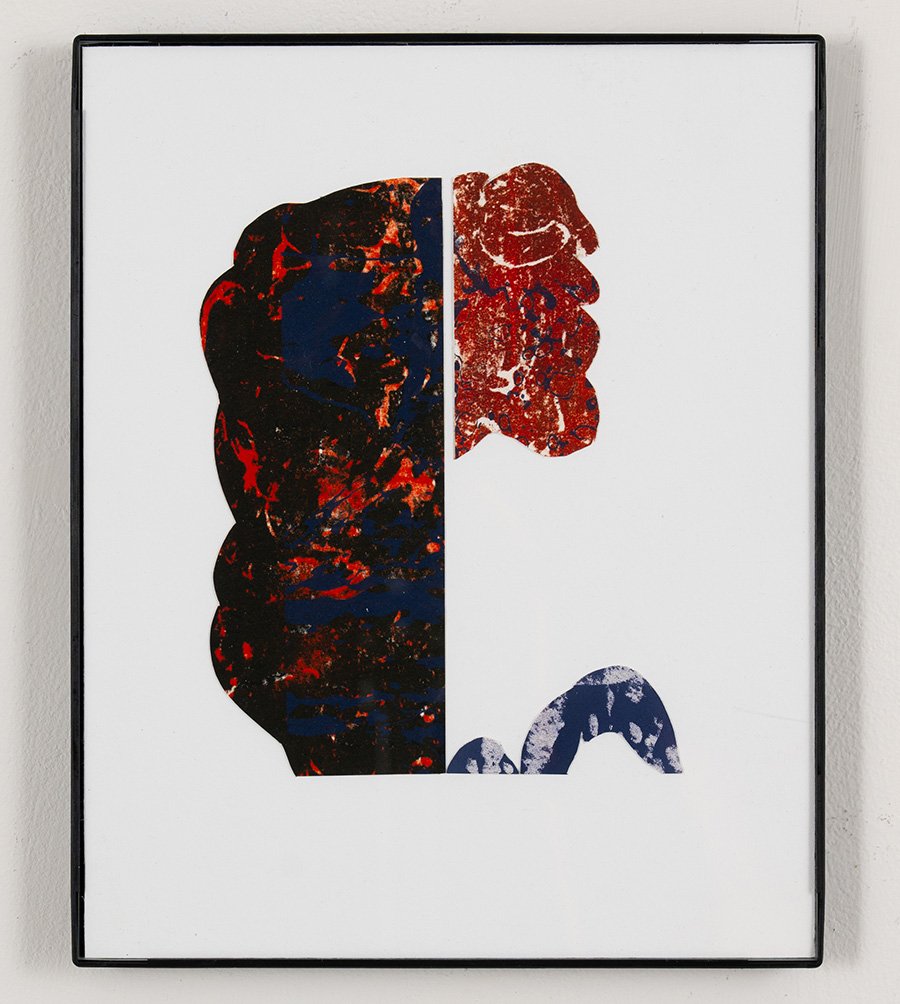
Influenced by my sculptural background, I treat painting as a physical process. One technique I developed is what I call the Fragmentation process. It was inspired in part by medical MRI images, which fascinated me because they reveal truthful information while withholding identifiable features.
In this process, I construct paintings in reverse. I build layers of paint mixed with sand on wood panels, accumulating thickness over time. Then I grind the surface down until traces of the first layer emerge. During this process, heat and pressure transform the material, revealing internal structures that resemble cellular forms. Each layer becomes a record of time, pain, healing, and lived experience. The final image becomes a portrait which is not of appearance, but of duration.
Most times, I tend to not use direct photographic references. Instead, I draw from memory - the moments spent in unfamiliar streets, encounters with strangers, and time shared with loved ones. Without sketches, I let the work unfold until it reaches an unexpected resolution. The most personal experiences are then translated into a shared visual language.
How did you become interested in art?
From the first moment I remember, I have loved this. I was always drawn most strongly to making objects by hand like drawings, and forms that could physically remain.
I never feel exhausted by creating. Each work causes and generates the next. Even when a piece appears complete, I believe it continues to grow through time, through the memories and emotions viewers bring to it. Art allows us to swing between the individual and the collective. It expands our perspective outward toward shared experience, and then returns us to ourselves. This silent transformation continues to captivate me.
Do you have any favorite artists, movies, books, or quotes?
The films of Alejandro Jodorowsky have had a lasting impact on me, particularly Santa Sangre (Holy Blood, 1989) and La montaña sagrada (The Holy Mountain, 1973). Andrea Fraser’s performance Museum Highlights: A Gallery Talk (1989), and the novel Histoire de l'œil (Story of the Eye, 1928) by Georges Bataille are remarkable. There are many others, and the list continues to change, but these works always remain at the top.