Nick Dridan
Pyrenees Region, Victoria, Australia
Website
www.ndridan.com
Social Media
Instagram
How would you describe your work?
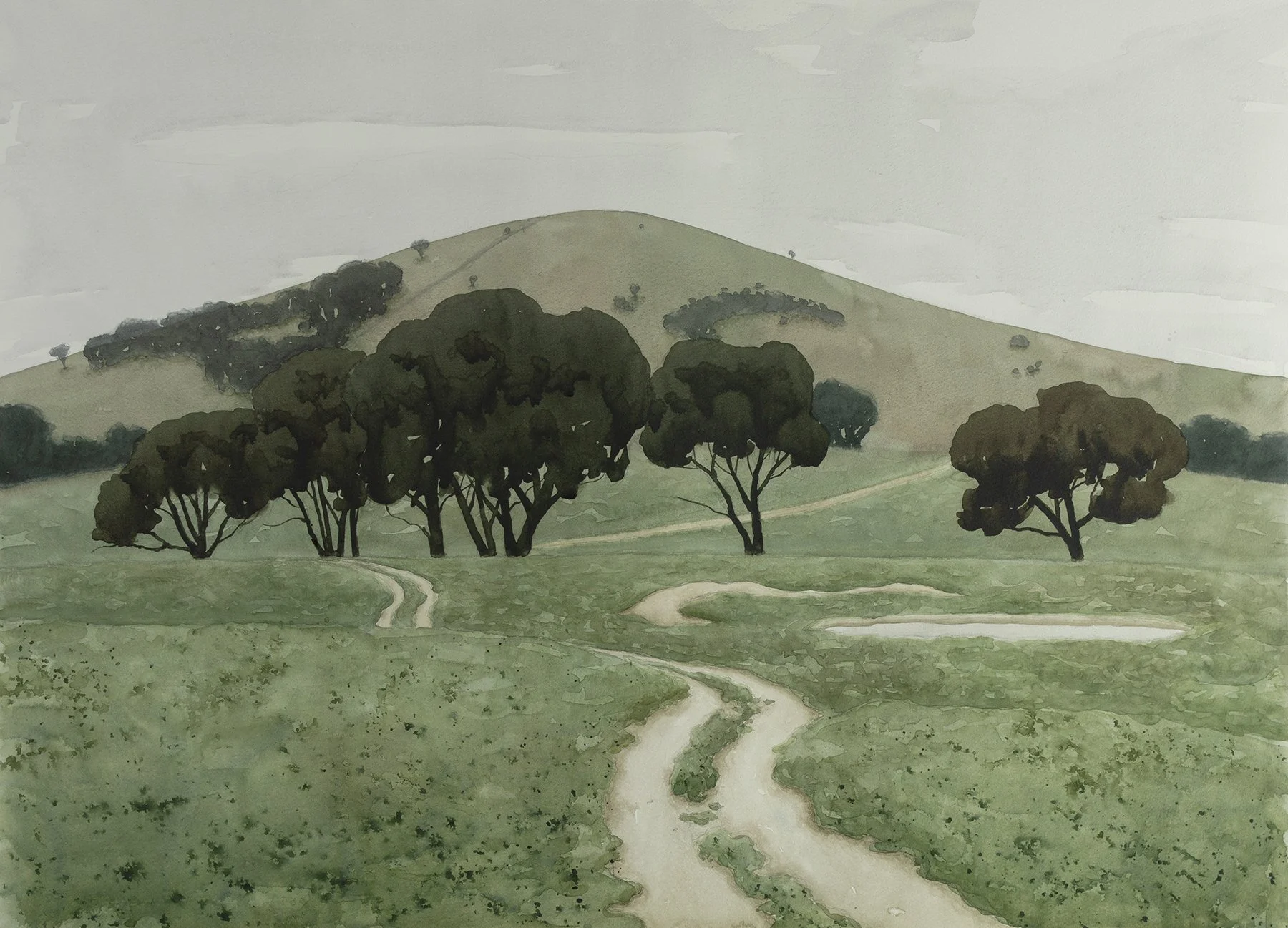
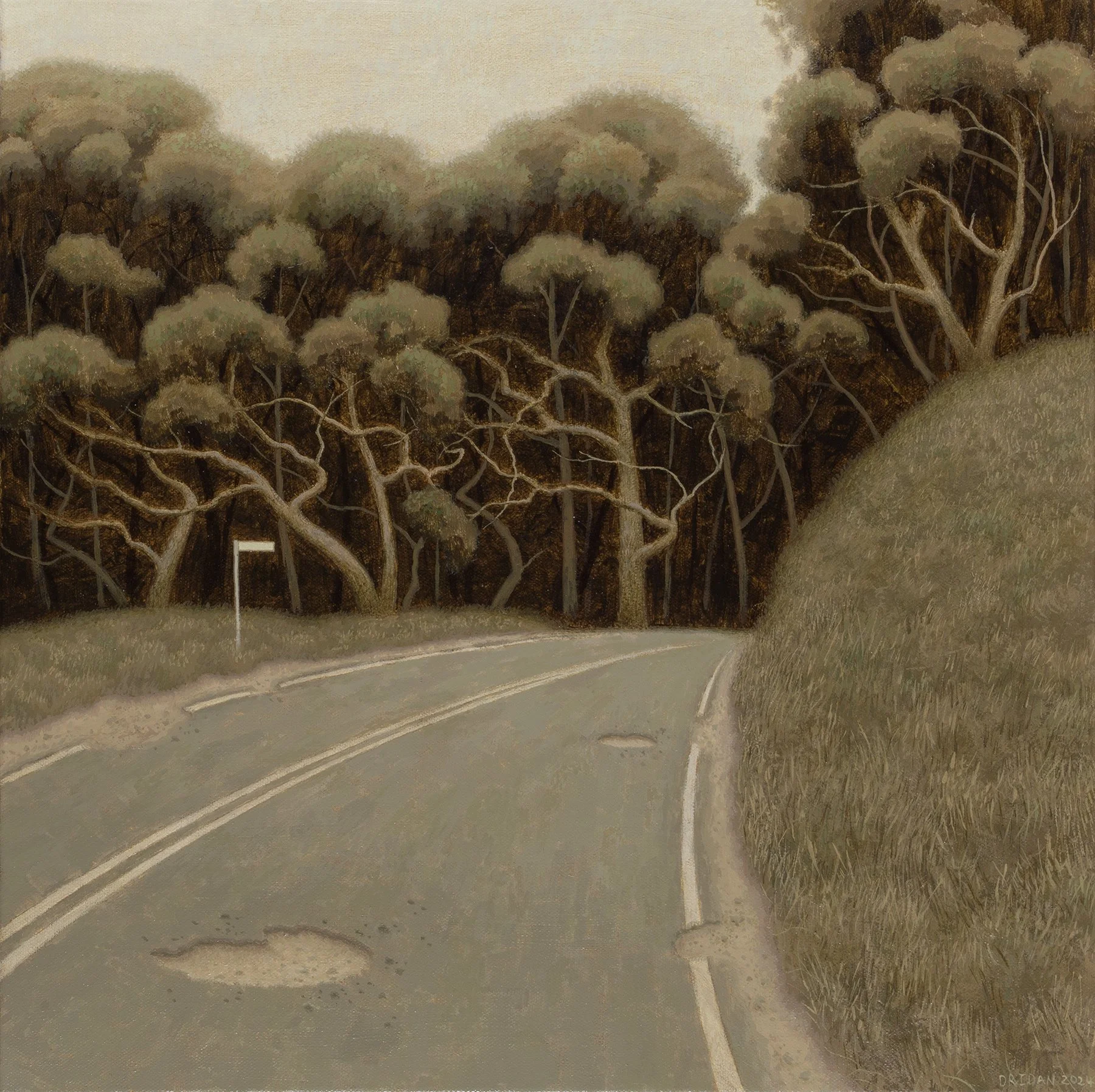
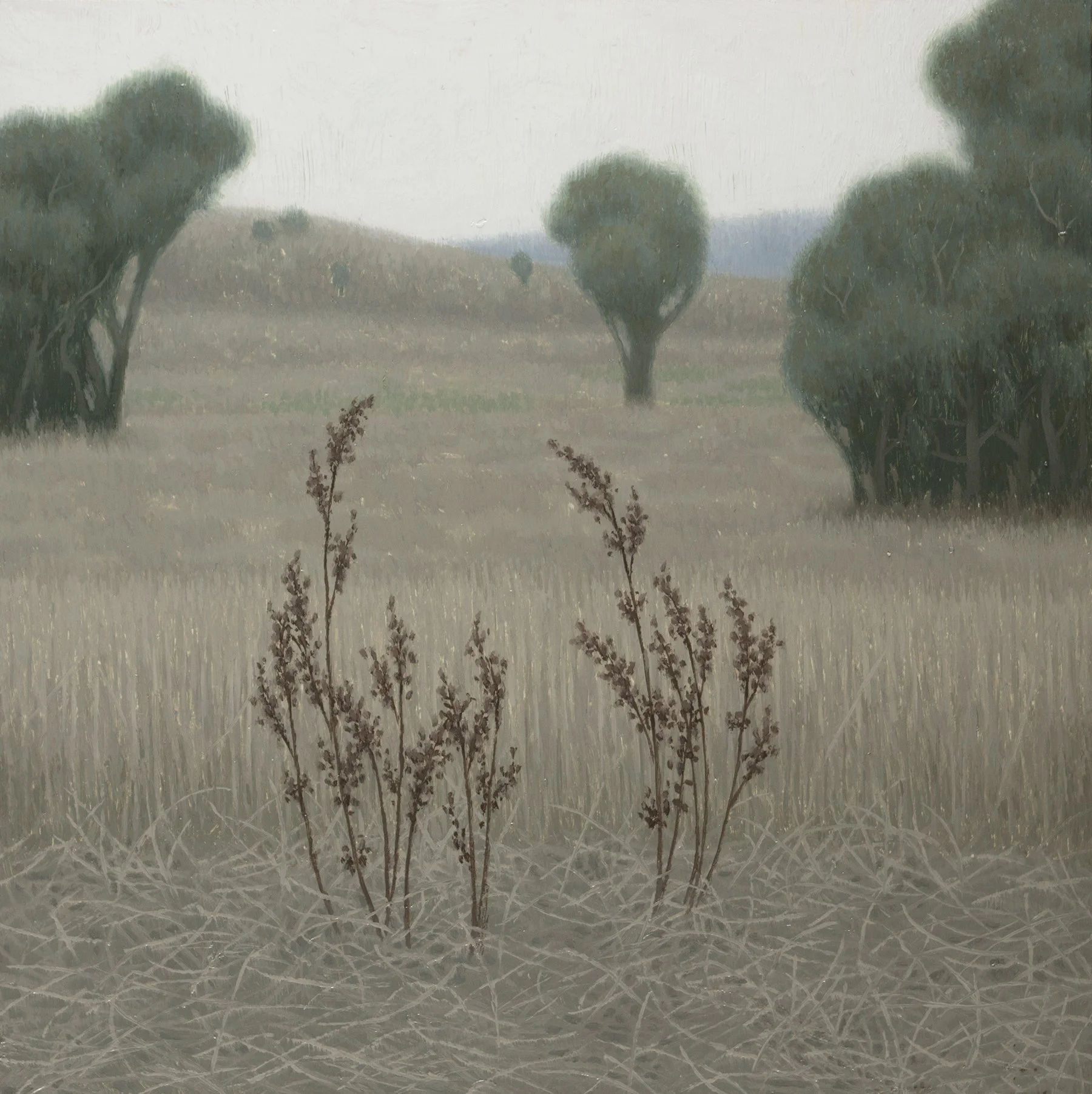
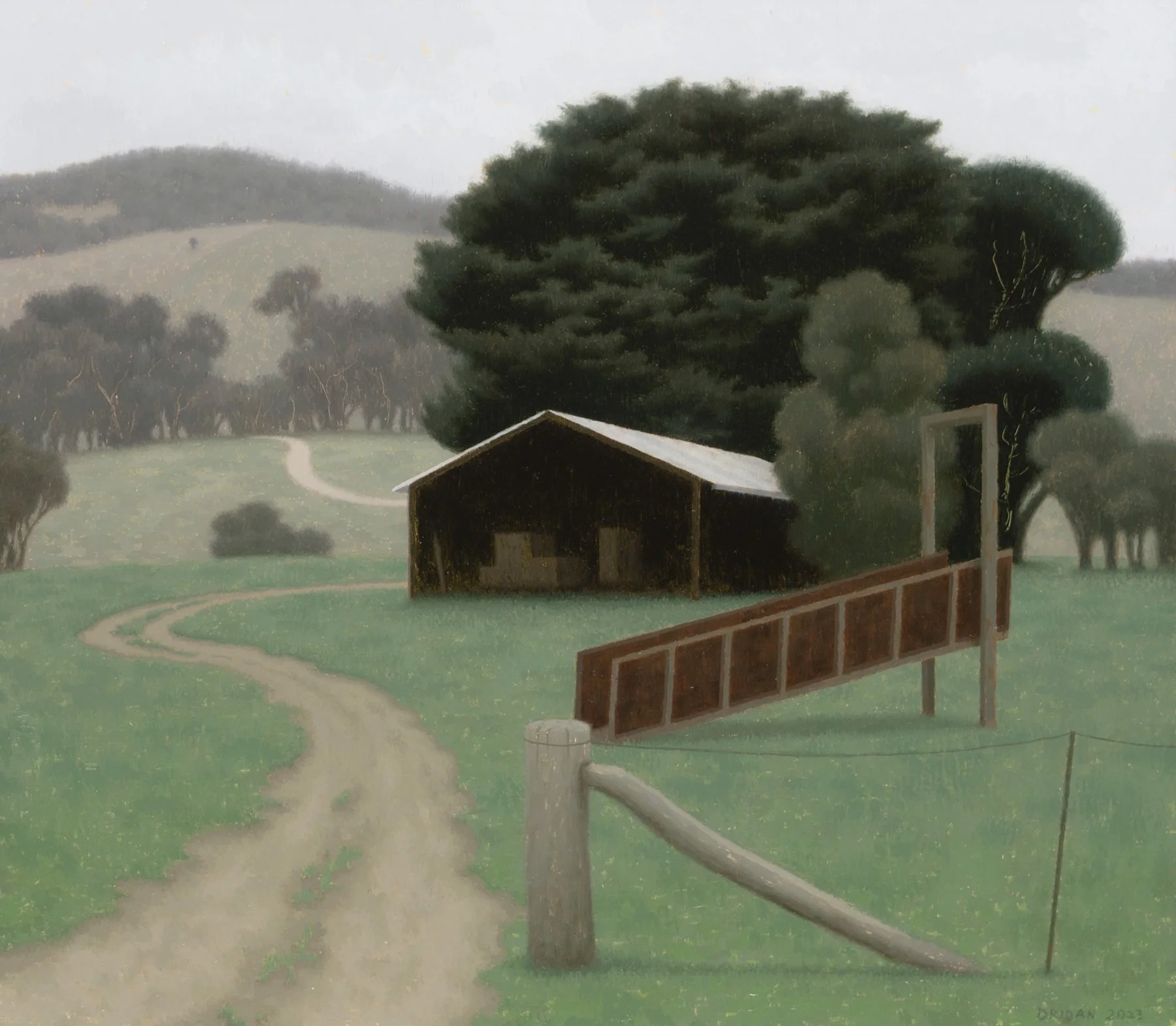
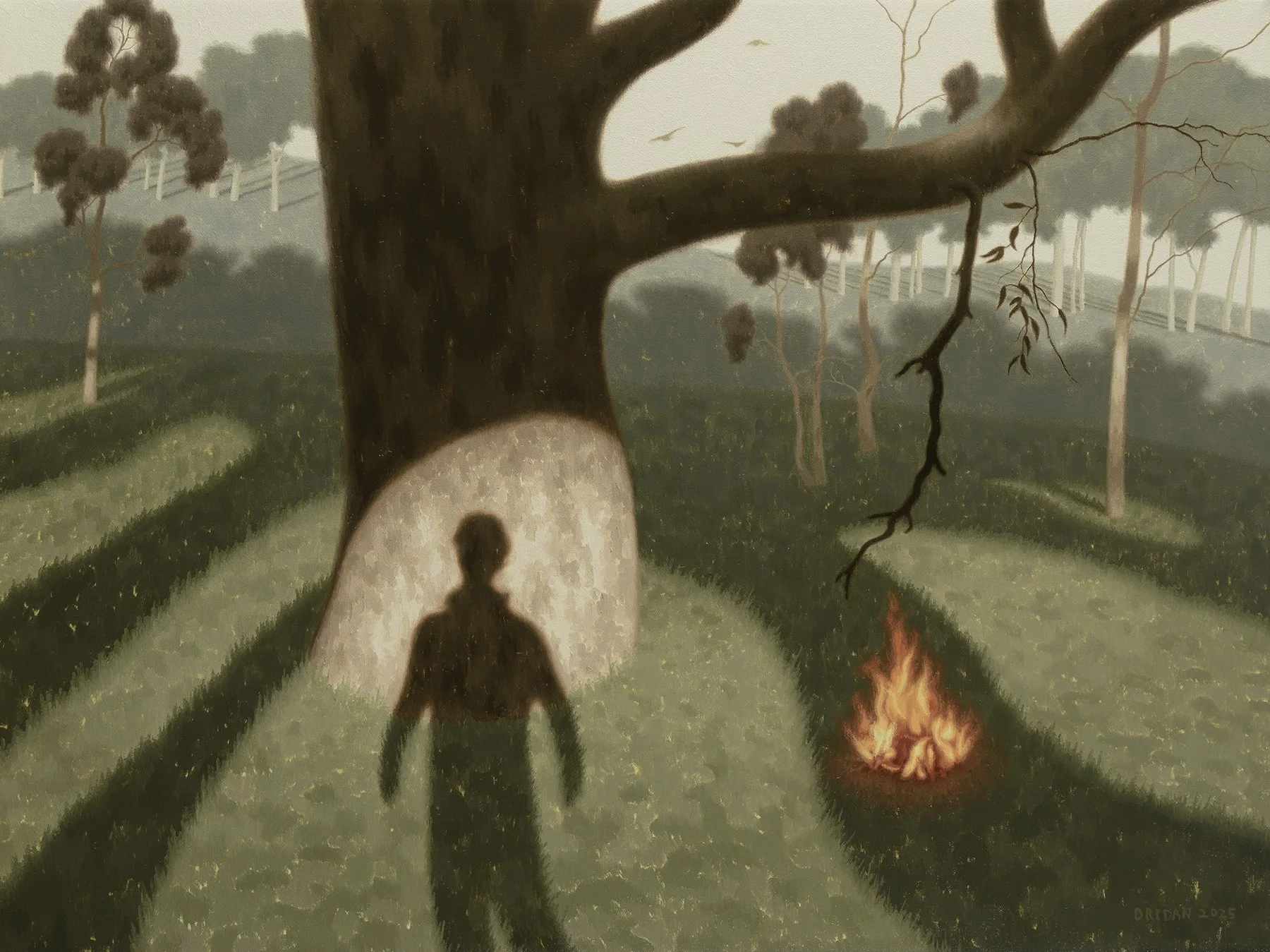
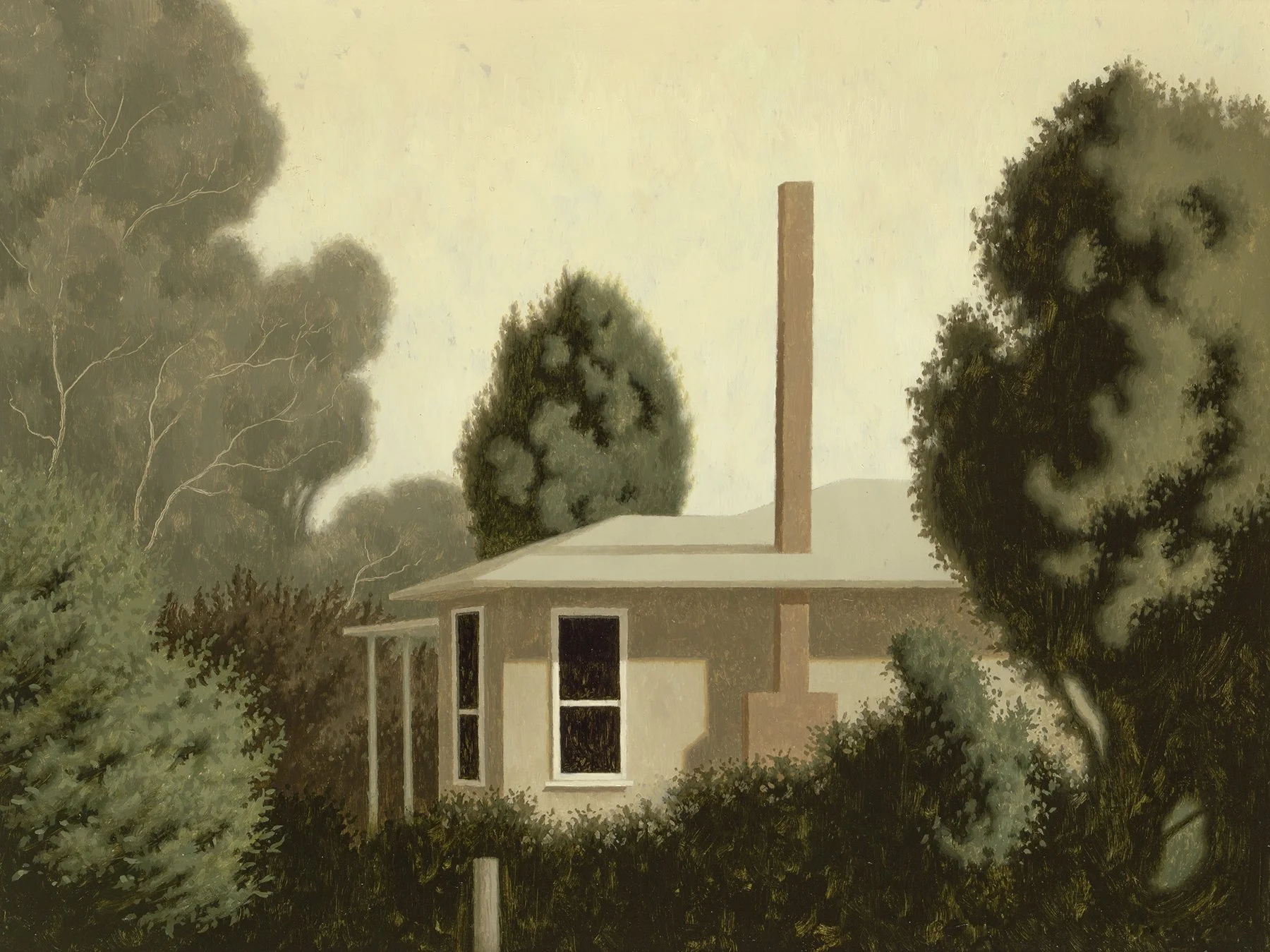
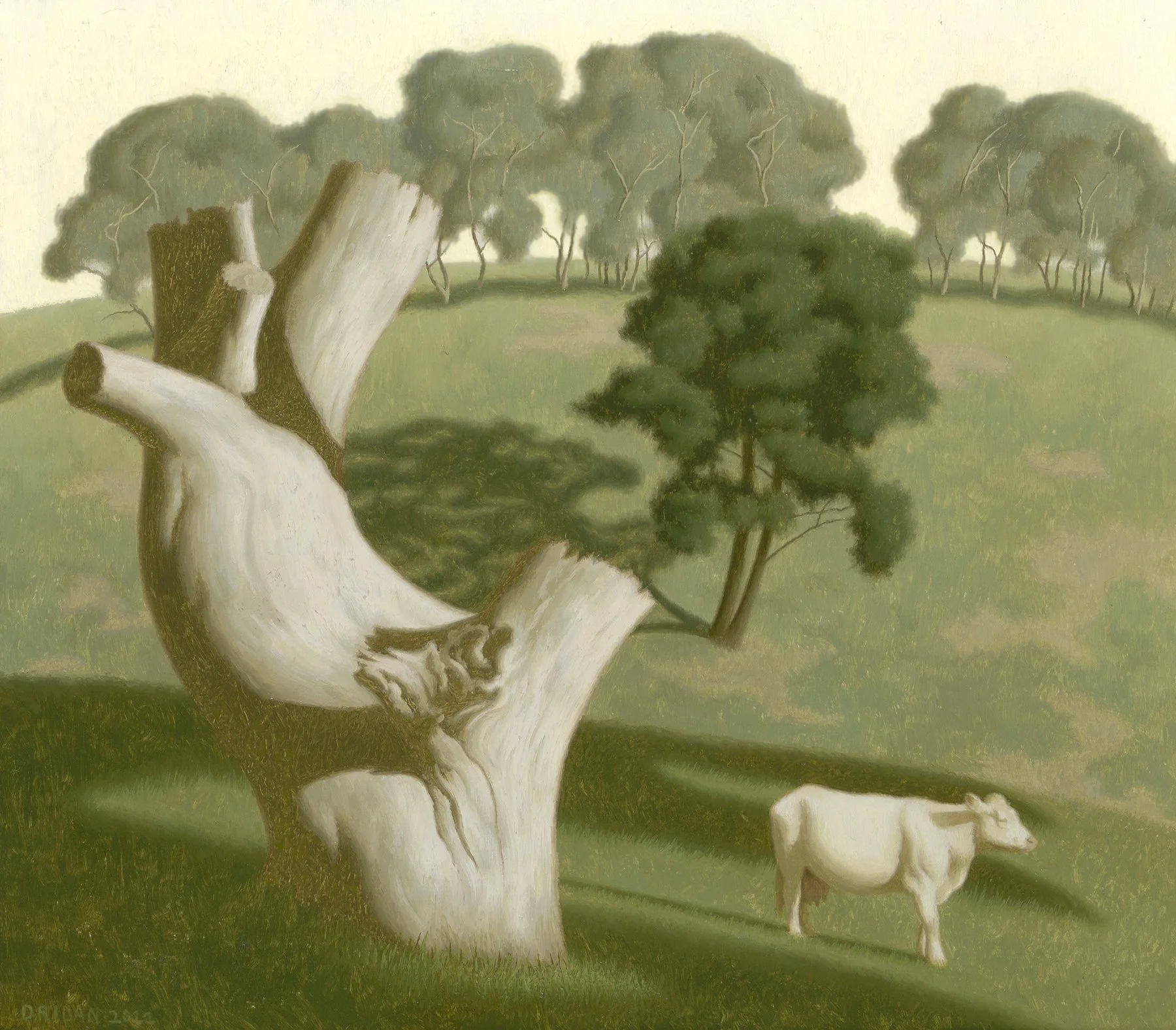
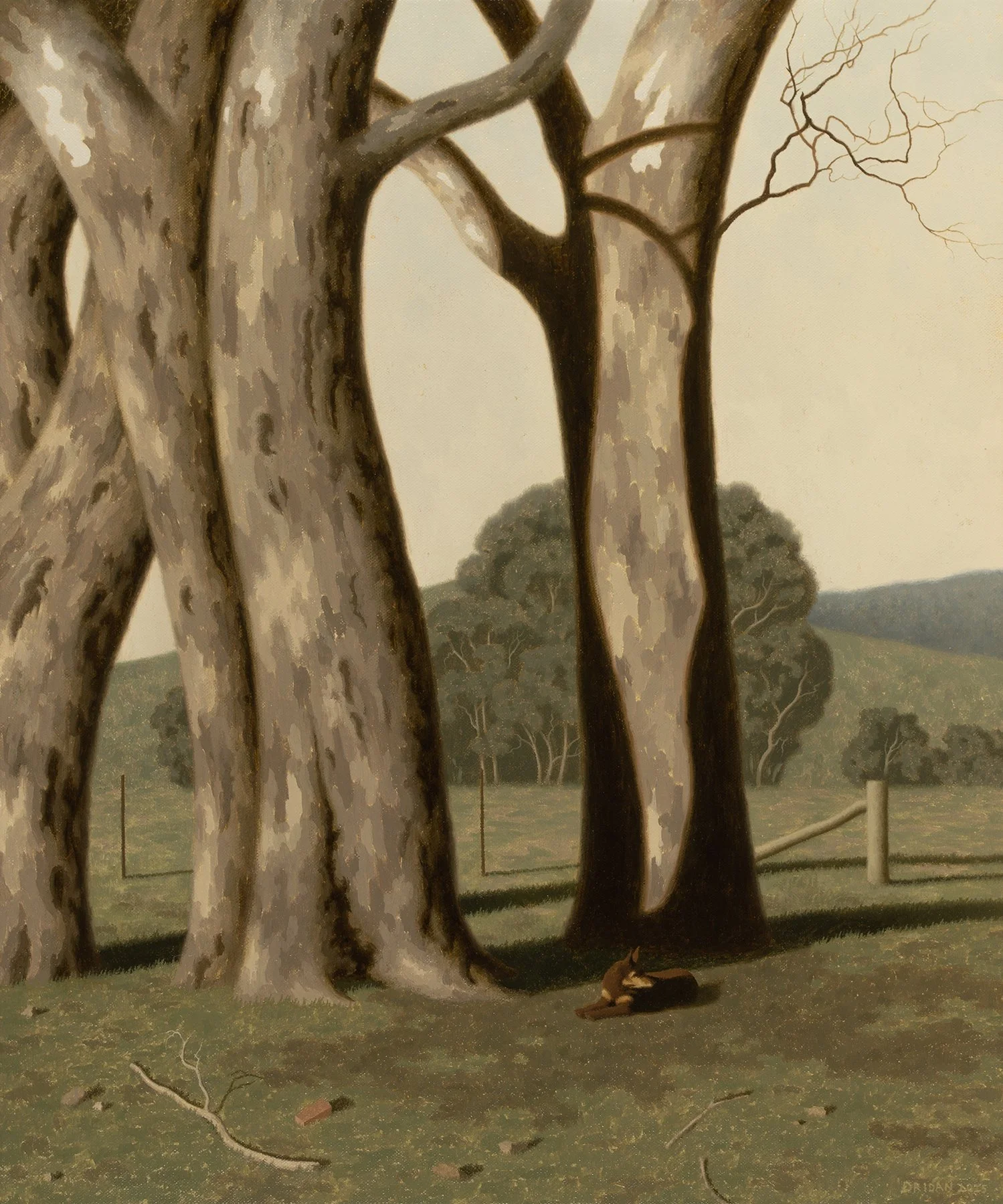
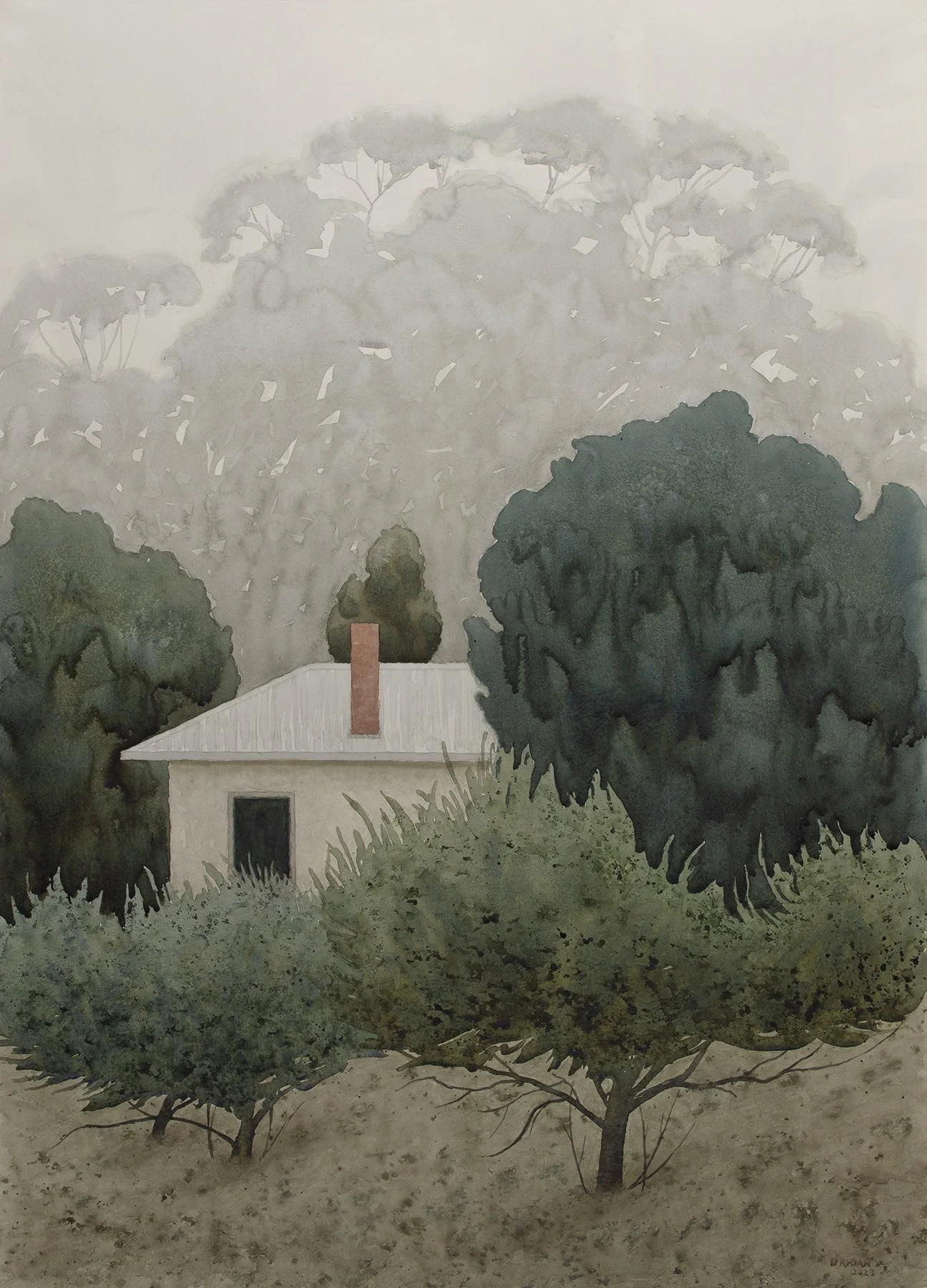
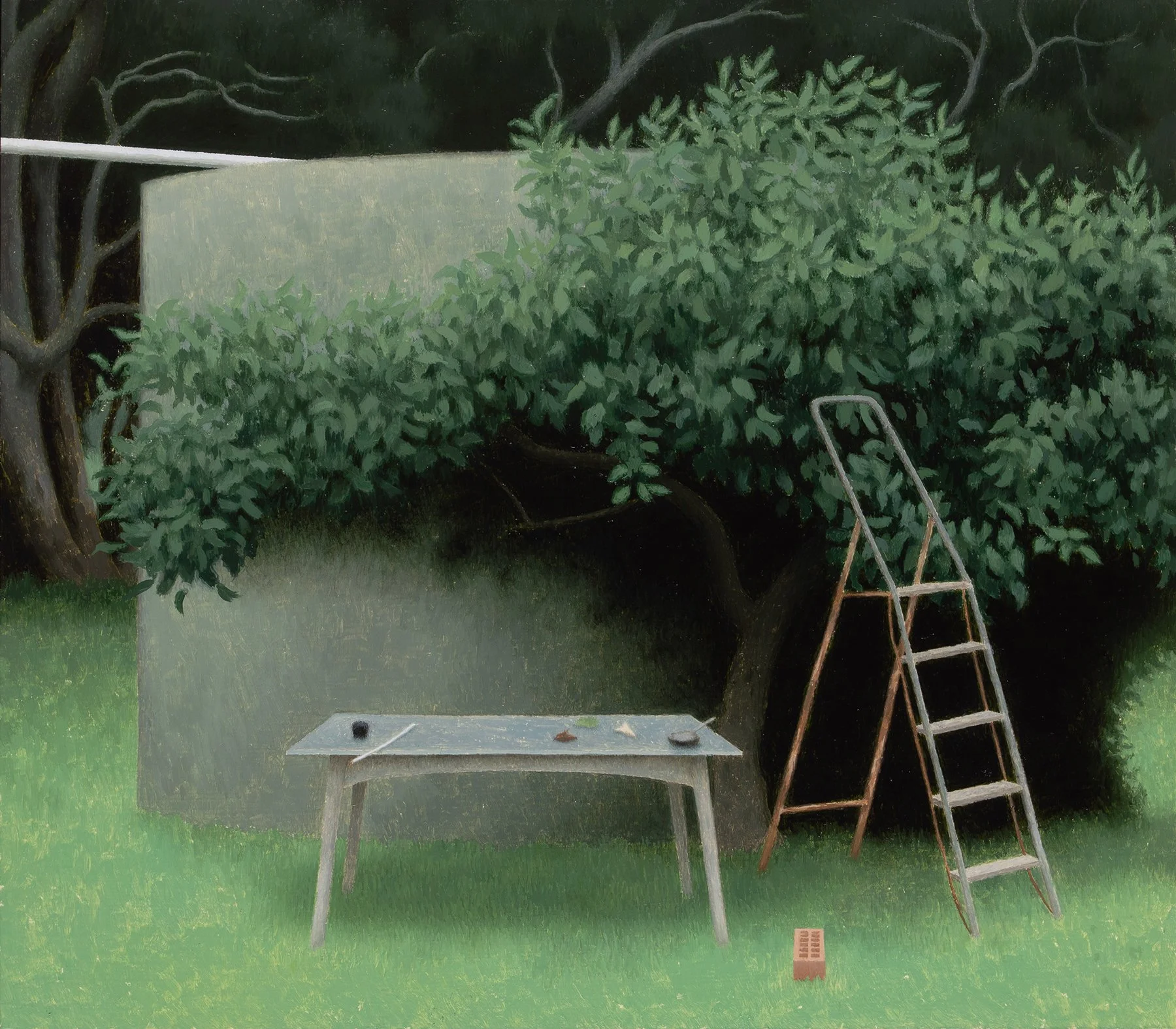
I make paintings mainly with watercolour and oils and I guess I could use "landscape" as a broad term to cover most of what I paint. I draw my inspiration and motifs from a rural farming environment where I grew up and have also lived on for many of my adult years. My paintings are part real and part imaginary and it's rare for me to paint a scene as I saw it. I prefer to let my mood and thoughts influence the direction of the painting when working on it in the studio. The resulting images can have a slightly odd or dream like quality.
What inspires you?
Many things inspire me, but generally I get inspired by purely visual things. This could either be something I've seen in the landscape, or a visual idea in my head that doesn't really have any conceptual ideas attached to it. I tend to be interested in unusual forms or shapes and how I can arrange them into a satisfying composition. Other times I can get a visual idea from a paragraph in a book, a line in a song, a scene in a movie or other source. My sources of inspiration are broad.
Can you speak about your process?
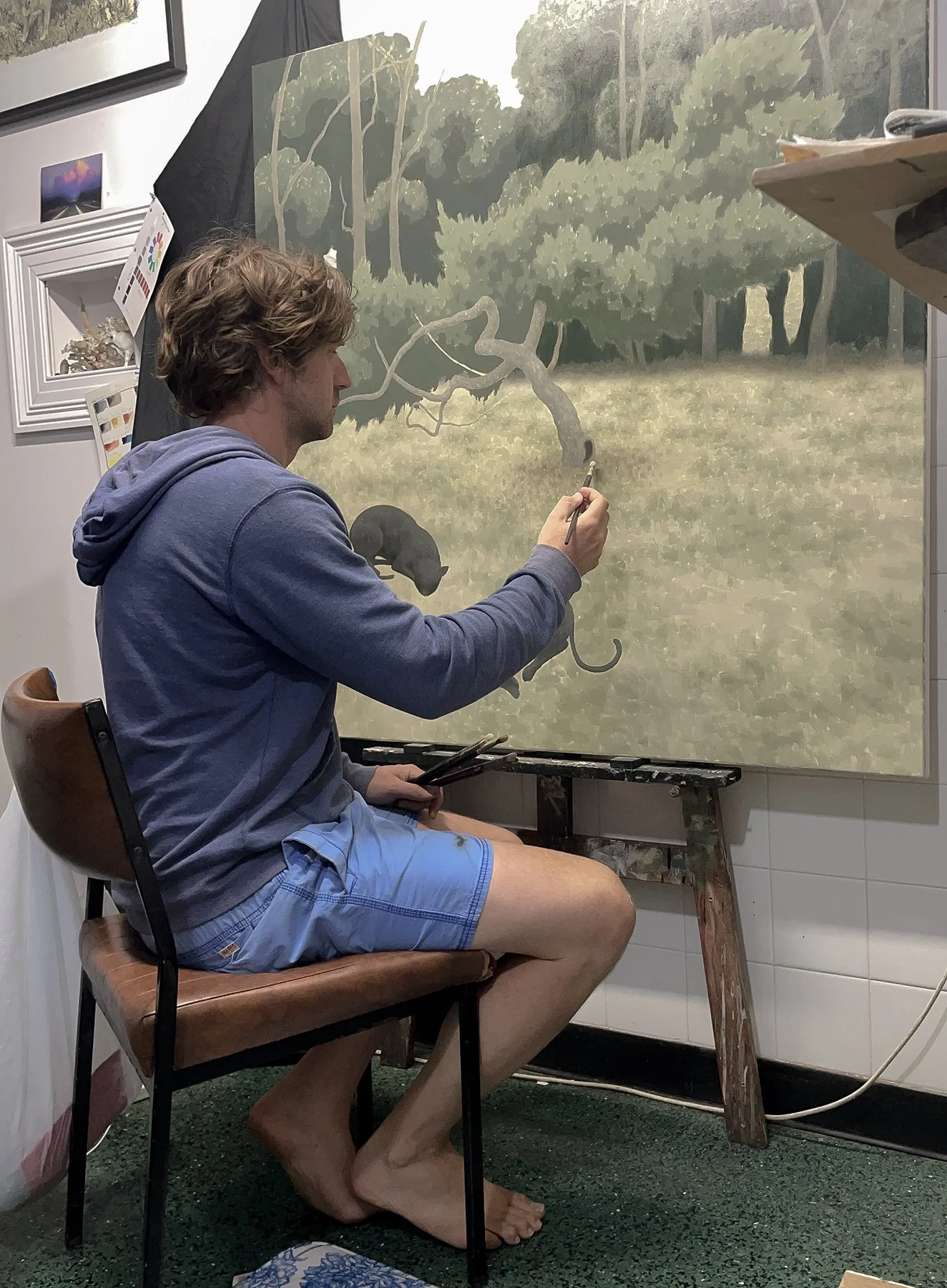
My process involves a lot of preliminary work before I make a "final" painting. This usually begins with quick little thumbnail pencil sketches of compositions, then I will do small studies in watercolour or oil. In these small studies, I try to get the layout of everything where I want it and figure out the colours I will use. I then use those to inform the final painting, although there is usually slight variations in the final work. I also make digital studies which I crudely paint in photoshop, this is less satisfying than physical painted studies, but it can be much more efficient in terms of getting to a refined idea quicker. I use a fairly limited palette generally consisting of the primary colours- a red, a blue and a yellow (plus white for oil). I like to mix all my colours from these three because it forces me to mix more and get more interesting neutral or desaturated colours which I prefer over bright saturated colours. I like to be a bit quicker and experimental with watercolour, let the paint do it's own thing in different areas. Oil paint I use in a much slower, methodical and refined way.
How did you become interested in art?
I was always interested in drawing as a kid. I got into painting and art at about age 17, when I started to look at more Australian artists. There was a handful of paintings I remember looking at that really resonated with me, works which I found hard to pin down exactly why I liked them. I think this curiosity and mystery got me interested in exploring painting as a way to try and express my own ideas and feelings.
Do you have any favorite artists, movies, books, or quotes?
There is too many to list really. In terms of artists I tend to like looking at paintings that walk a line between real or figurative and imaginary. To me, many of the early Netherlandish painters fit this description, I love the otherworldly quality of their paintings. I like a similar quality in books and enjoy writers like Haruki Murakami, Cormac McCarthy. In recent years I've also developed an interest in eastern philosophy and spirituality in general and will often open books like the Tao Te Ching or the Dhammapada and read a few lines.
What advice do you have for younger artists?
I think there is so much information out there that it could be overwhelming to be a young artist now. My advice is to get some basic skills in your practice, but then find your own path. I think I probably went too far in this direction, wasted a lot of time trying to figure out basic things that a teacher or experienced artist could have helped me with. However, in my experience, spending time making mistakes and problem solving away from a teacher or mentor can actually be good for developing your own voice. So there is a balance there to get right.