Suzanne Nicholas

Brooklyn, NY
Website
suzannenicholas.com
Social Media
Instagram
How would you describe your work?
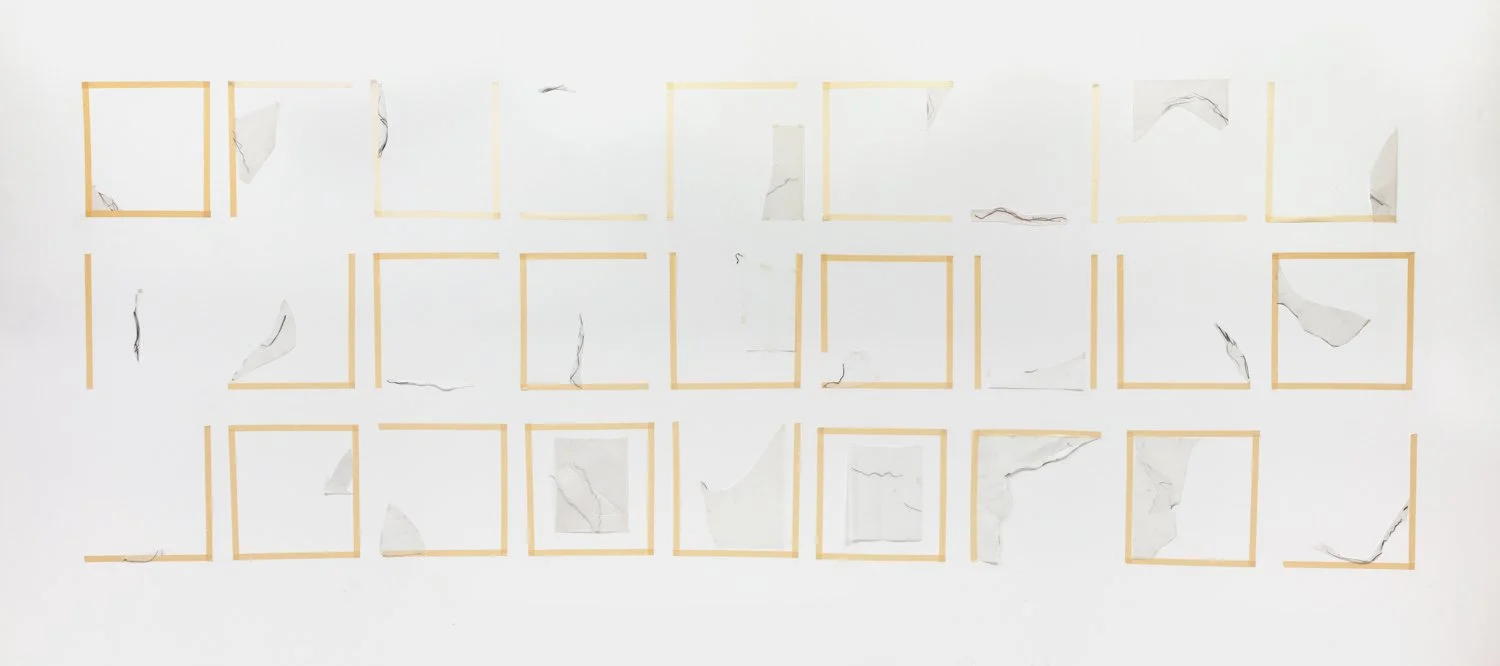
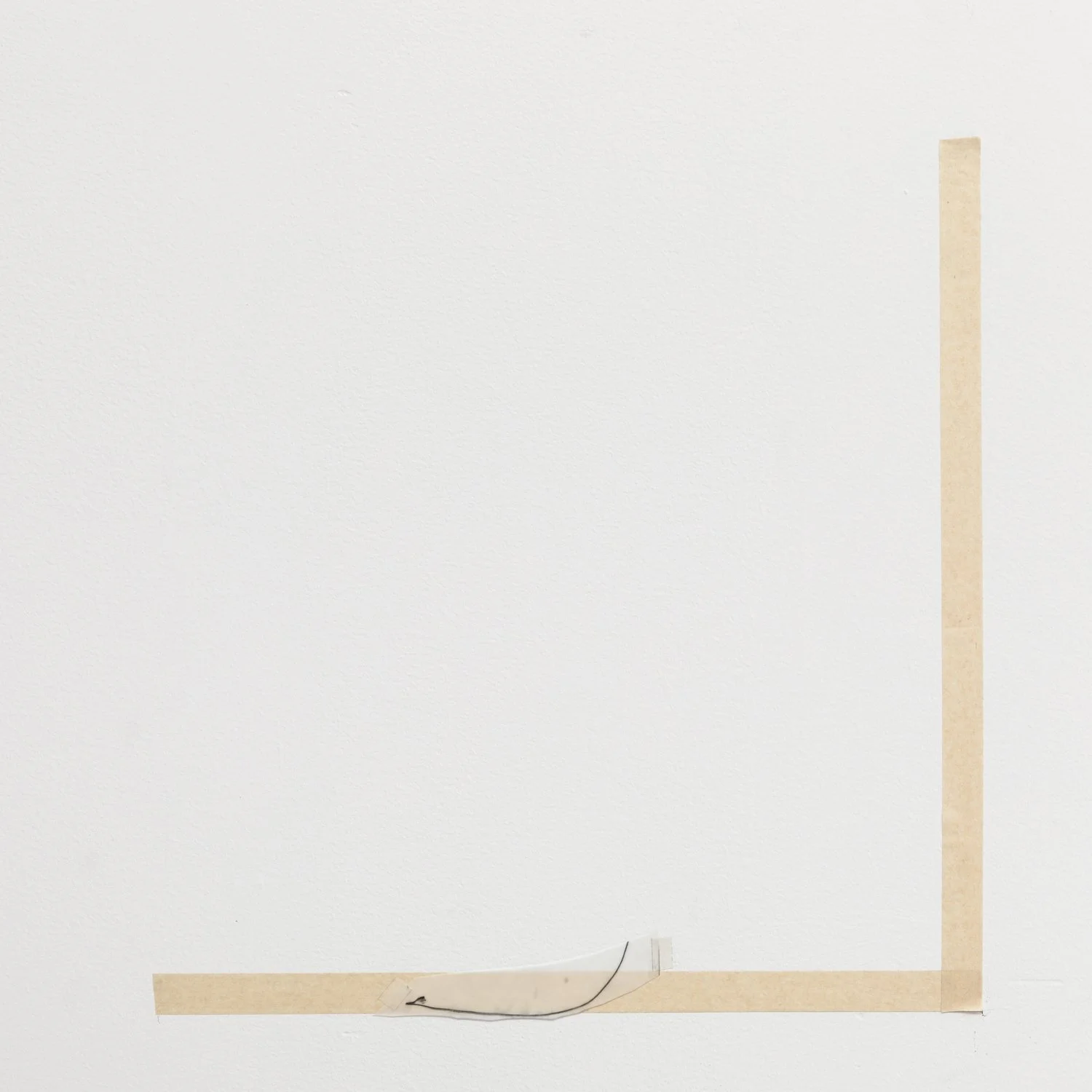
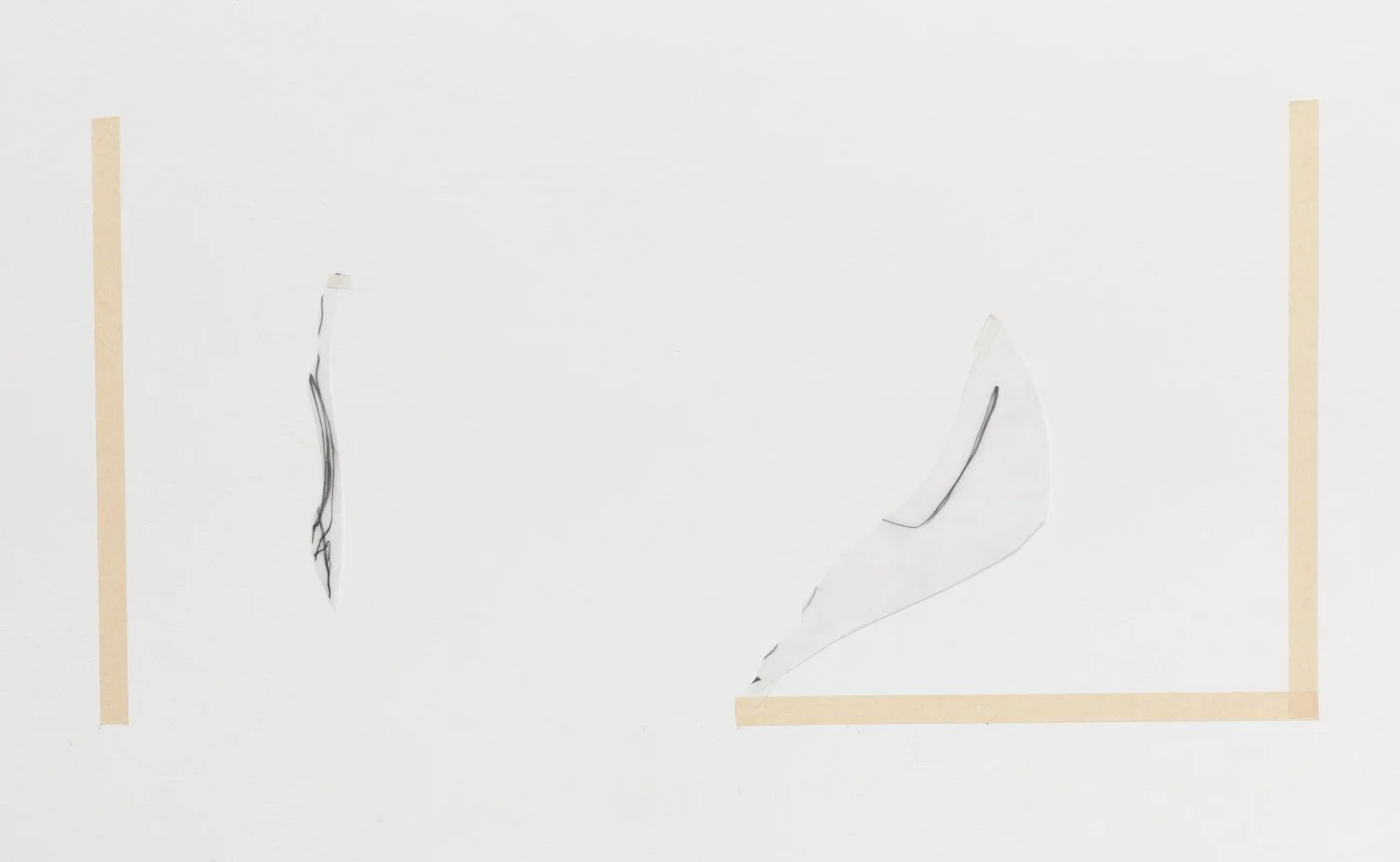
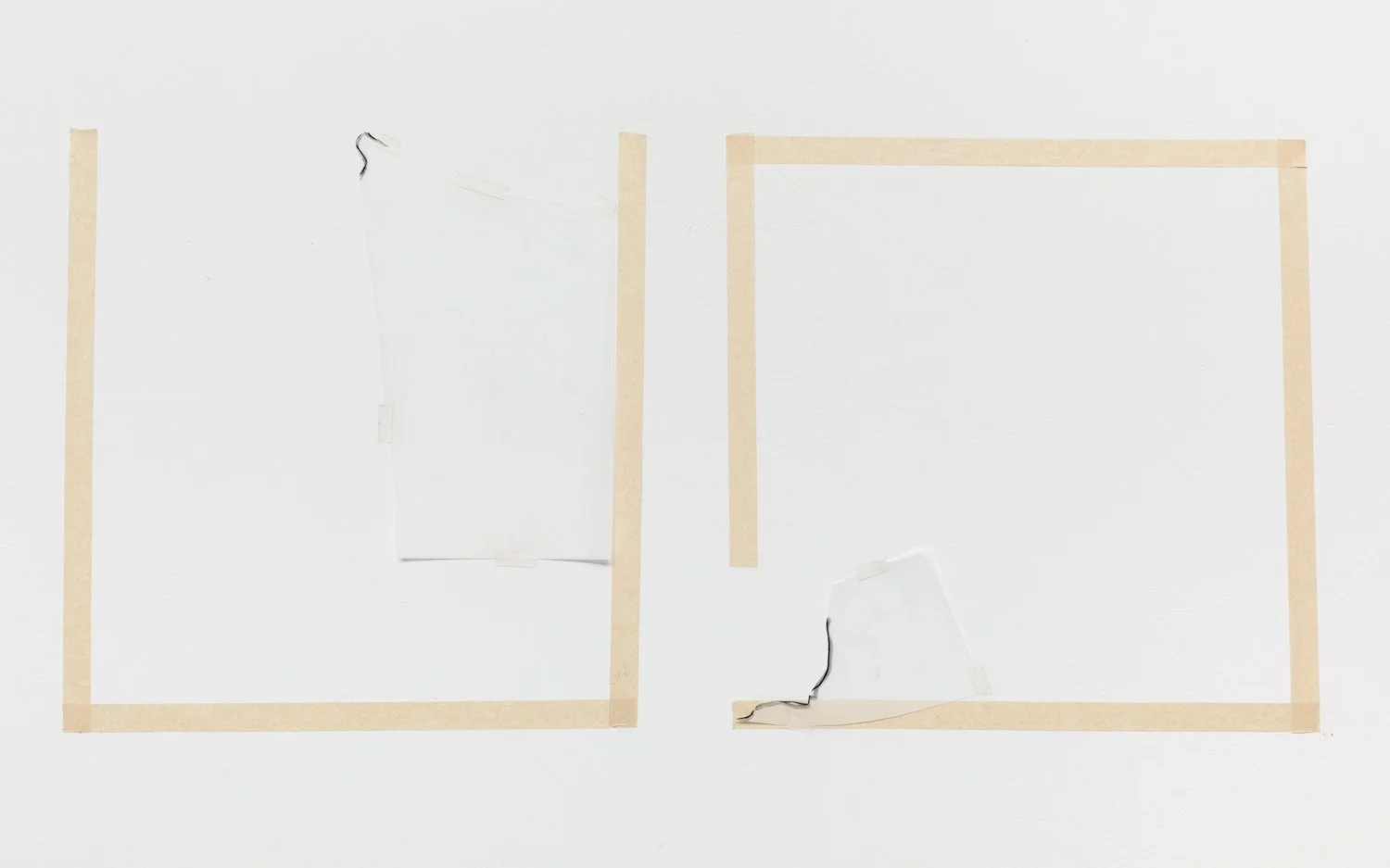
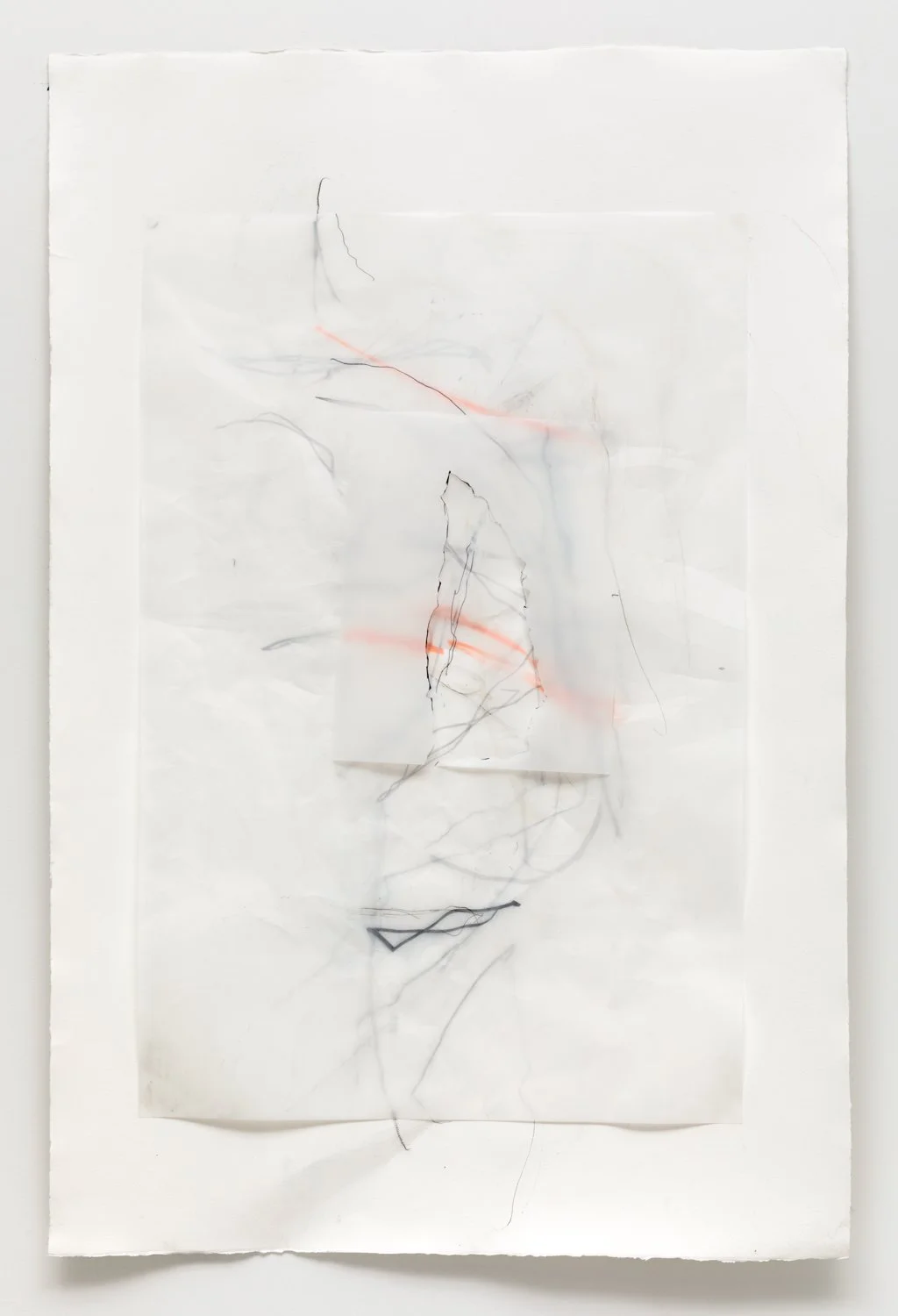
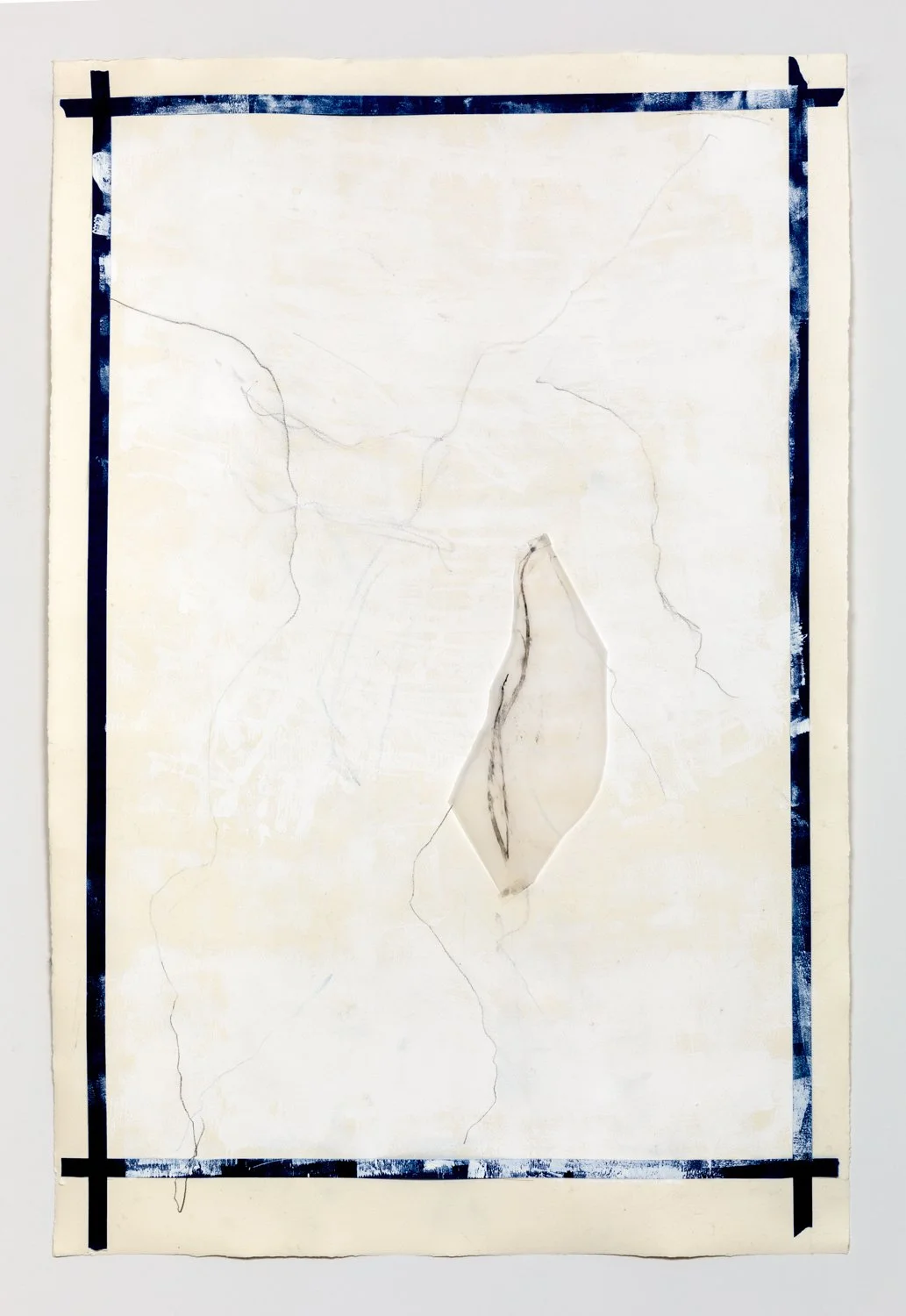
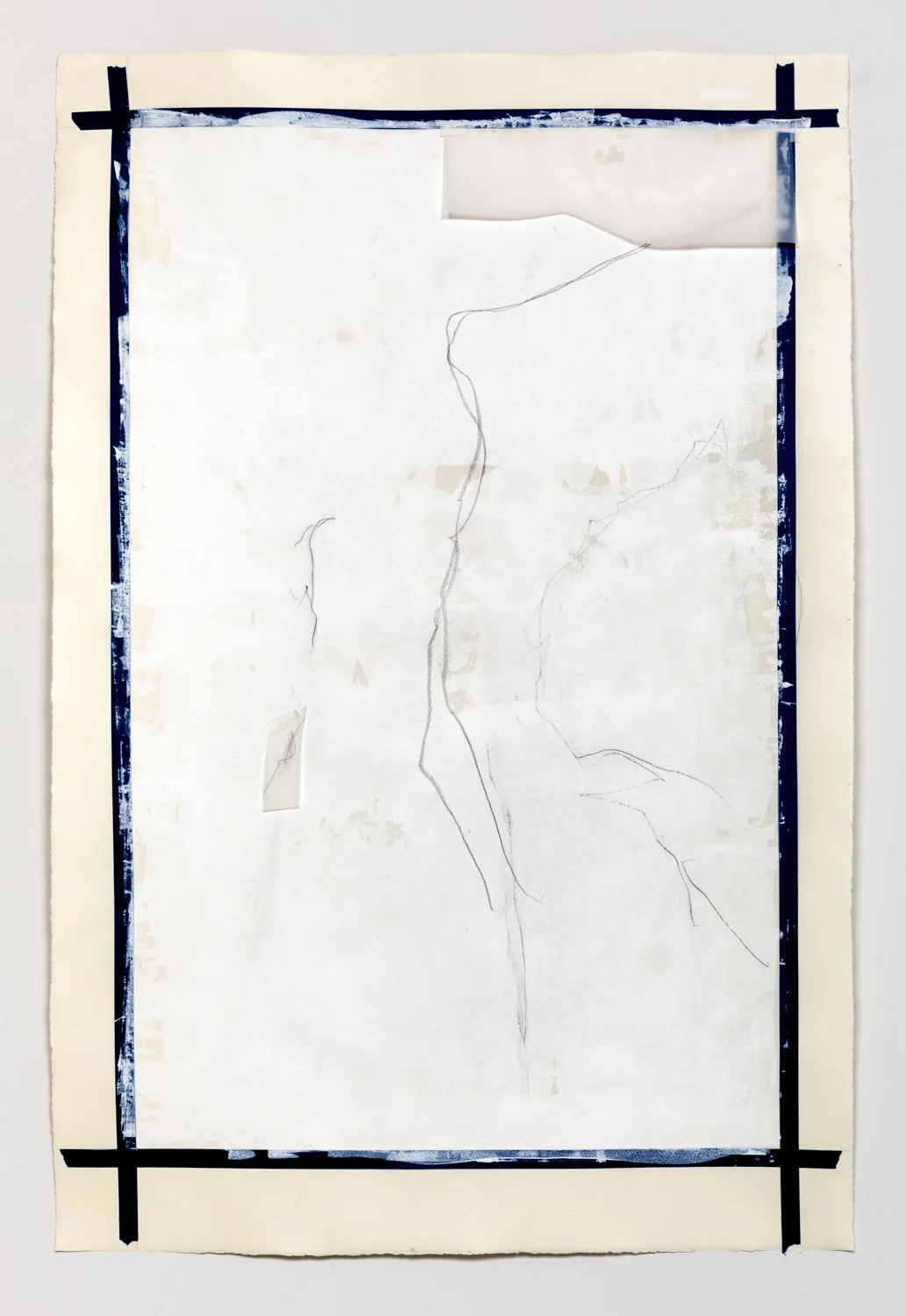
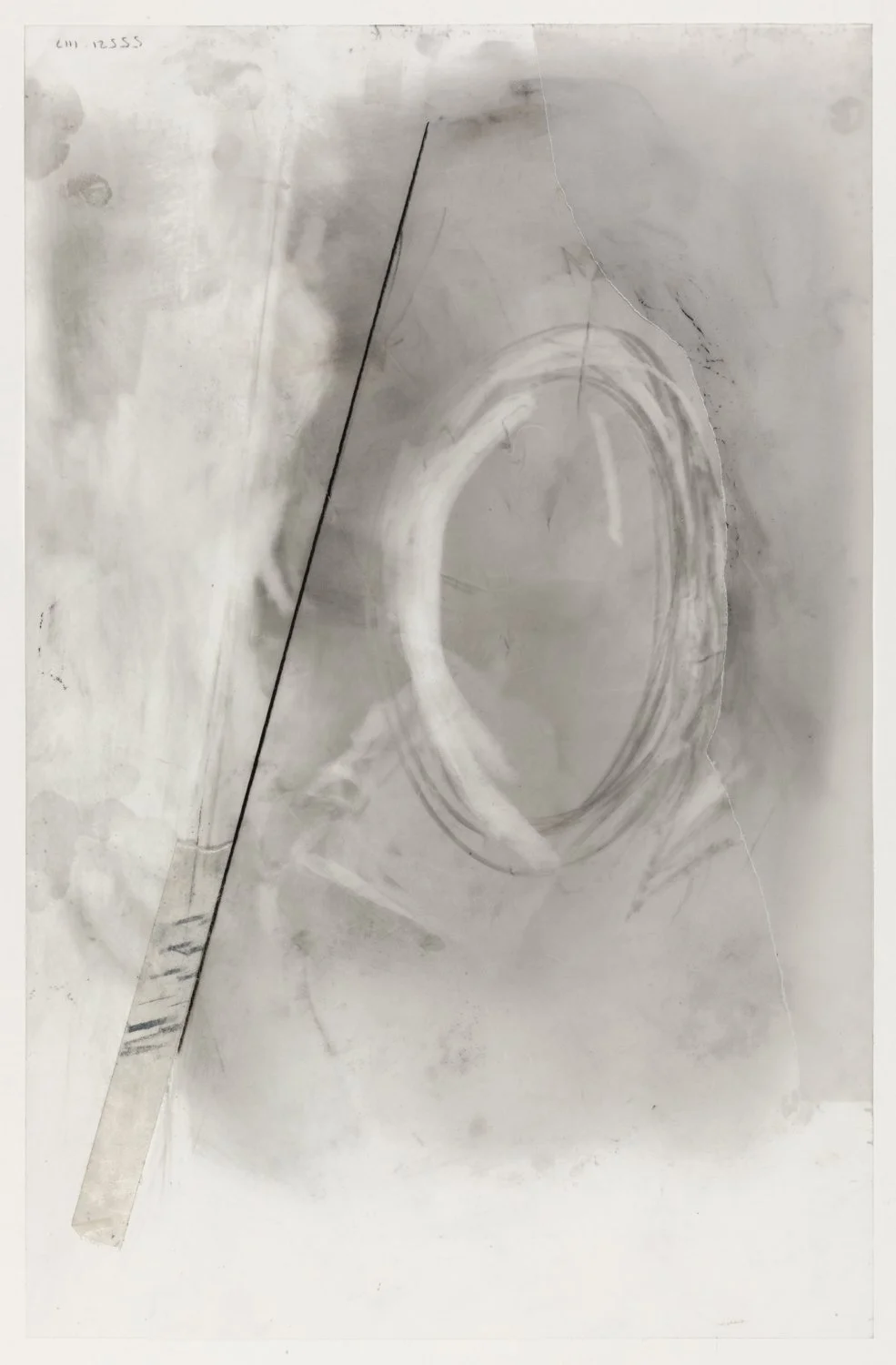
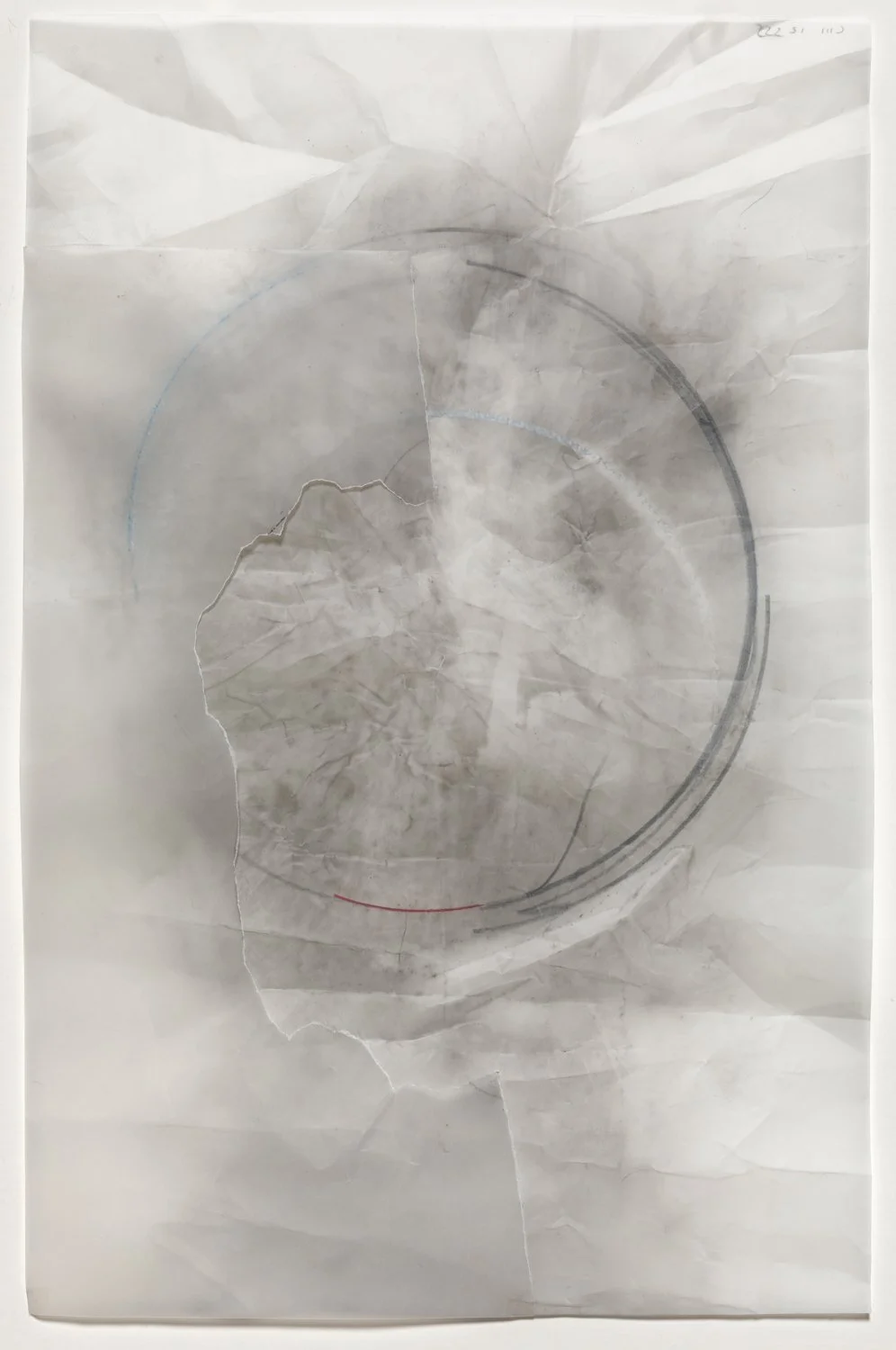
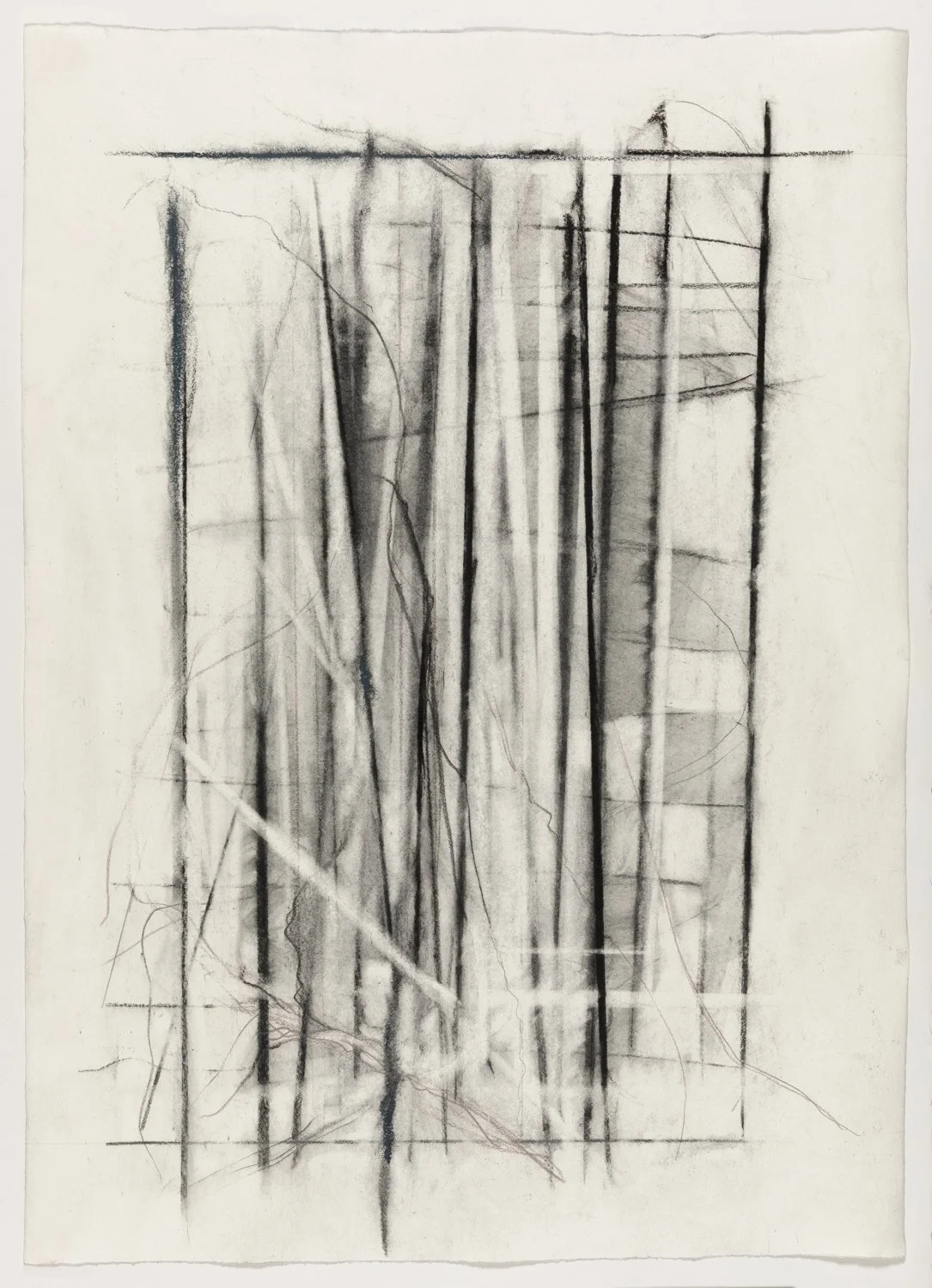
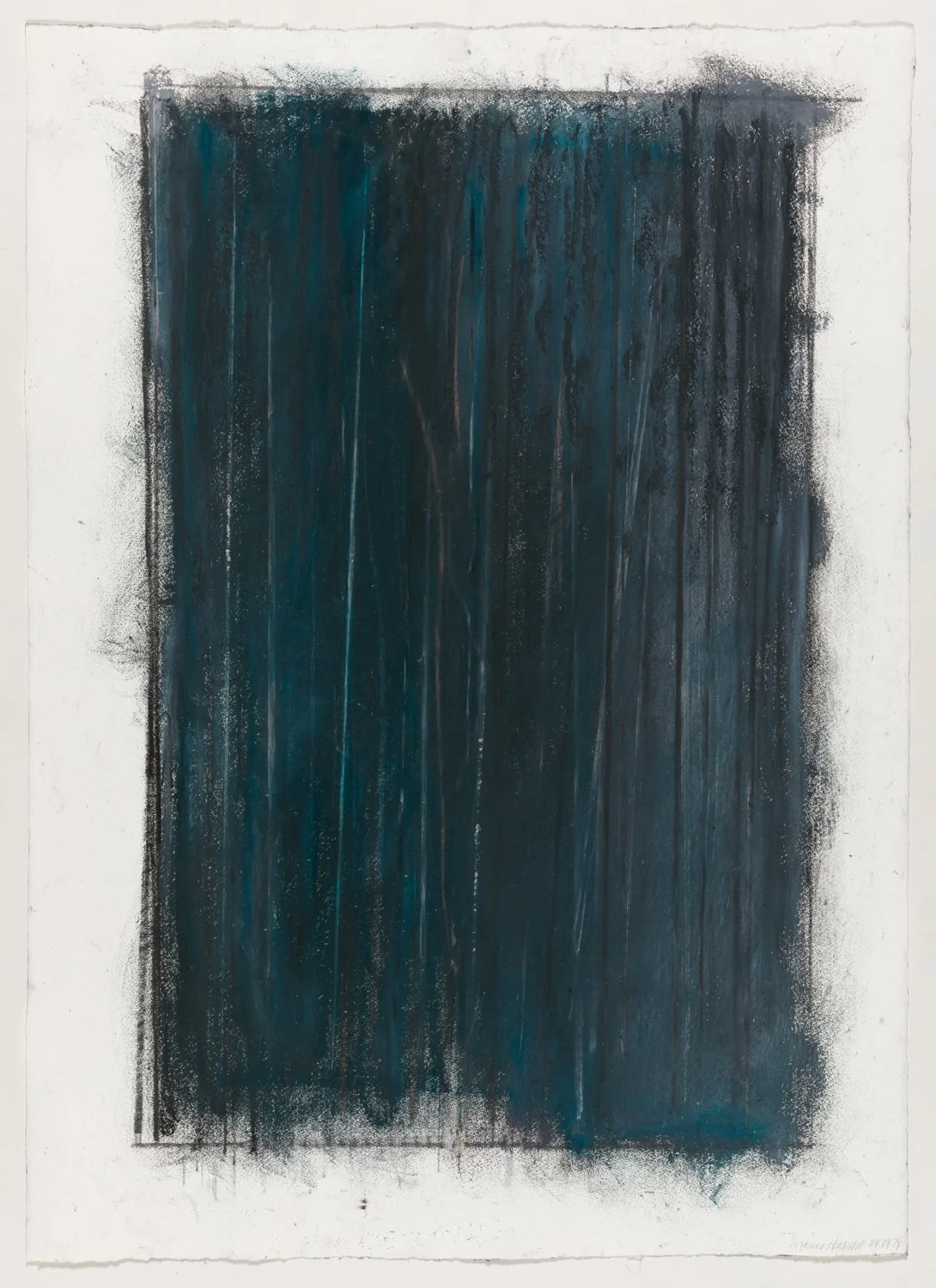
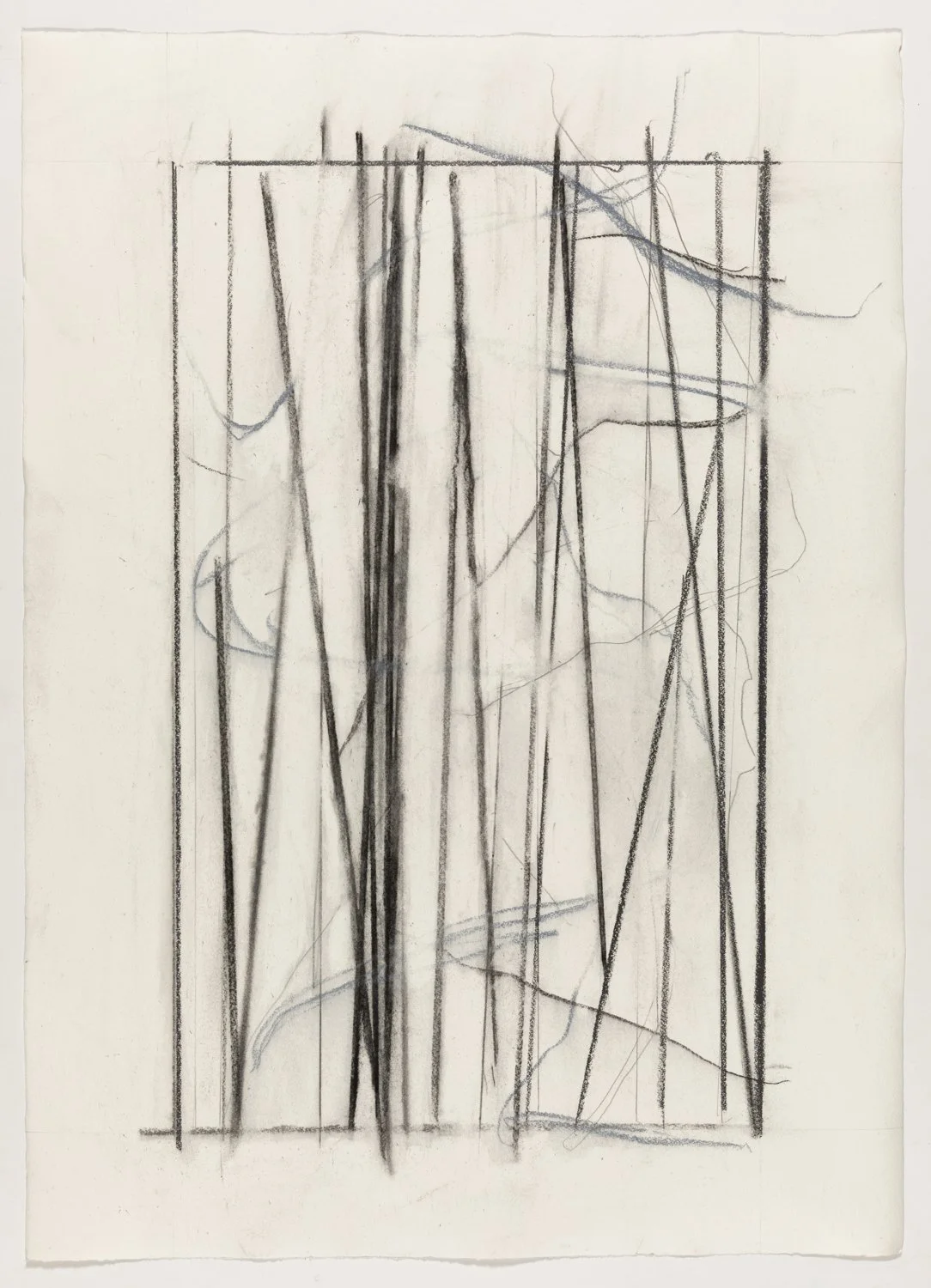
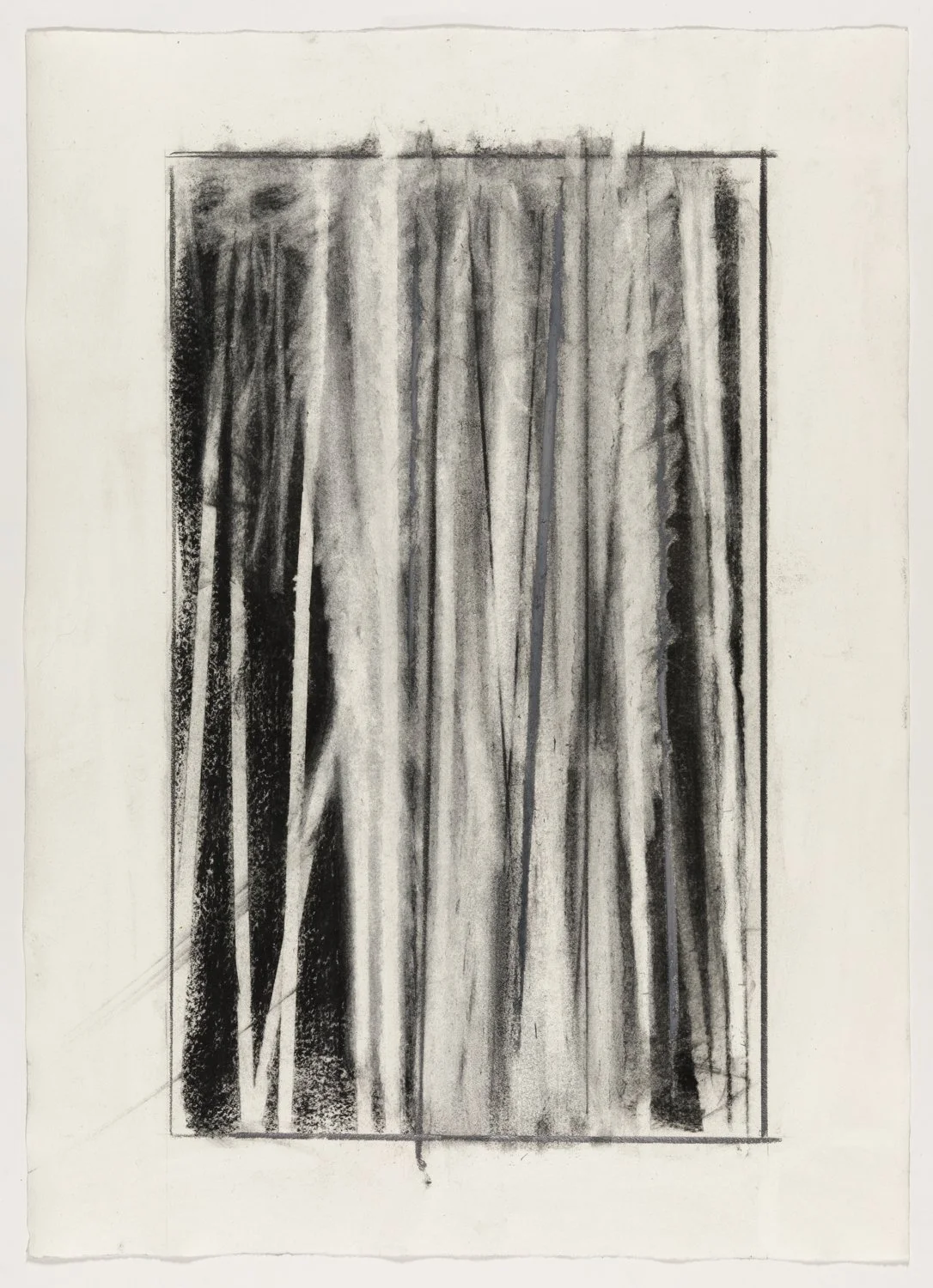
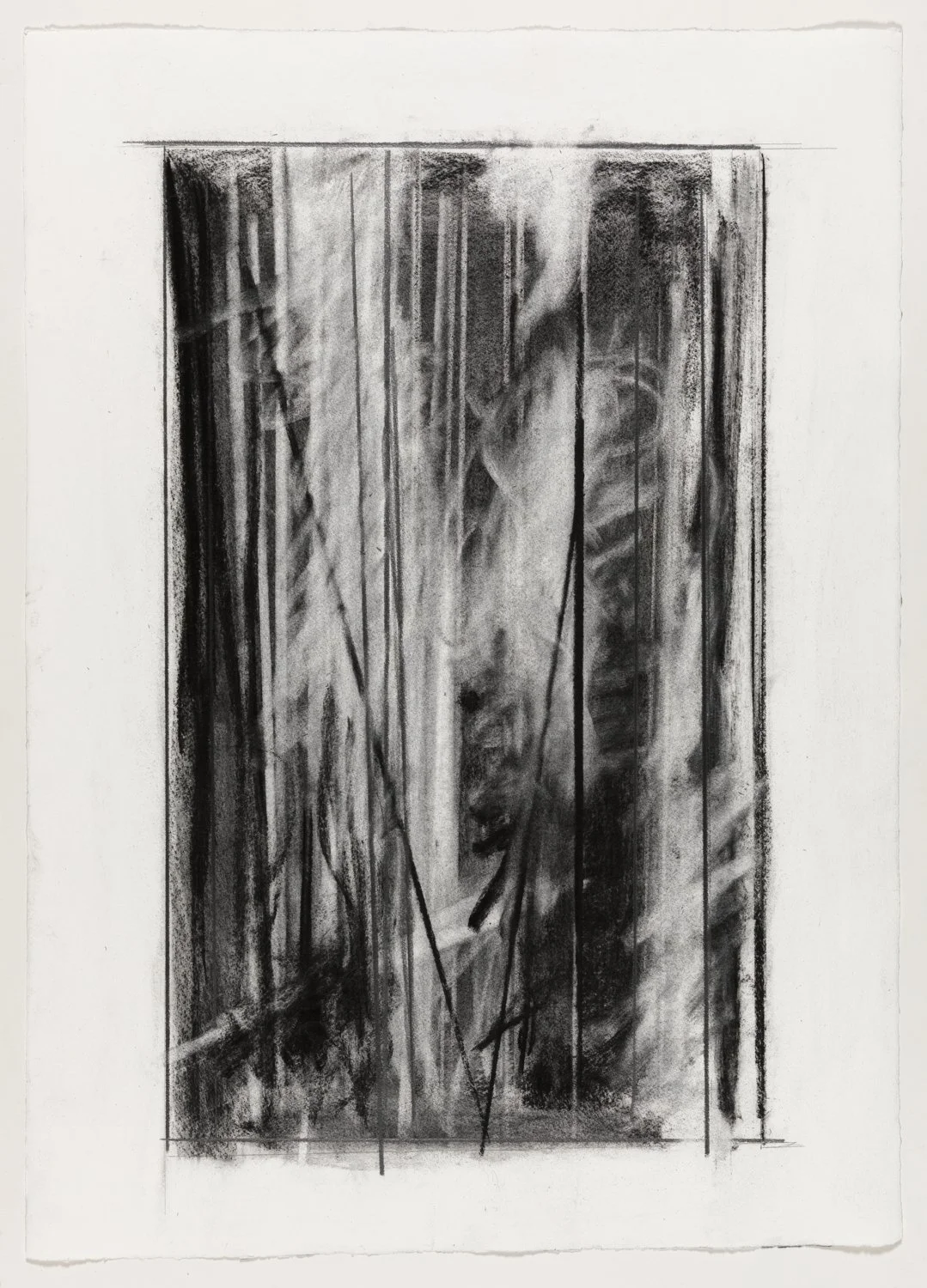
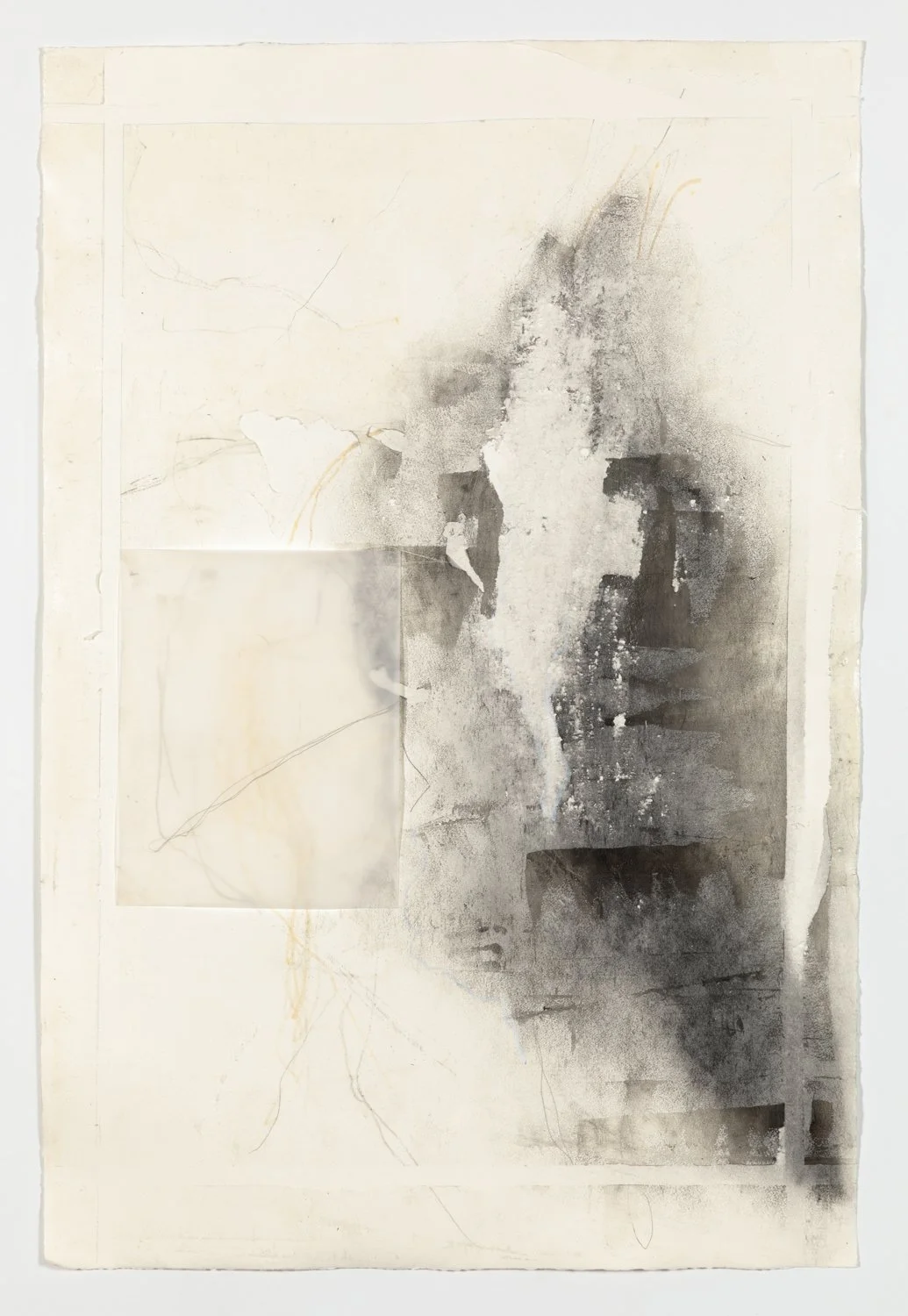
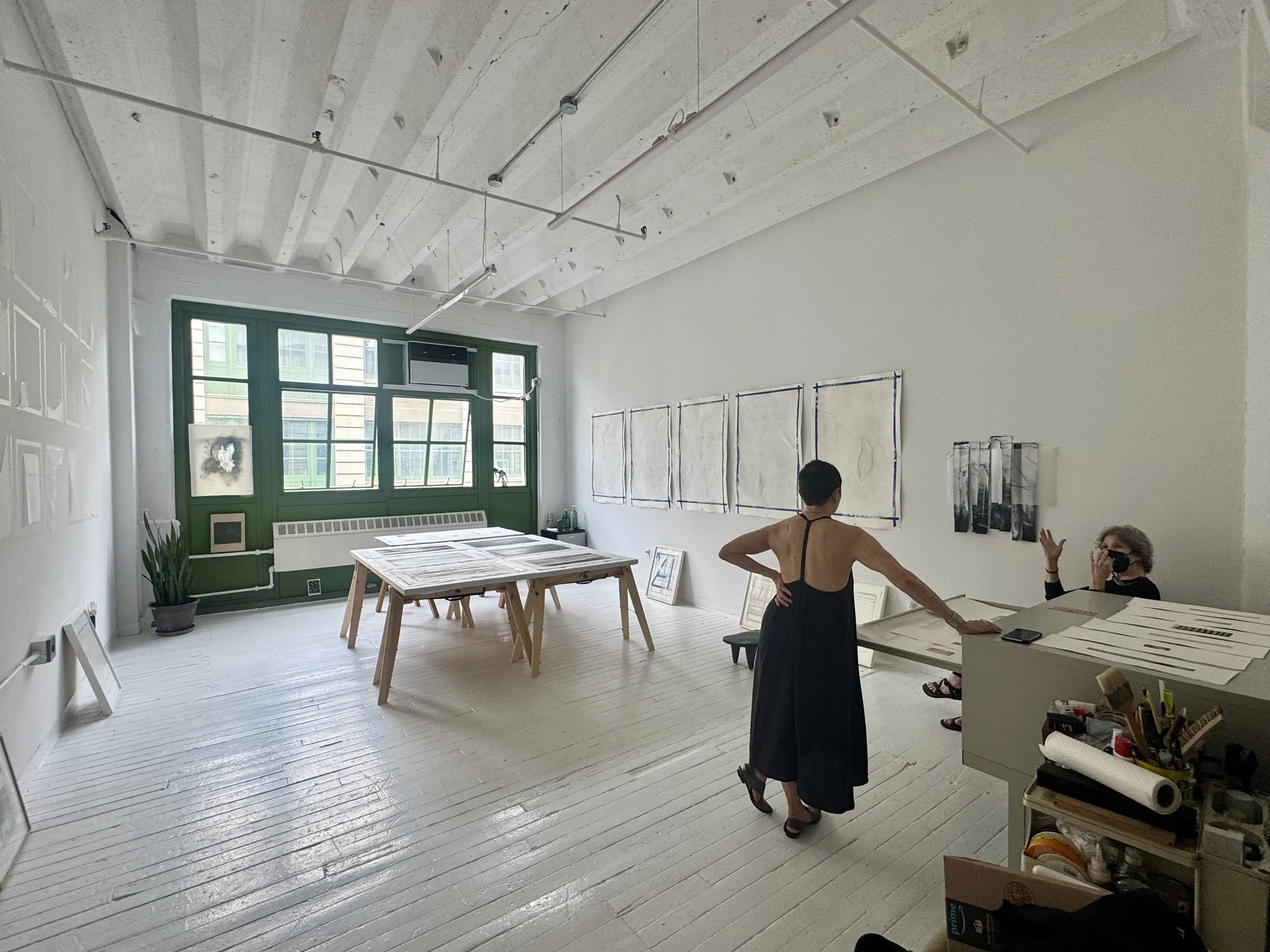
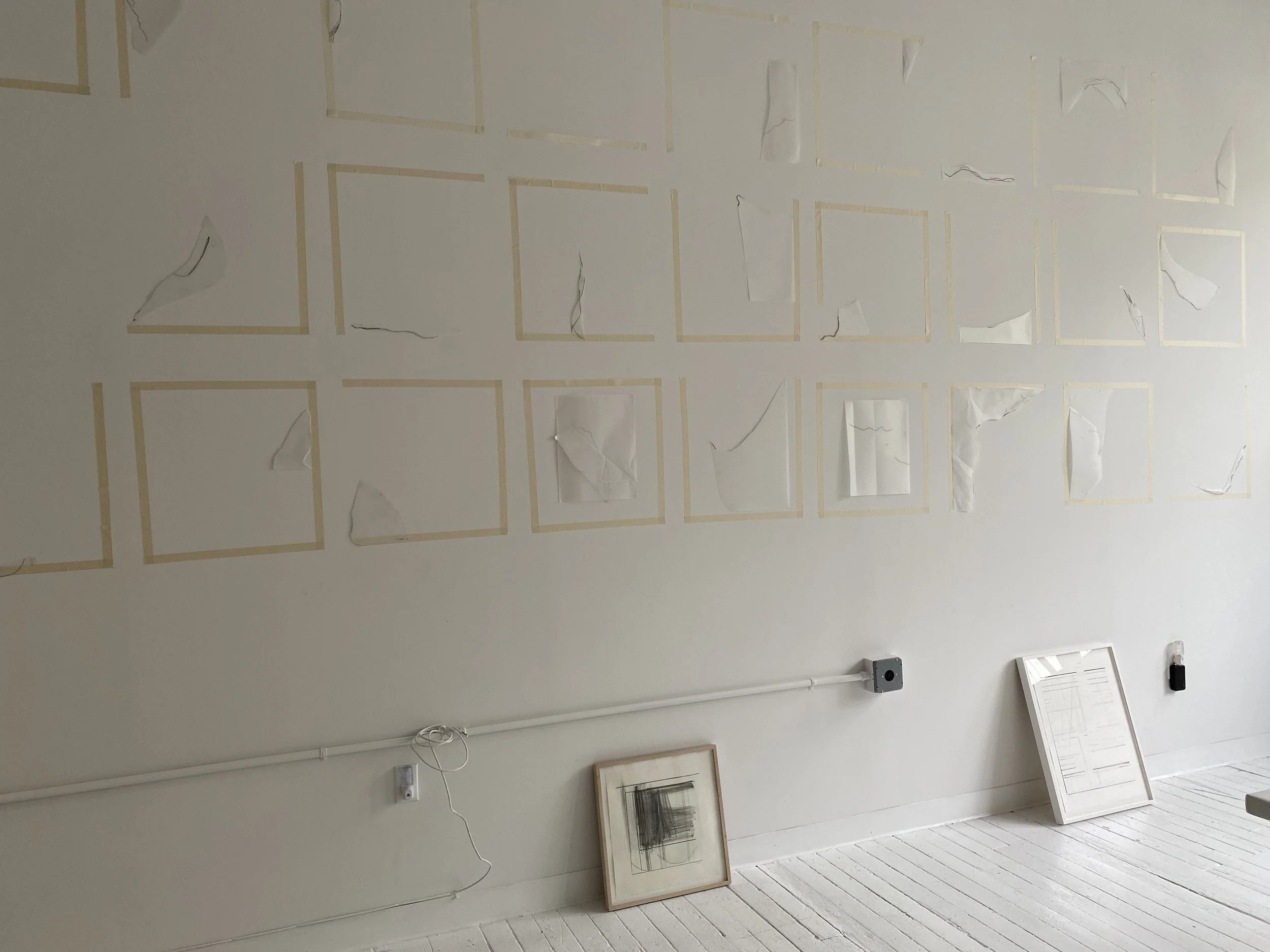
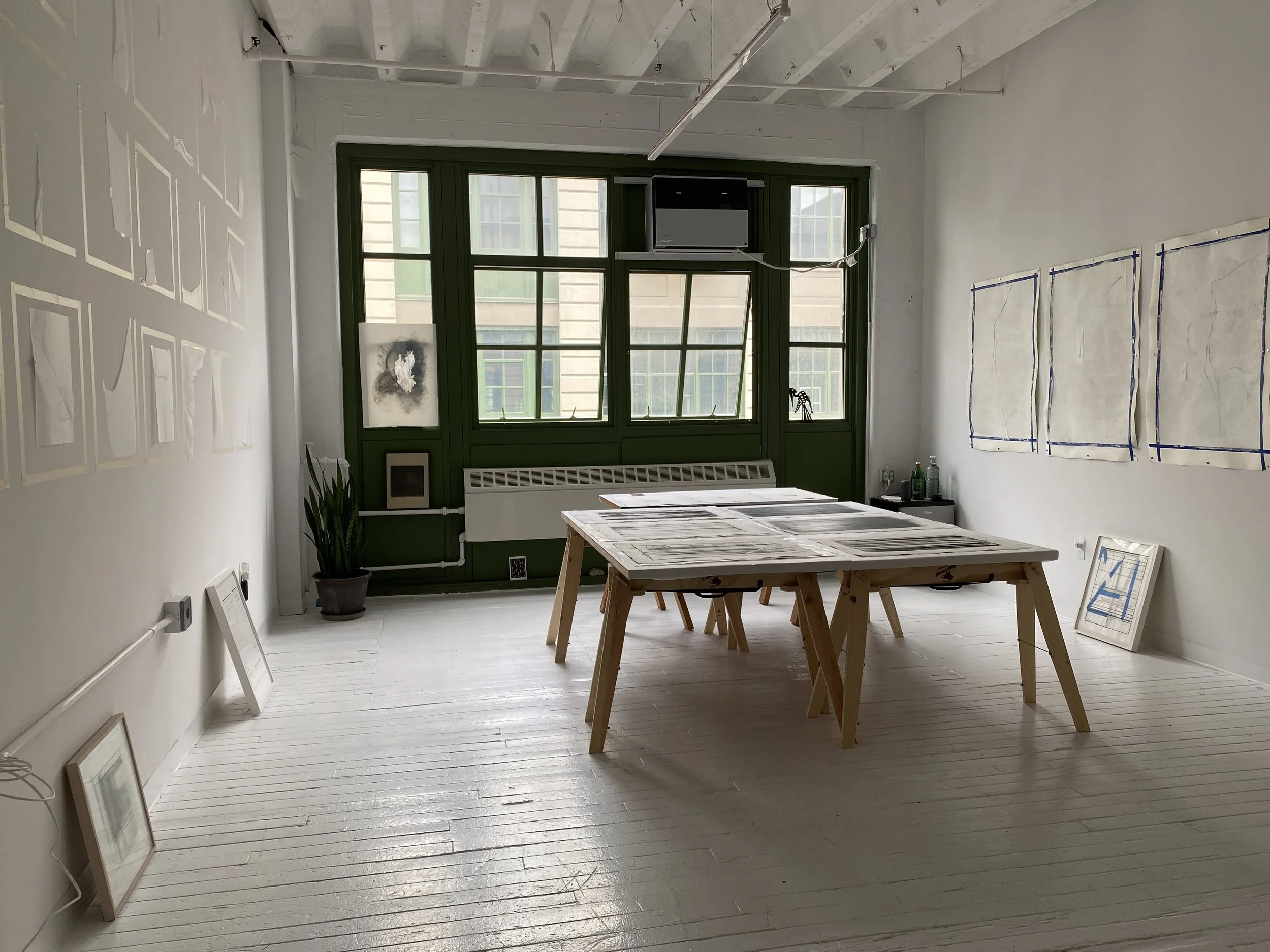
For more than a decade my practice has been focused on drawing and printmaking (lithography and intaglio). Both mediums offer an opportunity to dive repeatedly into the unknown, allowing gesture and mark making to drift and float on the surface of the paper or plate, creating a range of nuances.
Drawing continues to be the catalyst for and source of my current work. The surprise and subsequent significance that surface when I draw stem from a feeling of vulnerability tied to coming face to face with my own discomforts and critical voice. What is uncanny about this is that it offers an opportunity for experimentation with no tangible thought in mind, often transporting me in directions that make no sense until it does. The actions of marking, deleting, shading, and layering create an initially indiscernible trajectory from where a gesture begins to its end.
What inspires you?
I found myself pondering over this question, as it often gets triggered when I am in that moment of contemplating what’s next or simply trying to make sense of what the work is genuinely about.
Inspiration evolves in myriad ways and occurs daily whether I am conscious of it or not.
I am reminded of my first experience going to MoMA in the early 1970s and being completely mesmerized by Barnett Newman’s painting “Vir Heroicus Sublimis”. A huge, red, monochromatic rectangle with five thin vertical lines, the piece cast a glow on anyone who came in close proximity to it. I was astounded by how something as massive in size and seemingly simplistic in its rendering could be so magnetic yet utterly complicated to decipher. This painting continues to occupy a large space in my mind and perhaps is one of the reasons why I have gravitated towards making abstract work.
I have also been emboldened by a range of teachers, mentors, and colleagues whose observations have been instrumental to the trajectory of my activity: whether it has been challenging me to take more chances or to remind me that what I may deem as a failure or mistake is often another point of departure to consider leading to numerous possible outcomes. I have come to realize that surrendering to a certain loss of control and allowing subsequent experimentation and discovery to ensue enables other things to begin to reveal themselves. I am now more at ease when these moments occur and can rely on spontaneity to be the driving force to guide my decisions whether it is laying down a mark or making other choices.
In undergraduate school, it was the experimental filmmaker Will Hindle who was emphatic that I understand what a “second” felt like, and working in a time-based medium it was essential that I recognize and become familiar with the significance of time. That conversation was incredibly impactful toward my becoming a filmmaker and continues to be a factor when creating work I am currently doing.
During my first semester of graduate school at the Art Institute of Chicago, I had to screen a work-in-progress, and unbeknownst to me the taped splices of my film came flying apart in the projector. Of course, the faculty member was appalled that I presented such a faulty piece and insisted that I take a pair of scissors to destroy each frame and begin a new project. As embarrassing as it was, I remained steadfast about what had initially compelled me to make the film, and to not be swayed by other people’s thinking. If anything, it taught me how to defend my ideas and how to resolve and complete work that was important to me.
While working at the International Center of Photography, I had the good fortune of attending a lecture by the French visual artist, Annette Messager. I was so transported by her talk that it empowered me to reconsider the content of my own upcoming exhibition. Messager opened a door that I hadn’t been able to enter previously. This newfound territory that was revealed was both raw and tangible and suddenly made complete sense.
It is a belief in the process and these uncanny moments when something unexpected emerges,—when not knowing gives way to revelation. I now understand that challenge and tension have always been key factors in my work, existing as critical components in the ways I navigate through the world. It means being incredibly resilient, and being someone who embraces and balances the desire for structure with the acceptance of unpredictability.
What could be better?
Can you speak about your process?
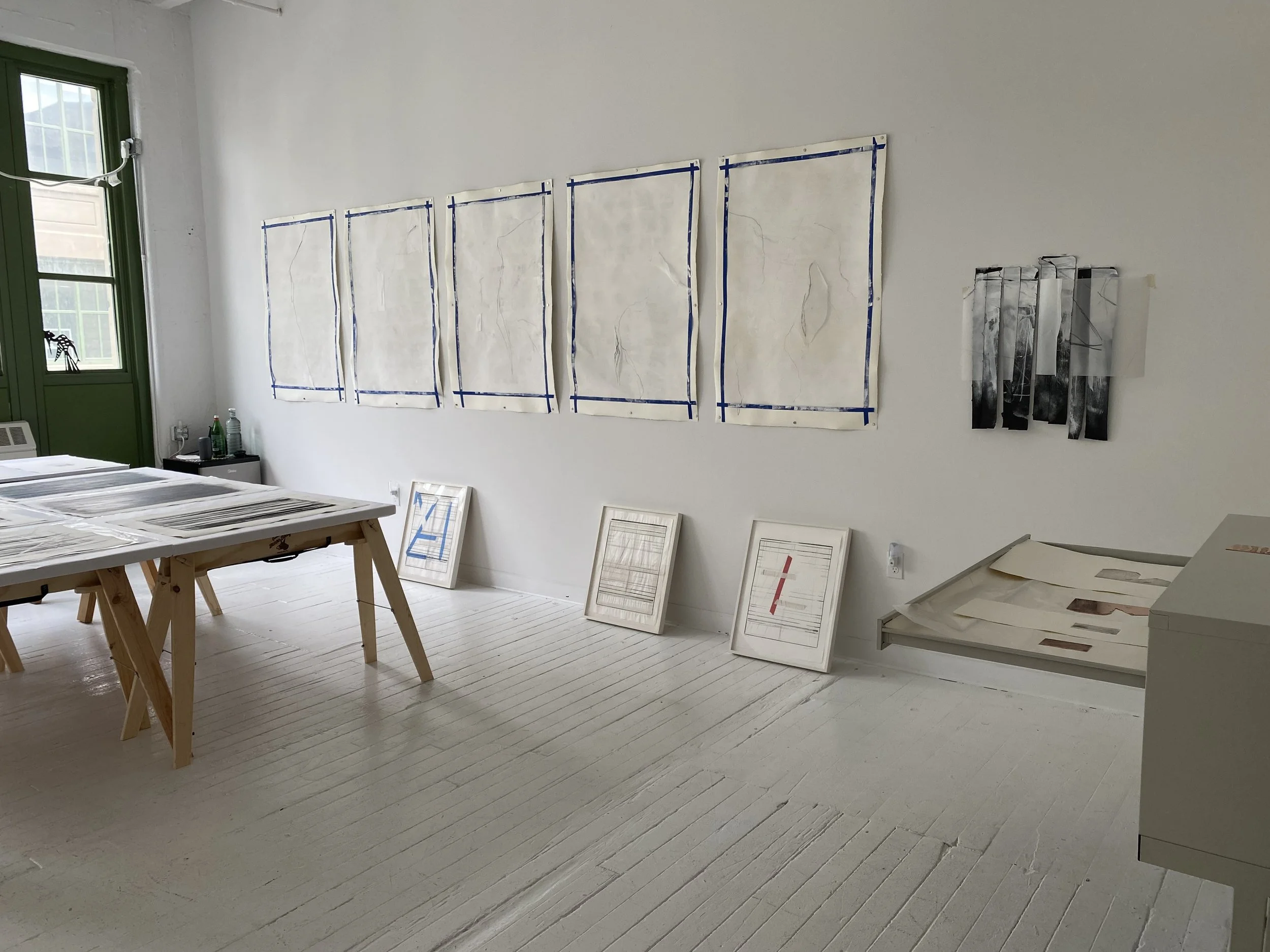
There is no set process or approach when it comes to how my work begins. I stumble upon an idea and follow its lead and sometimes veer off course. My mind is continually in a state of questioning as to how and when to start, and the process takes on its own organic form. I am not someone who is consistently taking notes or has an idea that is readily available to engage.
Something mysteriously surfaces and the work begins, but always with much angst followed by innumerable twists and turns. At times a performative element weaves its way into the mix where the action of my own body defines and impels creating lines, gestures, or an array of motions onto paper. Everything relies on randomness and chance; its intrigue lies in each new unpremeditated approach to creating the images and an open-endedness that guides how they resolve. Again, the coincidence and unexpectedness of the process is crucial as this allows for elements of freedom and play to unfold without being bound to a set outcome. By offering endless possibilities for images to unfurl and be built upon, the abstract quality of what I create encourages multiple options for discovery by the viewer. At the same time, there is an identifiable specificity as well, arising from the influences of received information, daily experiences, and choices made.
How did you become interested in art?
In some ways, I would like to think that art found me, but firmly believe that play and curiosity were fundamental components that enabled me to desire a “bigger” life. I grew up in a small town in Western Kentucky so there wasn’t much access to fine art nor was it my concern or even on my radar. However, I credit the many treasures and appreciations that were passed down from my family. My two dear whimsical aunts, on my dad’s side of the family introduced me to the splendor and marvel of opera and jazz from Enrico Caruso, Giacomo Puccini, Ella Fitzgerald, Sarah Vaughn, Nat King Cole, Duke Ellington, Louis Armstrong, and so many others. My mother and grandmother had fabulous taste and surrounded themselves with things of vast beauty including an exquisite bookcase with glass doors, which now resides in my own living space. As a child I spent countless hours sitting in front of this bookcase poring over each page of my mother’s enchanting collection of books. And it was my father who shared his love of photography, always with a camera in tow. While I am certain that he would have preferred that I or one of my siblings would have taken on his dentistry practice, he never interfered with my becoming an artist.
Though I have never given much thought to it, in looking back on how my life in art evolved, I realized how much it was shaped by contributions passed down from members of my family. So much gratitude to them as it opened the door to pursue my own investigation and direction.
Do you have any favorite artists, movies, books, or quotes?
The lists that I have identified below are just the tip of the iceberg and are those that come to mind at this moment, having inspired and nurtured my creative journey. There are countless others.
Artists: Silvia Bächli, Louise Bourgeois, Lygia Clark, Tacita Dean, Richard Diebenkorn, Roni Horn, Lucy Skaer, Ellsworth Kelly, Sylvia Plimack Mangold, Agnes Martin, Gordon Matta-Clark, Robert Motherwell, Yoko Ono, Gerhard Richter, Dorothea Rockburne, Robert Ryman, Patti Smith, and so many more!
Movies: ‘Meshes in the Afternoon”, Maya Deren; “Reminiscences of a Journey to Lithuania”, Jonas Mekas; “Breathless”, “Mothlight”, Stan Brakhage; “Joan of Arc”, Carl Dreyer; “Diary of a Country Priest”, Robert Bresson; and “Summer of Soul”, Questlove. Books: “Black Mountain College”, Helen Molesworth; “Watermark”, Joseph Brodsky; “Faux Pas, Amy Sillman”; “Just Kids”, “Wool Gathering”, “M Train”, Patti Smith; [Anything that has to do with Patti Smith, you can’t go wrong!}
What advice do you have for younger artists?
At all times be yourself and know that your voice big or small can make an impactful difference on how we move through the world. Always come prepared, have an open mind, maintain a sense of curiosity, and when working on any project allow yourself to exhaust all possibilities. Build a community of people that will provide you joy, support, resources, and will have your back.
Connections made, you will have forever. Lastly, take chances, make mistakes, and above all incorporate passion, purpose, and perspiration into everything you do.
A while back I saved a recording on IG from the Louisiana Channel – YouTube of the late British artist Phyllida Barlow, who was asked to share her personal advice to young people when thinking about the future. Here’s a brief overview of what she said:
“Do not be afraid of ambitions, always have ambitions, and enjoy them in your head.”
“Let your imagination have your respect. Huge respect! I know there are practical things to do like getting jobs, but that shouldn’t ever deter you from acknowledging what you really want.”
“Don’t be afraid of standing on your own and not being part of the crowd. Have courage and imagination to do what you want to do.”
From the poet Dr. Maya Angelou: Advice to My Daughter
“I would say you might encounter many defeats, which must never be defeated. Ever. In fact, it might even be necessary to confront defeat… it might be necessary to get over it, all the way through it, and go on. I would teach her to laugh a lot, laugh at the silliest thing, and be very, very serious. I teach you to love life.”
Any more thoughts about art, creativity, or anything else you would like to share?
I don’t think I could make art or exist in the world without being physically active. It is without a doubt the key ingredient that keeps my mind and body in shape and opens the door for creative thought and action to take place. I think of myself as an artist/athlete.
Making art is the most rigorous, empowering, and daring feats I have ever encountered. I feel so damn lucky and honored that I get to wake up each day to an active mind and body that enables me to view the world differently, make a new mark, start afresh, and remain open for further debate and introspection.