Scott Shepard
Berlin, Germany
Website
scottshepard.studio.com
Social Media
Instagram
How would you describe your work?
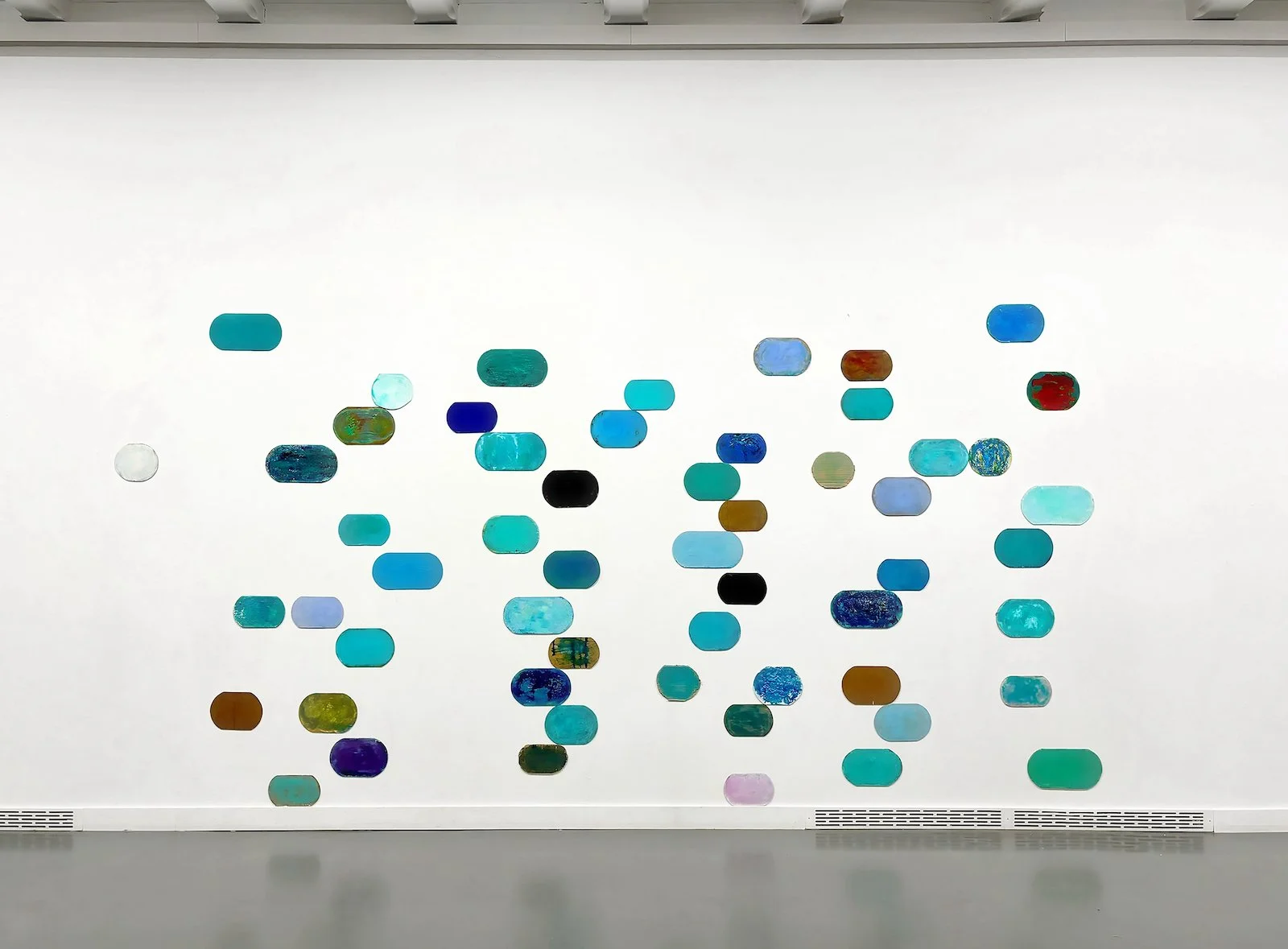
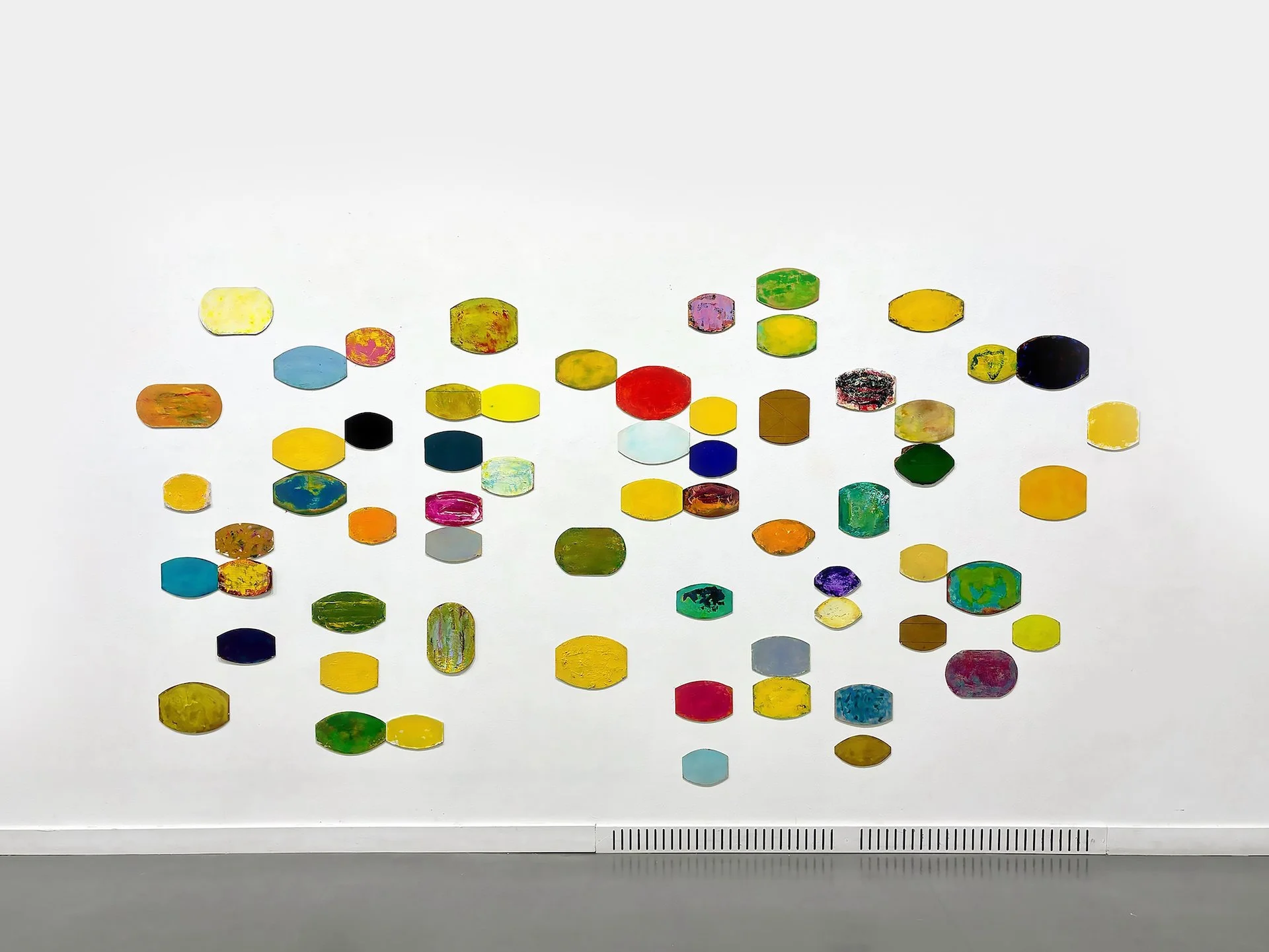
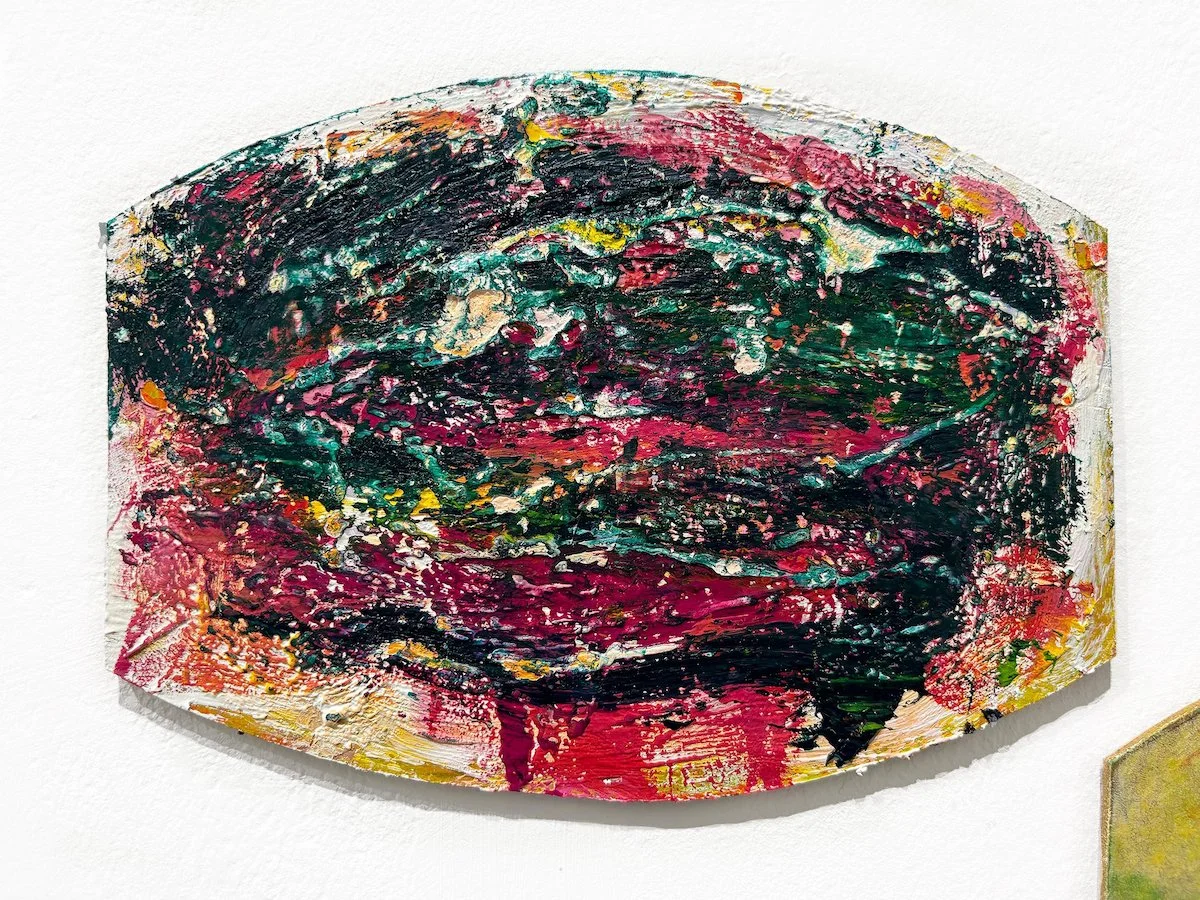
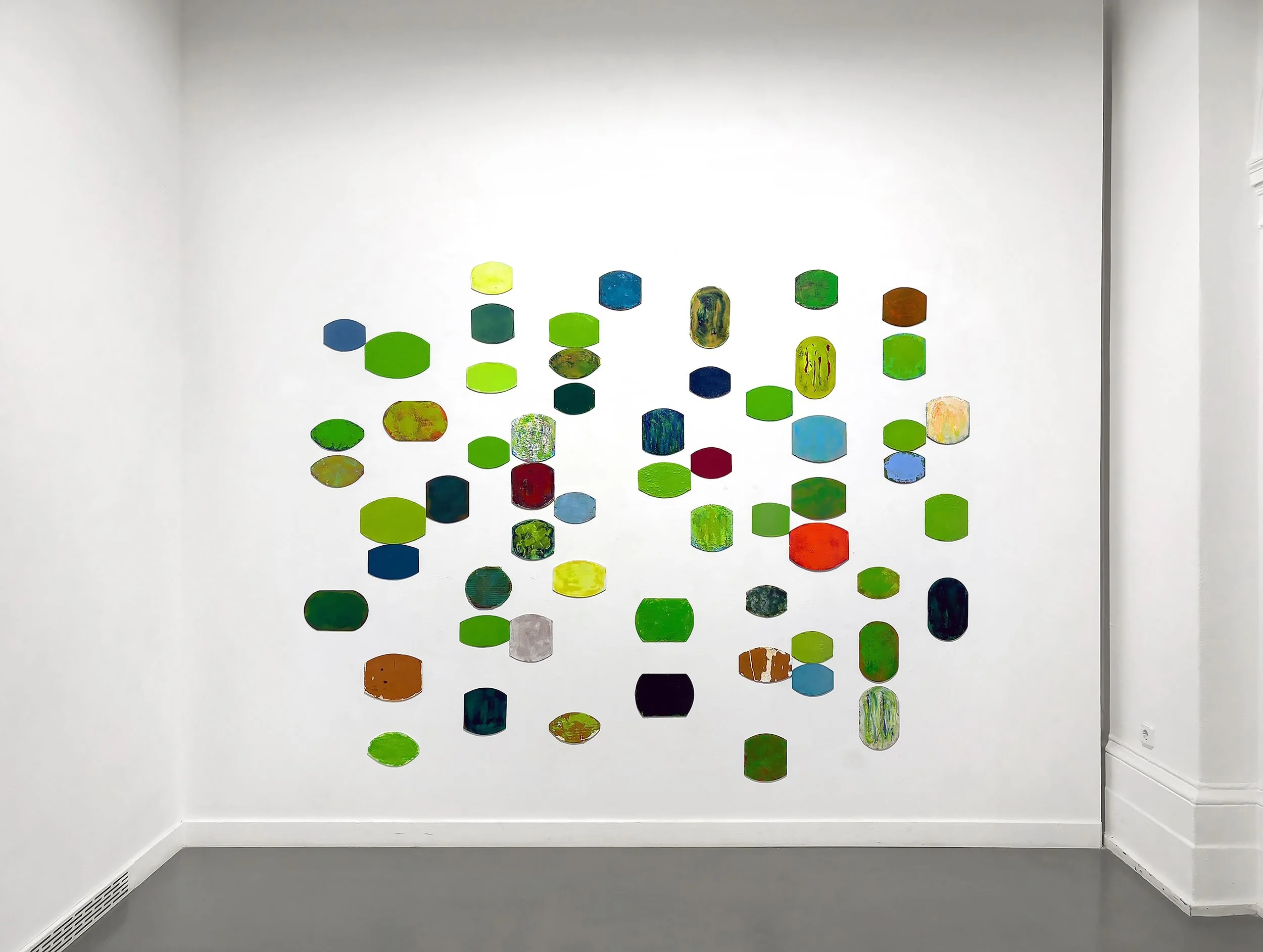
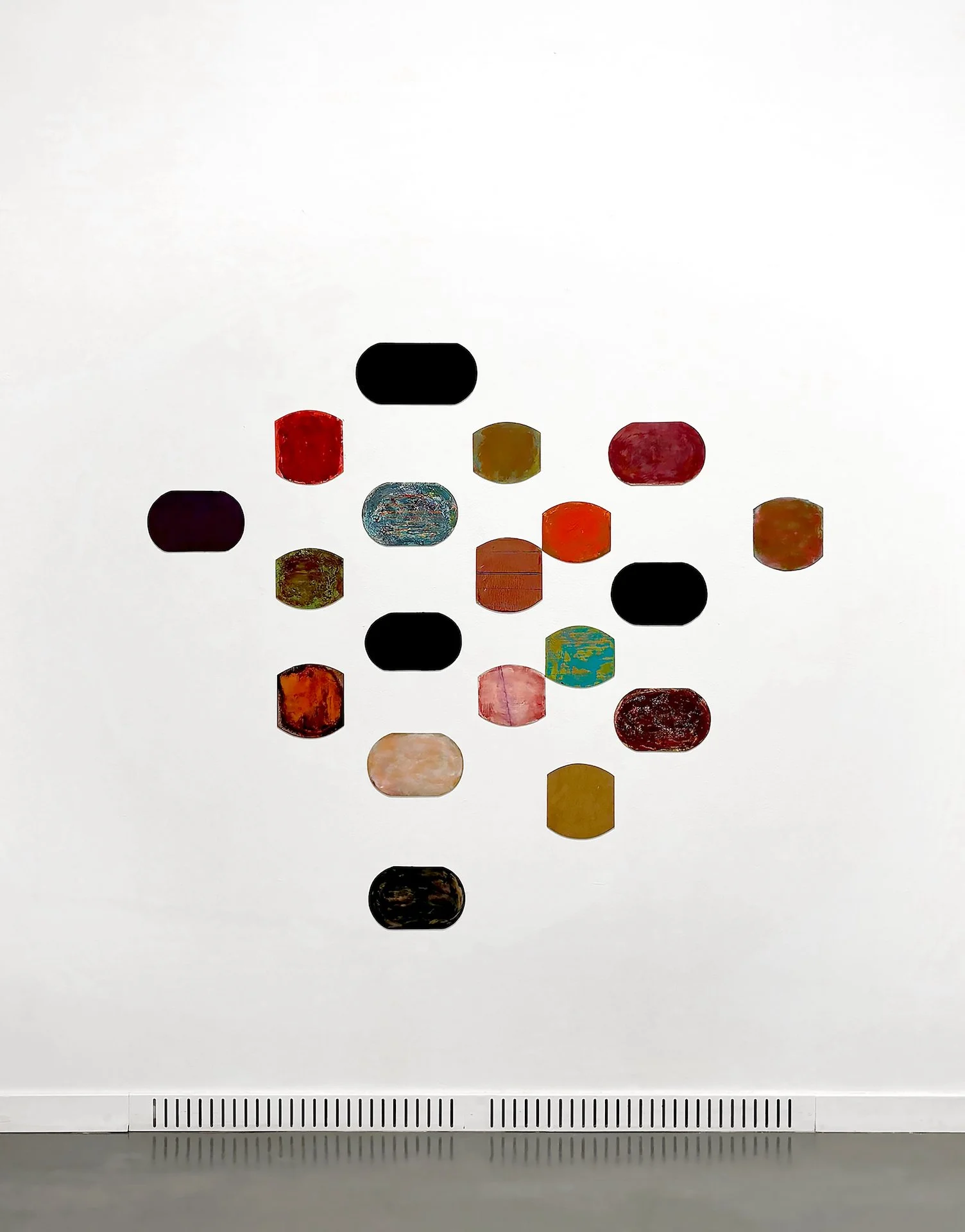
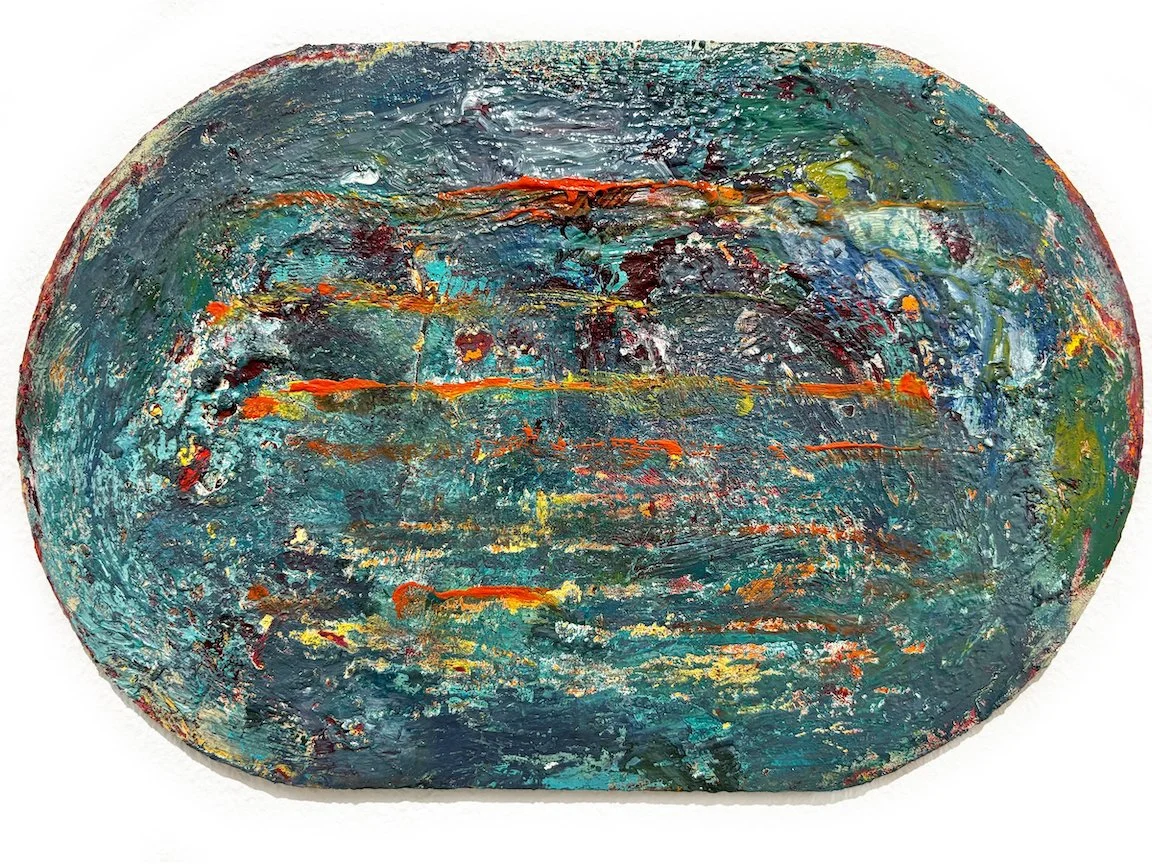
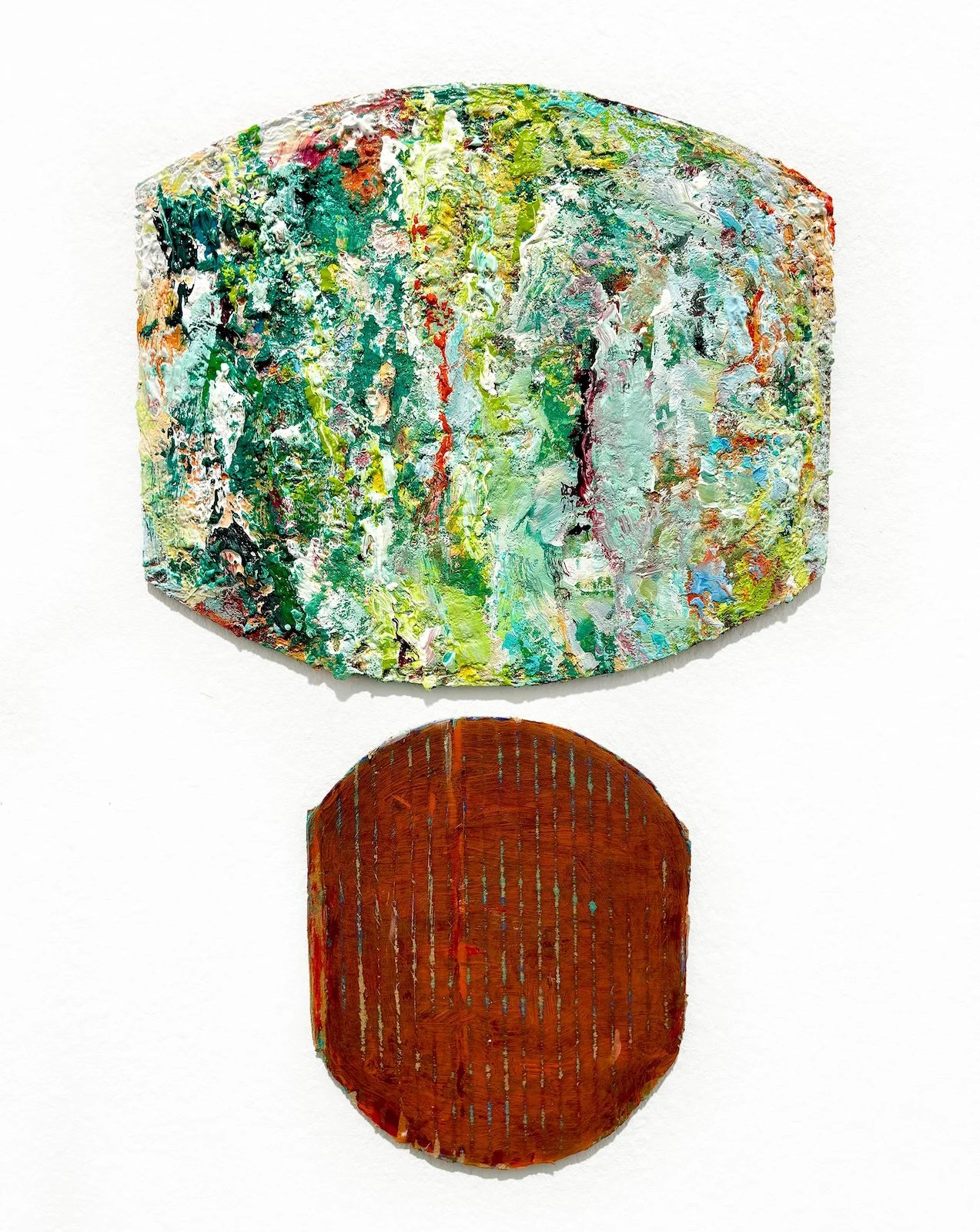
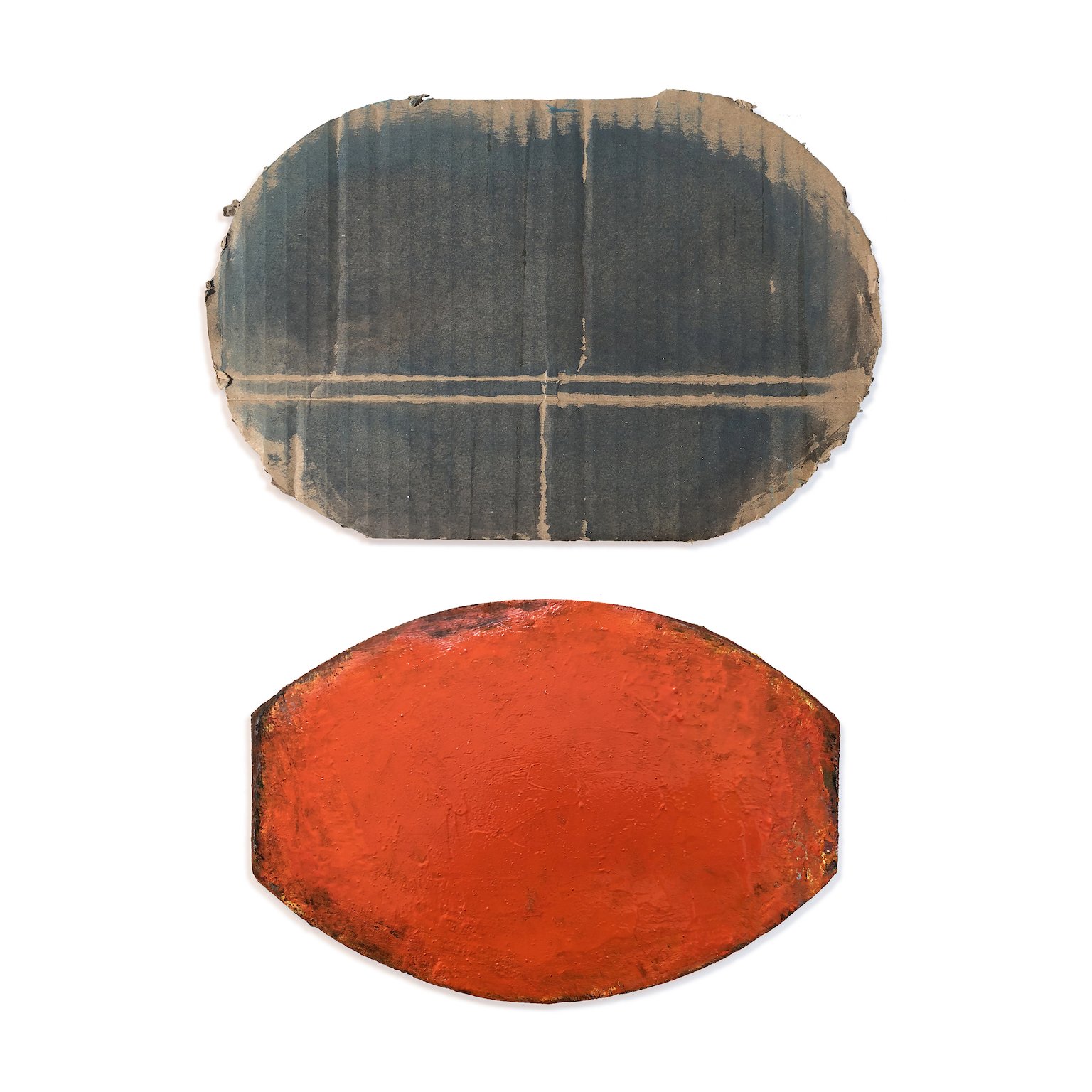
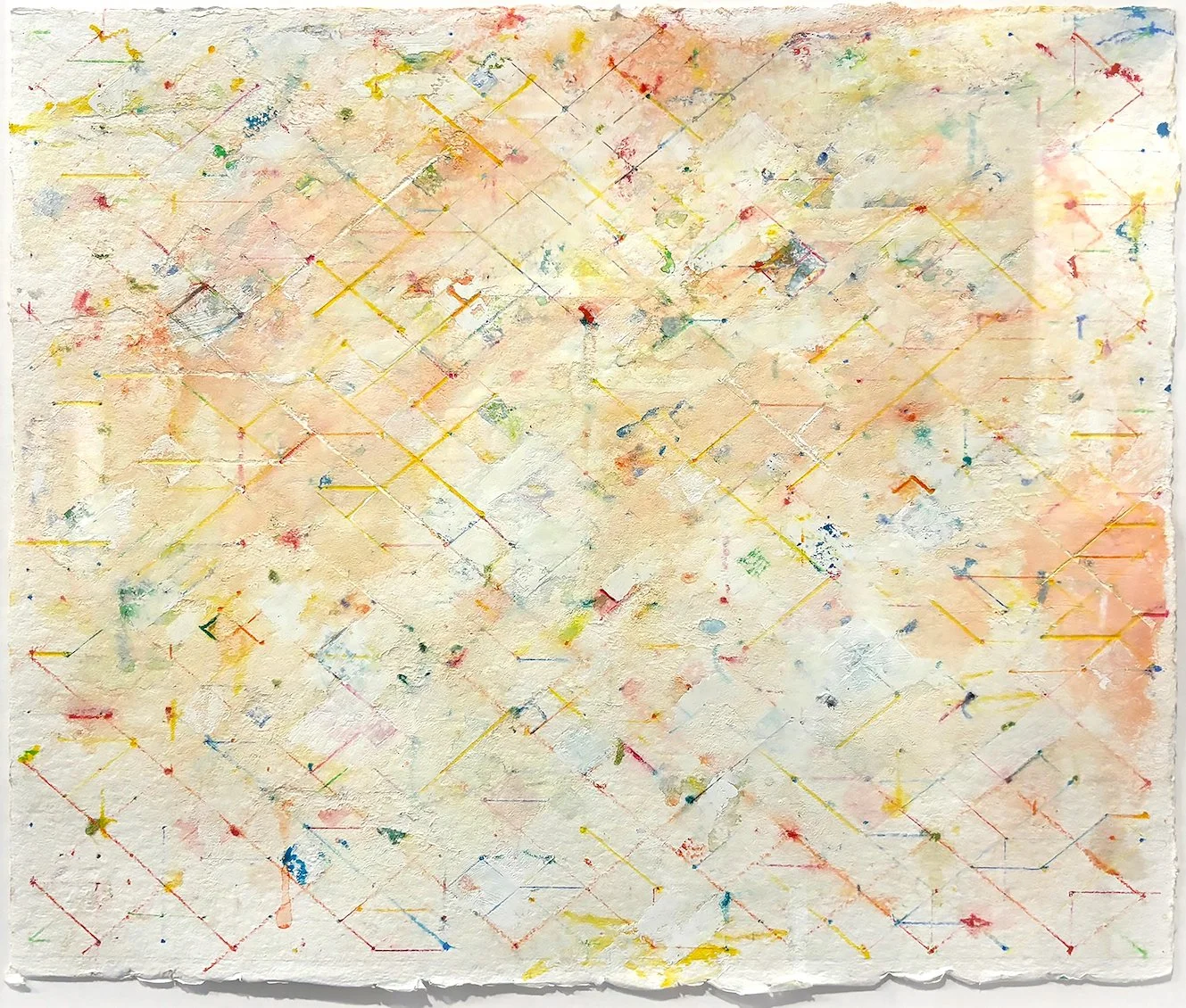
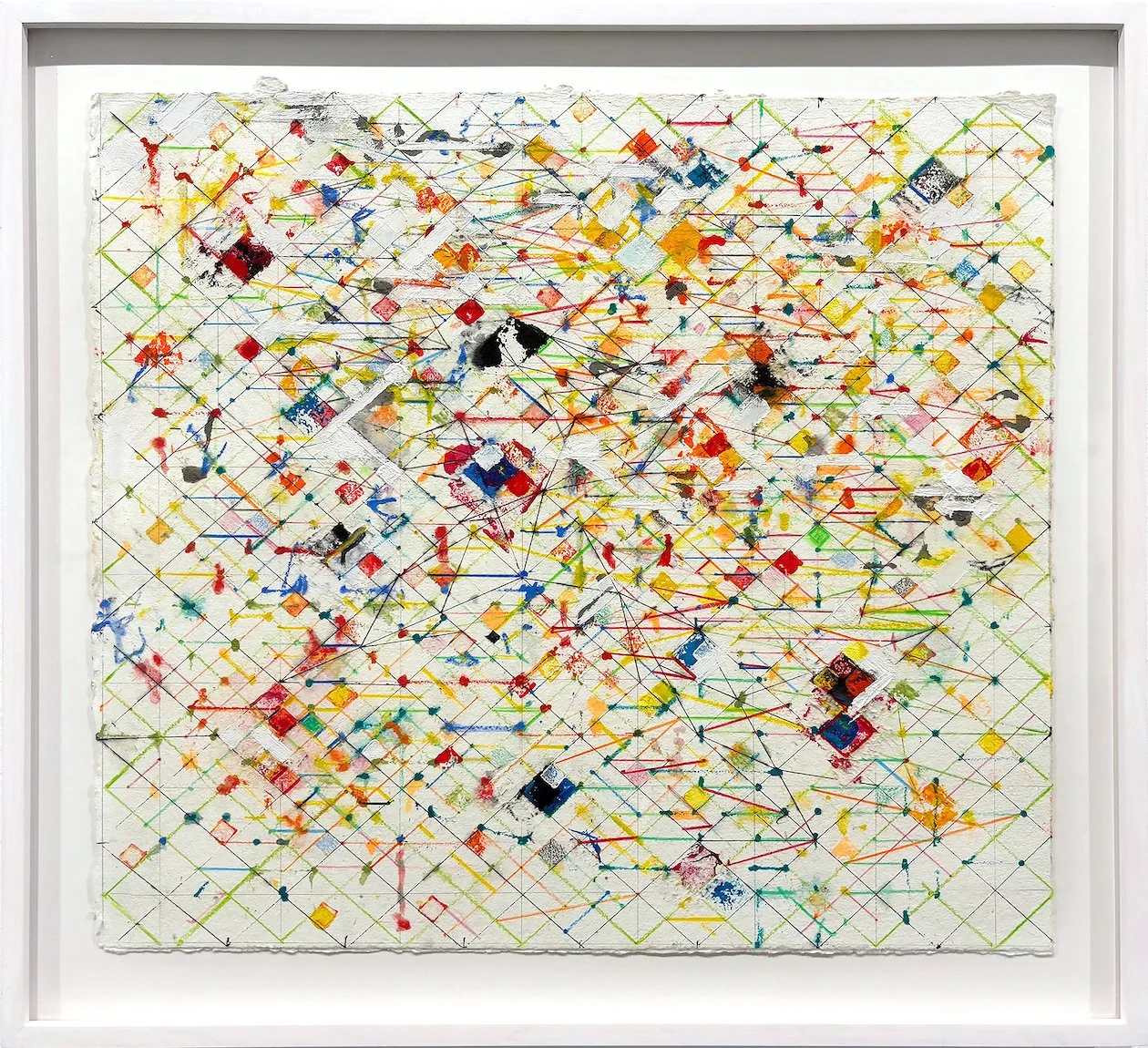
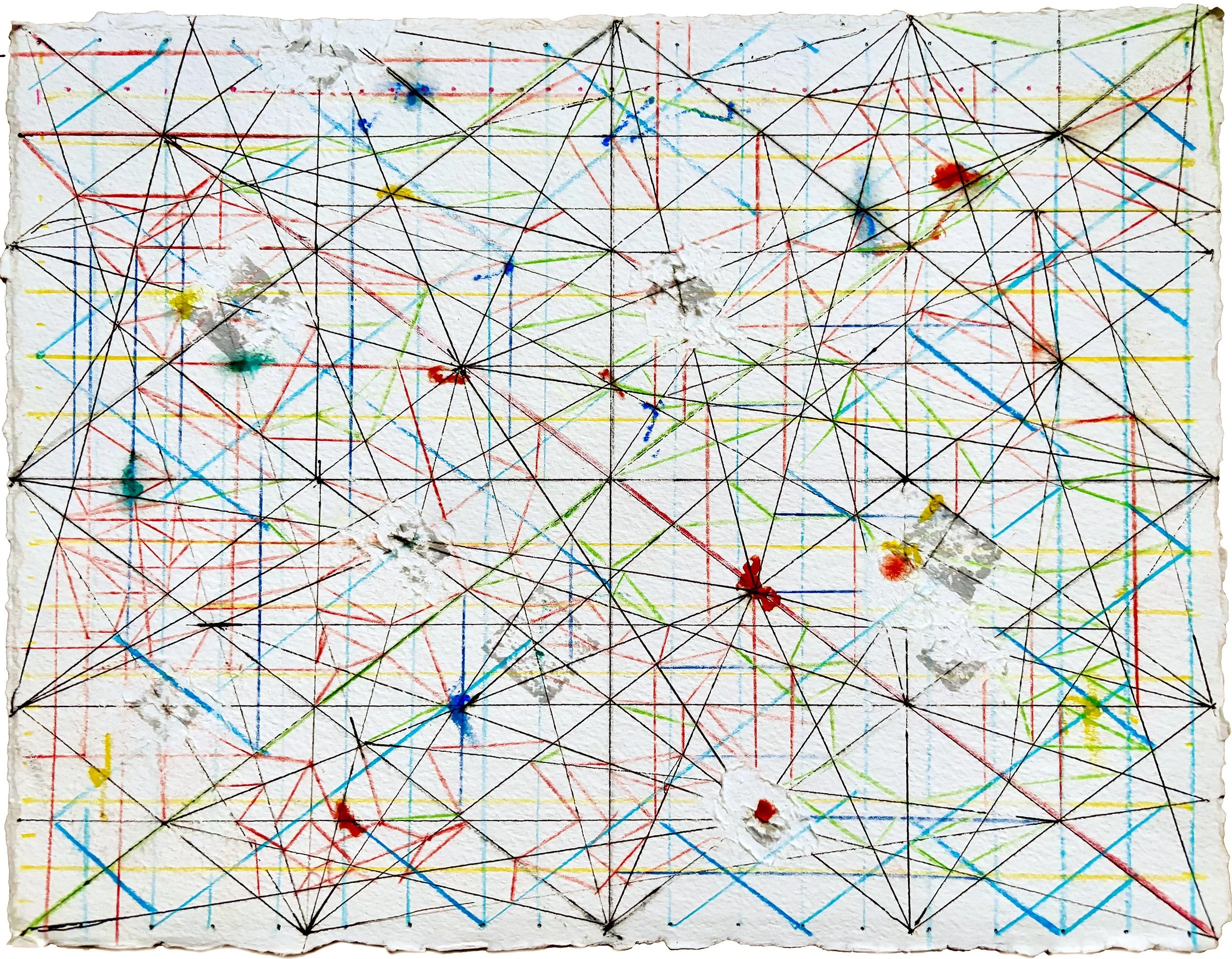
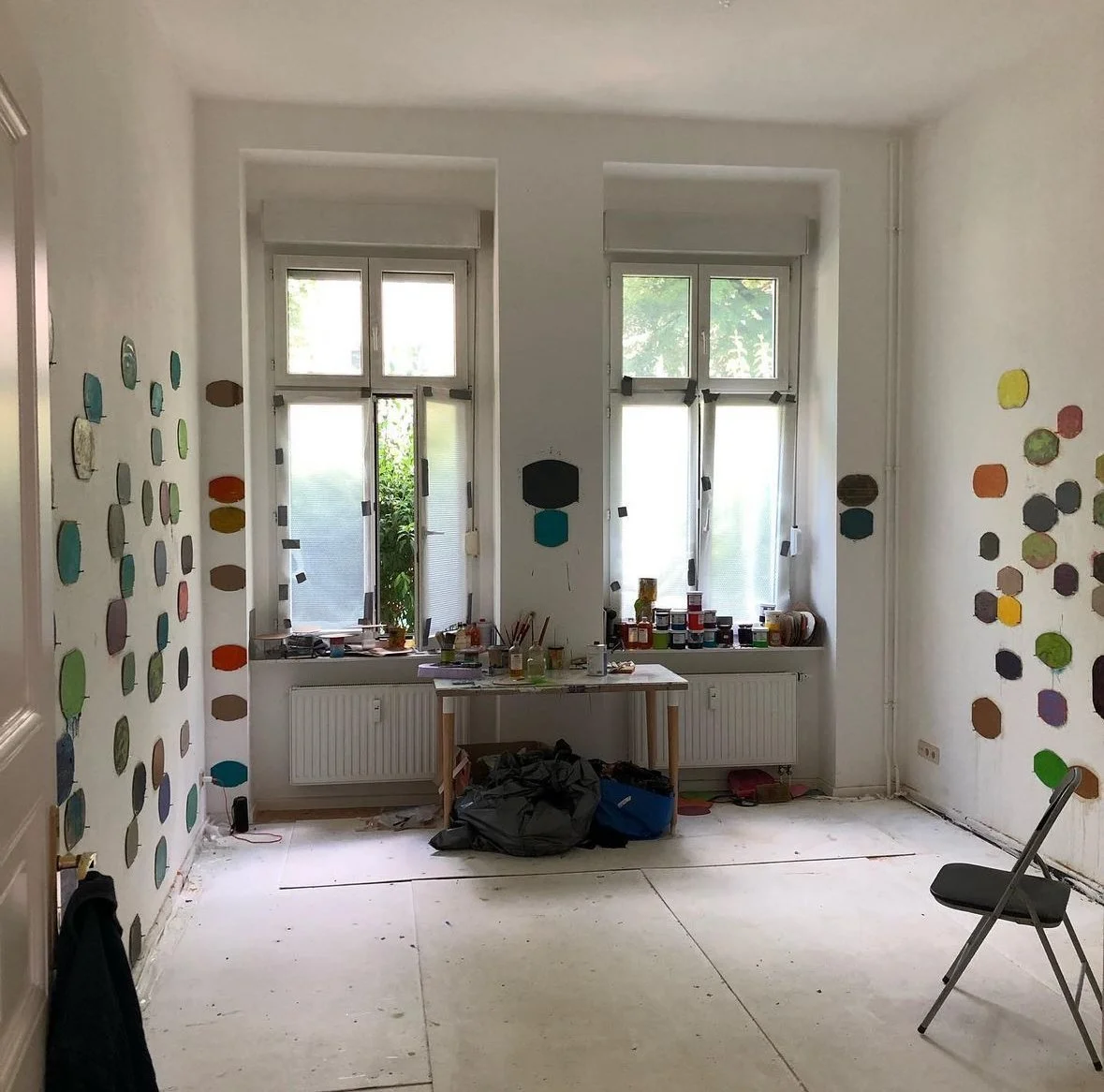
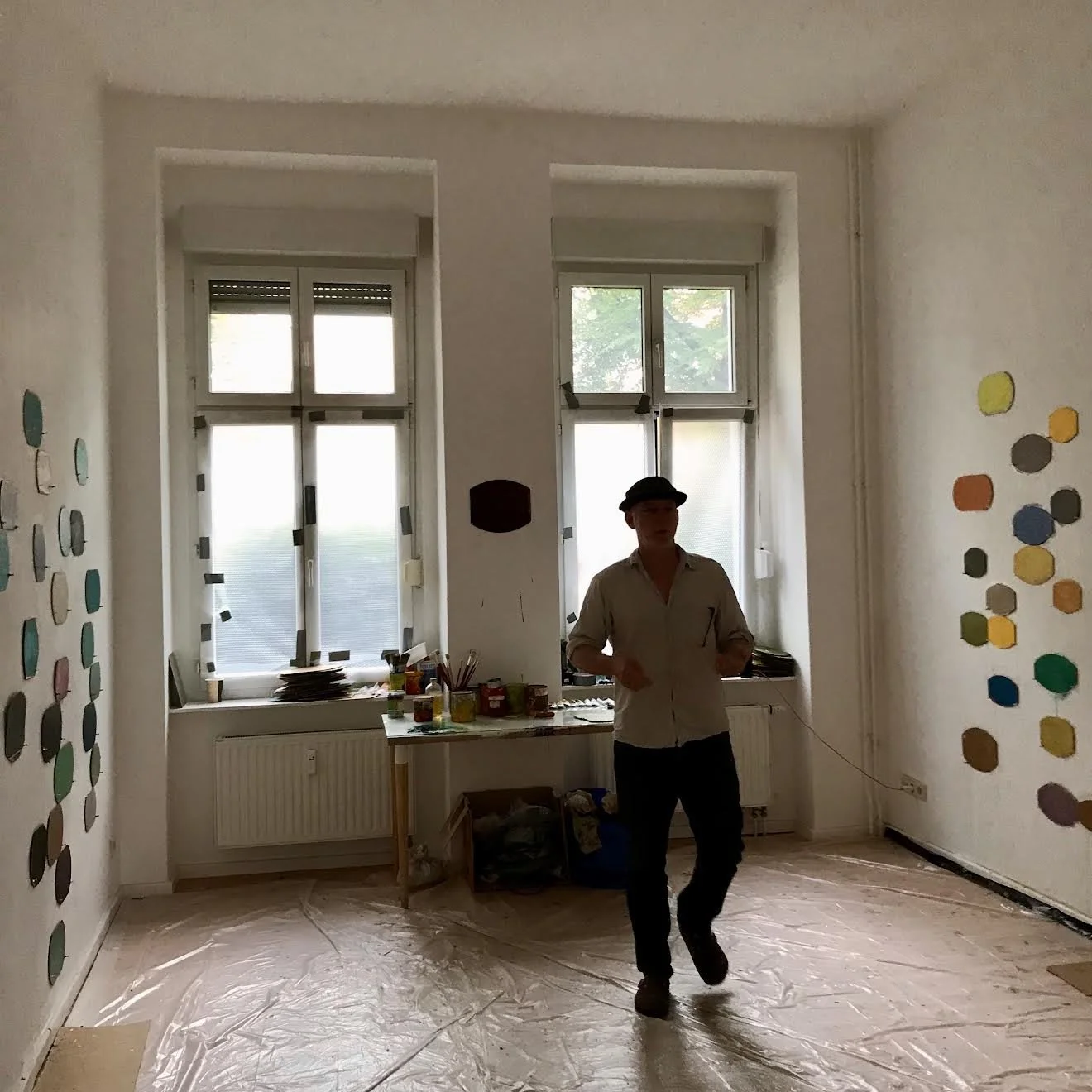
This is work that directly addresses the wall and the room it’s in. Scale is important, and while you don’t need any information outside what’s in front of you to engage with it, you do need to be in the same room. True of many paintings, of course, but it’s a very different experience than with a portable rectangle.
What inspires you?
There’s a moment starting a new piece where you get a glimpse of it’s possibility, like an invitation, or dare. When it arrives, everything lights up - even the grunt work.
Can you speak about your process?
I don’t really have a process. Whatever the method, it’s adaptable as needed.
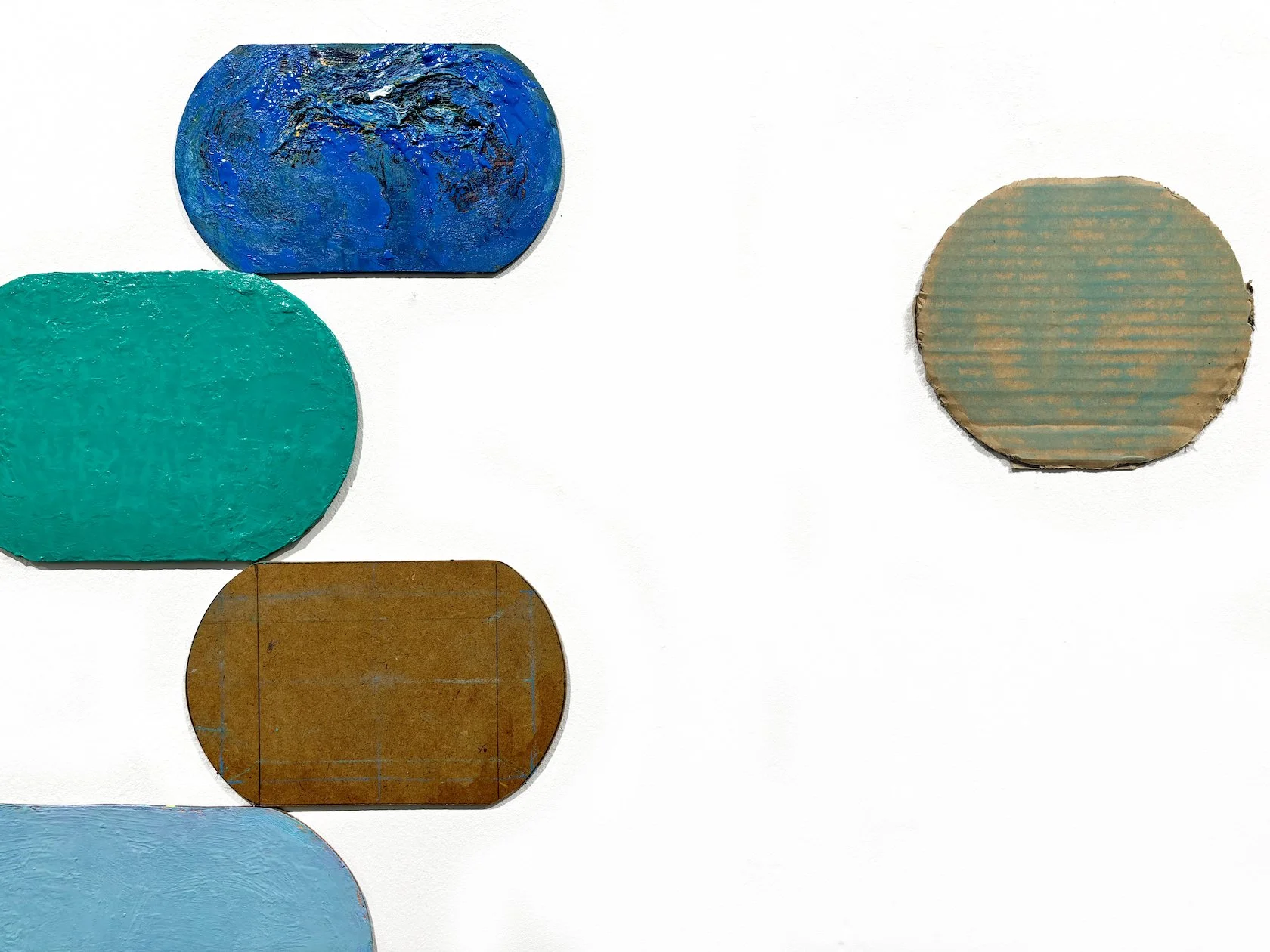
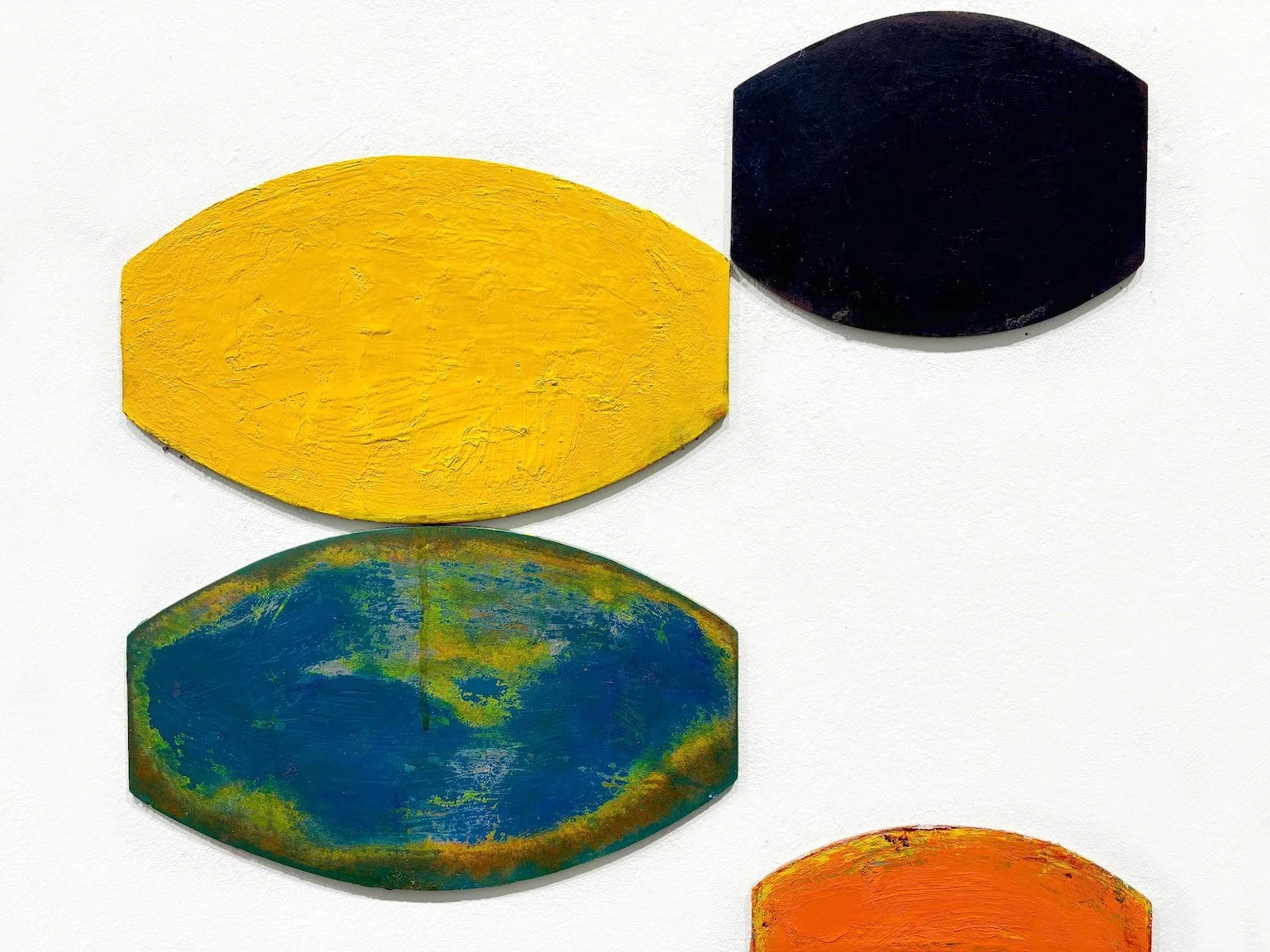
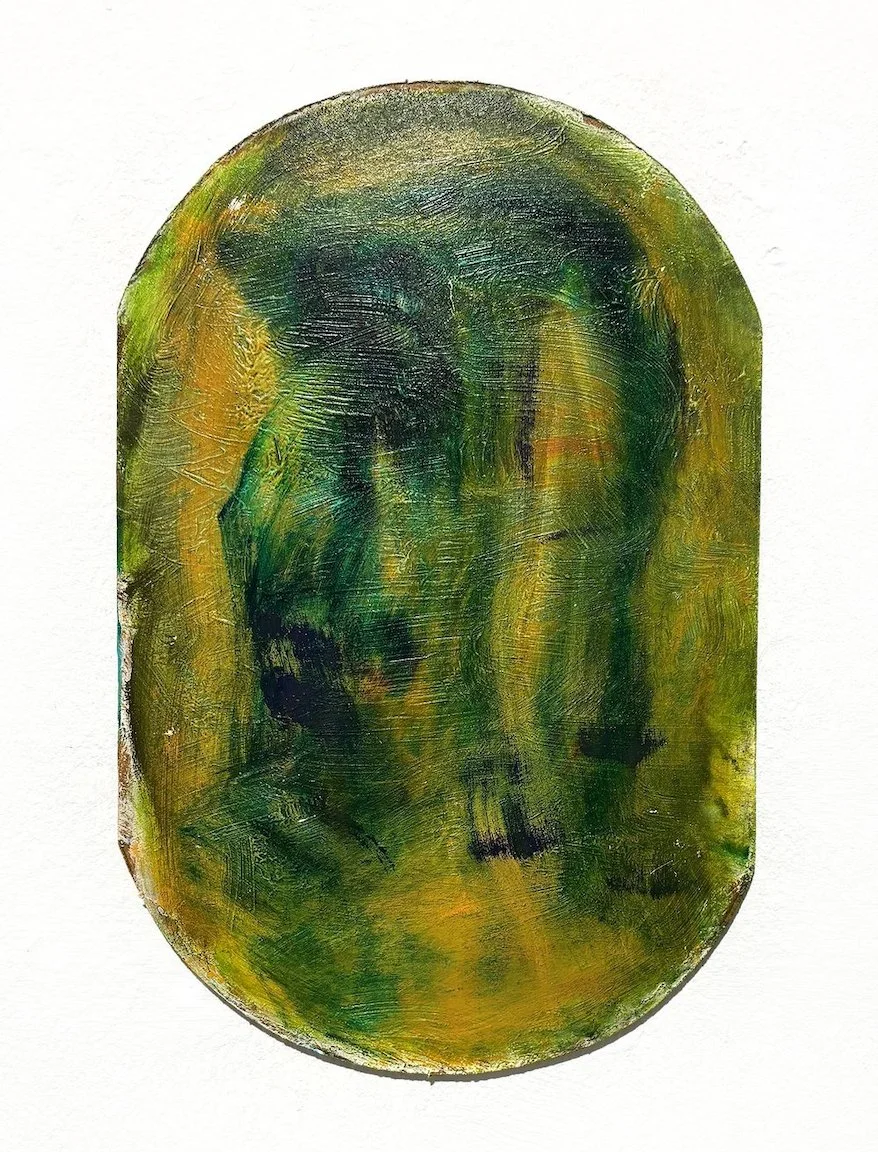
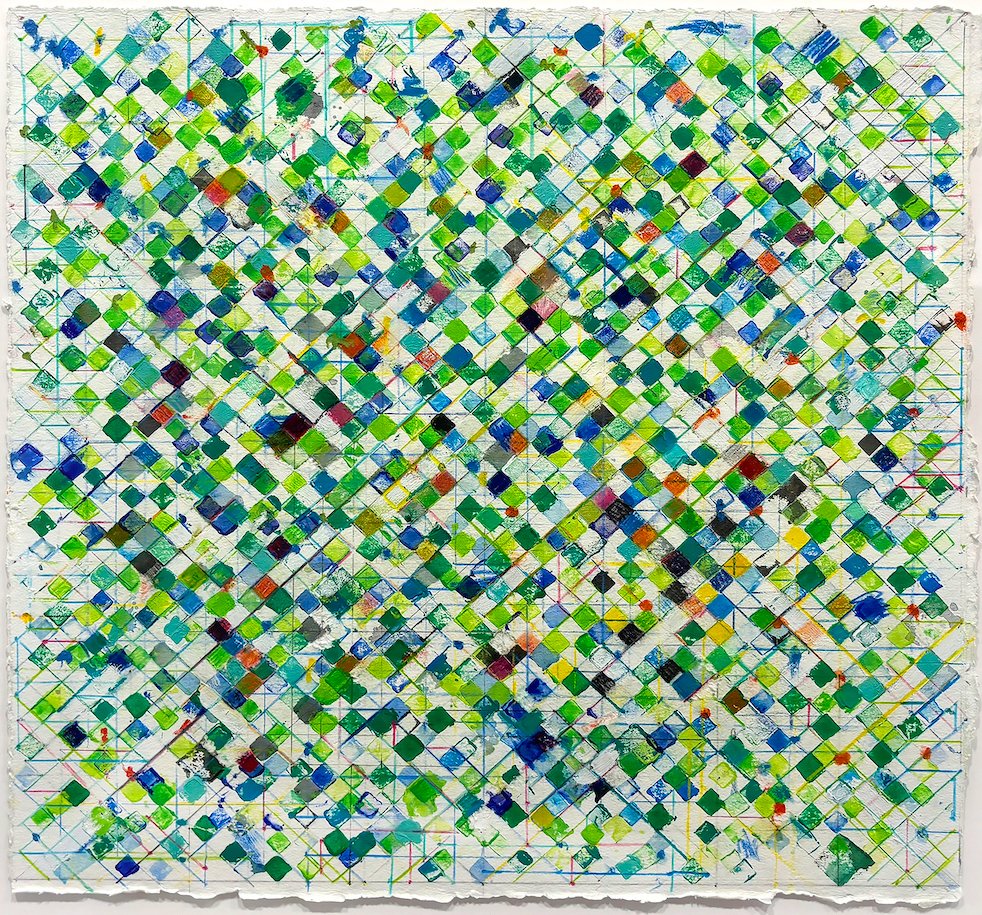
Sometimes work can take a long time - the recent paintings took 6 years - but it’s not a rule. I want the paintings to be grown.
How did you become interested in art?
I don’t remember a time when I wasn’t thinking with my hands somehow, beginning with ordinary kid stuff. But there were degrees of involvement, a developing awareness of an internal event horizon, so to speak, which still goes on.
Working in my mom’s unfinished basement in HS, quite literally a basement on a hill (h/t Elliott Smith) was foundational. I set up a drawing table, painting area, there was a drum set, a guitar, a 4 track recorder, a D+D table, some unused weights, storage boxes and two indoor cats. No one was around to tell me how terrible something looked or sounded and I was able to develop in a very organic, primitive way. That quiet made it easier to really listen to what was going on, to start finding workarounds for my limitations without having to be self-conscious about them.
Being fully here, there (then), able to engage every facet of myself - was my introduction to the condition for fine art.
Do you have any favorite artists, movies, books, or quotes?
I spent a lot of time looking at and thinking about Hilma af Klimt and Mondrian, Agnes Martin and Pollock, and Eva Hesse and Jake Berthot - what I consider the spine of 20C painting. [I know, her main work was in sculpture, but that work had such a heavy impact on painting, I can’t entirely separate it].
But other people whose work keeps feeding me after decades include: Tim Berne, Anne Carson, Frank Lloyd Wright, David Foster Wallace, Chantal Ackermann, Joseph Brodsky, Ken Jacobs, and Laurie Spiegel.
Some key experiences:
discovering Inness and Blakelock on a field trip to the Wadsworth Atheneum in Hartford and realizing I wasn’t crazy;
walking through Florence, Italy, as a kid, the first hand-made city I’d seen. Built during an illiterate time, just walking around you absorbed a complete education in stone: from centuries of boots smoothing a step; to rough hewn lintels; to precisely chiseled marble block - taken together, a master class - and all of it still doesn’t prepare you for what you see stepping under the archway into the Accademia ...
working with Denzil Hurley at Hampshire College, a kind of psychic accelerant;
finding the petroglyphs and drawings in a shallow cave in the Canyon Del Muerte, Arizona, made by all these different hands, under an overhang the exact proportion as the sky above the canyon walls;
guarding Pollock’s Autumn Rhythm as a nightwatchman at the MET;
a long involvement with 3D visualisation - working on scale-less, place-less images.
What advice do you have for younger artists?
It’s not really advice, but funding the studio yourself is a radical act of freedom. At any time, of course, but especially today. That kind of freedom makes some people really uncomfortable and you need to protect and sustain yourself somehow - though how, exactly, can only be worked out by the practitioner.
Because artists are like rockets: the fuel that launched you is not the fuel that sustains you up and out here.