Amy Heller
Cape Cod, MA
Website
www.amyheller.com
Social Media
Instagram
Facebook
Bluesky
How would you describe your work?
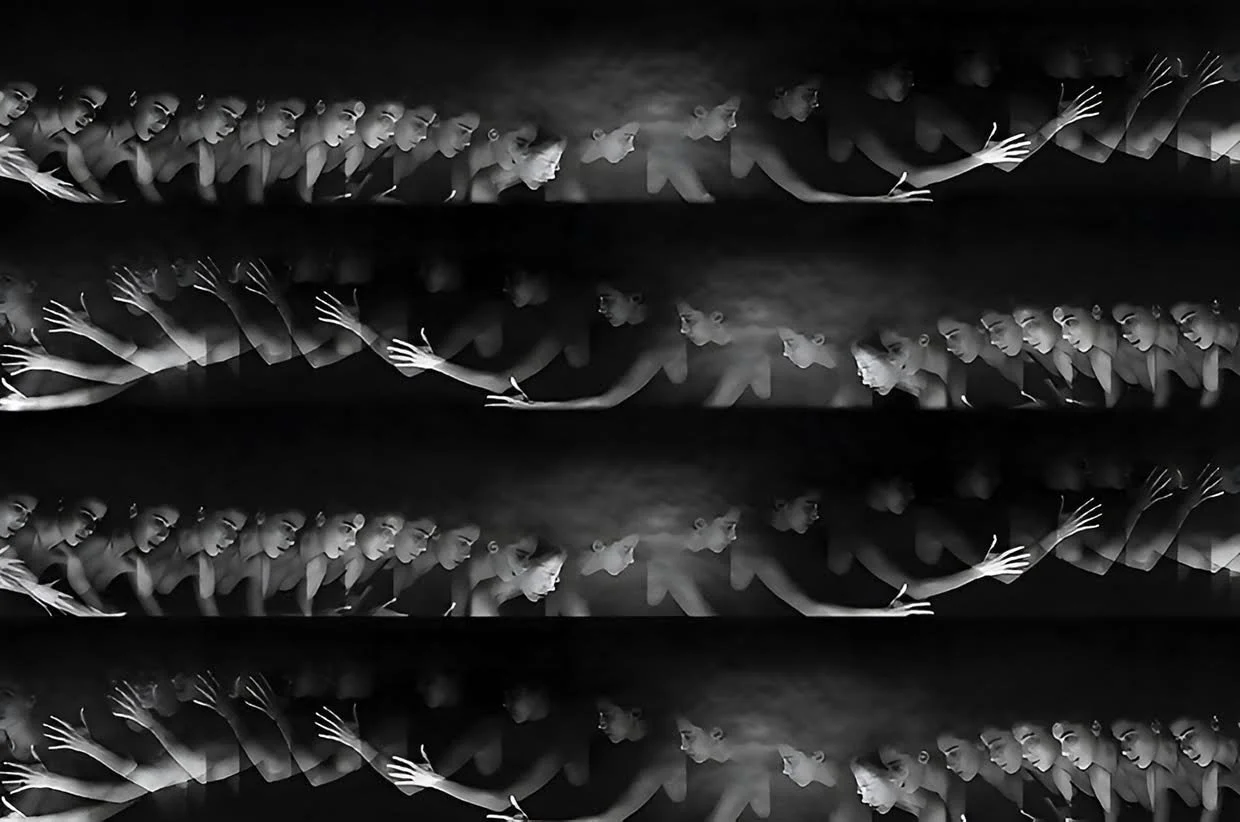
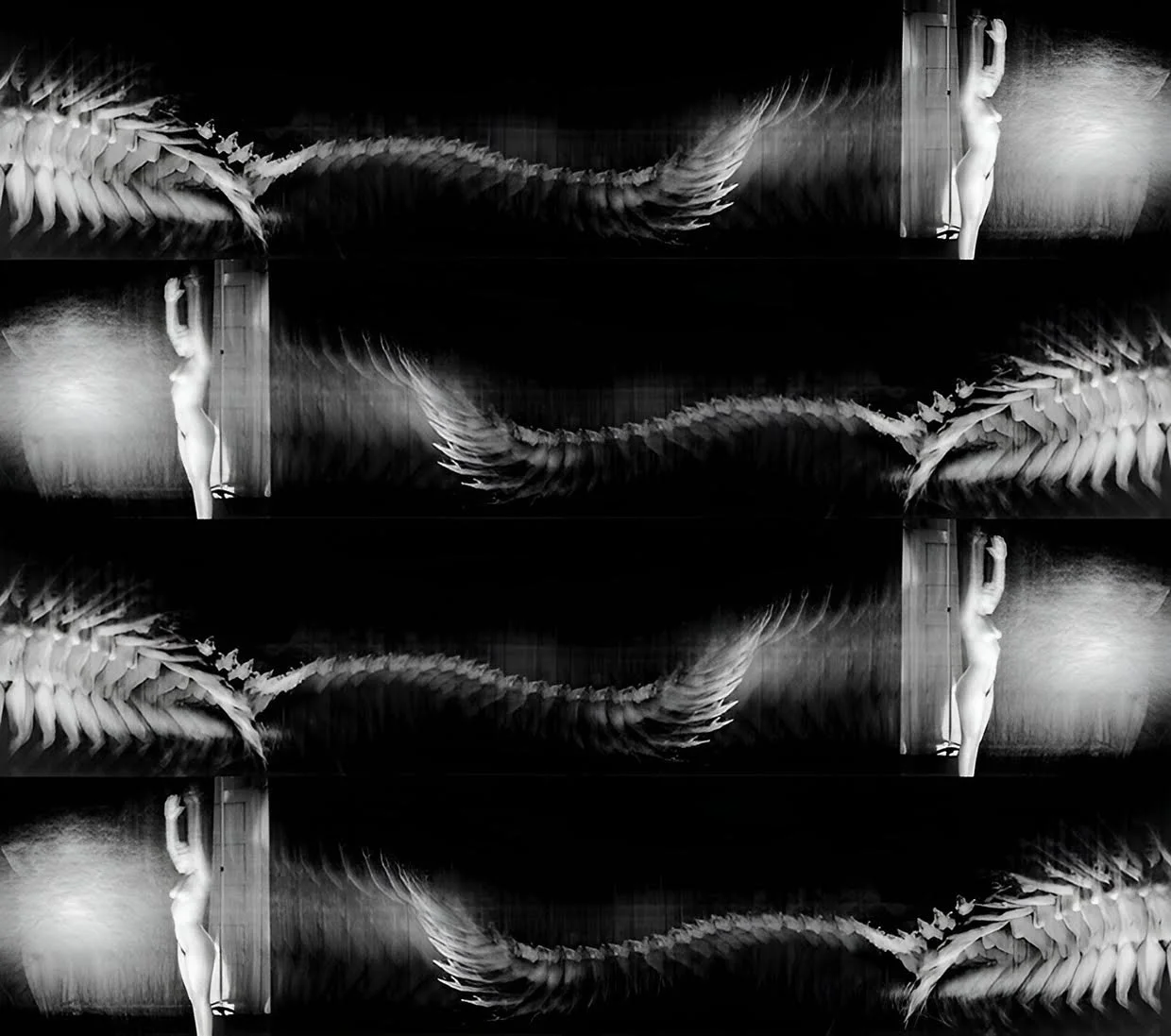
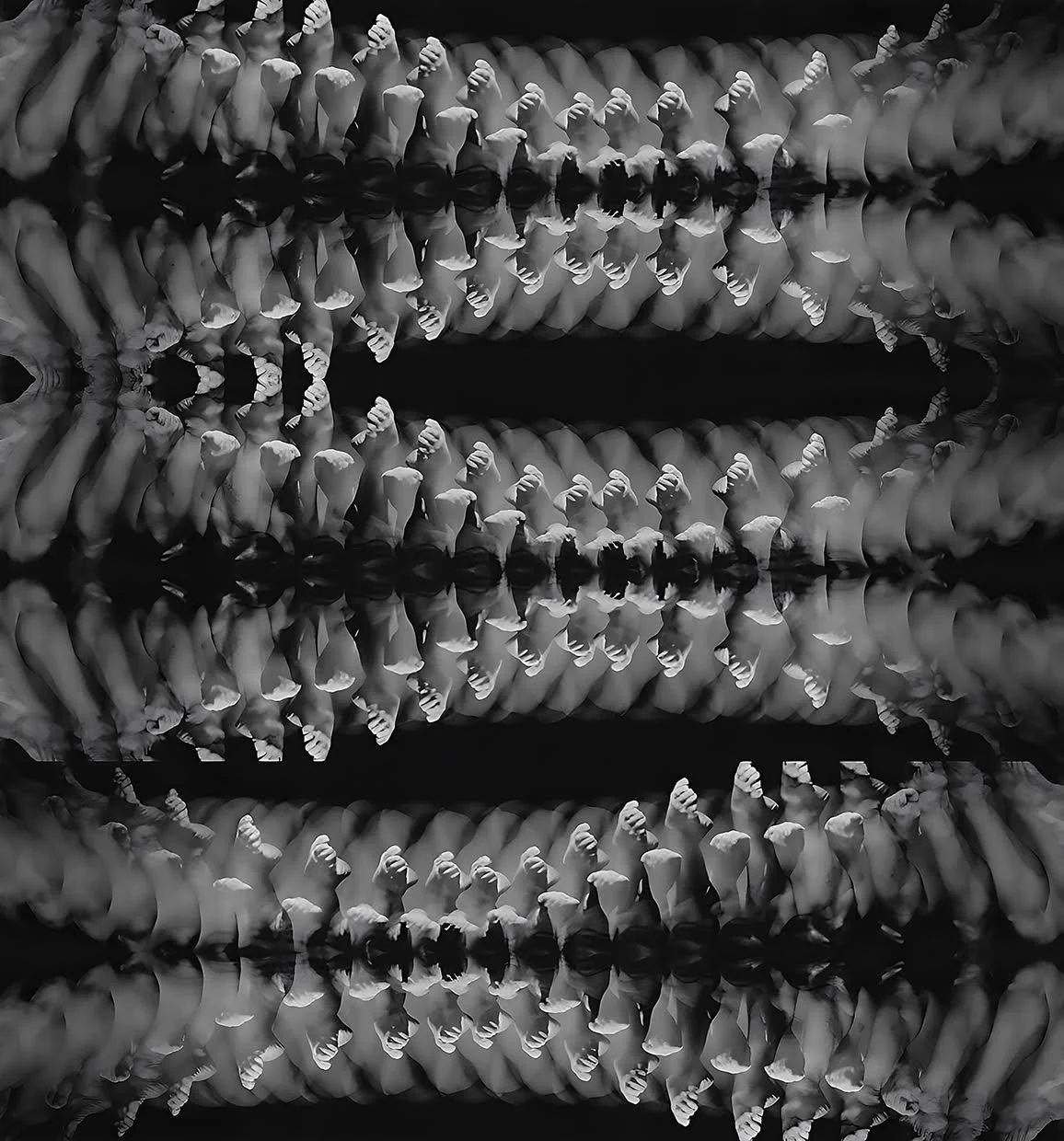
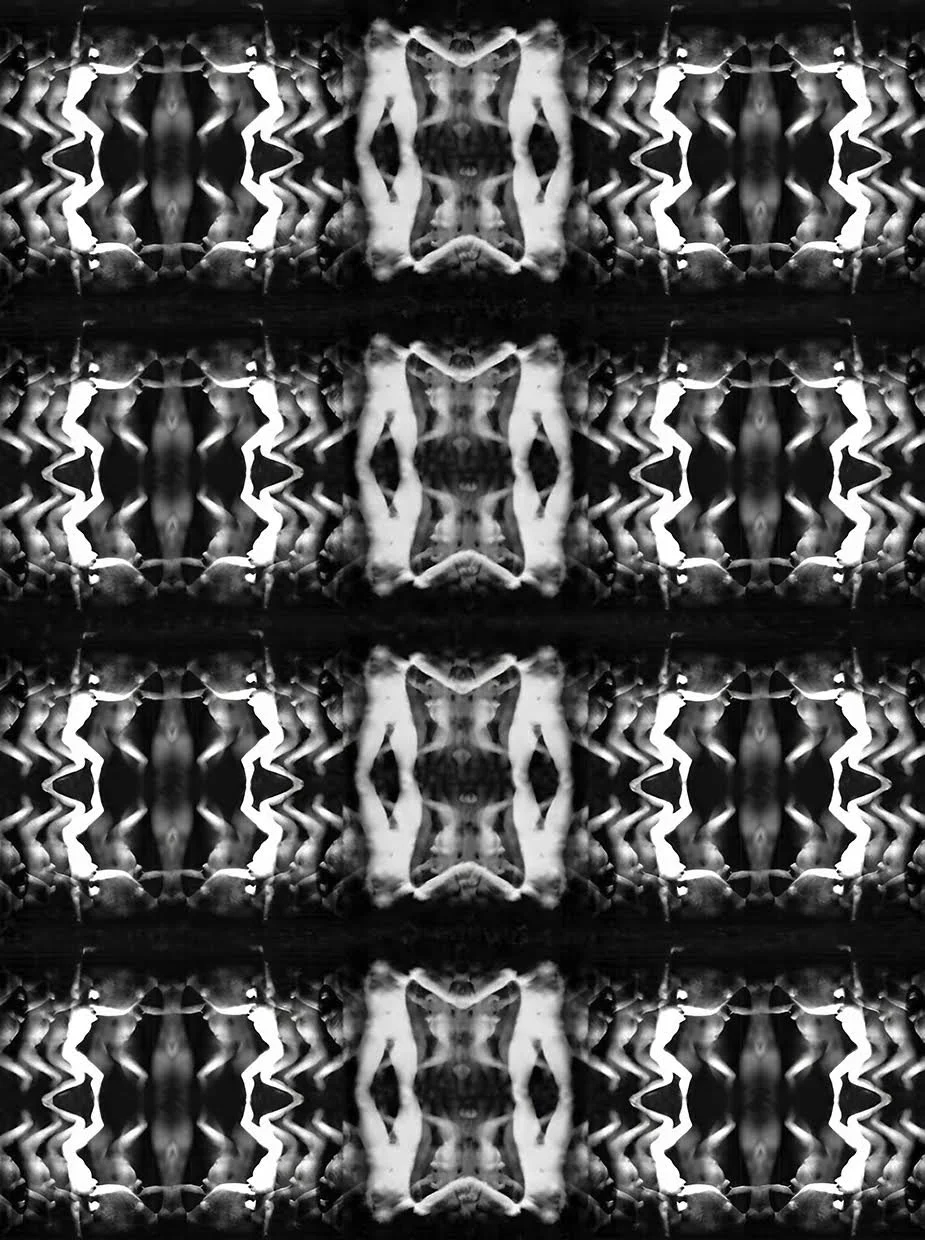
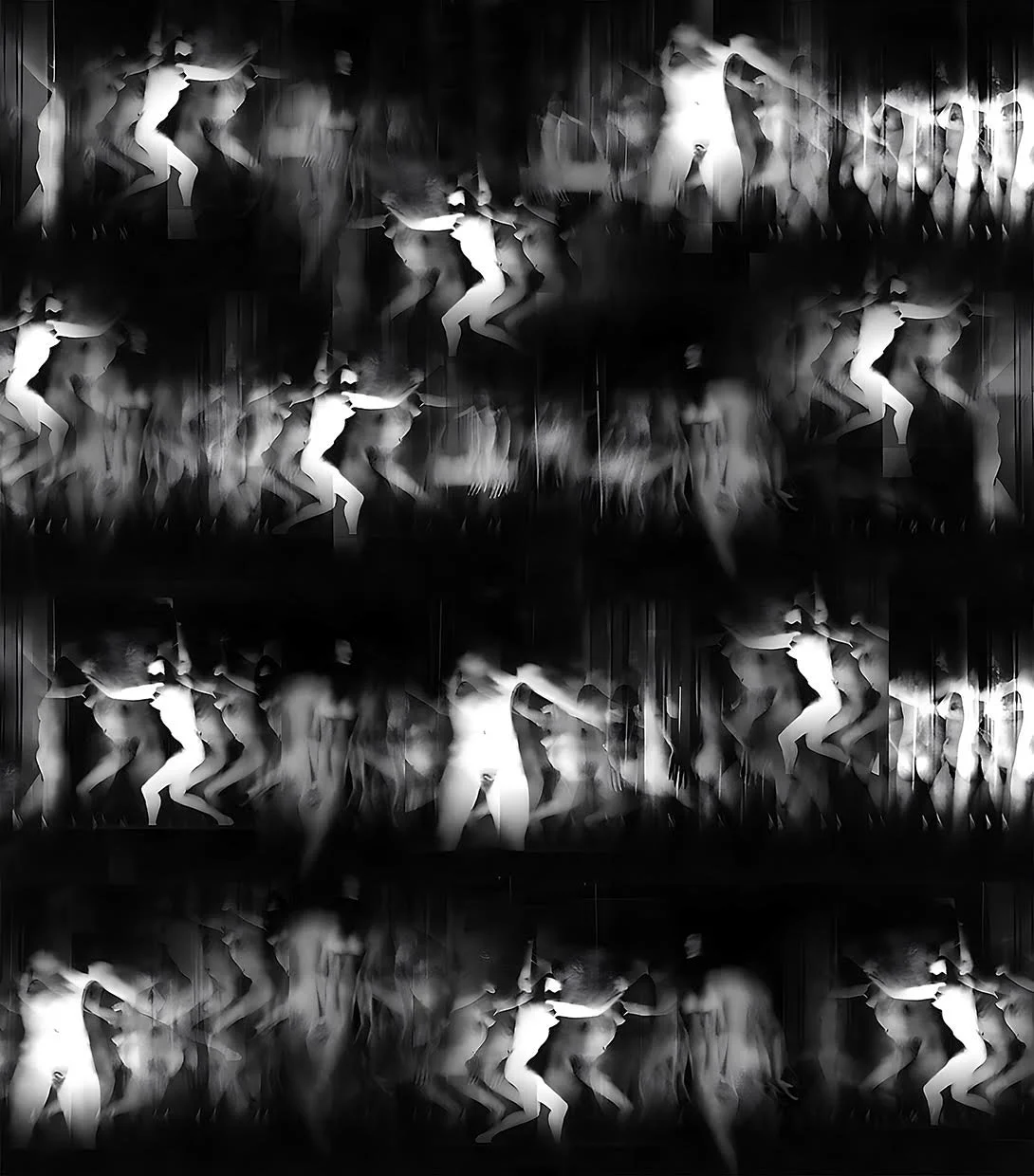
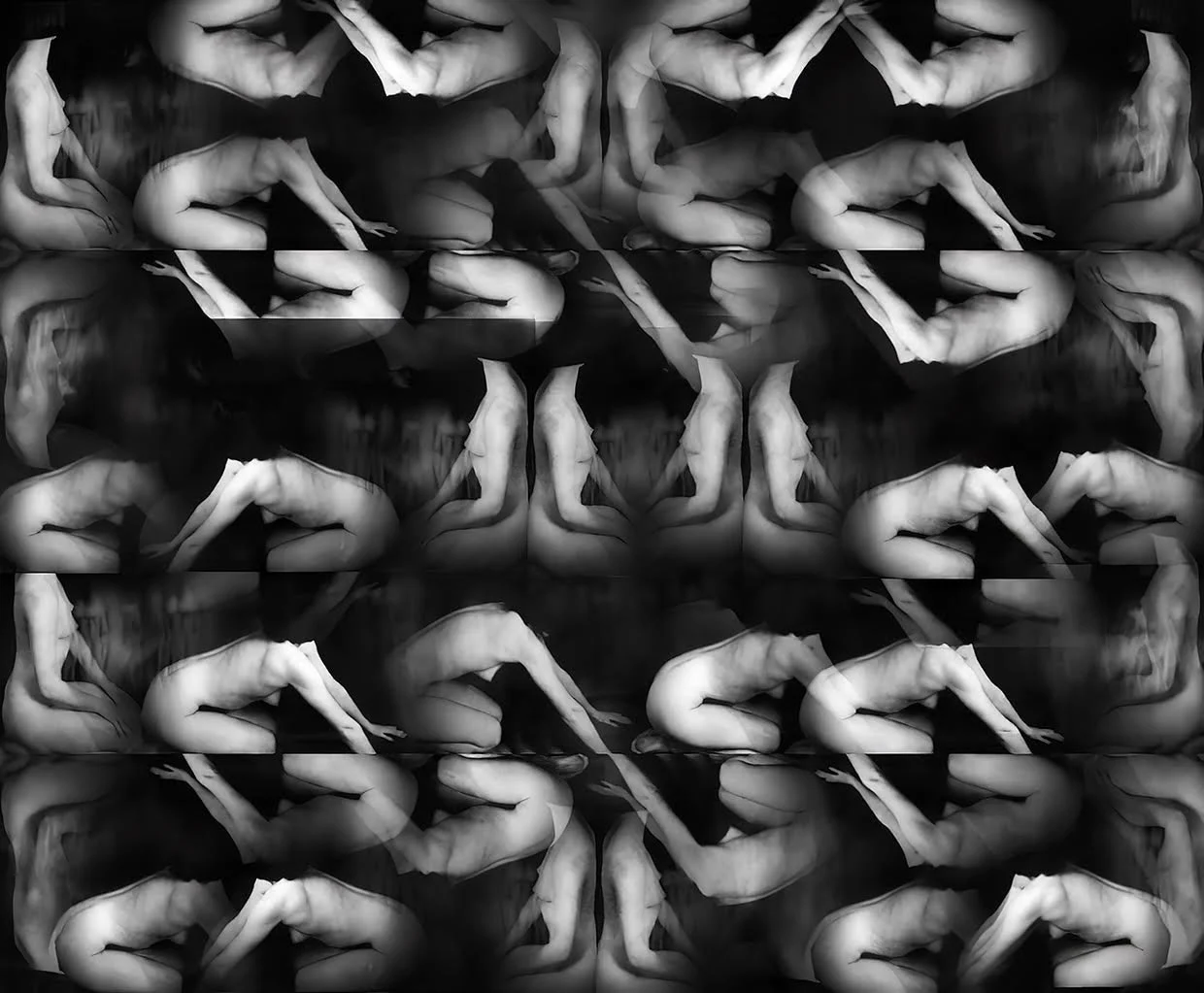
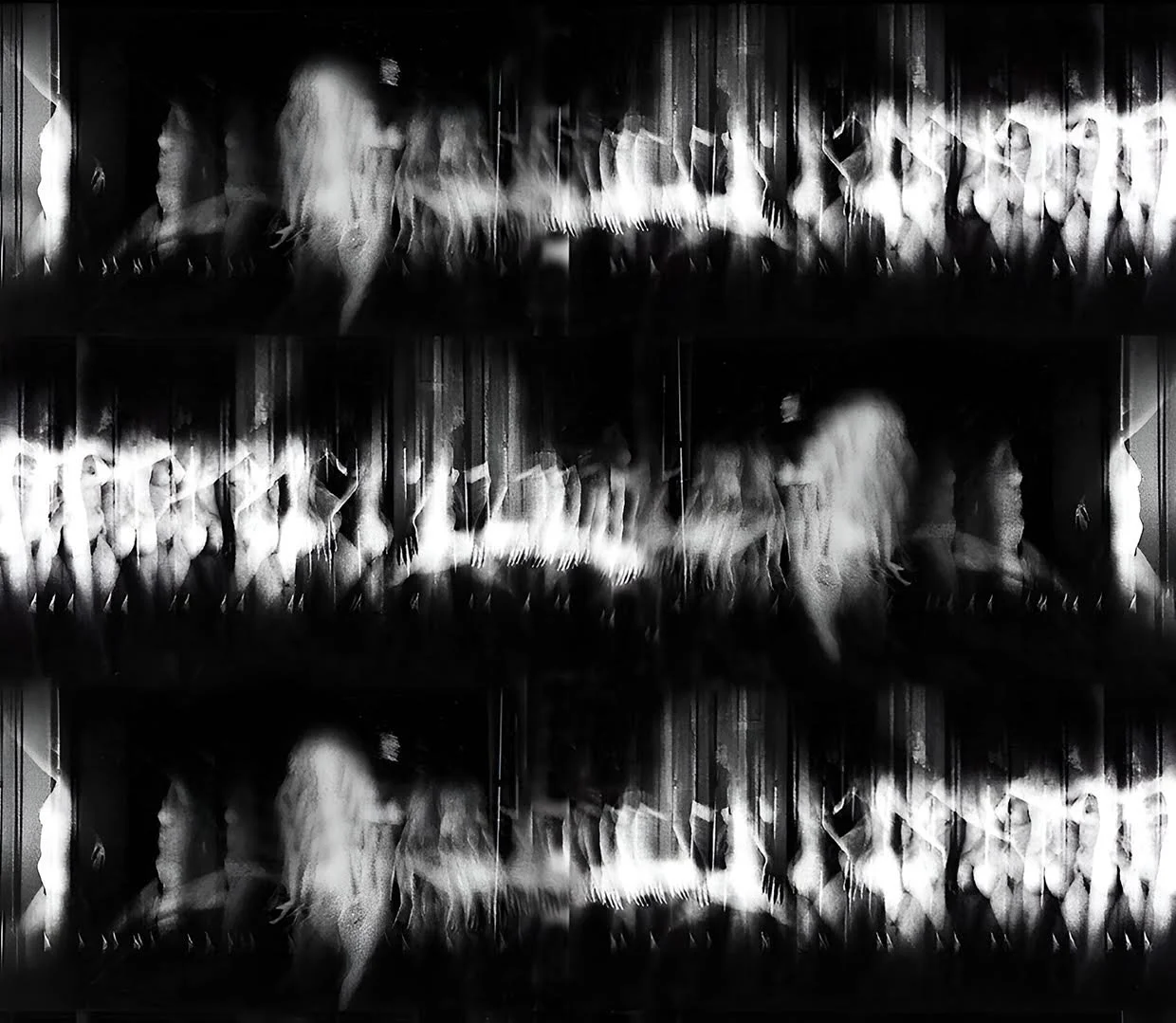
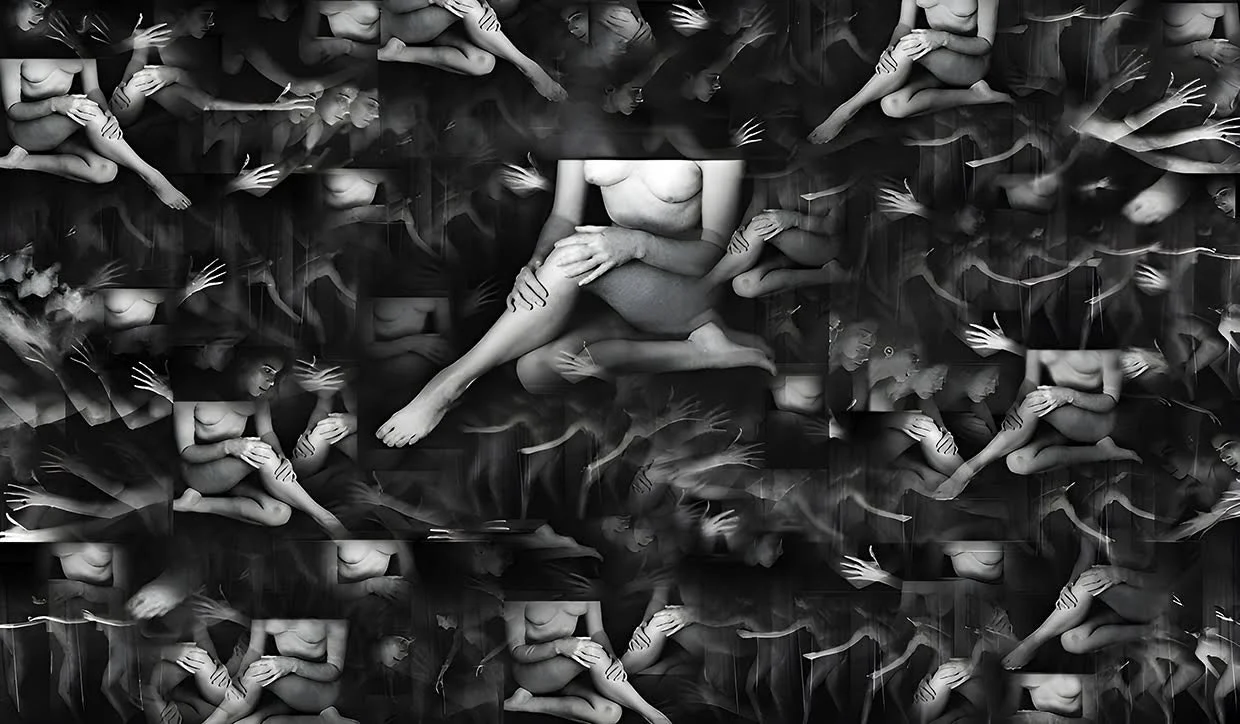
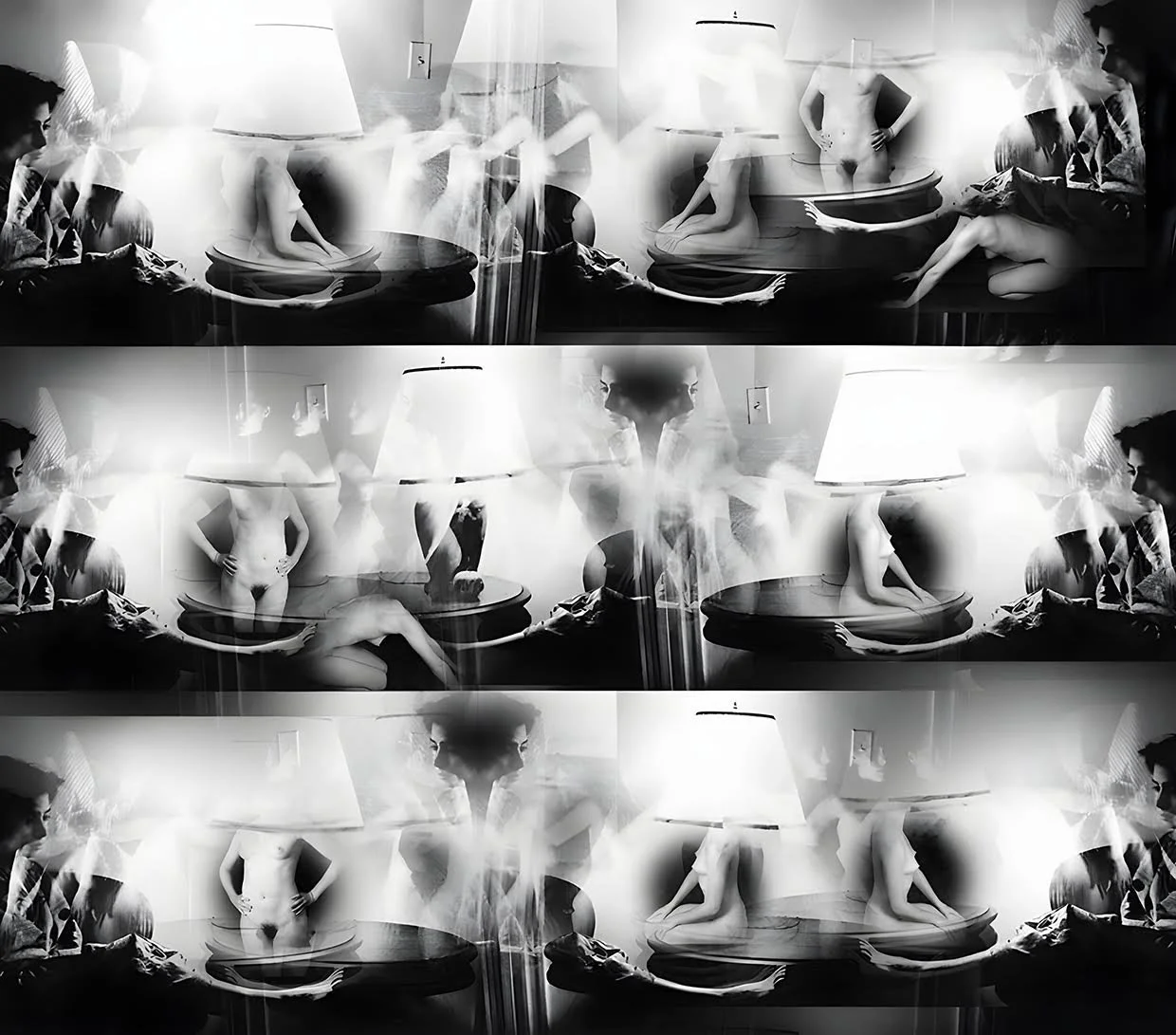
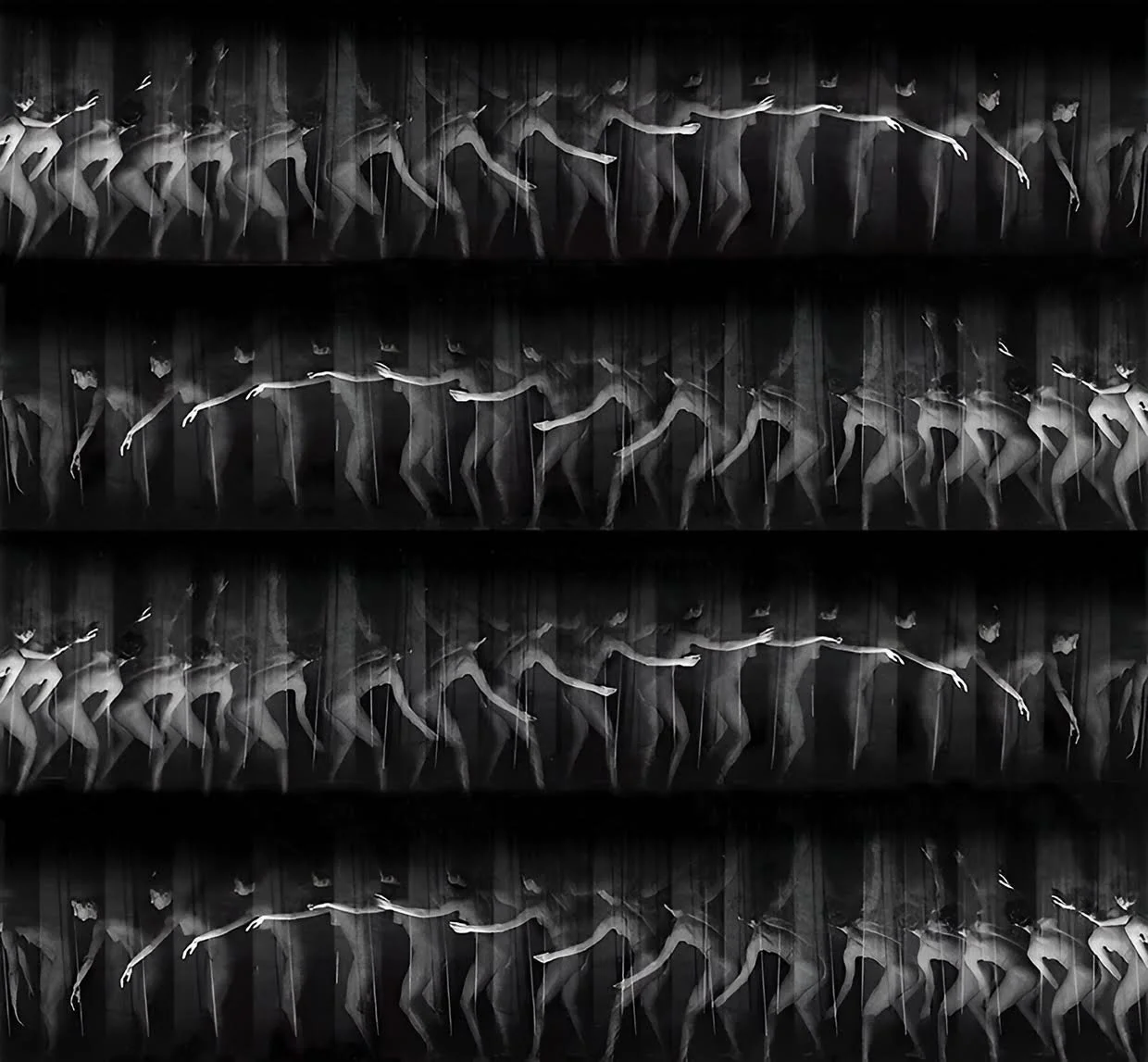
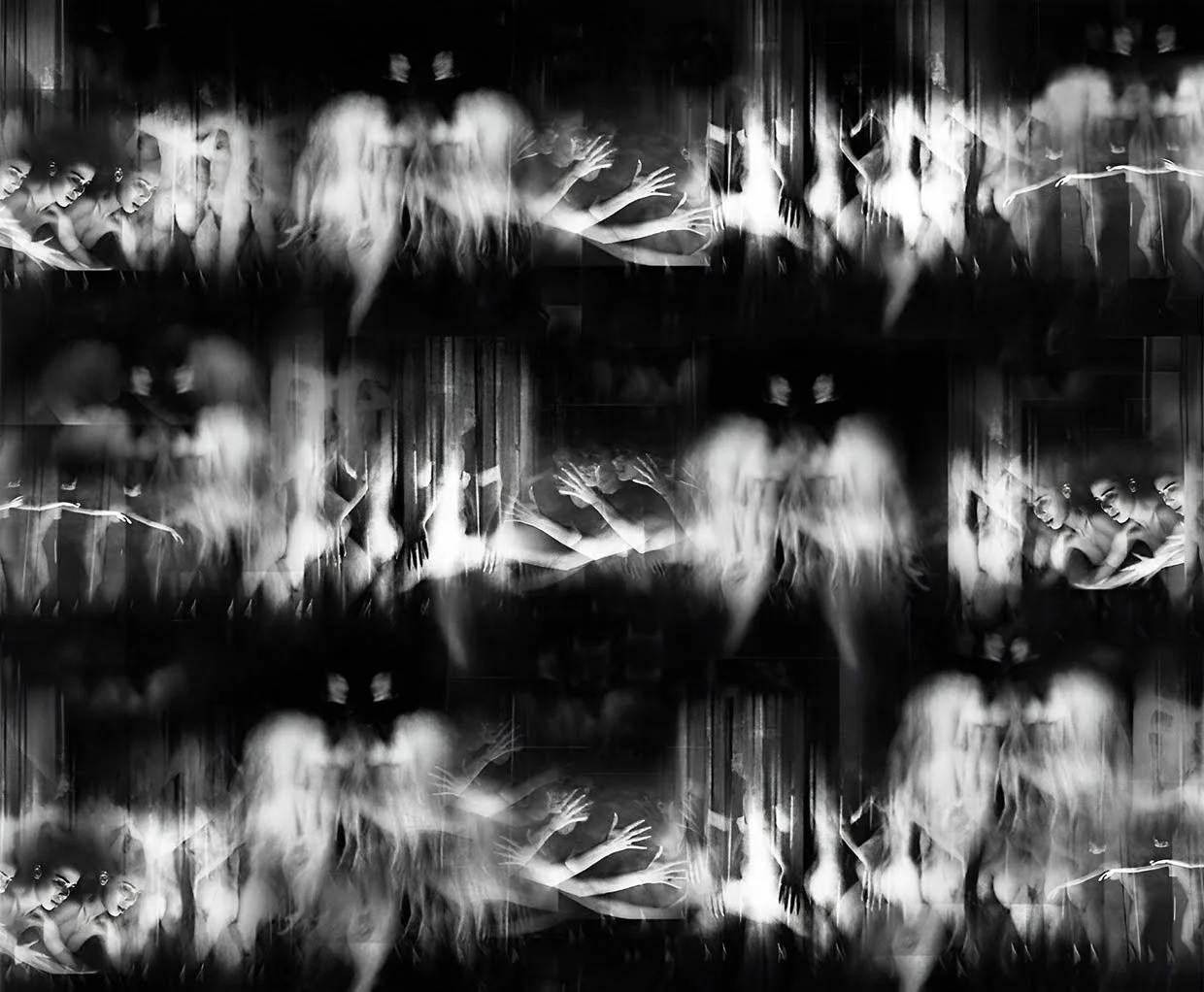
My photographs not only explore motion and the passage of time, but the strobe stops the motion and reveals phantom images/shapes that exist yet cannot be seen with the naked eye: seeing the unseen. I love the mystery of the liminal spaces and the “filmstrip” unfolds a sequential story.
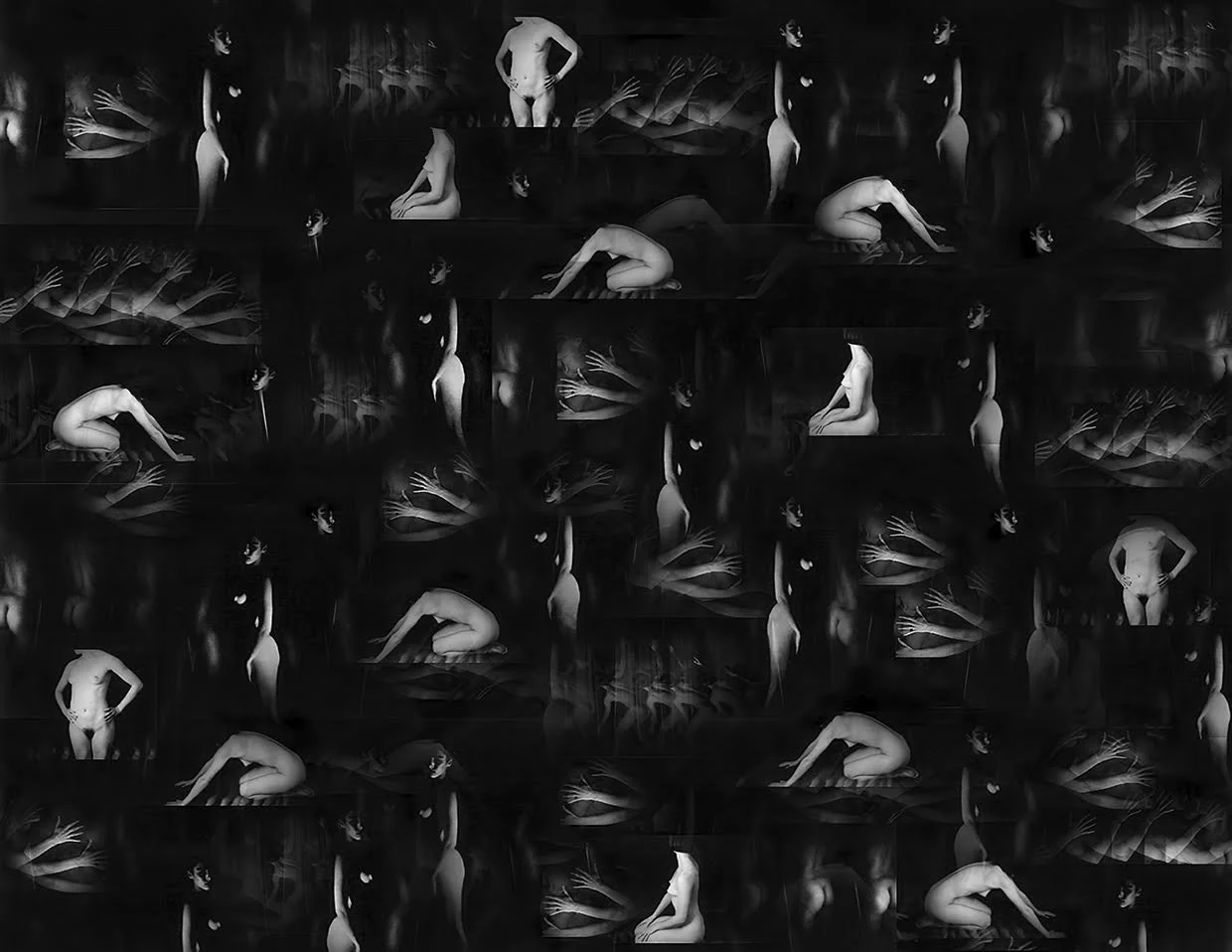
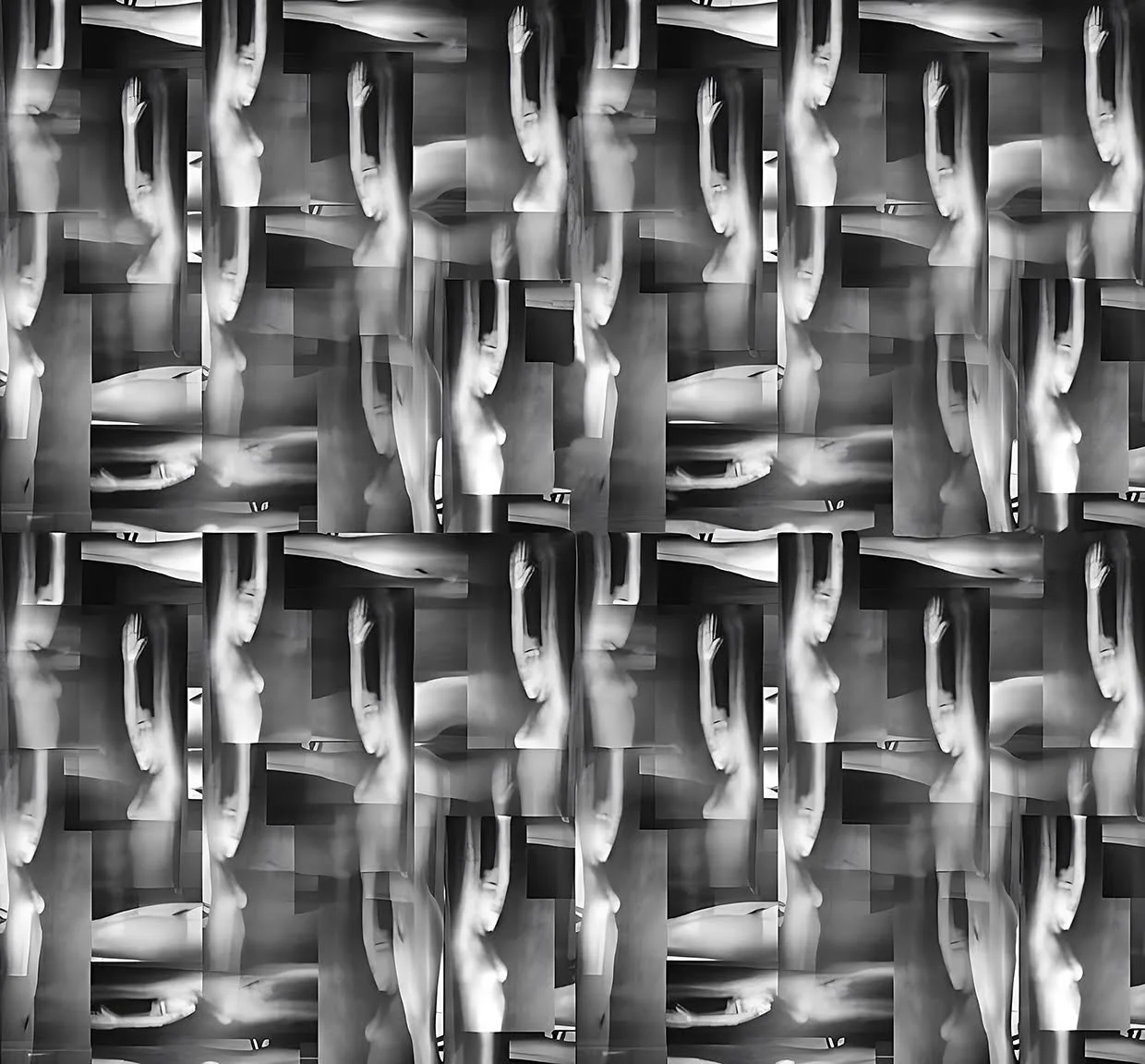
My new reimagined version of Time/Motion Study Multiples where I digitally collage analog photographs adds another layer of mystery by using mirrored images, repetition of shapes, etc. One of the benefits of printing digitally (Fine Art Archival Pigment Photograph) is that they can be printed much larger and the fine details are much more visible.
What inspires you?
I love motion, dance, wind-up toys, wind, waves. Anything that moves. And that’s just in terms of describing what inspires me when I make my Time/Motion Study Multiples.
Can you speak about your process?
When I started working with Time/Motion photography I used the Moving Film Stroboscopy method of photographing motion, winding the film past an open shutter while simultaneously using a flashing stroboscope controlled by a foot pedal. I used a bedroom in our house for a studio and blacked-out the windows. I directed/choreographed the model to move in certain ways in front of a black backdrop. One day the camera jammed and I thought I had broken the camera, but something made me process the film anyway and the resultant multiple images were wonderful! I recreated these effects by reloading the film into the camera a second time to get multiple exposures, changed the aperture, and also the speed of the stroboscope while shooting. Although some photographers use more precise methods of shooting motion, I prefer the spontaneity, overlaps and abstractions, and happy accidents of the process. Then the film had to be processed and once the film was dry I selected sections that I wanted to print, between 5” and 10” strips (5” for a 4” x 5” enlarger, 10” for an 8” x 10” enlarger).
Printing was a bear. Lots of multiple exposures created a lot of high key/hot areas, so burning and dodging was a big part of the printing process. Needless to say my arms got a good workout.
How did you become interested in art?
I’ve been creating since I was a little girl. I was always drawing, painting, sculpting, and visiting museums. A friend of the family, Peter Busa (Abstract Expressionist painter and friend of Willem deKooning) told me that I was going to be an artist. That was when I was five years old!
I have always loved dance and movement. As a child I was constantly in motion, dancing to the Beatles or pretending to be a ballerina. Even when seemingly at rest I “moved.” I would lie on the living room couch, staring up at the cathedral ceiling, dreaming of the world upside-down. As an adult, I still have a fascination with motion and time: I am a child at heart, evidenced by my large collection of wind-up toys.
Do you have any favorite artists, movies, books, or quotes?
Artists: Étienne-Jules Marey, Edweard Muybridge, Henri Matisse, Pablo Picasso, Man Ray, Joseph Cornell, Duane Michals, Francesca Woodman, Harold Edgerton, Eva Hesse, Mark Rothko, Varujan Boghosian, and Ray Metzger (my professor at The George Washington University). Just too many to name.
Movies: Cinema Paradiso and The Clock (Christian Marclay). Really, too many to mention.
Books: Way too many to name! Usually it’s the last book I’ve read. I will mention that I co-authored a book with artist Gail Browne published by Schiffer Publishing in 2020 called “Lost and Found: Time, Tide, and Treasures” about six artists (I’m one of the six) connected to Provincetown, MA and each other and their beachcombing collections. There are nearly 500 photographs that I took of the artists’ collections along with historical background, vintage photos, stories and reminiscences.
Quotes: I live by this one by Myrna Loy: Life is not a having and a getting, but a being and a becoming.
What advice do you have for younger artists?
Keep playing, experimenting, trying new things, even try things that you might think you’re not interested in (do the opposite and get out of your comfort zone).
Embrace those “happy accidents.” Break the rules, stretch the boundaries and don’t think of failures as mere failures, but instead they can be great stepping stones to something else, or as they say “teachable moments.”
Any more thoughts about art, creativity, or anything else you would like to share?
I believe that even when you’re not putting “pencil to paper/brush to canvas” and are simply thinking/dreaming, you are still creating, 24/7. It is a process that never stops. Mostly a blessing, but sometimes, well…it doesn’t stop!