Poojitha Ravi Menon
Malaysia
Social Media
How would you describe your work?
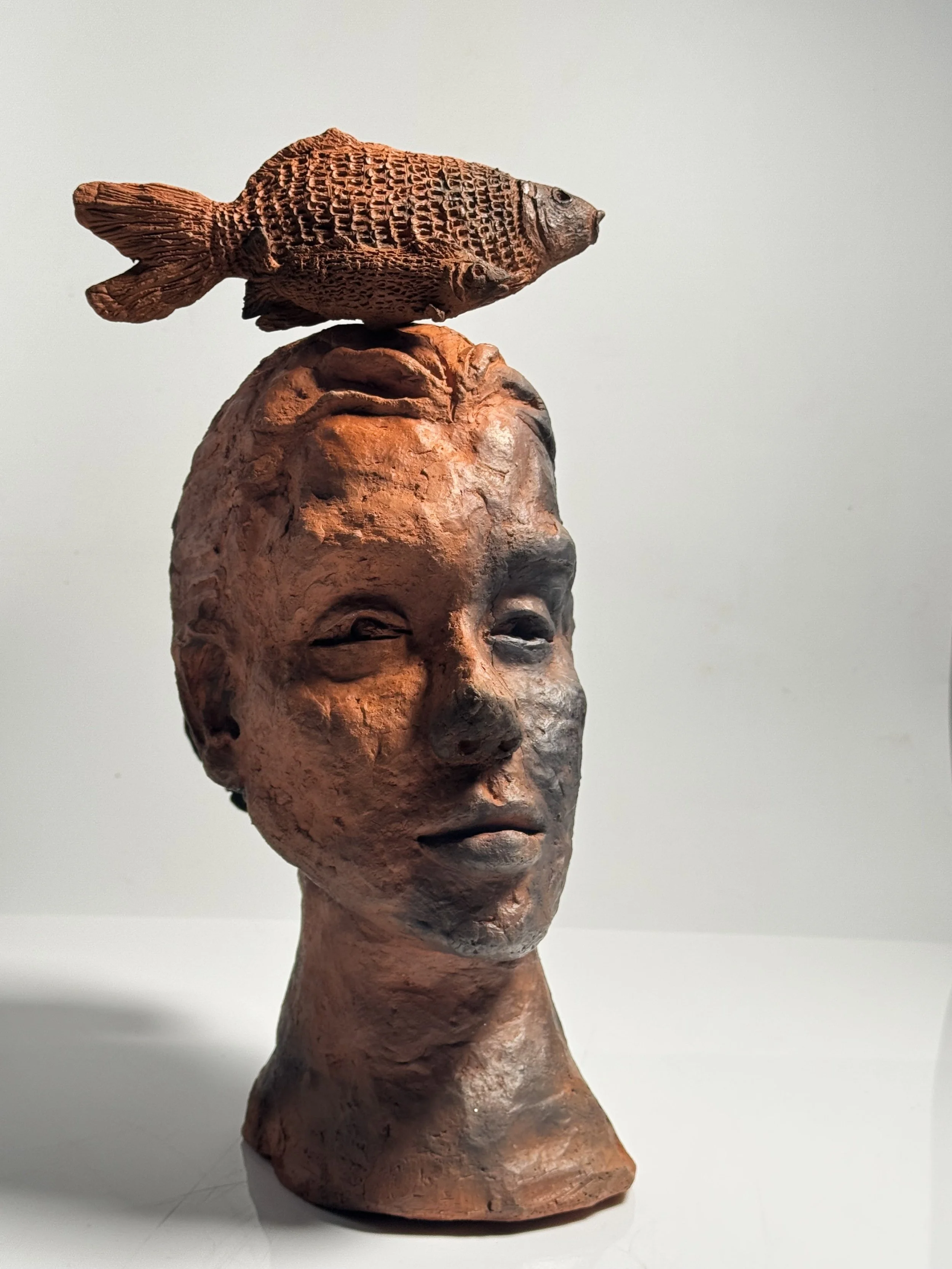
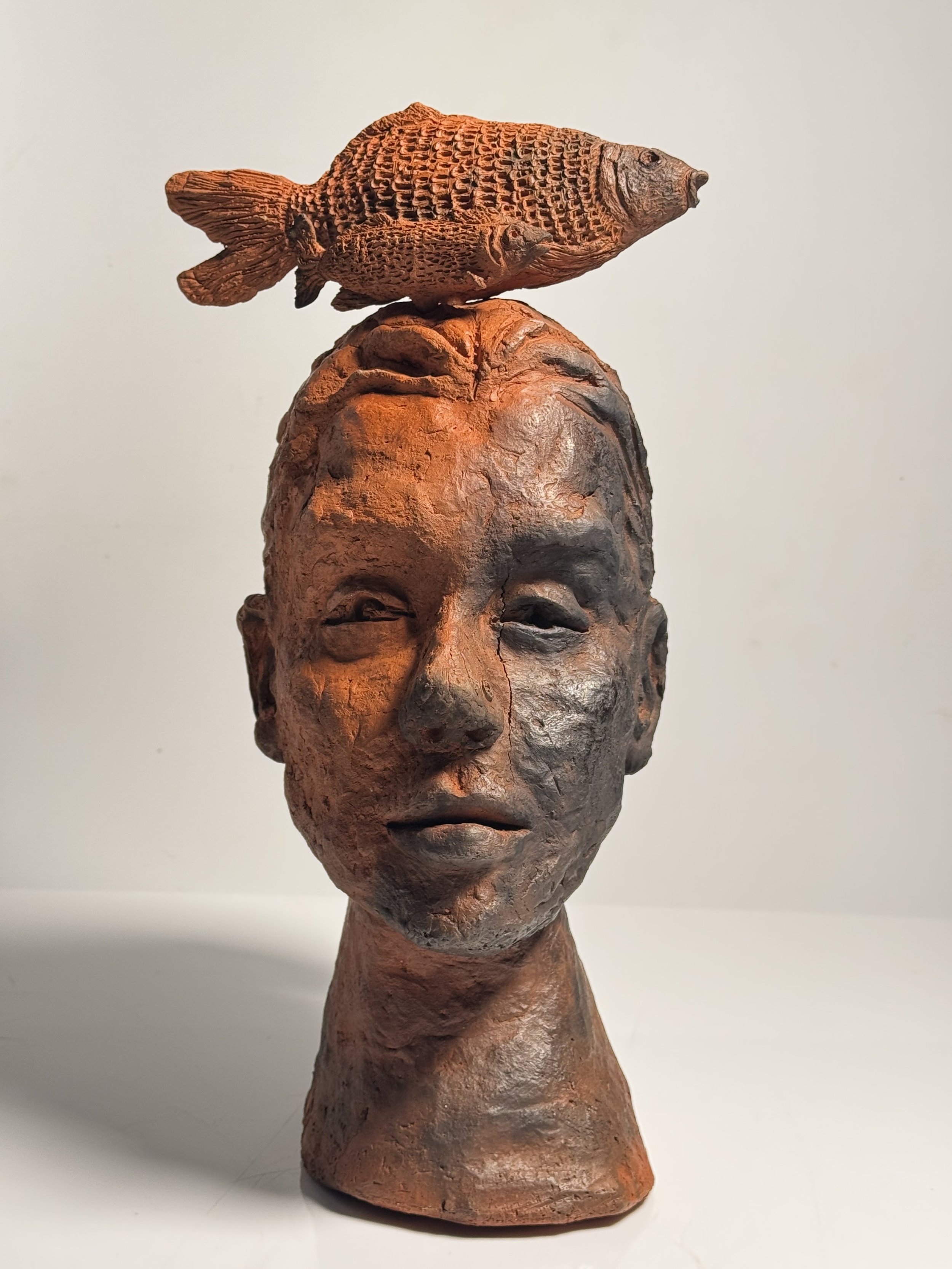
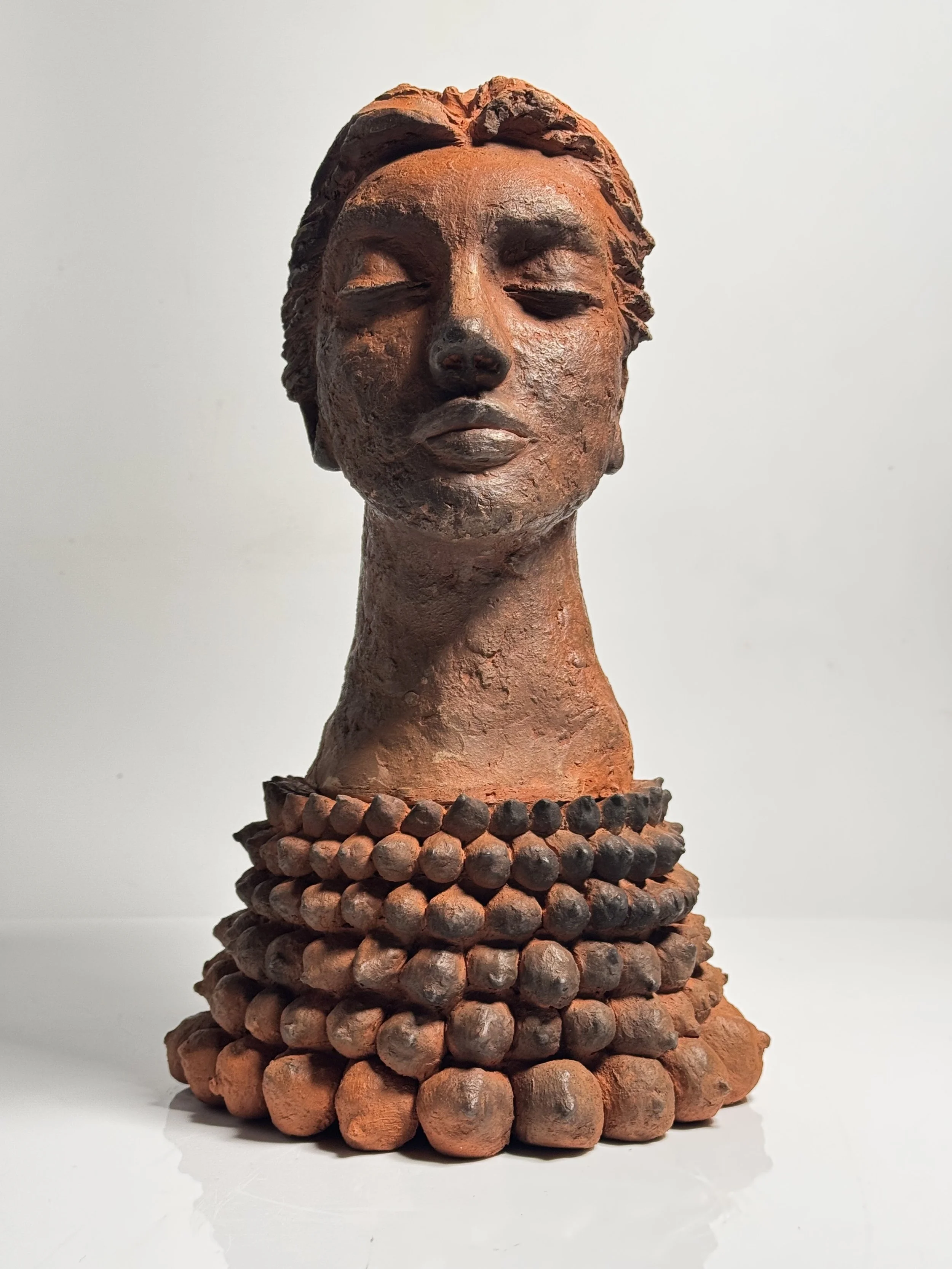
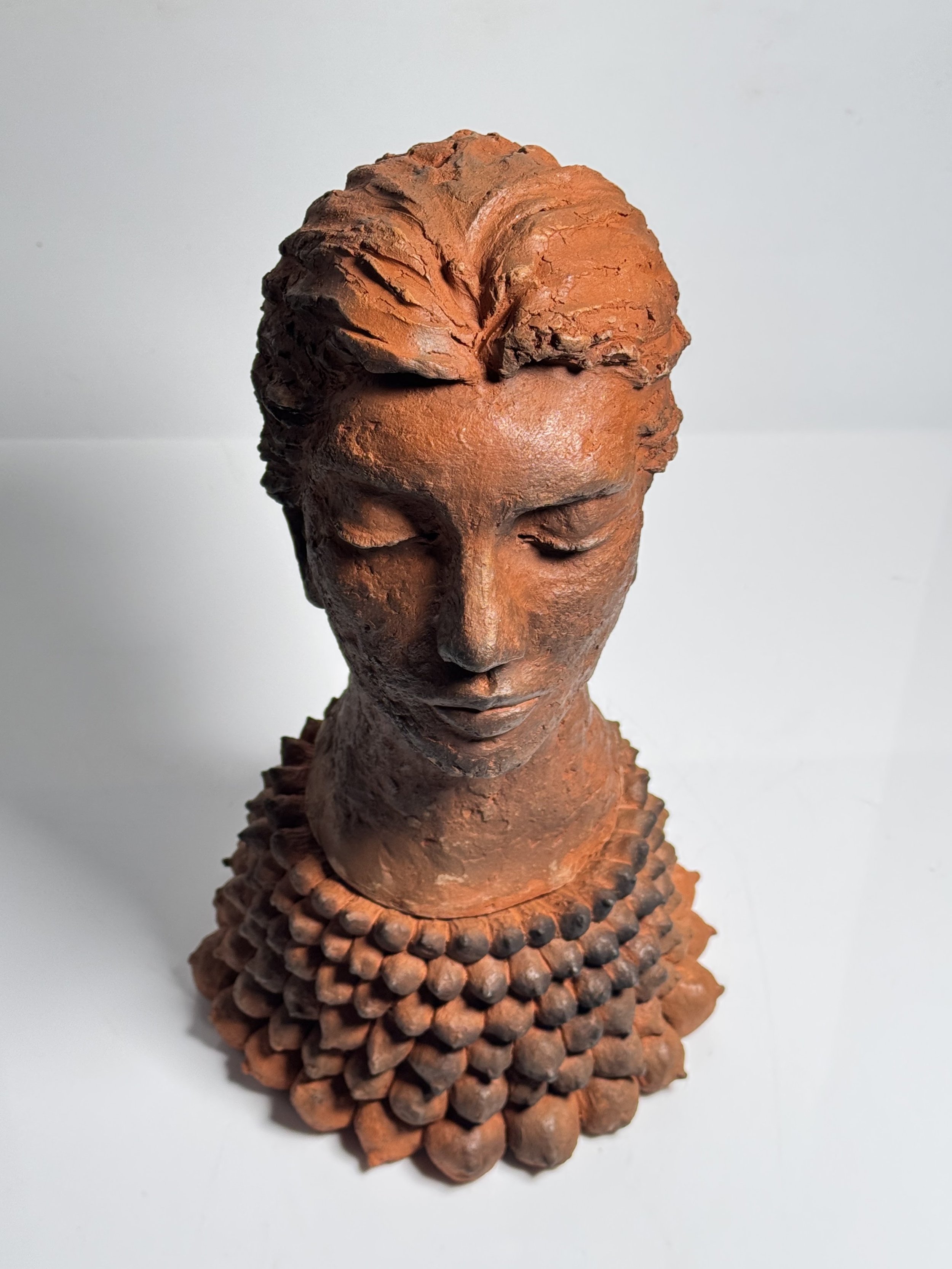
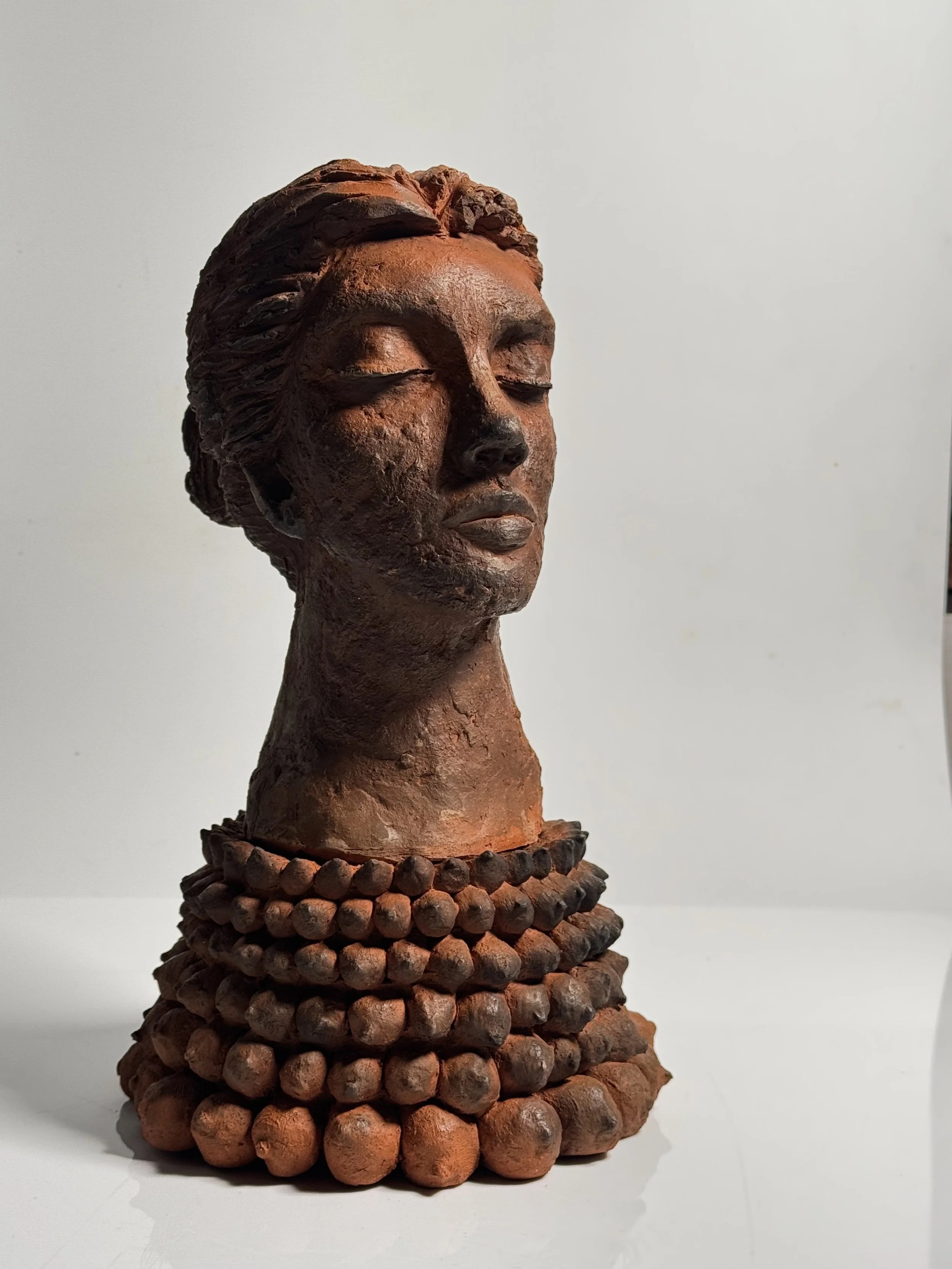
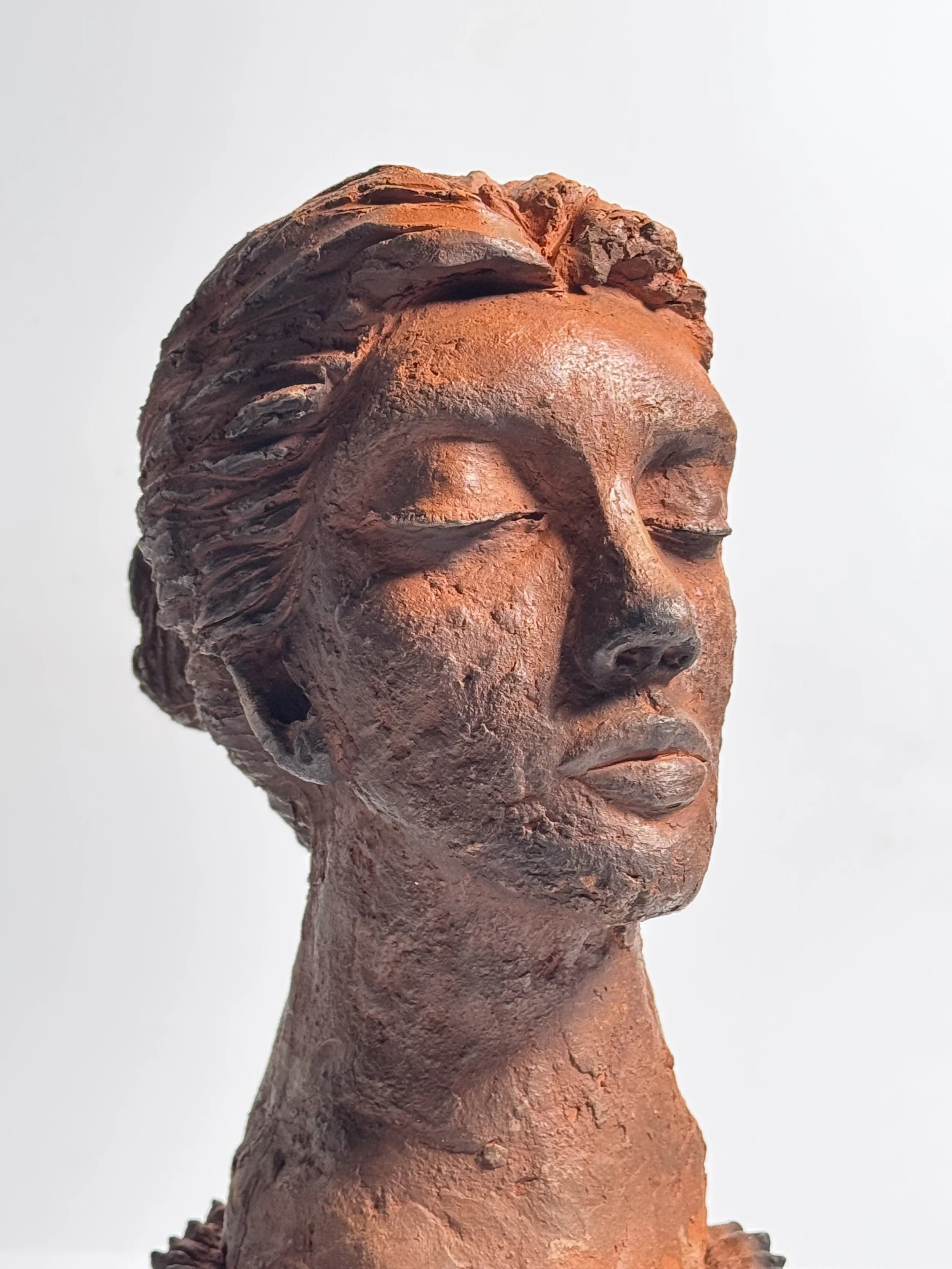
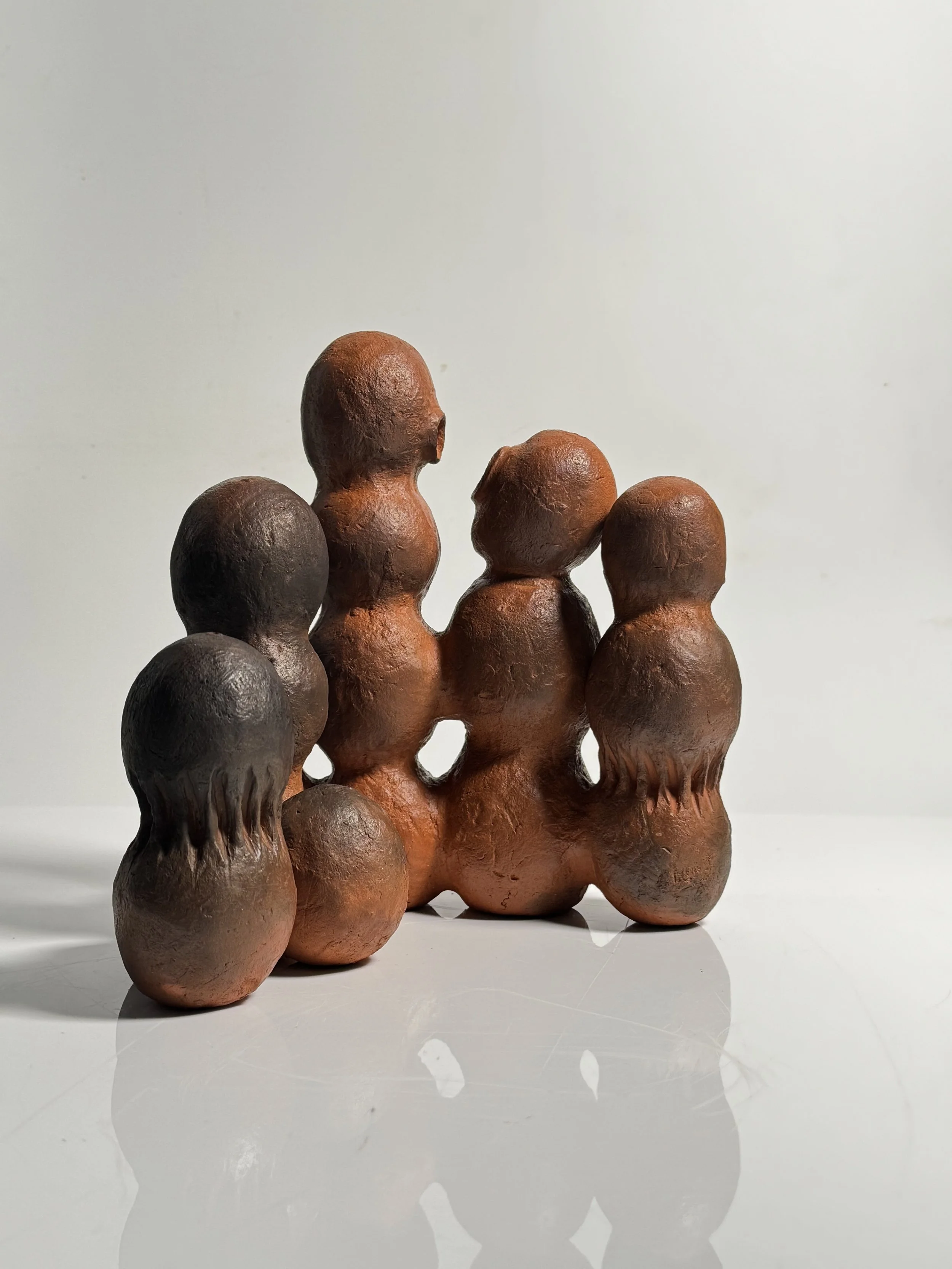
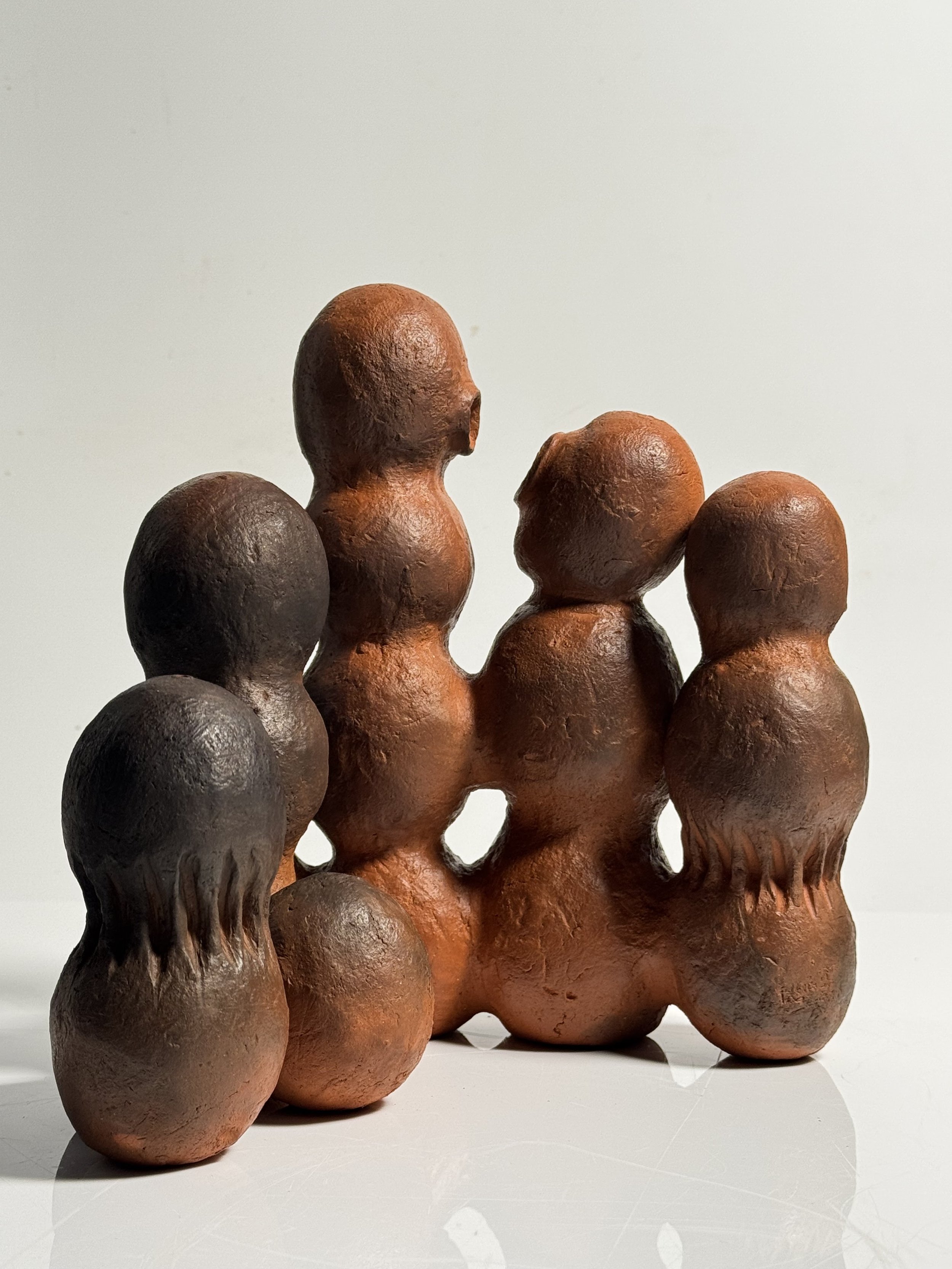
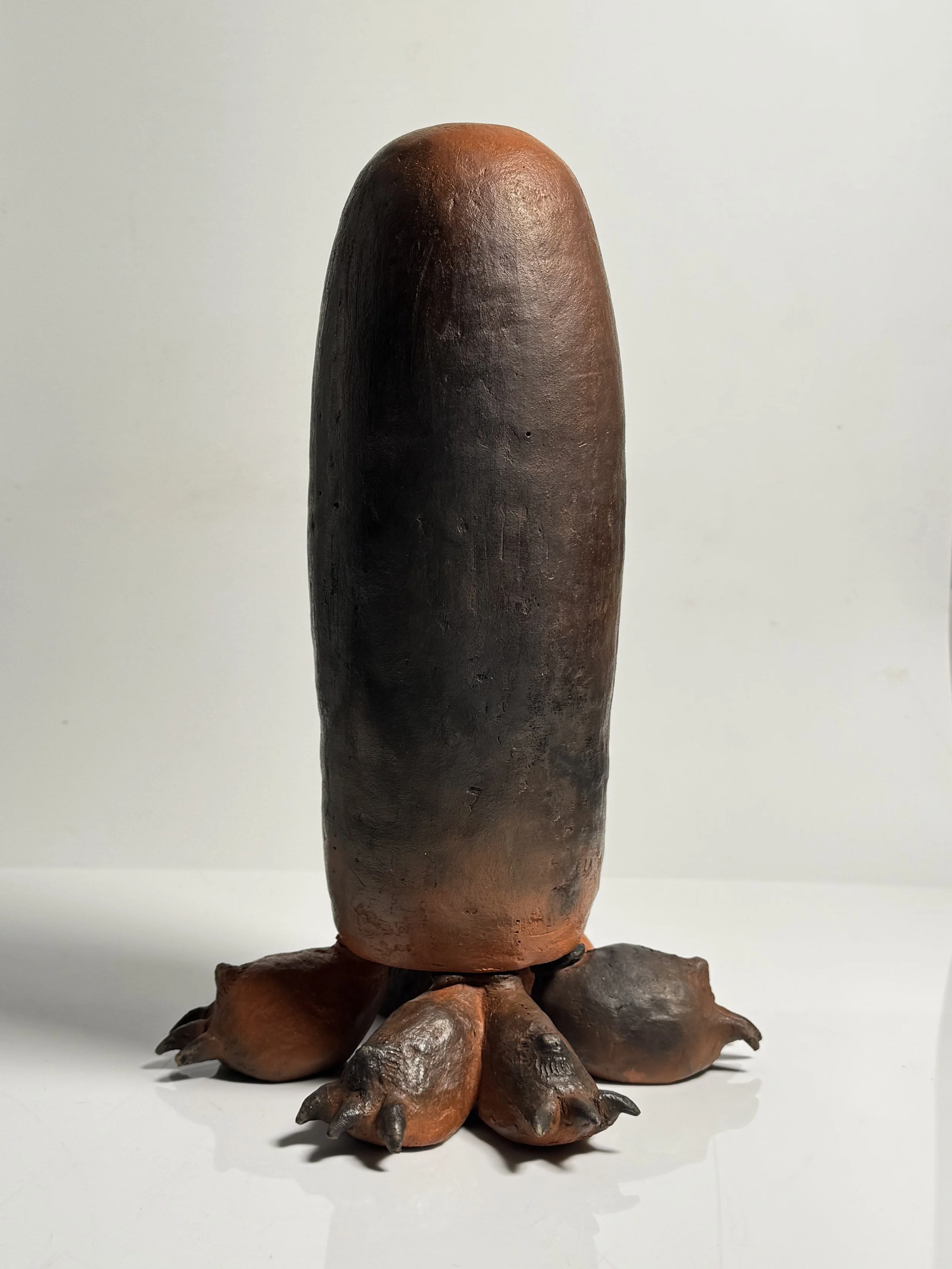
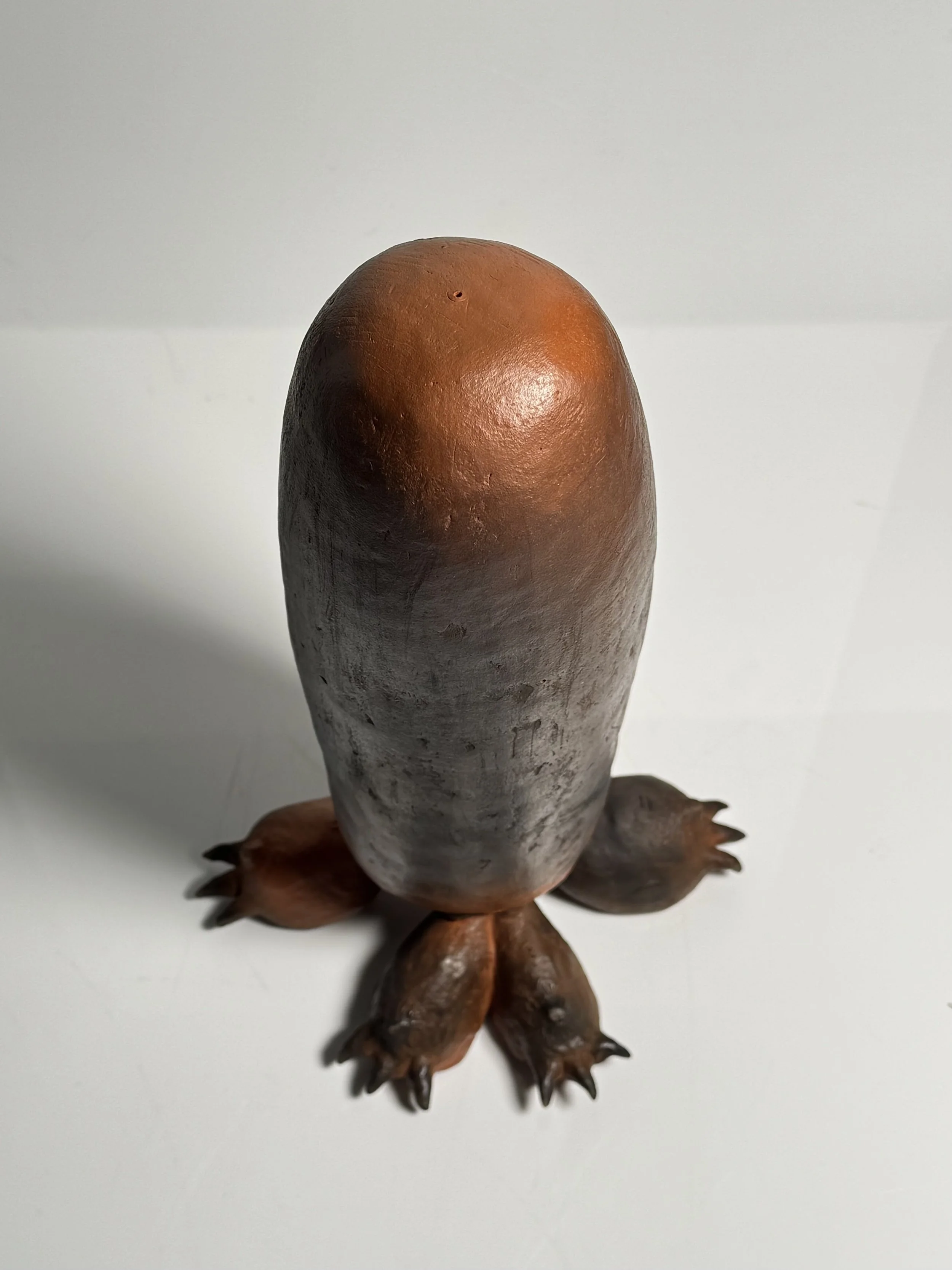
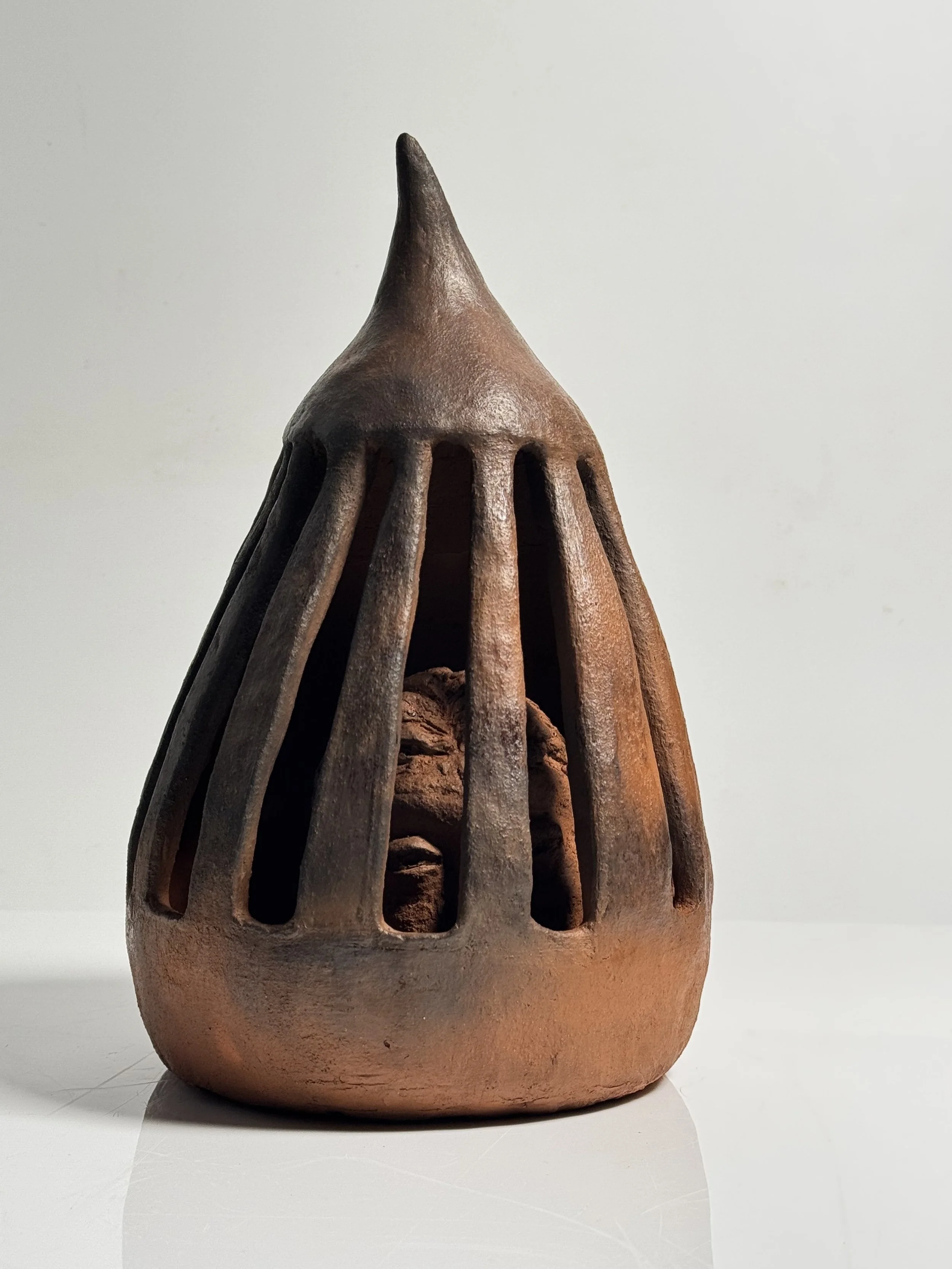
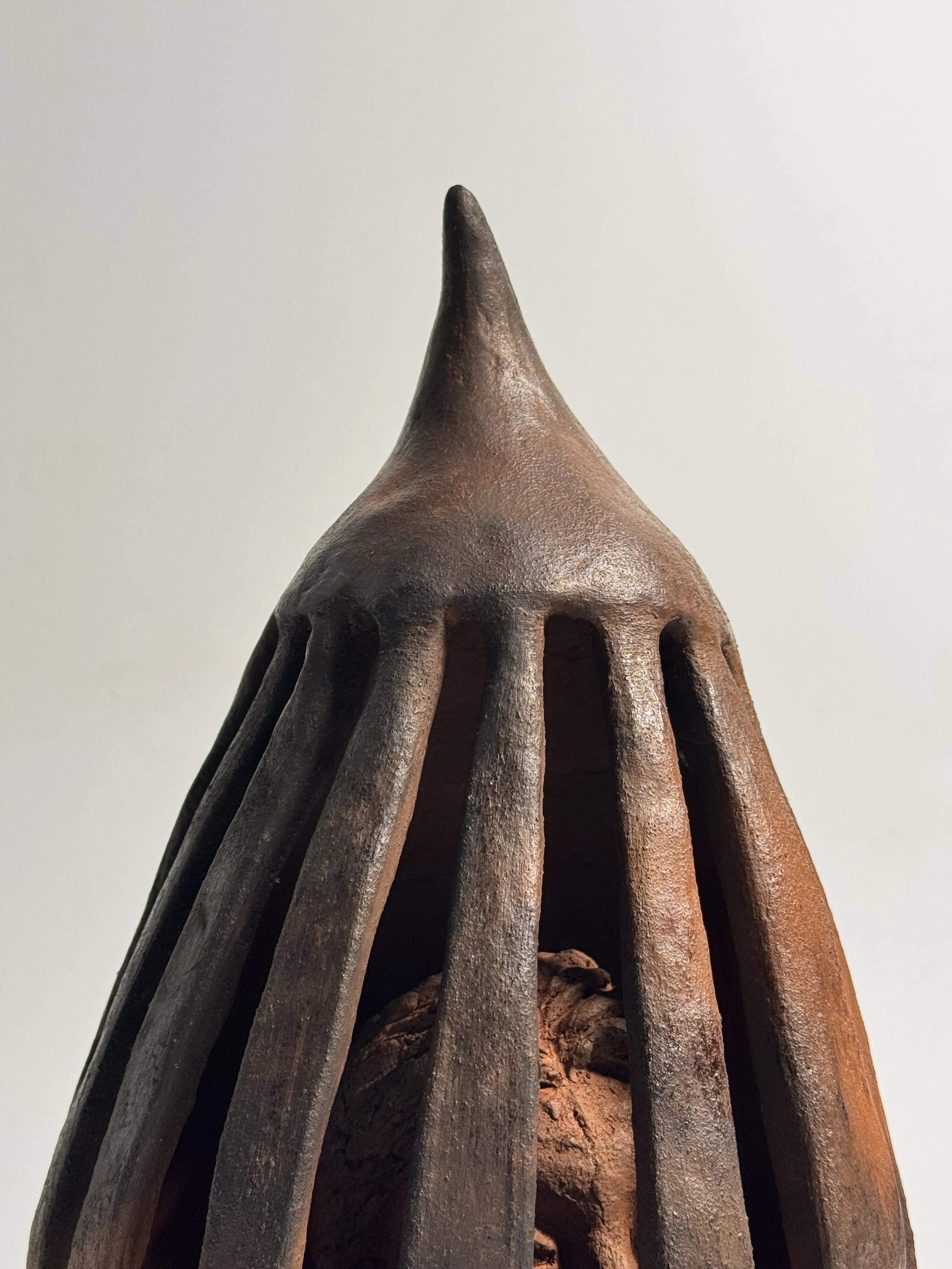
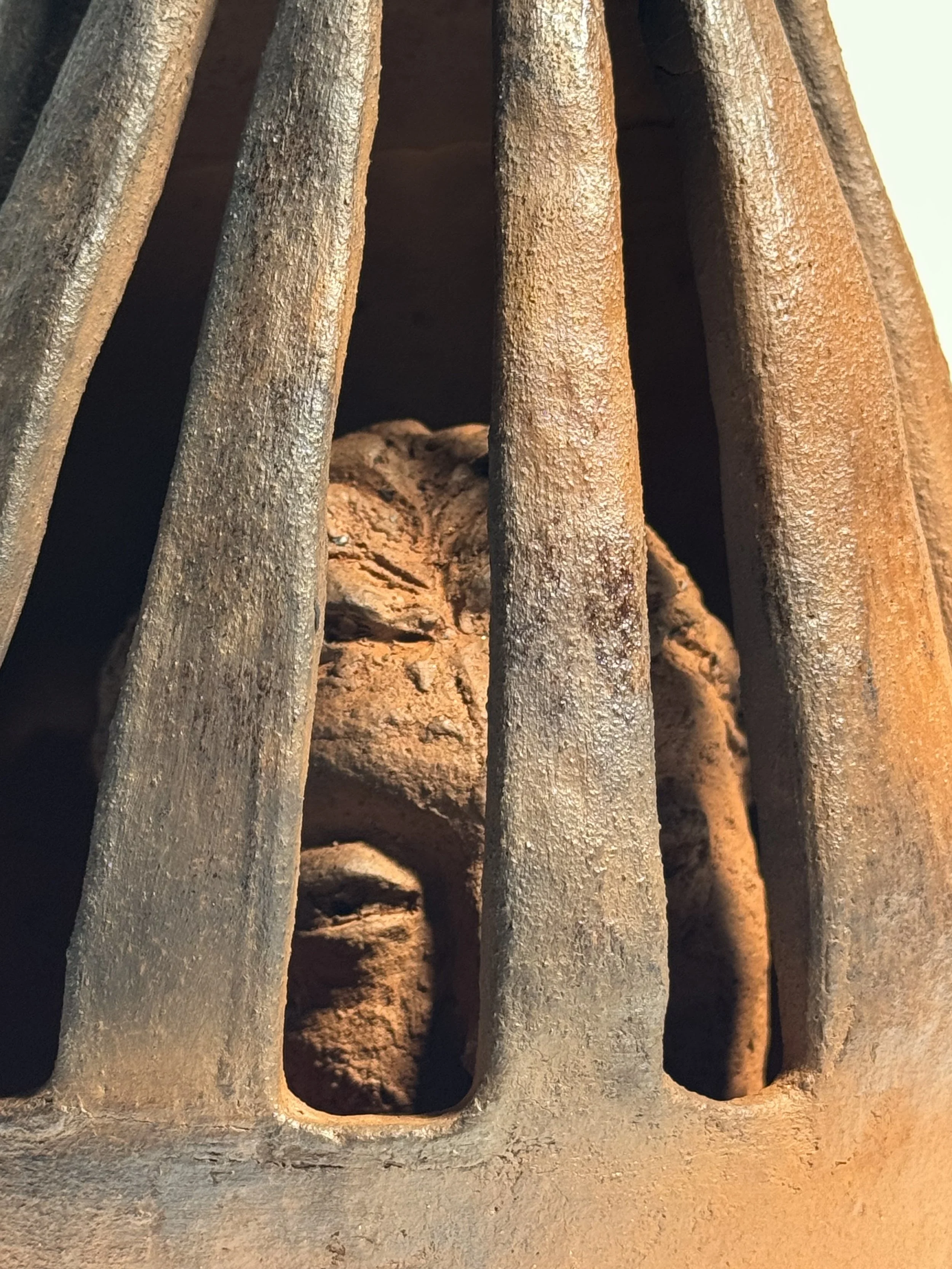
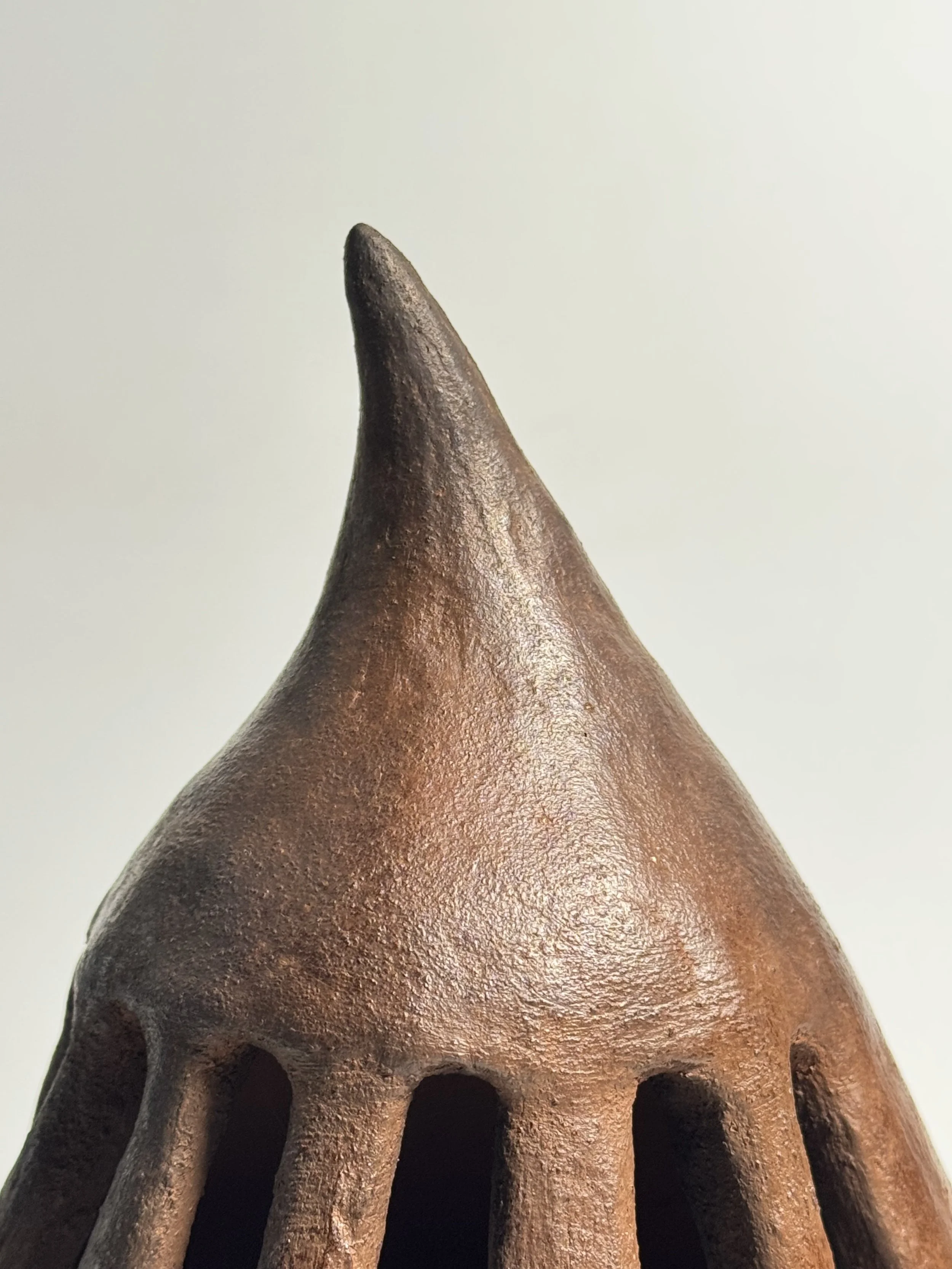
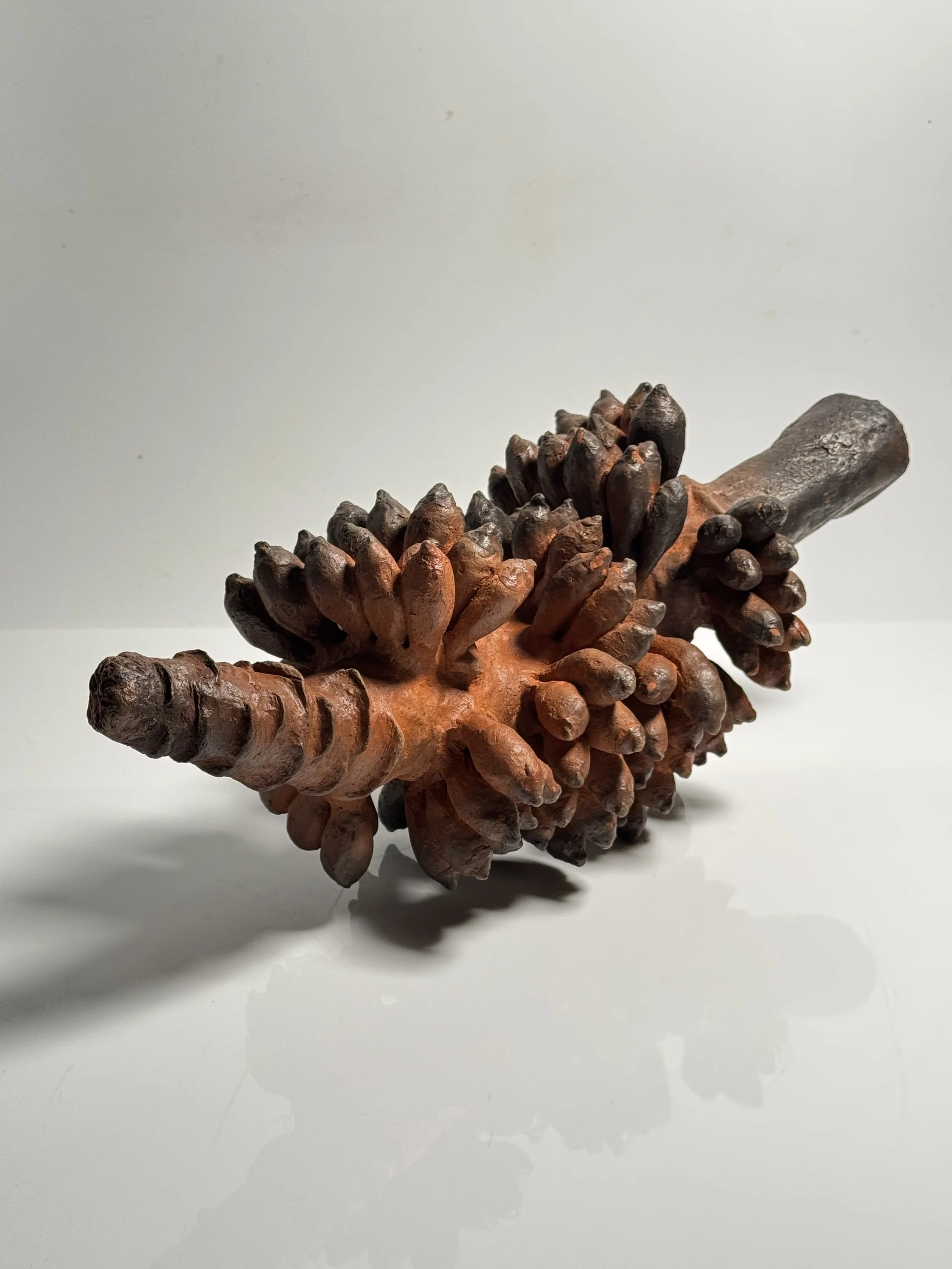
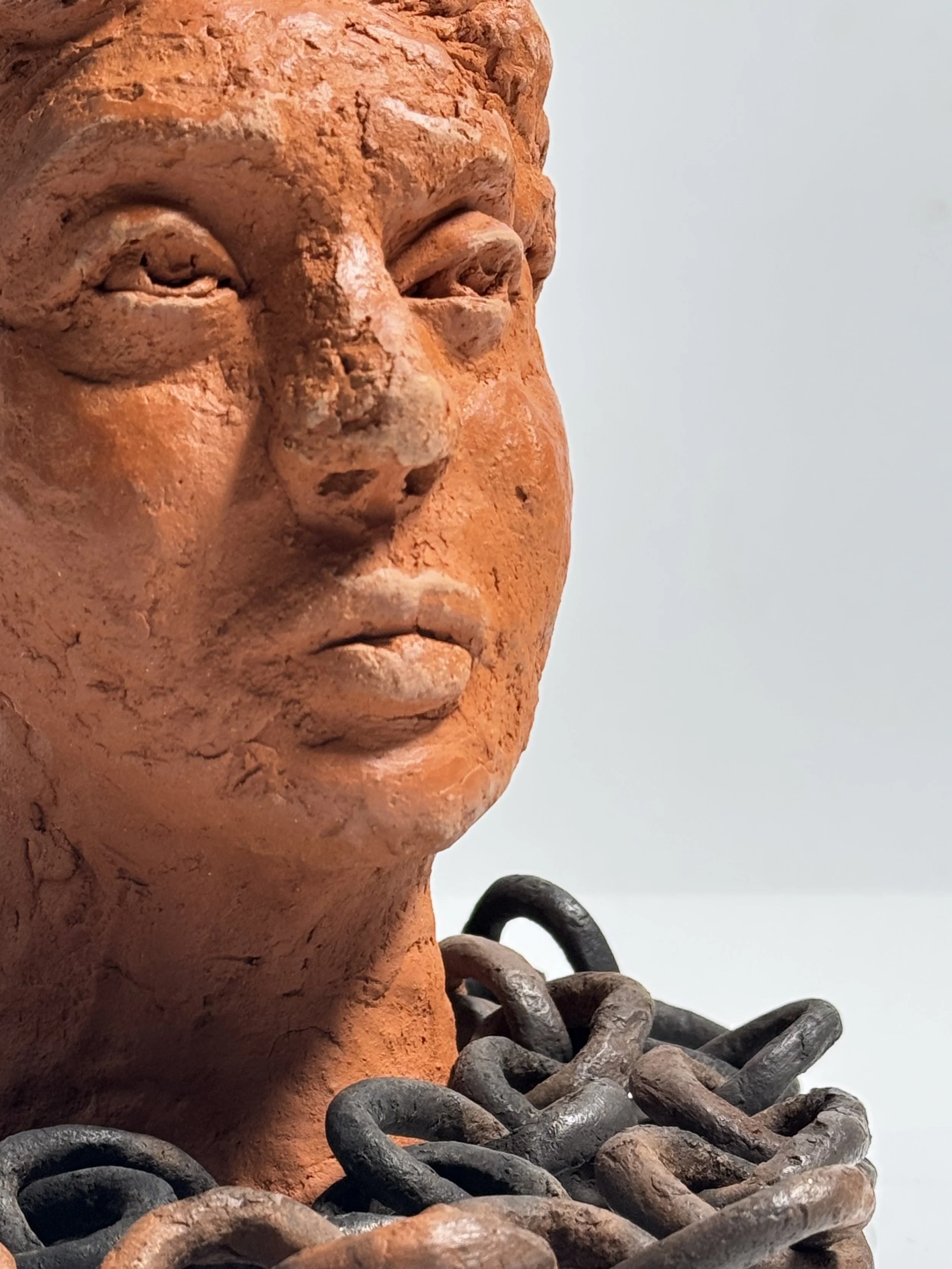
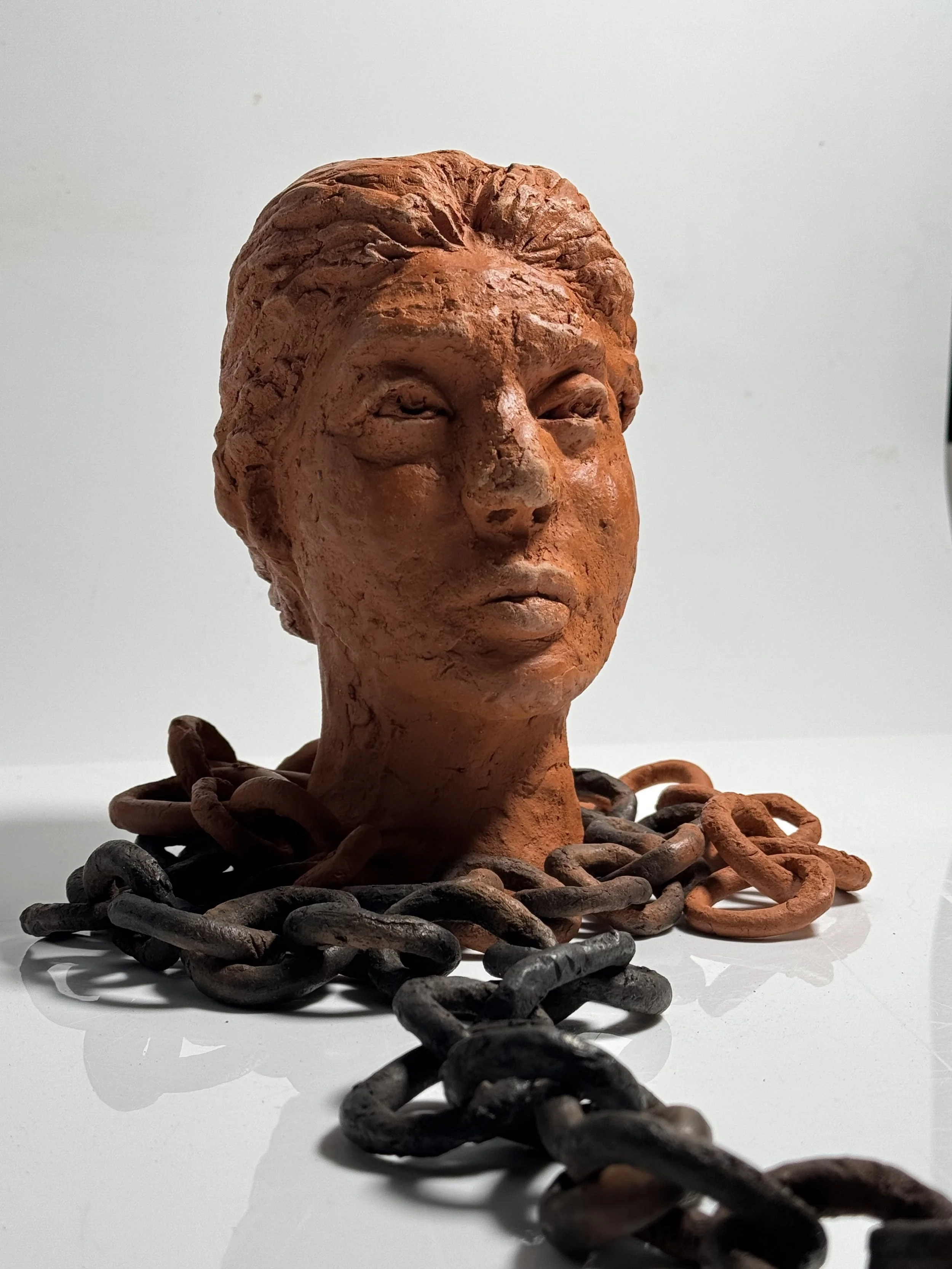
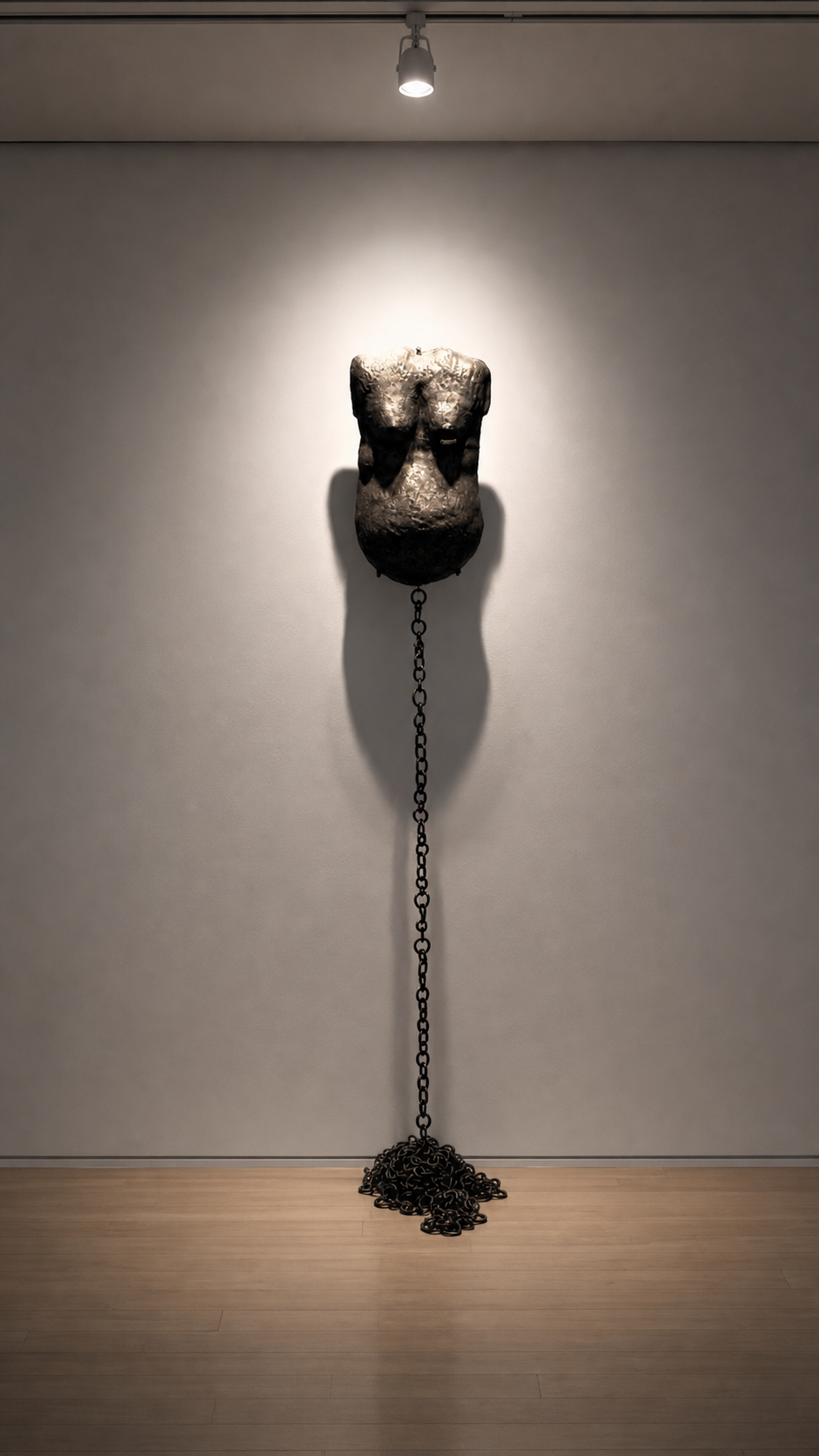
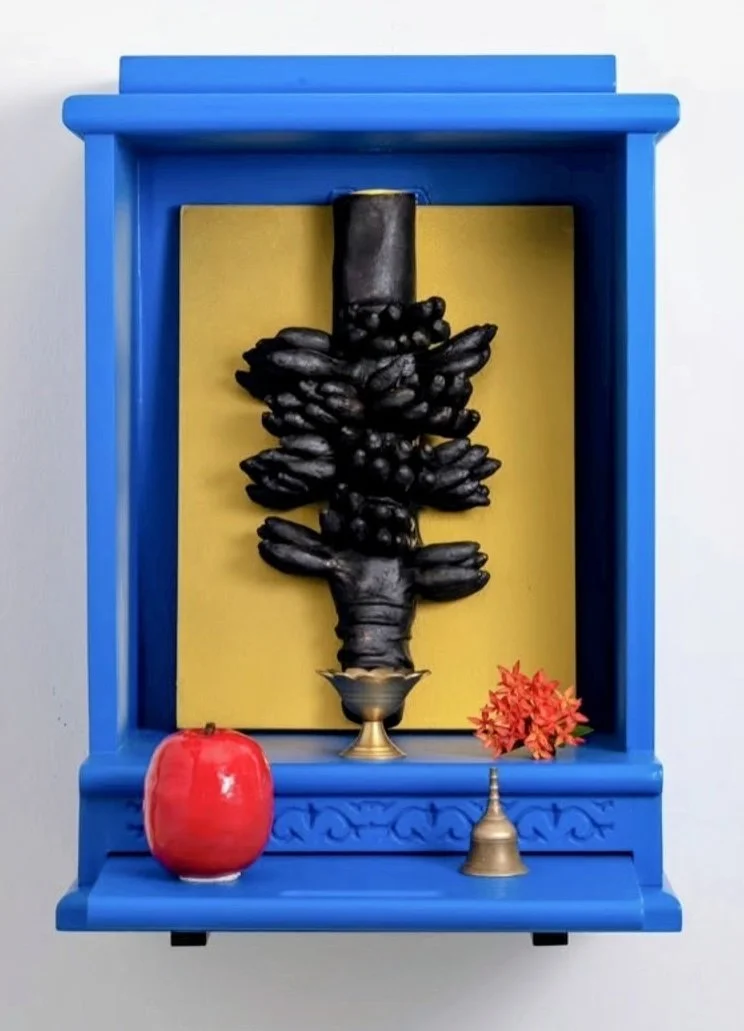
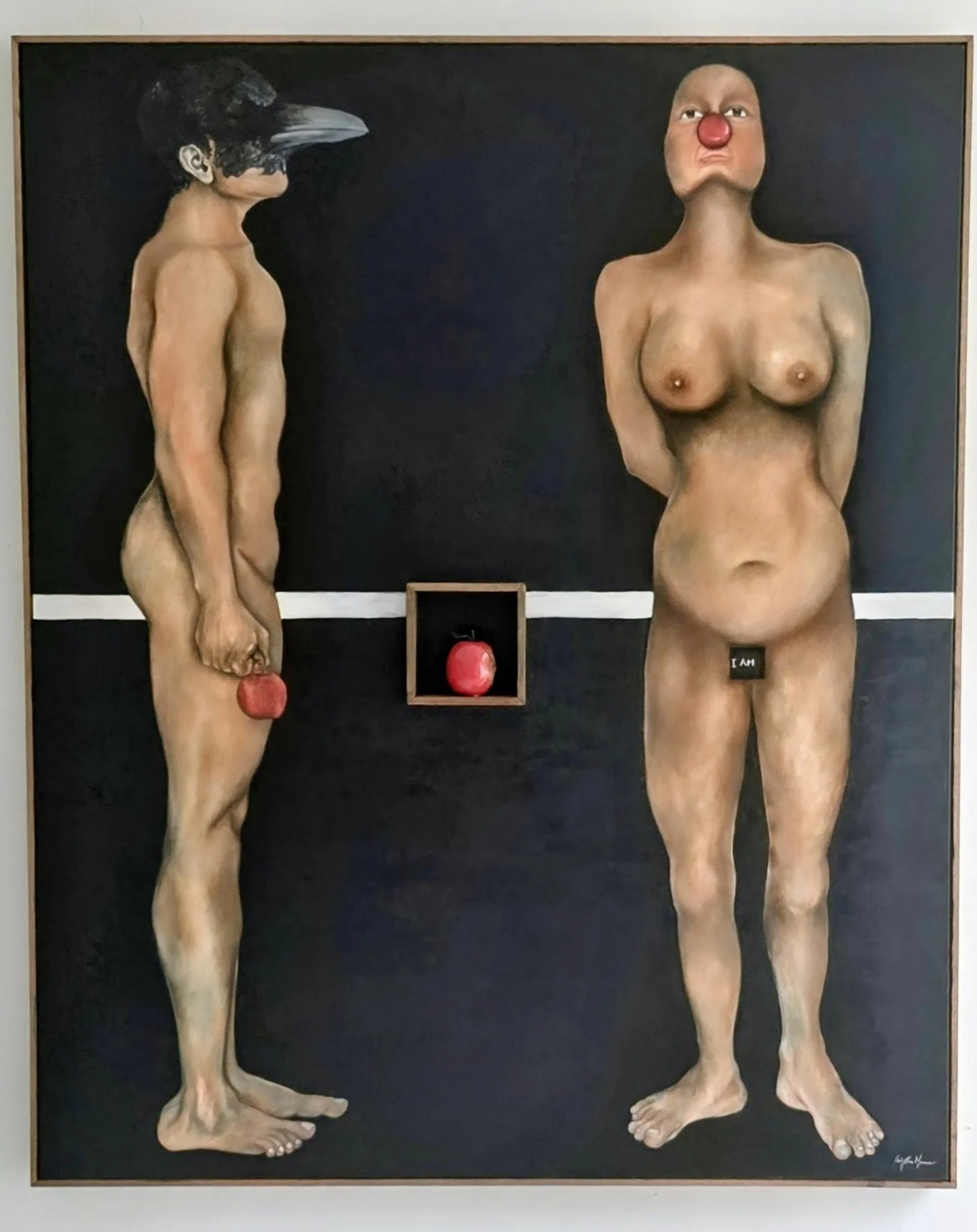
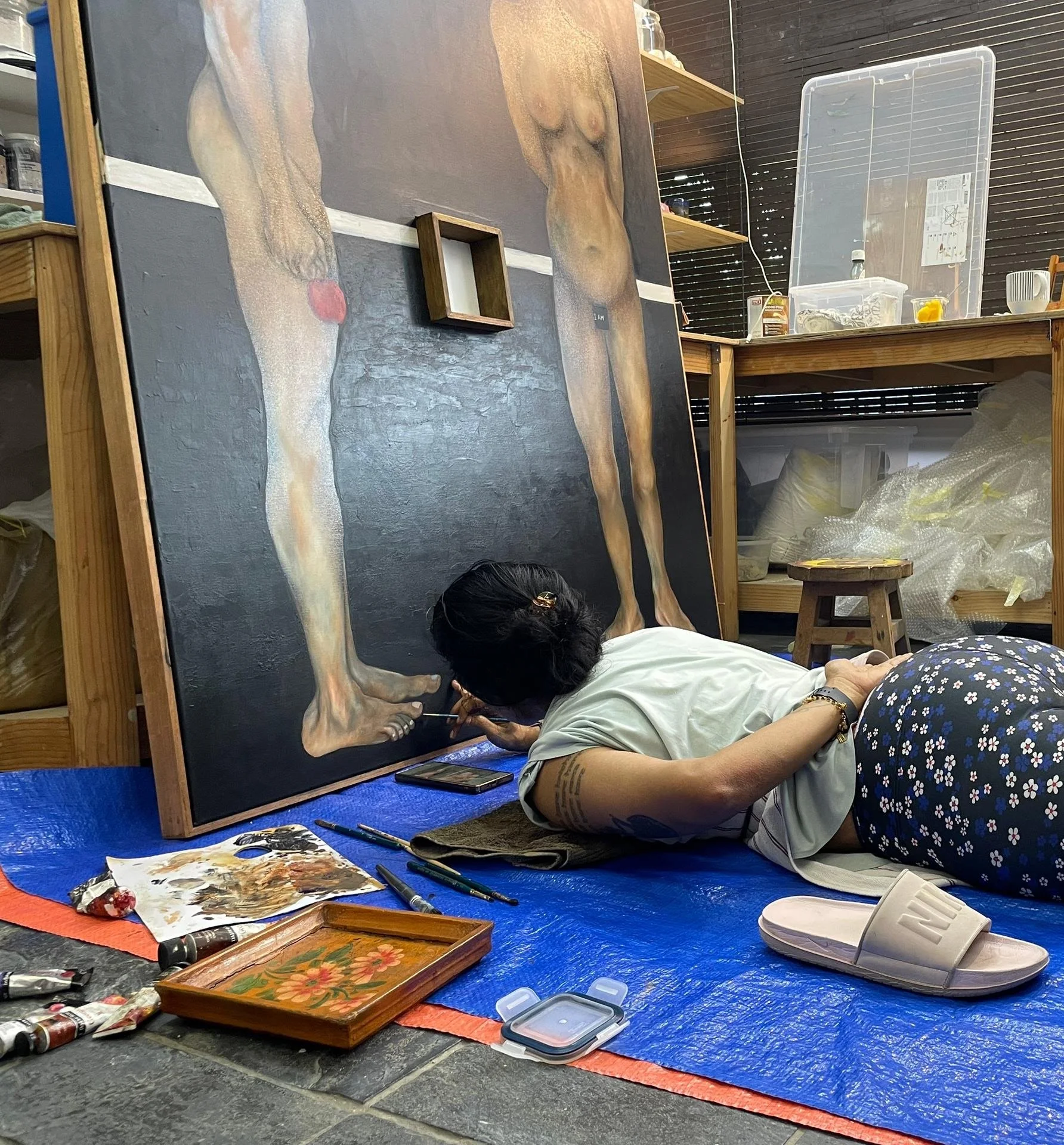
My art is an act of confrontation and reclamation. I explore psycho-social landscapes through surreal, figurative sculptures and paintings, often using the female body to express both subjugation and empowerment. I am drawn to the tensions between power and vulnerability, beauty and rupture, and the expectations that entangle us. Clay and oil help me work through these ideas; each mark, brushstroke and fingerprint carries something of lived experience, memory and resistance.
Rooted in Indian and Southeast Asian mythologies, my work explores femininity alongside contemporary experiences of identity, motherhood and societal expectation. I hope the works open up space for dialogue, healing and the possibility of seeing things differently.
By questioning inherited norms, I invite viewers to face uncomfortable truths about the forces that confine us, and to consider how pain and oppression might be transformed into strength and possibility.
What inspires you?
My artistic journey is about discovering parts of myself whilst standing in the middle of being a woman and a mother in contemporary Asia, and at the same time acknowledging that little girl in me.
Using clay as my medium, I work through the stories, expectations, and silences I grew up with, deciding which of them I want to keep and which I must let go.
Indian and wider Asian mythology sit in the background of this process: tales of goddesses, virtuous wives, and selfless mothers who are presented as ideals, but often manipulated to shape and control the lives of women.
I am also inspired by suffering, pain and trauma, and how people emerge from these experiences stronger than before. We forget that it’s these painfully hard times that create a certain nuance in creative work that is sometimes unexplainable and impossible to recreate. Or simply put, what inspires me are current affairs, stories from myth and folklore, and ongoing narratives.
Can you speak about your process?
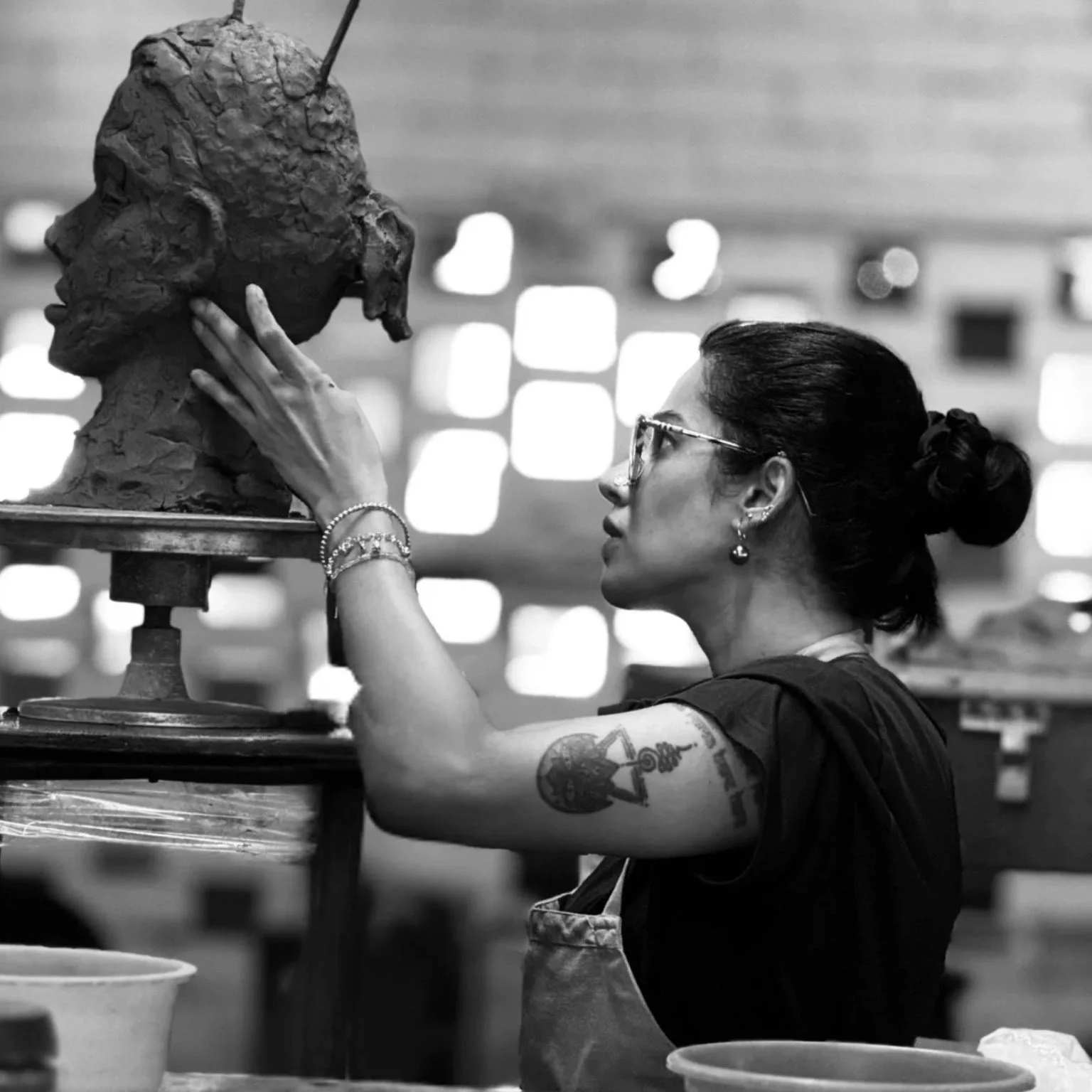
My practice is rooted in clay, drawing inspiration from current affairs and stories carried from Asia. Quiet, contemplative mornings suit me best, and I work better with a loose but intentional schedule. My mornings are centered around certain rituals: meditation, prayer, mobility drills and a gym session. These prepare my body and mind for the day ahead. Often a phrase, a memory, or an image appears, becomes a quick sketch, and then I move to the table.
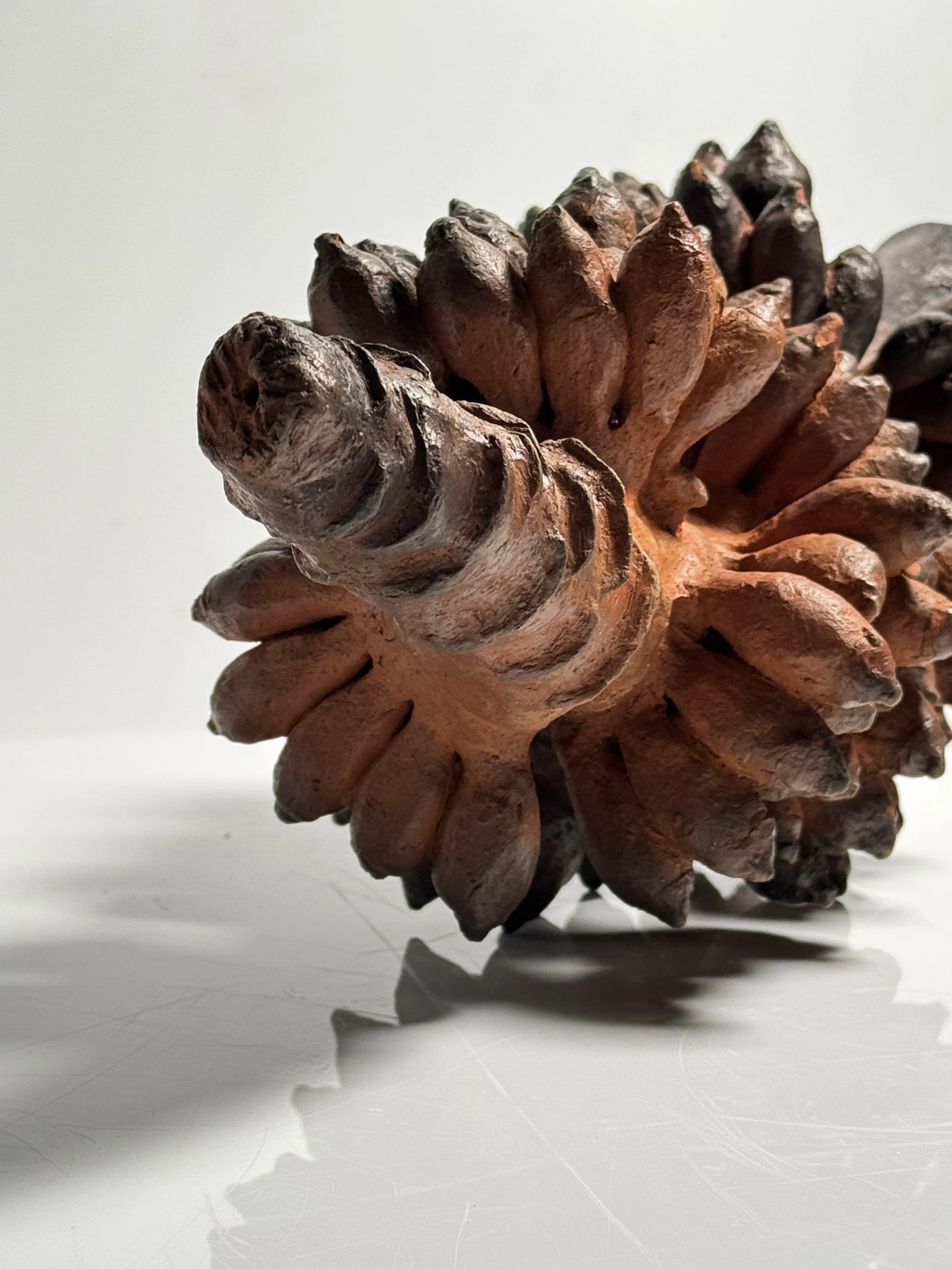
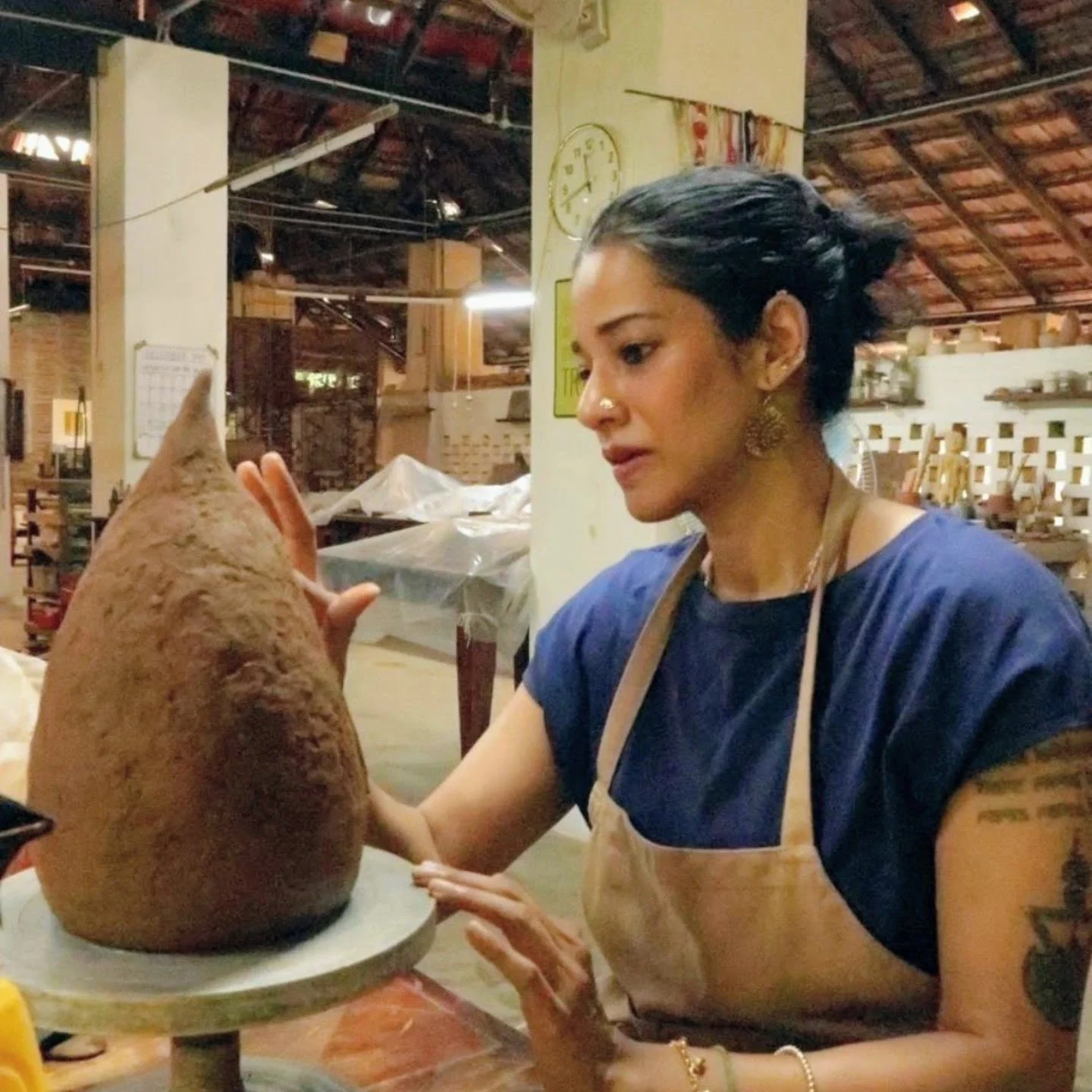
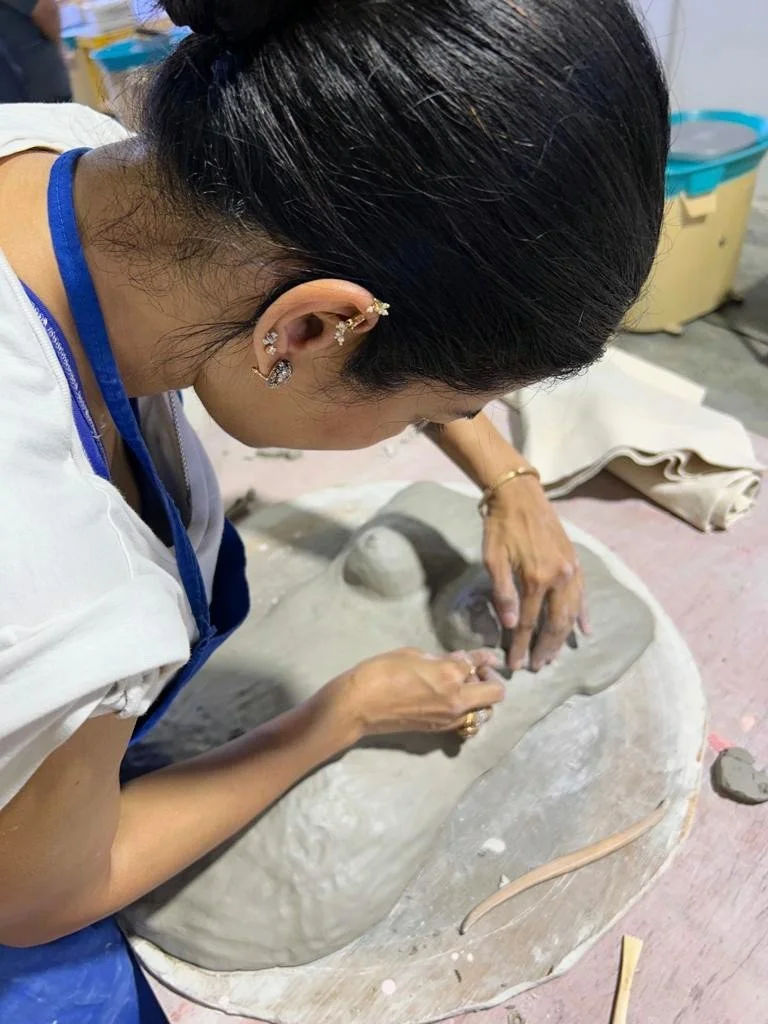
My current studio is a small front-porch space carved out of our car porch at home. A typical day starts with a simple acknowledgement of the gifts I am blessed with, and tight hugs and kisses for my two guardians, my toy poodles, Milo and Saber, who are always somewhere around my feet. If it is a new work, I begin by kneading and wedging stoneware or terracotta, then hand- building, coiling and carving. I layer underglazes and slips, and sometimes integrate small textile or mixed-media elements that carry my stories.
Around me are reference books, images of South Asian antiques, and fragments of myth and folklore, always within arm’s reach and a quick glimpse away. I work in slow, iterative passes, building up surfaces and then scraping back, leaving traces that feel like palimpsests of stories, lineages and bodies.
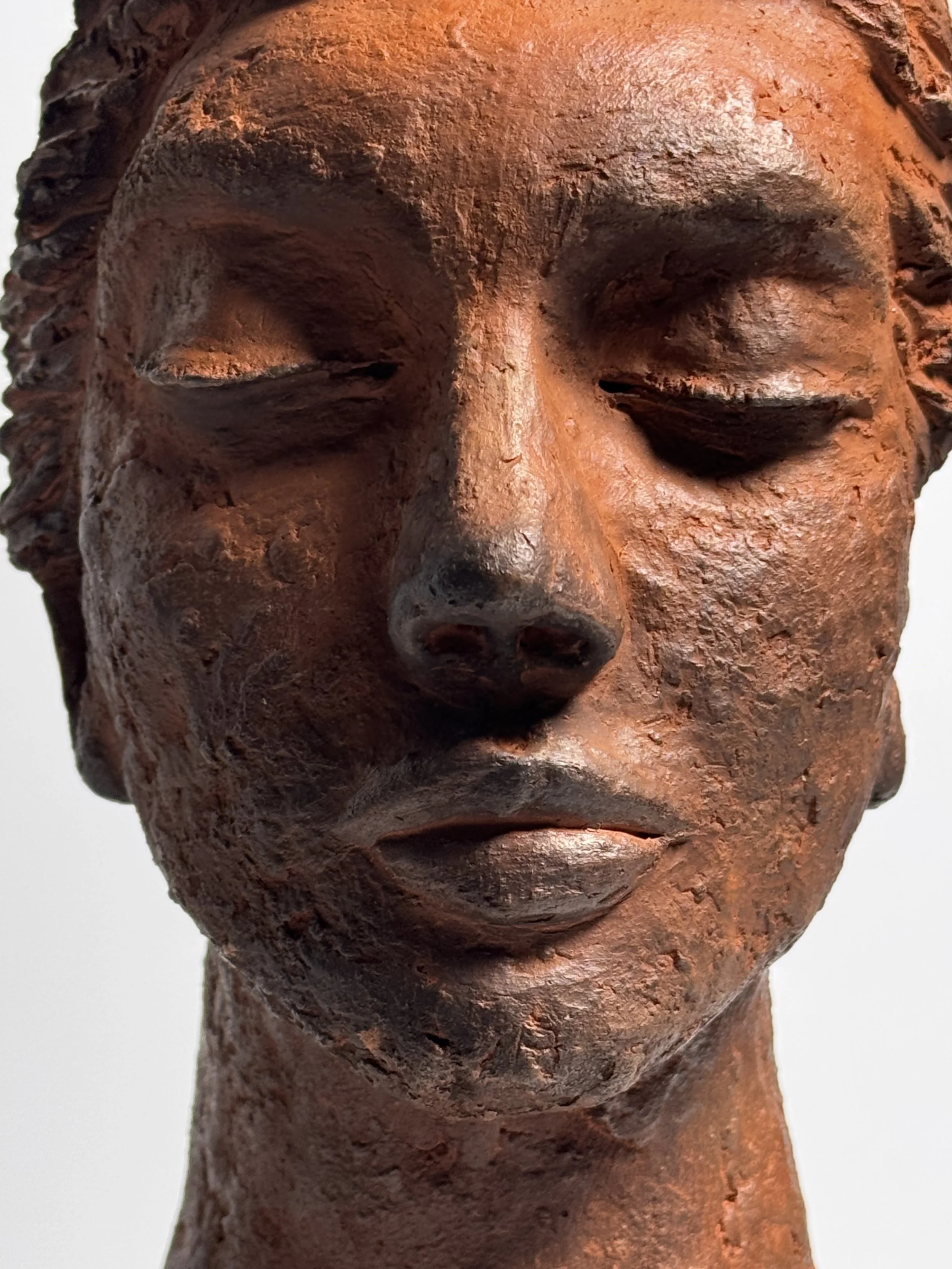
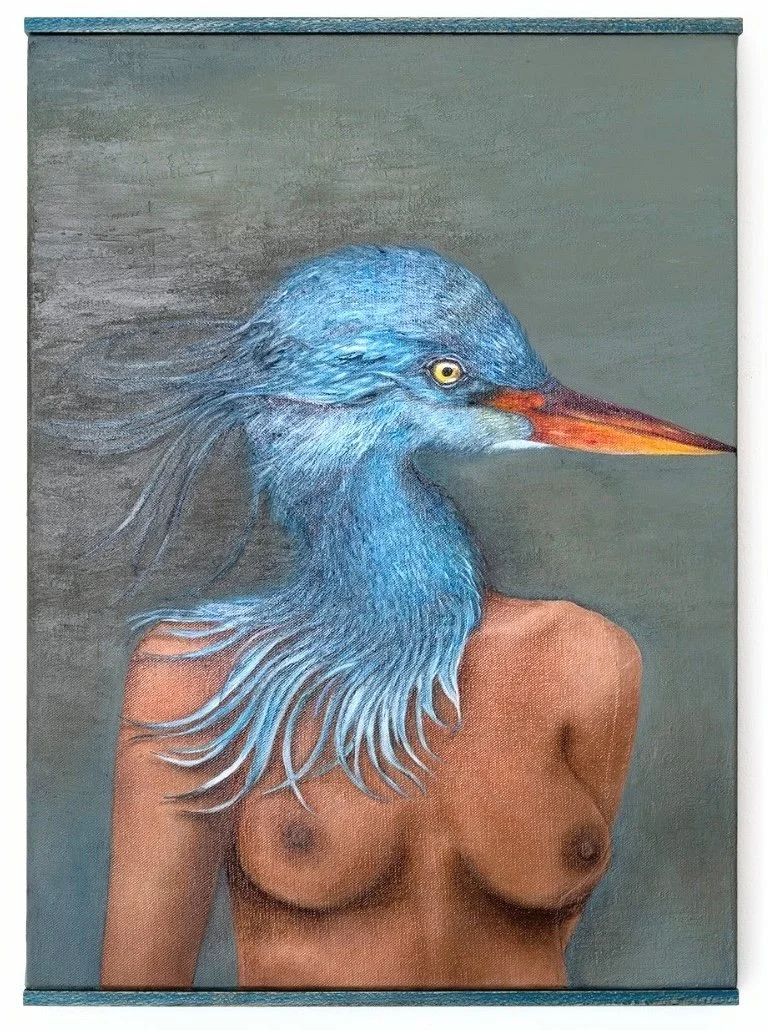
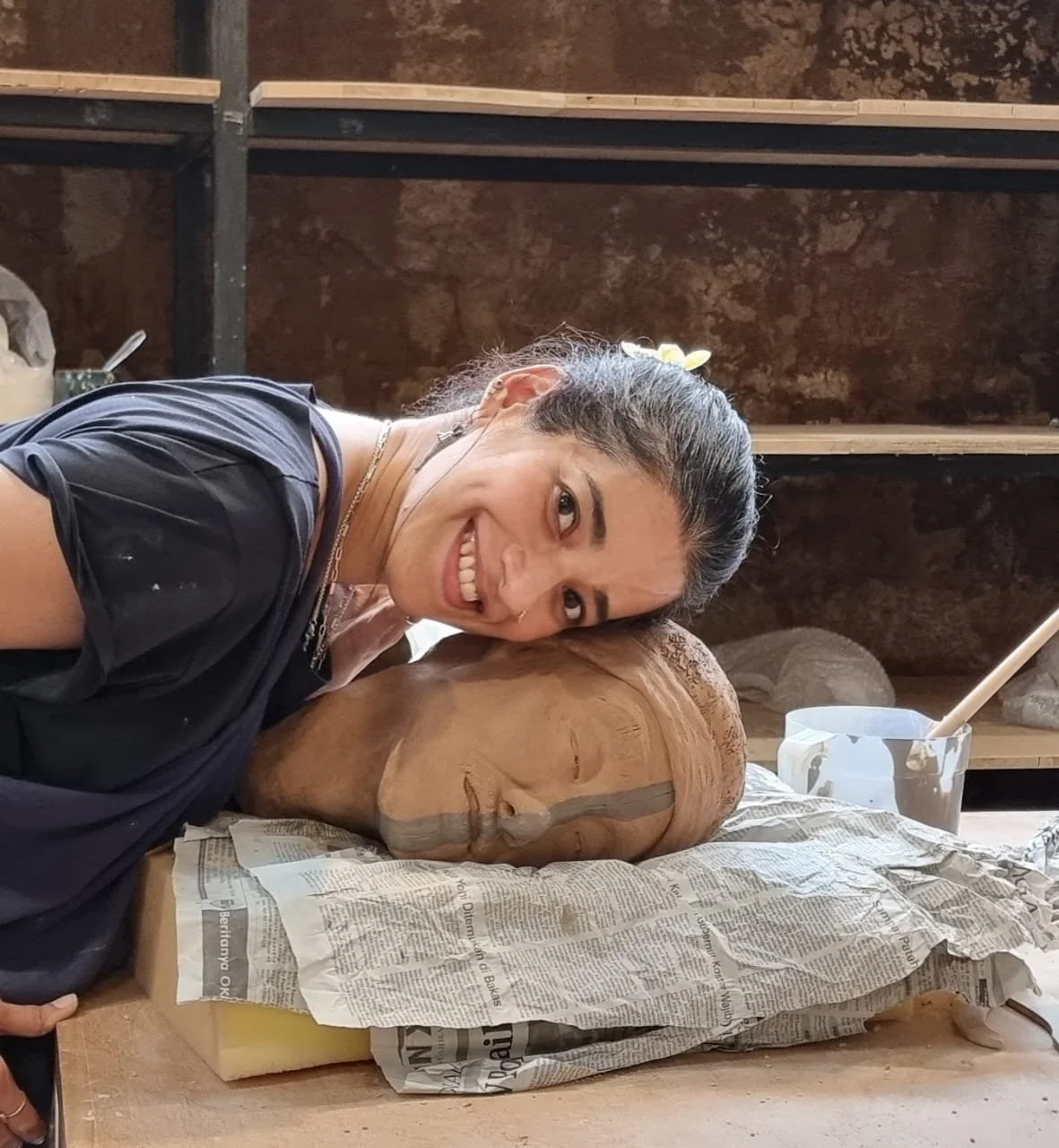
The Upanishads speak of two birds sitting on the same tree: one eats the fruit while the other simply watches. This idea of moving between experiencing and observing has become fundamental to the way I work. Although I was already working with oils for many years, I intuitively reached for clay as a primary form of expression because of how physical and immersive it is. Through hand-coiling, slab work, pinching and carving, I use the human body, particularly the head, to question accepted societal norms and the ways communities and individuals are perceived.
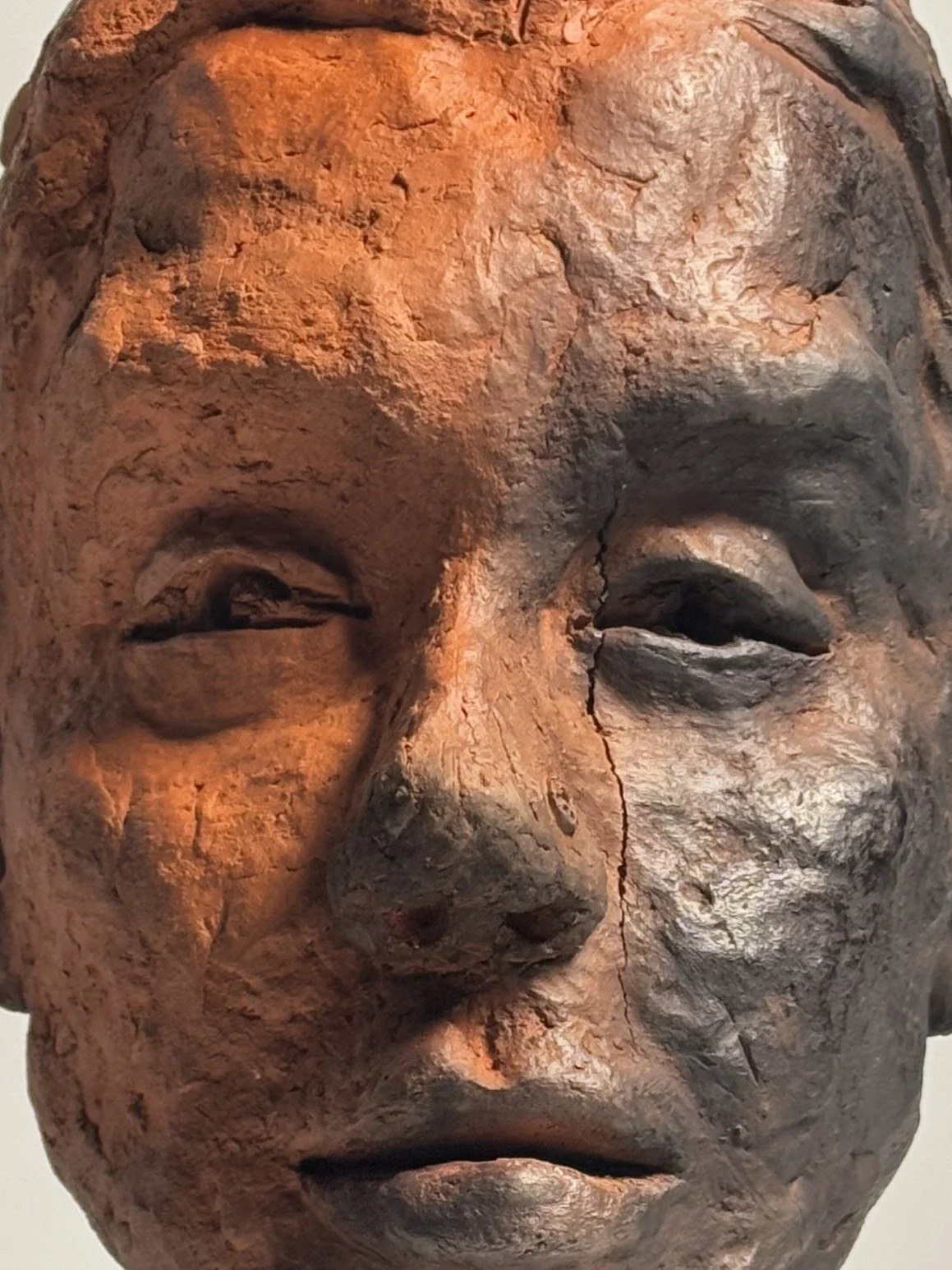
Some of my terracotta sculptures are smoke-fired, introducing an element I cannot control. The smoke, guided by the wind and anchored by fire, creates the patterns it pleases. I love that surrender. It mirrors something essential in my process.
My oil paintings follow a similar process of layering, scraping and reworking, building surreal, figurative bodies that hold the same tensions between inner voice and outer gaze. Increasingly, I am interested in bringing the two practices together, allowing ceramic elements and painted surfaces, the weight of sculpture and the fluidity of paint, to speak to each other within a single body of work.
A piece is finished when a quiet inner feeling sits right. I experience myself as a conduit, allowing the idea to manifest herself through me. When that sense of completion arrives, I know it is time to stop rather than overwork my material.
How did you become interested in art?
Art and culture are in my blood. Having a father who was an avid antiques collector and who could draw beautifully was a blessing, so I guess I inherited it.
My earliest memories of using pen and paper began with drawing and enhancing the faces of all the celebrities on magazine covers. Bushy eyebrows and moustaches for the men, red lips and kohl-lined eyes for the women, with the added touch of mum’s beautiful bindis on their foreheads.
Little did I know that almost 40 years later, I would still be using my hands creatively, this time to question and redefine a common narrative.
Do you have any favorite artists, movies, books, or quotes?
Some of my favourites are:
Oil artist: Horace Van Ruith, for his godly paintings of Indian life. The details painting A Brahmin Household are literally otherworldly.
Wang Yiguang, a modern Chinese painter, for his Tibetan paintings of flying people, yaks and sheep. So ethereal and so beautiful.
Sculptors: Brâncuși, Juli About, Johnson Tsang and Ronit Baranga, to name a few.
Books: Women Who Run With the Wolves by Clarissa Pinkola Estés; Shantaram by Gregory David Roberts; There Are Rivers in the Sky and The Forty Rules of Love by Elif Shafak;
Pachinko by Min Jin Lee; Circe by Madeline Miller; and a host of books on psychology.
Quotes: “Creativity takes courage,” widely attributed to Henri Matisse, and “Your heart and my heart are very, very old friends,” a line I love.
What advice do you have for younger artists?
I’m not sure I’m in a position to give advice, but from my own experience, I would say that having a primary or alternative source of income can be incredibly important. It can take some of the financial pressure off your creative practice and allow the work to flow the way it is meant to, without constantly asking what will sell.
There will always be people who question whether you are a “serious artist” if art isn’t your sole source of income. I think that is a contradiction that anyone who has struggled financially as an artist will understand.
You also learn that being an artist isn’t only about making the work. You have to learn to stand up for yourself, navigate galleries, opinions and rejection, and develop a bit of a rhino skin along the way. Especially when you are walking much of that path alone.
So perhaps my advice is: protect the conditions that allow you to keep making your work. I believe there’s no single correct way to be an artist. This is something I’m constantly reminding myself of, too.
The goal isn’t to prove how much you’re willing to suffer for art. It’s to build a life that allows you to keep making it, for life.