Ken Hochberg
Tucson, Arizona
Social Media
Instagram
How would you describe your work?
I am a contemporary realist who works from direct observation, memory, and imagination.
What inspires you?
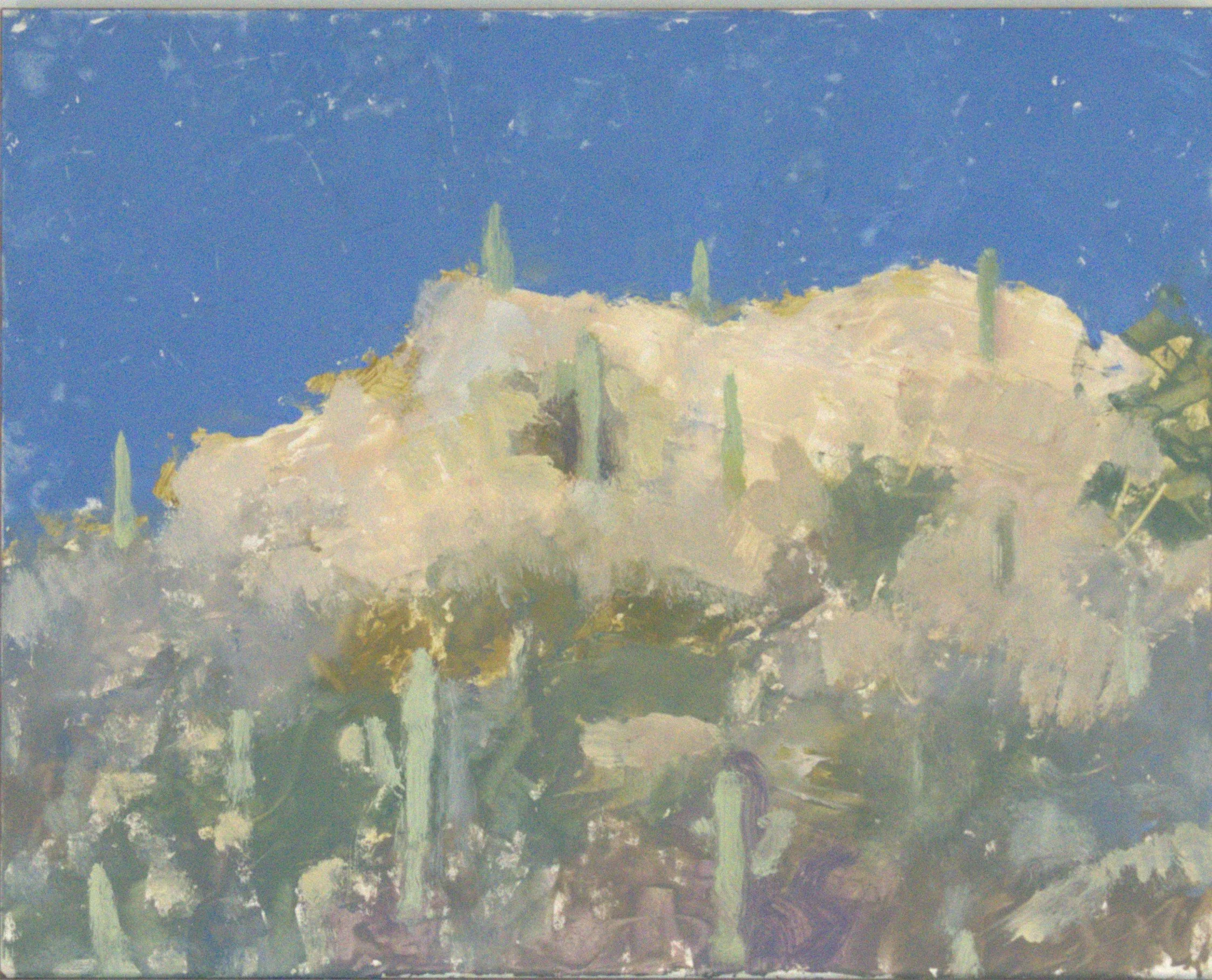
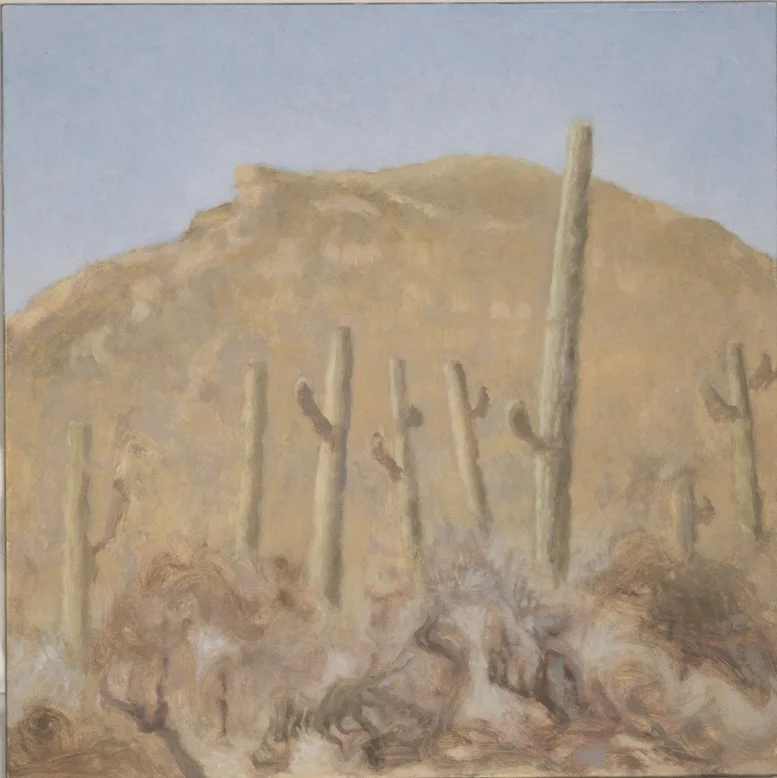
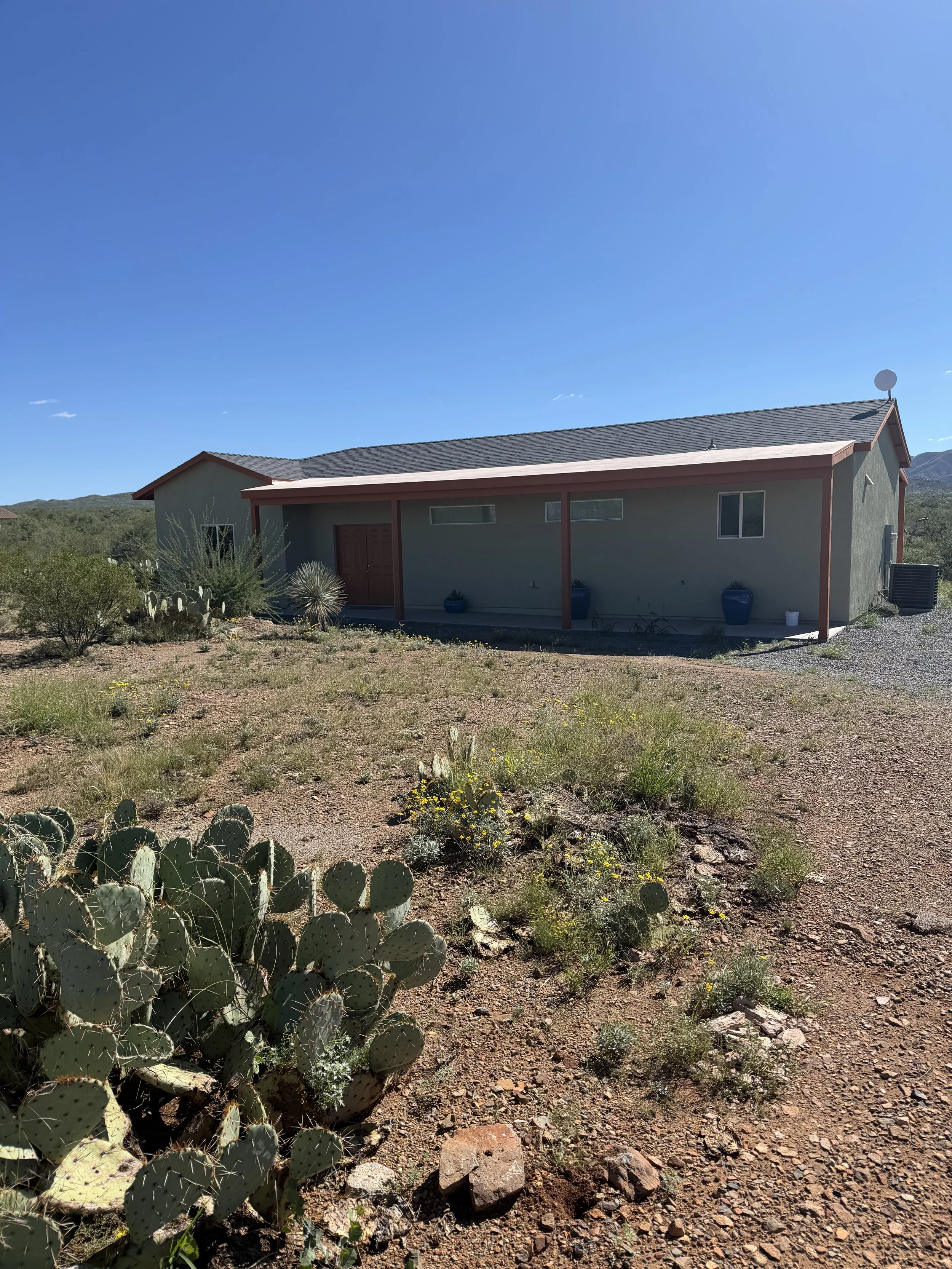
Since moving to Tucson a few years ago I have been inspired by the natural world, both terrestrial and celestial, and this comprises most of my output now; though I still complete still life paintings each year when I see something that begs to be painted.
Can you speak about your process?
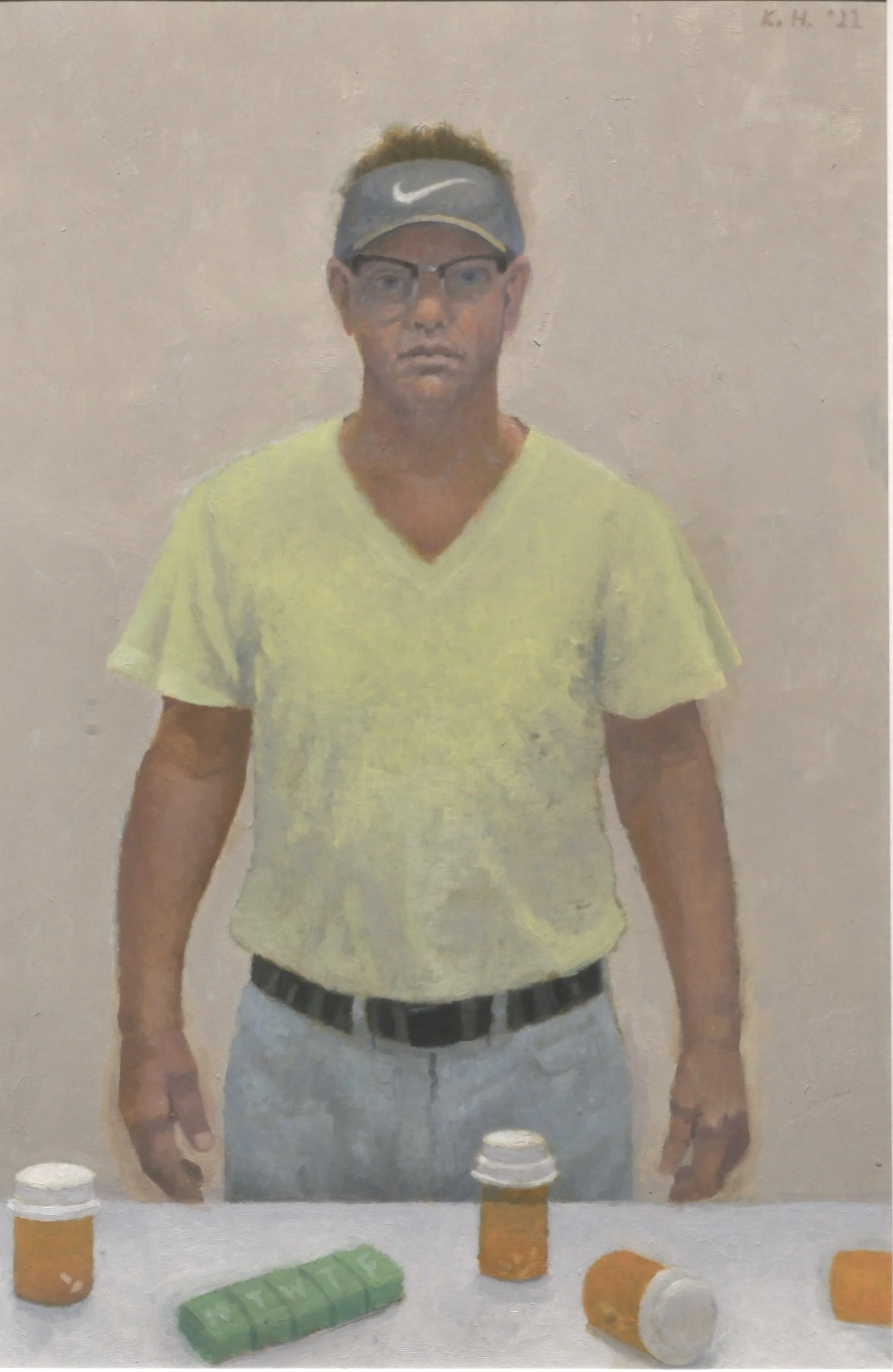
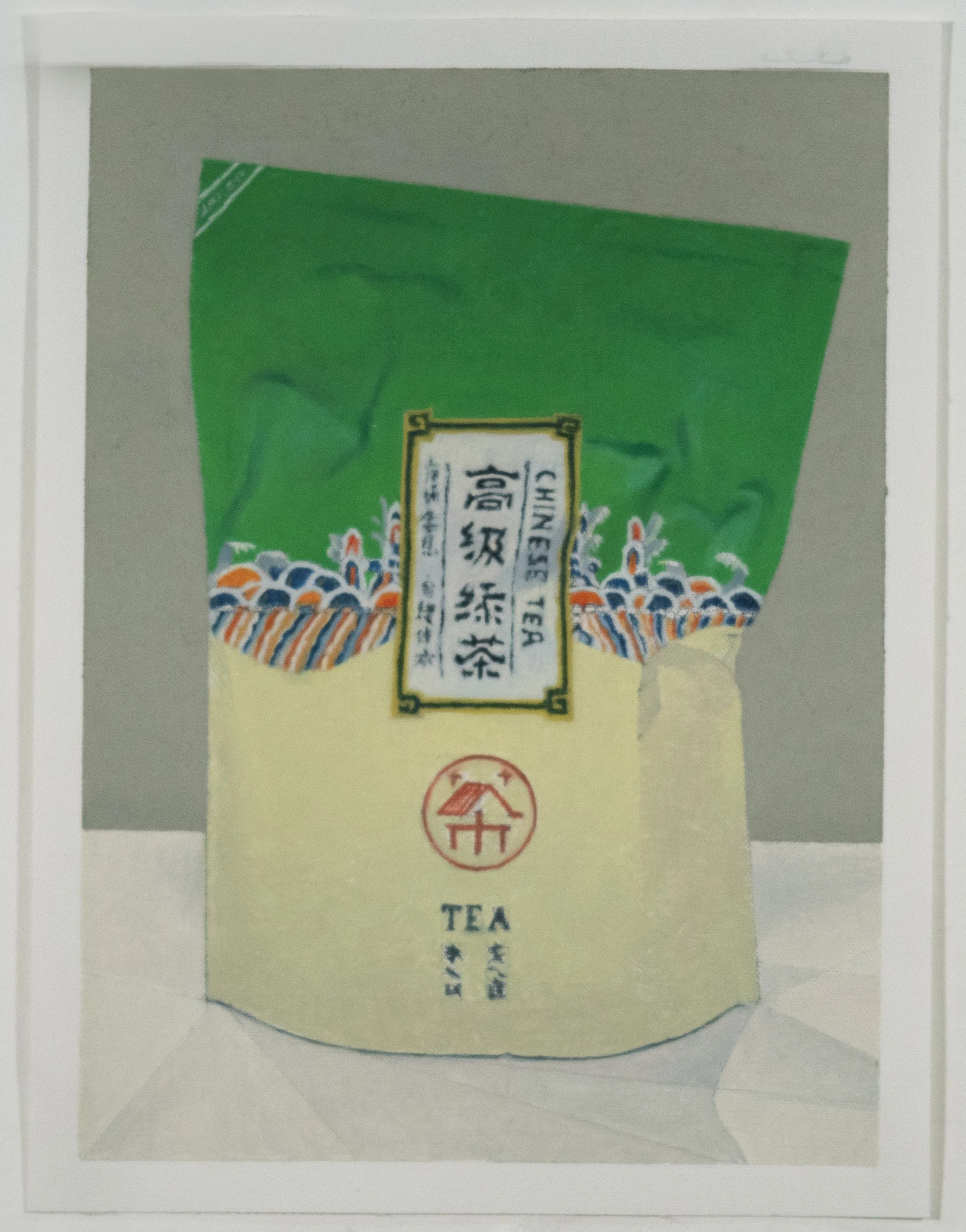
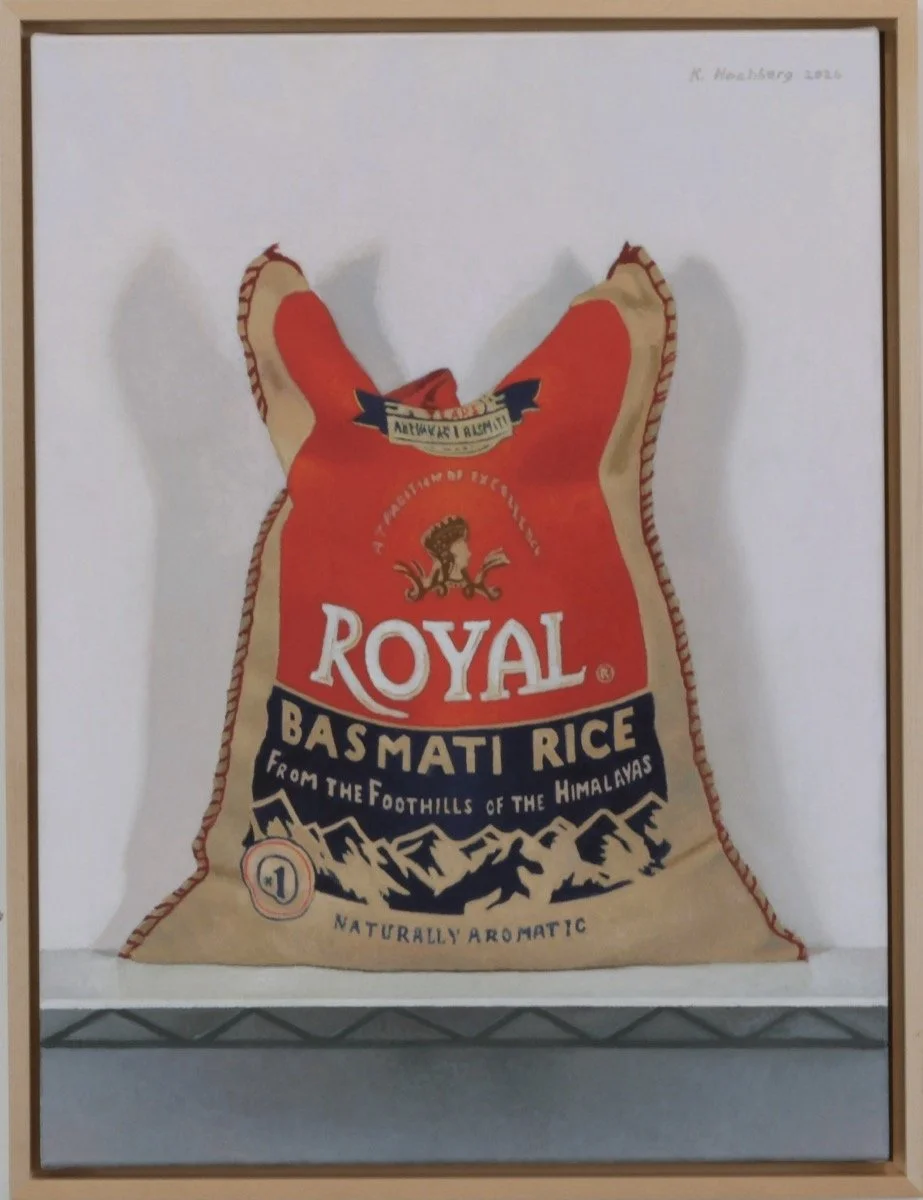
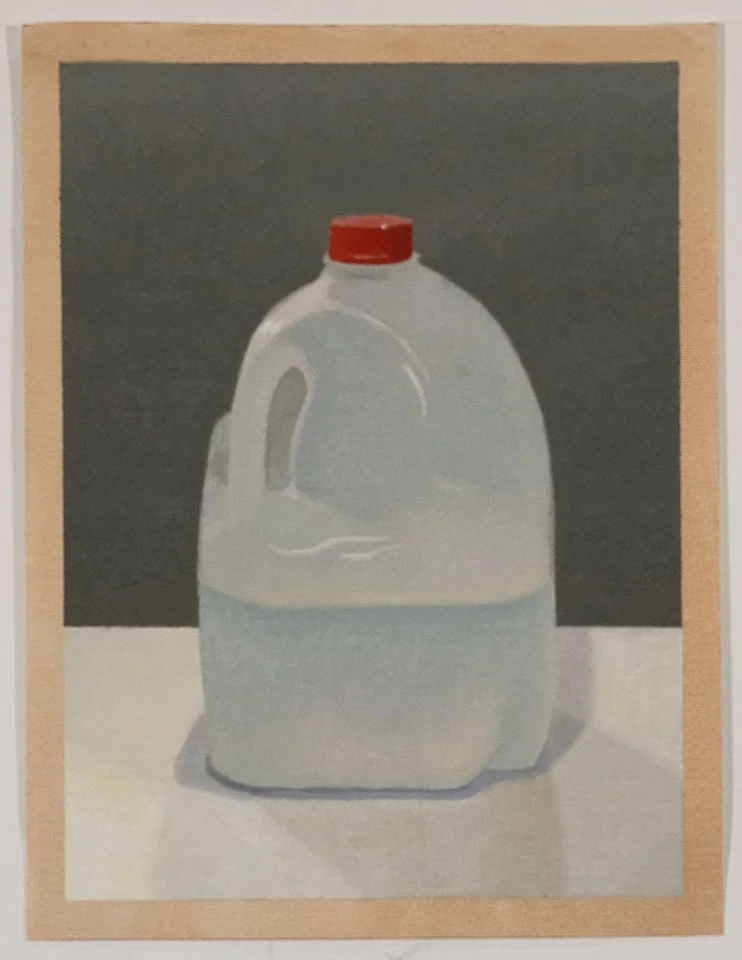
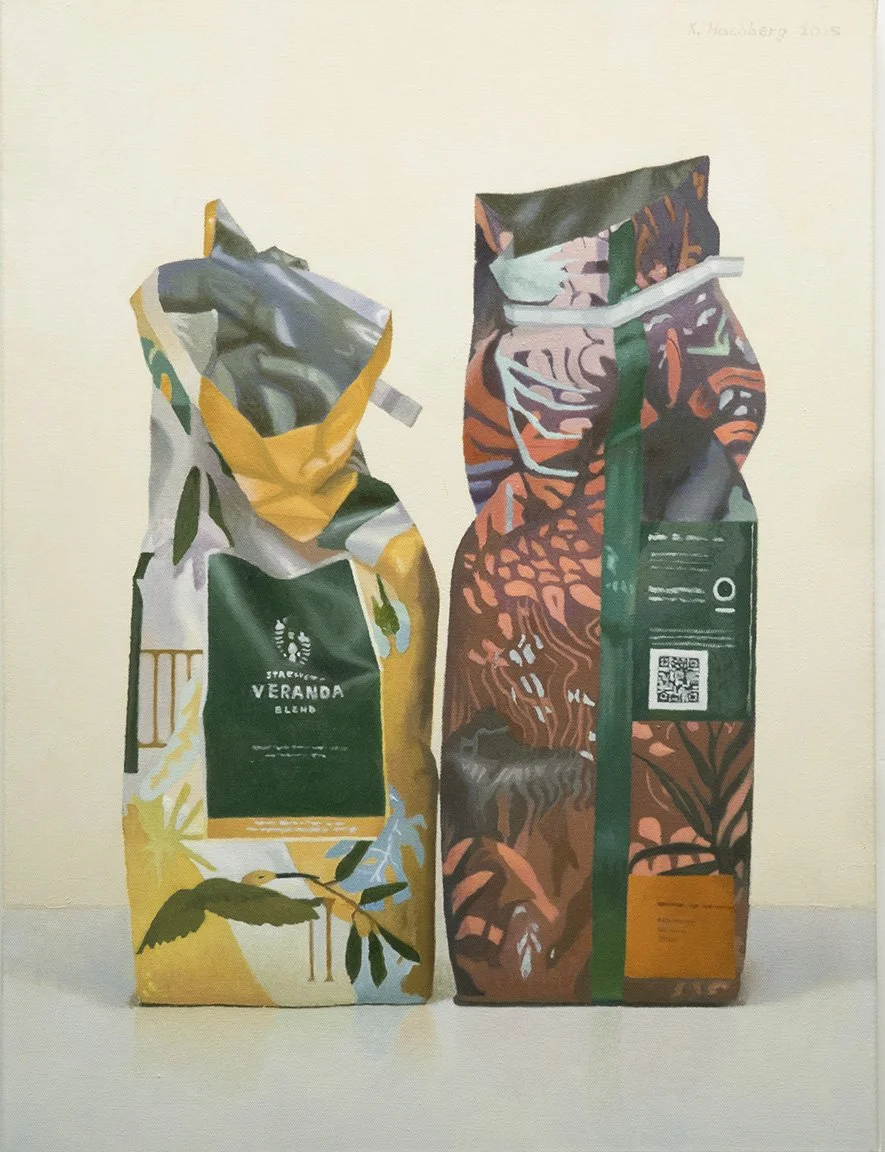
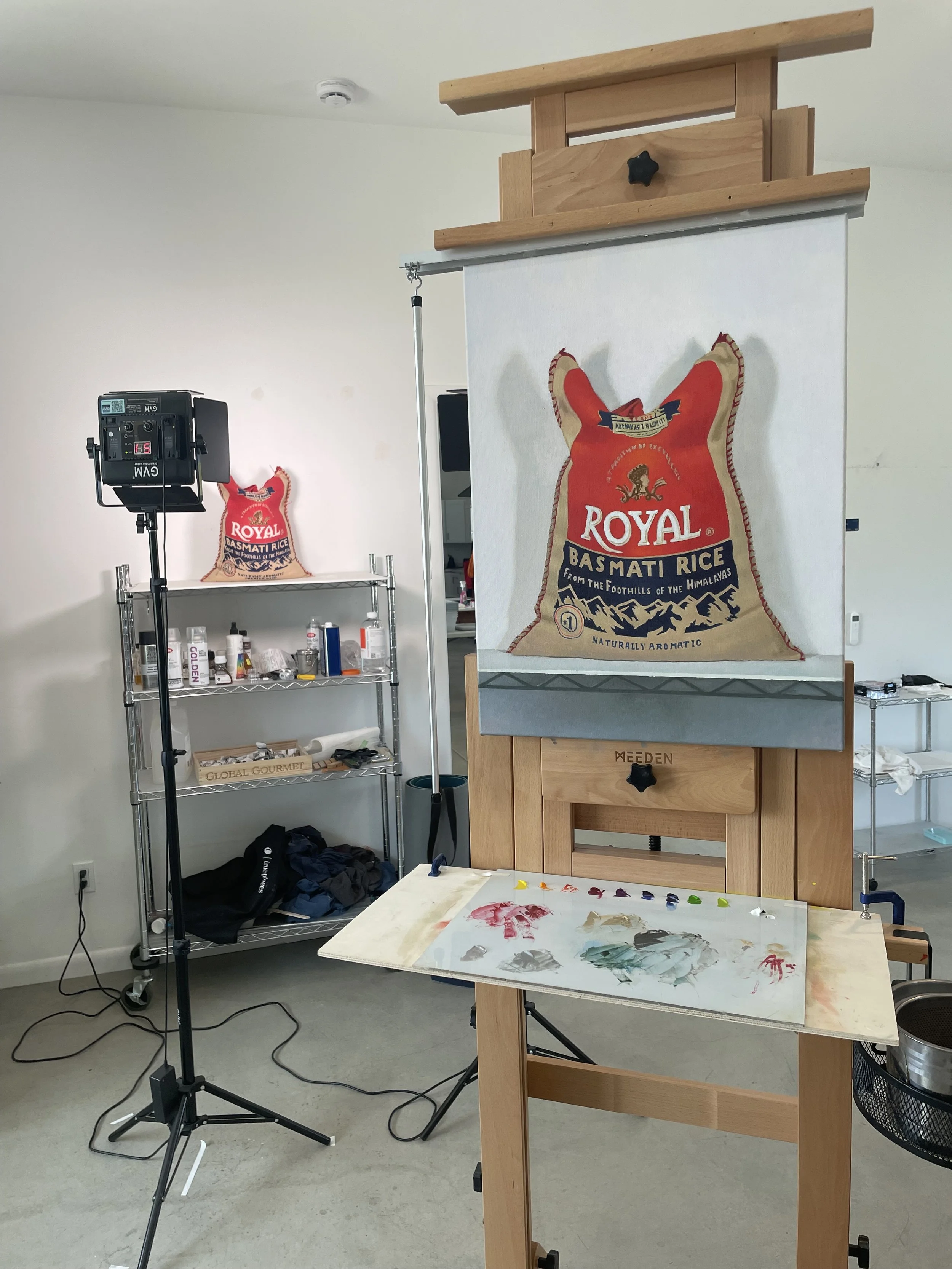
For my still-life paintings, I walk up and down grocery aisles until I see something that catches my eye. These start with a pencil line drawing after which I mix and apply paint directly. I try to mix everything as accurately as possible on the palette with each painting taking two or three layers to complete. I use a small amount of Liquin to speed drying, but not enough to act as a glaze because I like the surface to be opaque paint.
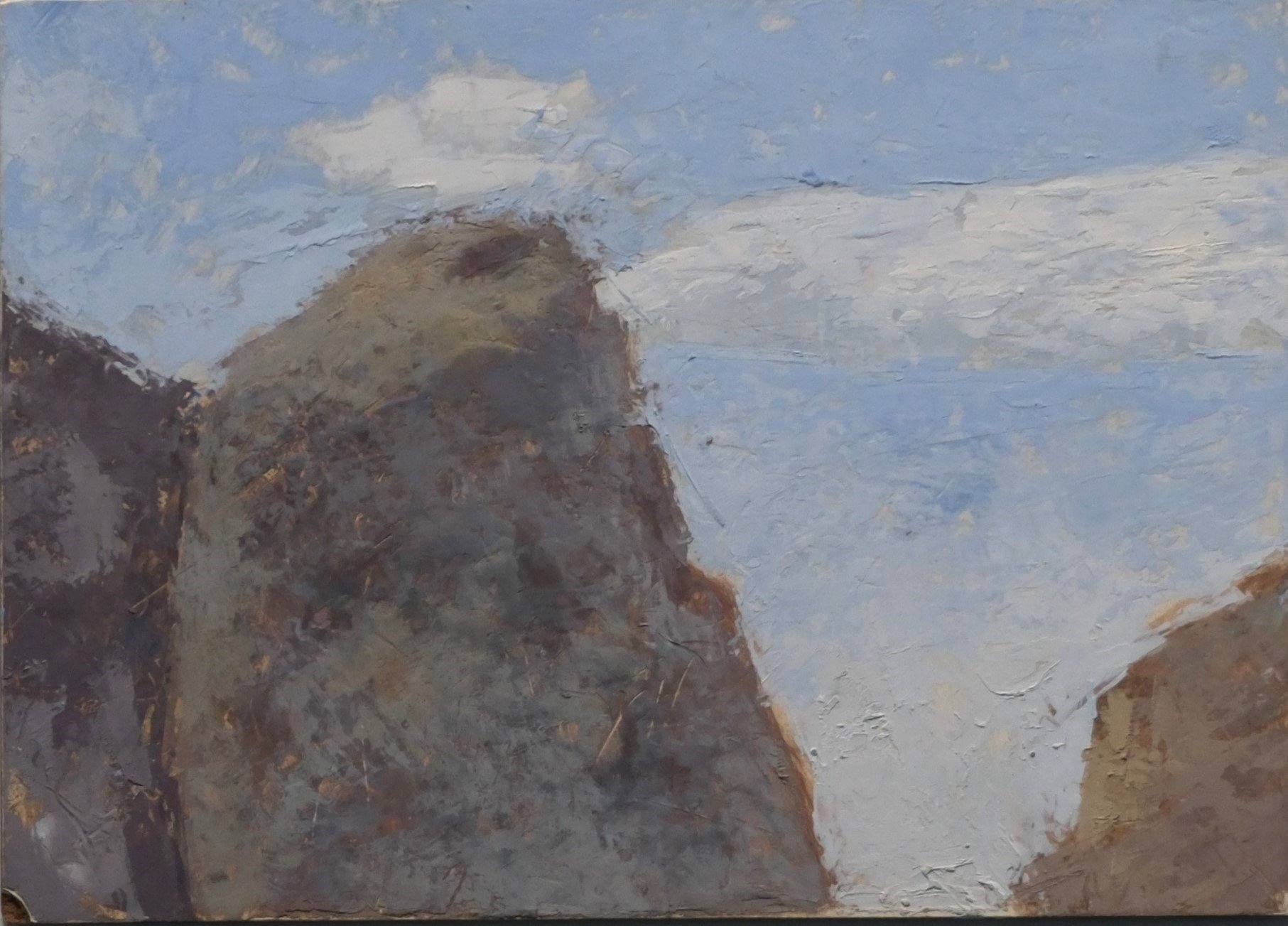
For my Pleinair paintings, I hike in the Sonoran Desert until I see a composition I like. I use a palette knife and brushes, whatever quickens the process. I do not paint more than two hours in a sitting due to the light moving and occasionally go back the next day at the same time to complete a piece, if needed.
In both cases, still-life, and pleinair, I use a limited palette of full intensity colors and mix everything I need from them.
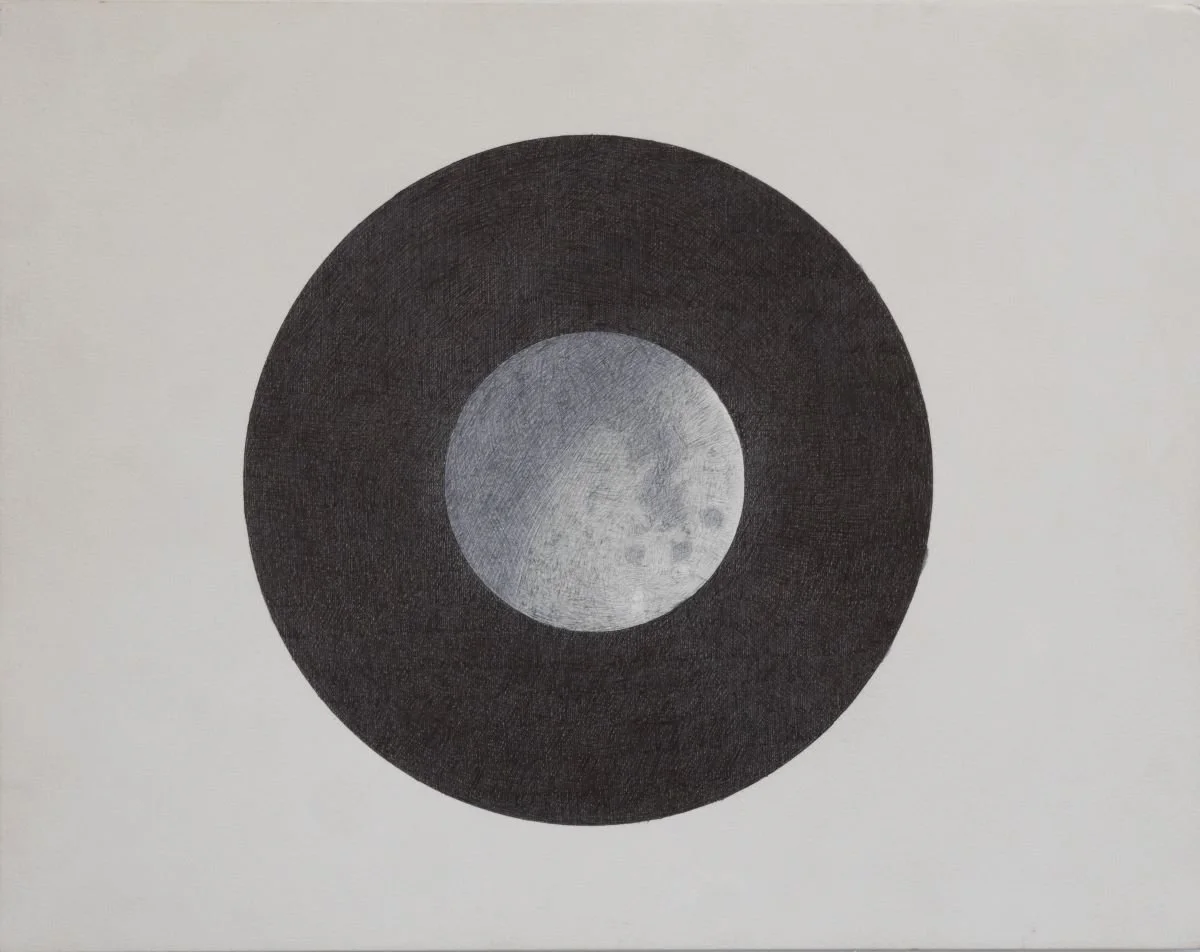
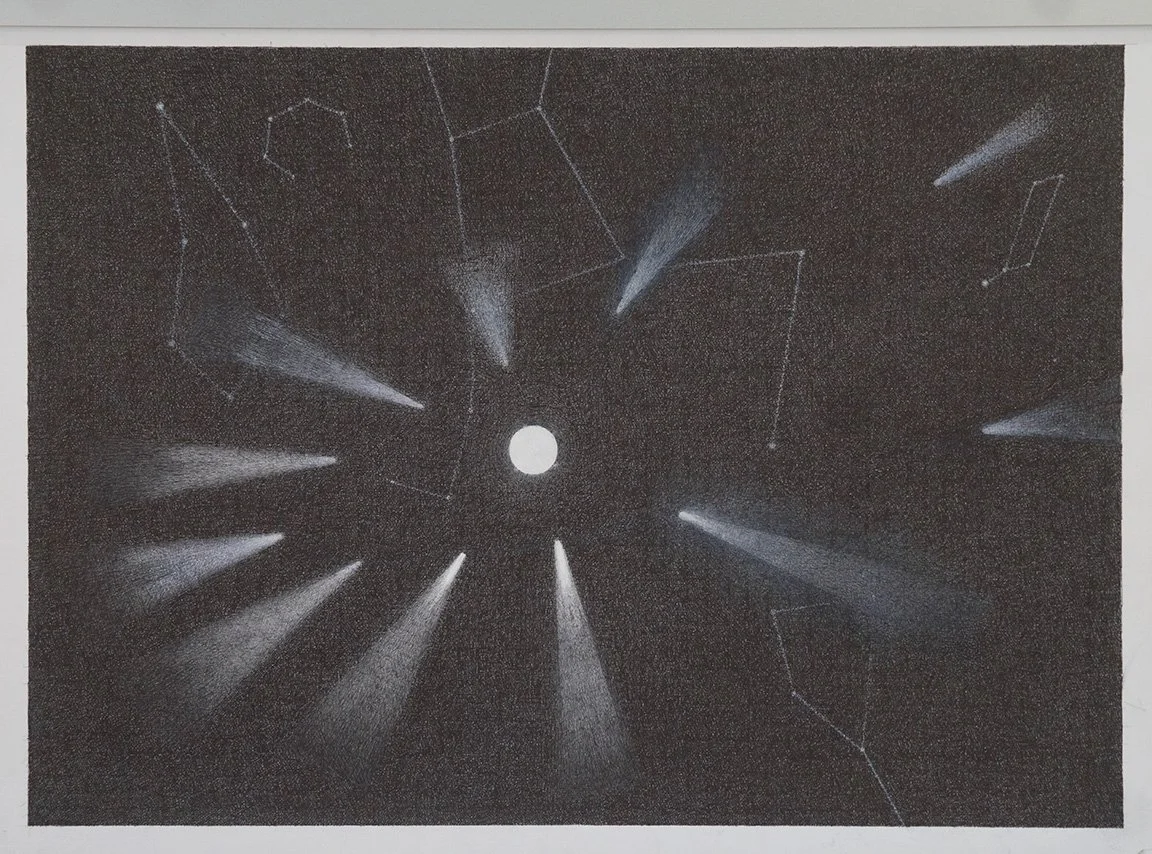
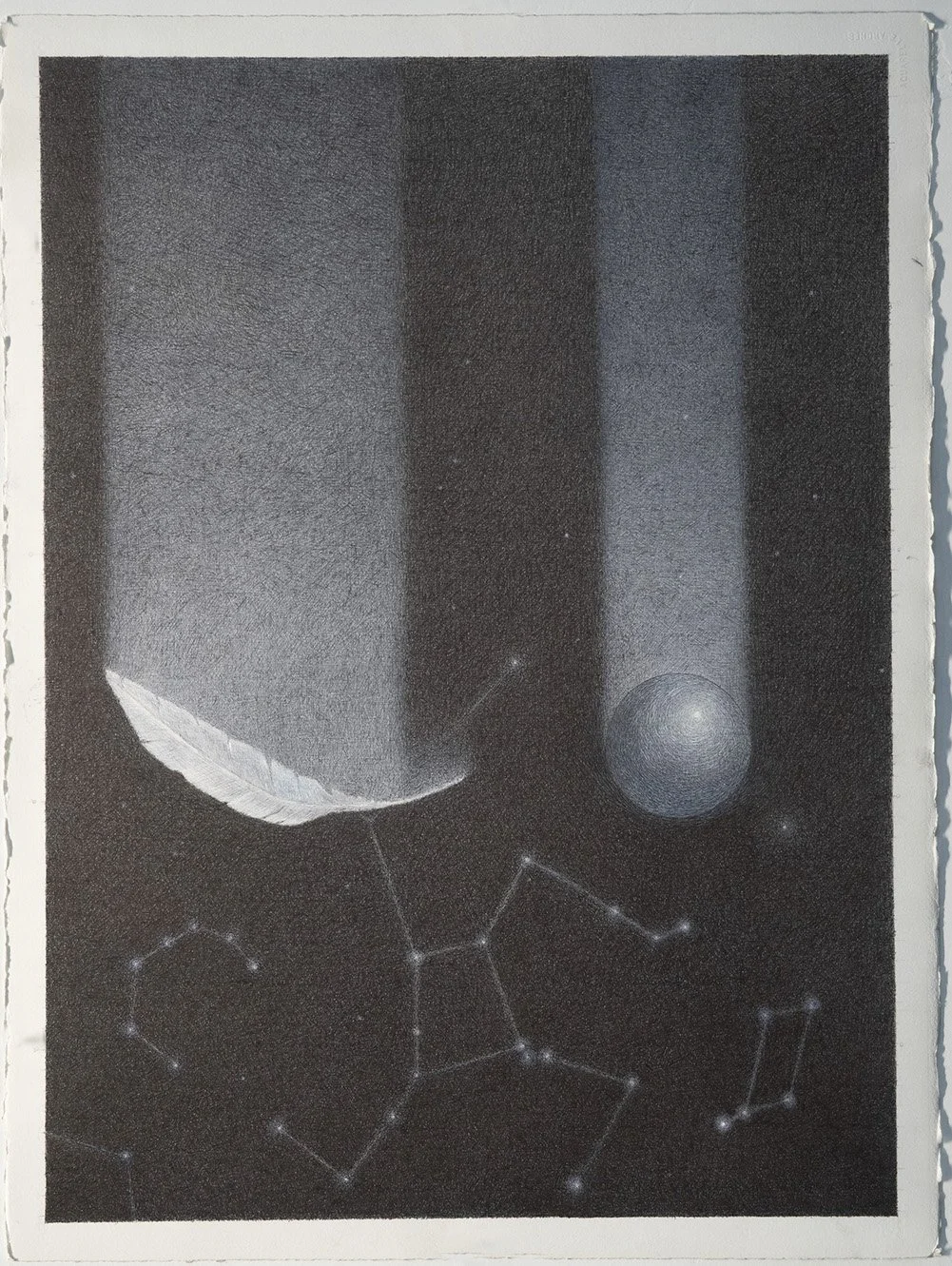
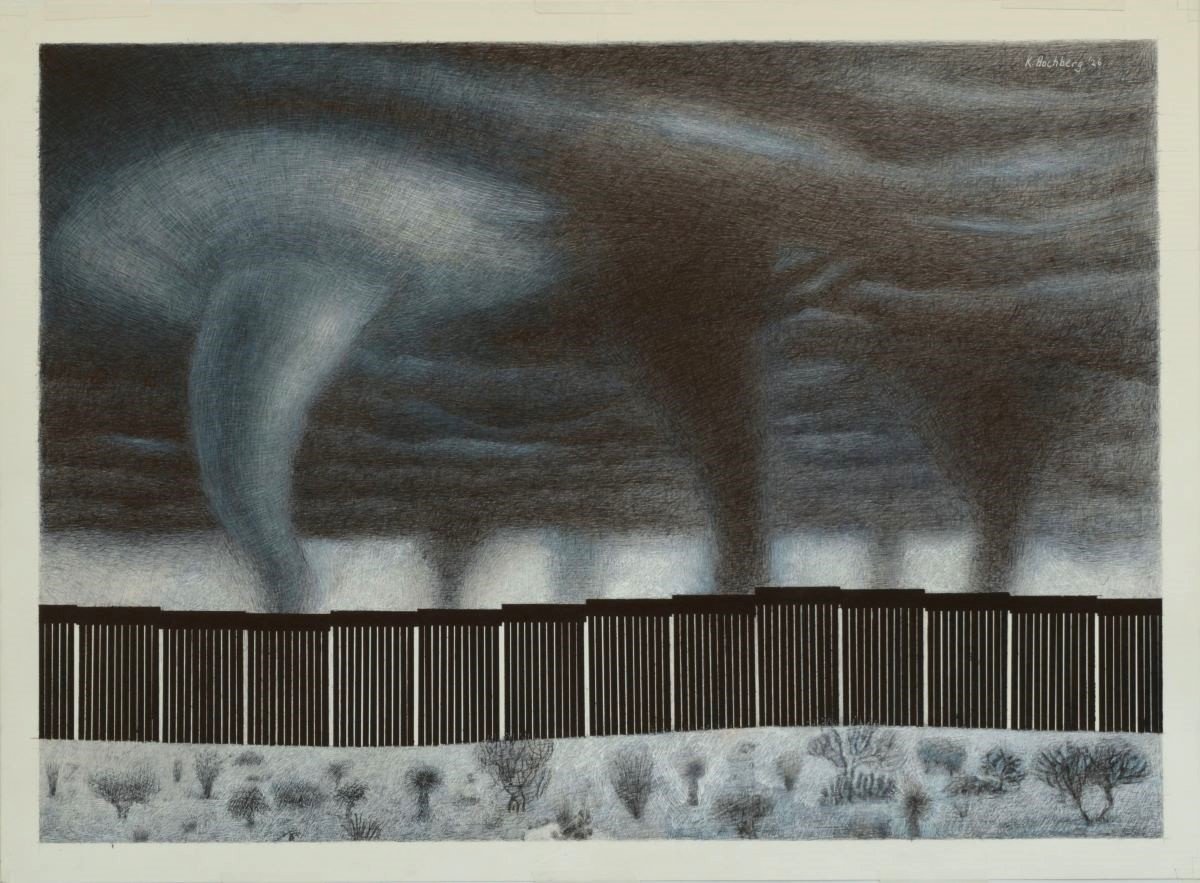
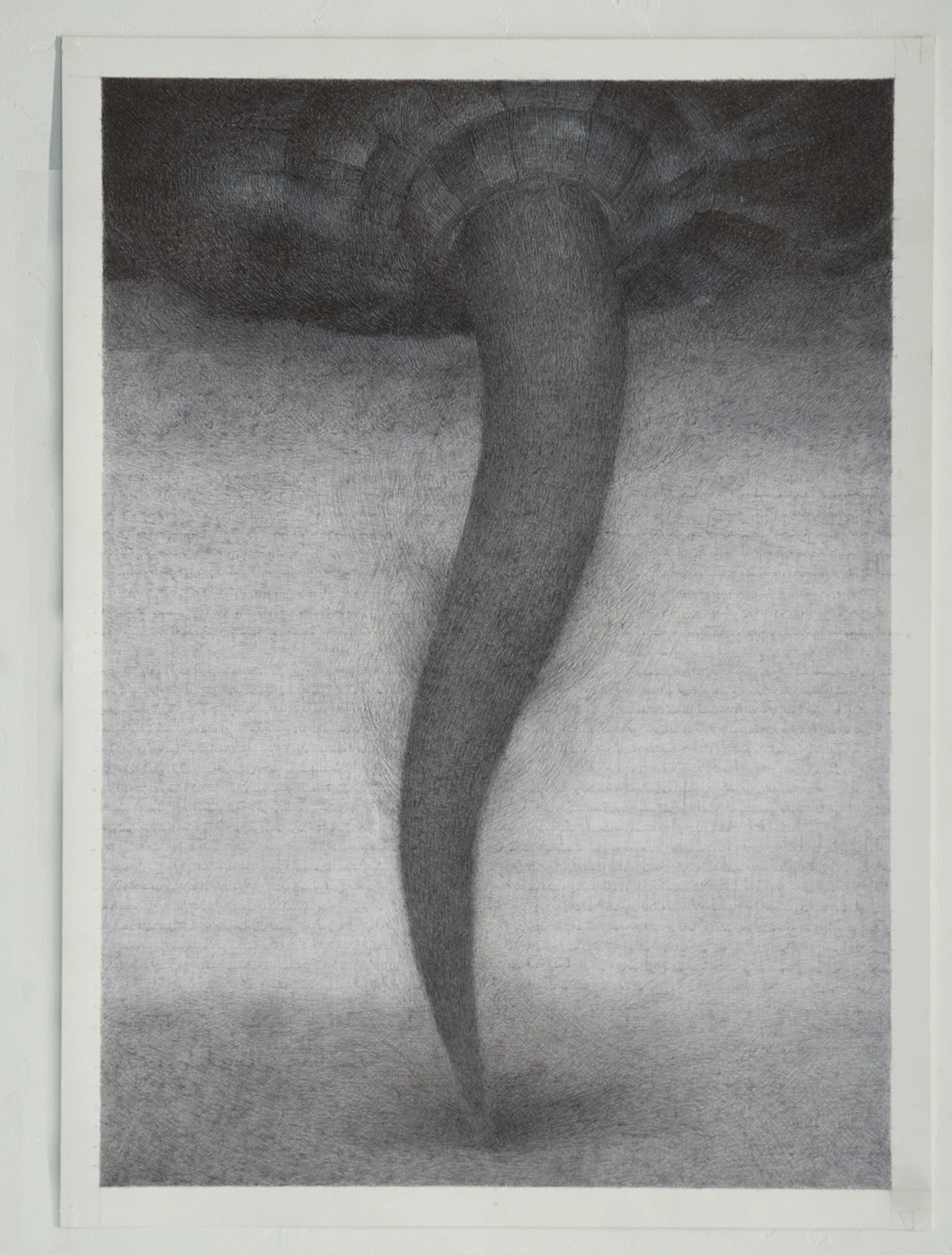
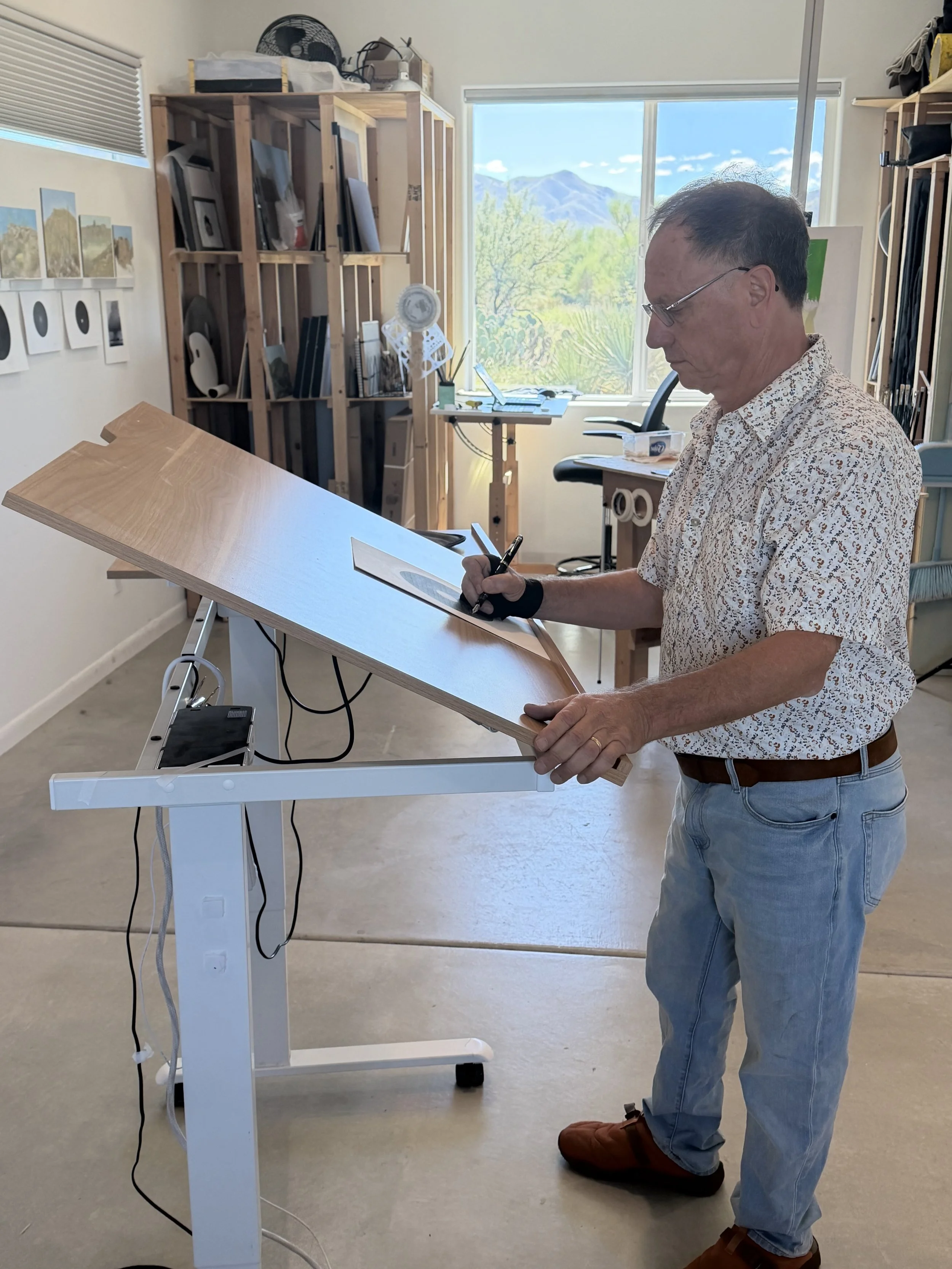
My Pen and Ink drawings are the newest addition to my oeuvres. I am an amateur astronomer and often draw what I see in my telescope. For other drawings, I am either hiking or driving when I see something that provides a kernel of an idea. For instance, I was driving alongside the border wall and knew I wanted to use it in a piece, but it took two years before how I wanted to use it popped into my head. The result is my drawing ‘Which Side Are You On’, that asks the viewer which side they are on, politically and figuratively, and depending on their answer, they are either standing in the US with the storms coming from Mexico or standing in Mexico with the storms in the US.
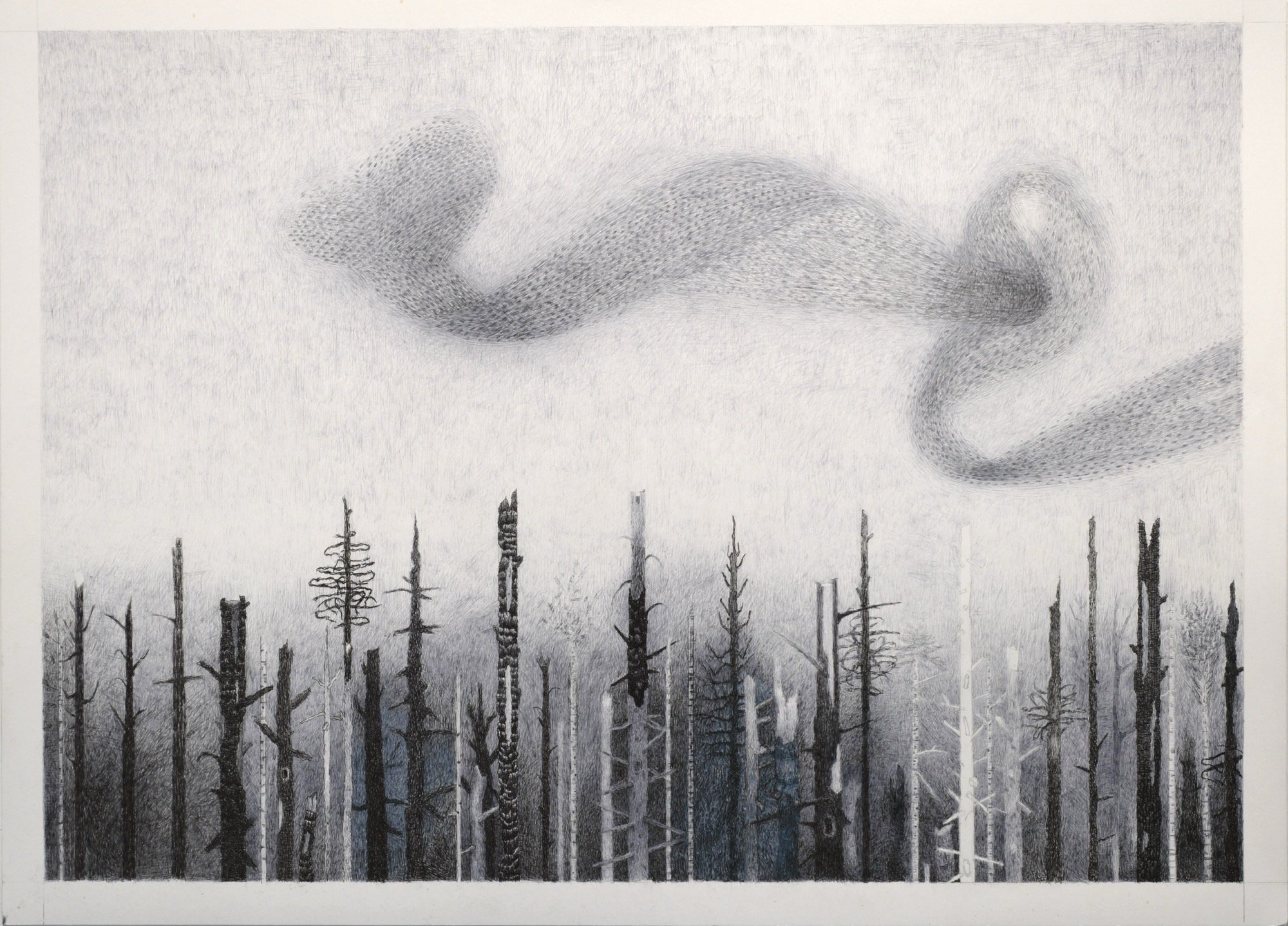
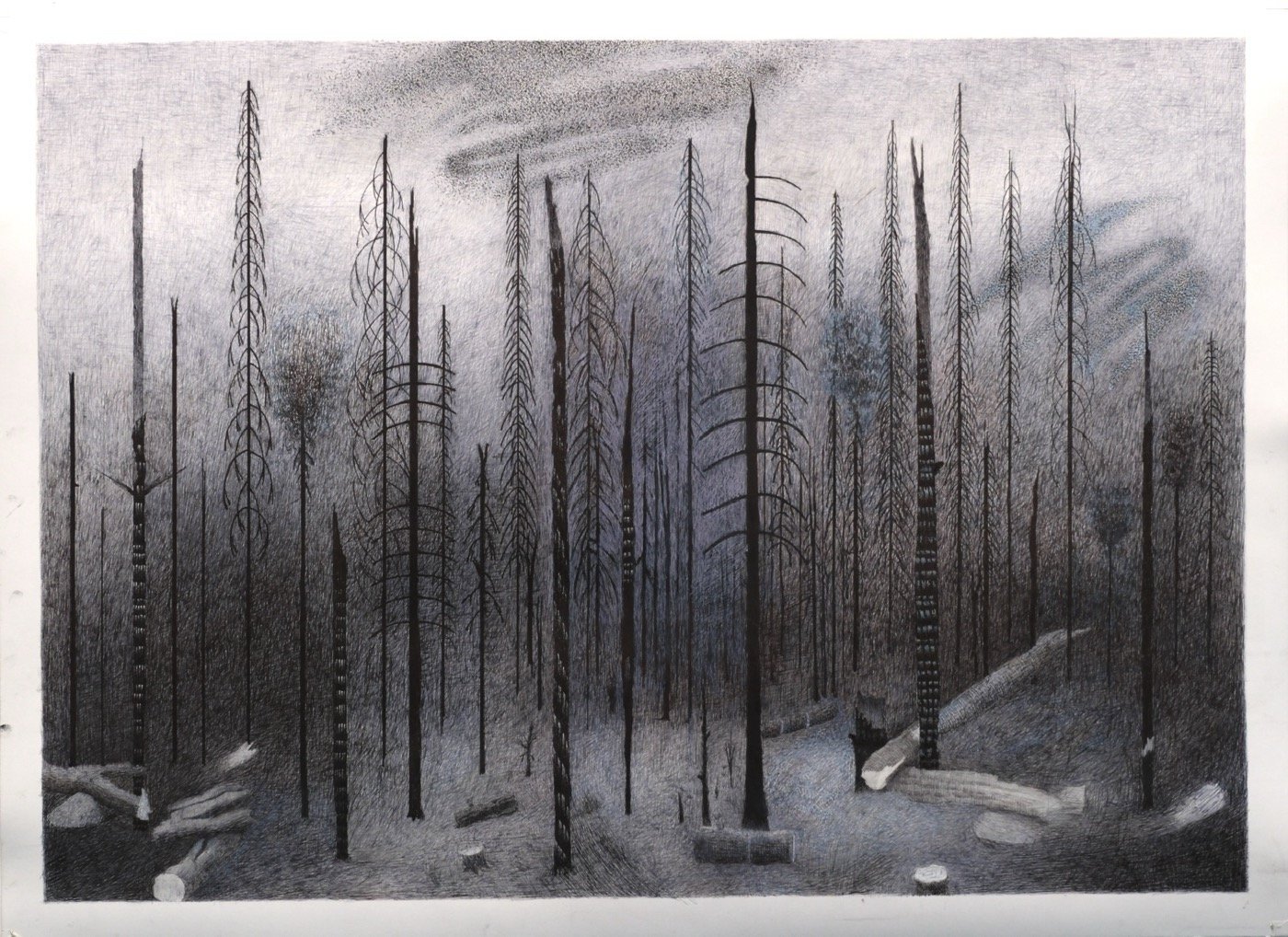
Another time I was hiking on Mount Lemon in Tucson where I live and passed an area where a forest fire had ravaged a bunch of trees. Later I saw a flock of birds and I used these two elements, burnt trees and birds, in drawings where the trees and birds became more meaningful when juxtaposed. An example is my drawing ‘Is There Safety in Numbers,’ which asks if there is safety in numbers. For the birds above the answer is ‘yes,’ because such formations provide safety from predators. But for the forest below ravaged by fire, the answer, alas, is ‘no.’
How did you become interested in art?
When I was in third grade, a boy in my class drew a car that looked like a car. I knew at once I had to do this, too, but I did not realize at the time I would be working towards this goal my entire life.
Do you have any favorite artists, movies, books, or quotes?
My favorite living artist in the past few years is Ruprecht Von Kaufman, but I also seem to produce a new ‘favorite’ daily while scrolling on Instagram. The work of Lilith Black Bee inspired me to try pen and ink drawing which has become a major part of my portfolio.
Some of my favorite books include all novels by Lisa See, A Gentleman in Moscow, and Memoirs of a Geisha. But I read a lot and can name many others.
What advice do you have for younger artists?
This may seem obvious, but it is hard to think of innovative ideas, at least for me. Partly by design, my large pen and Ink drawings and still-life paintings take several months to complete, which means I do not have to constantly think about what to do next. This is liberating.
Long car rides are a valuable time to think about your next idea.
Any more thoughts about art, creativity, or anything else you would like to share?
My mentor in college was Barkley L. Hendricks, who continues to influence my artistic philosophy and approach to this day. He taught us that art “should say as much as possible with as little as possible”, which is an elegant, minimalist view I still follow even though current painting trends lean to a more maximalist approach.