Jim Fiora
Stony Creek, CT, USA
Website
www.jimfiora.com
Social Media
Instagram
How would you describe your work?
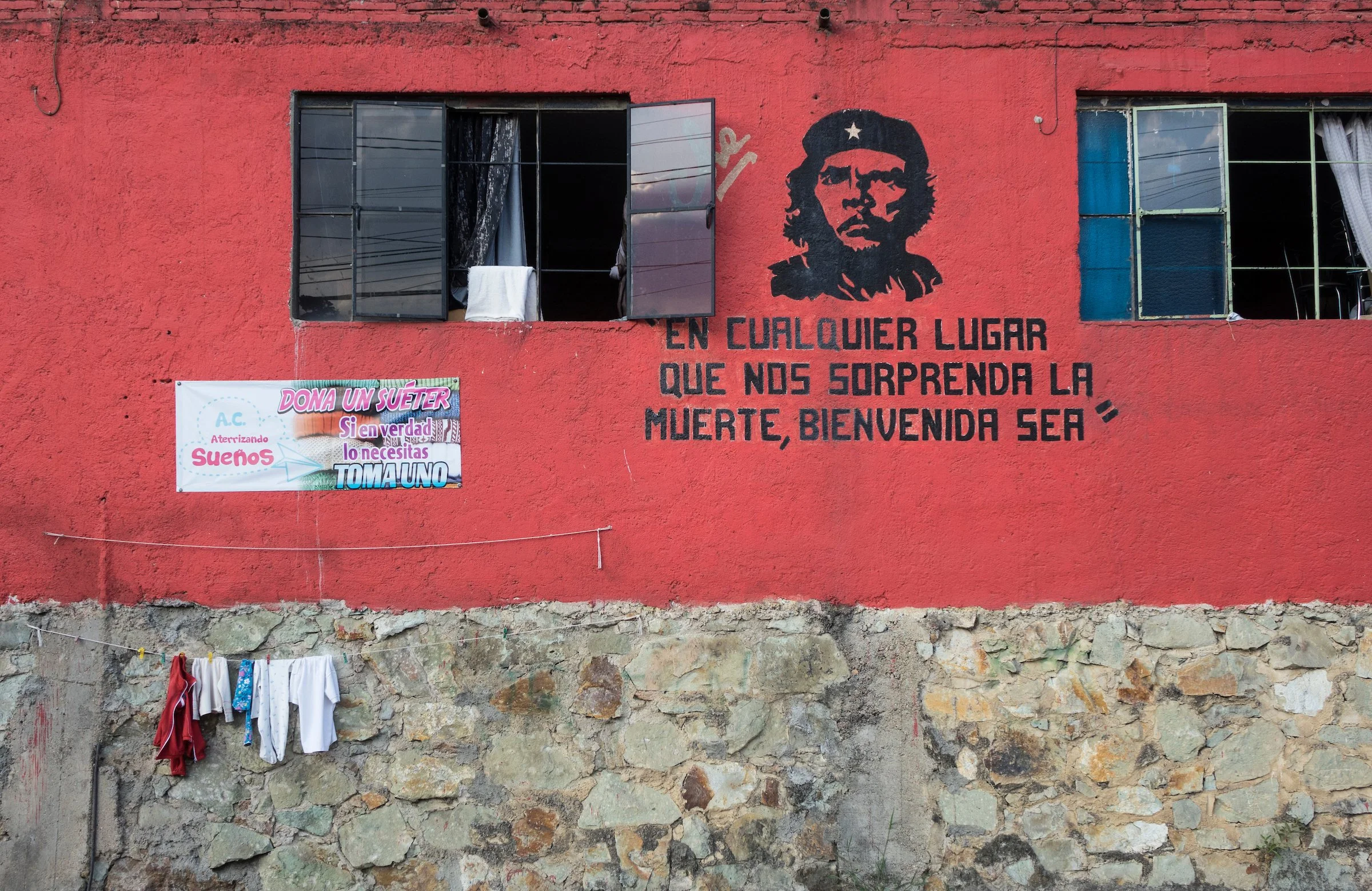
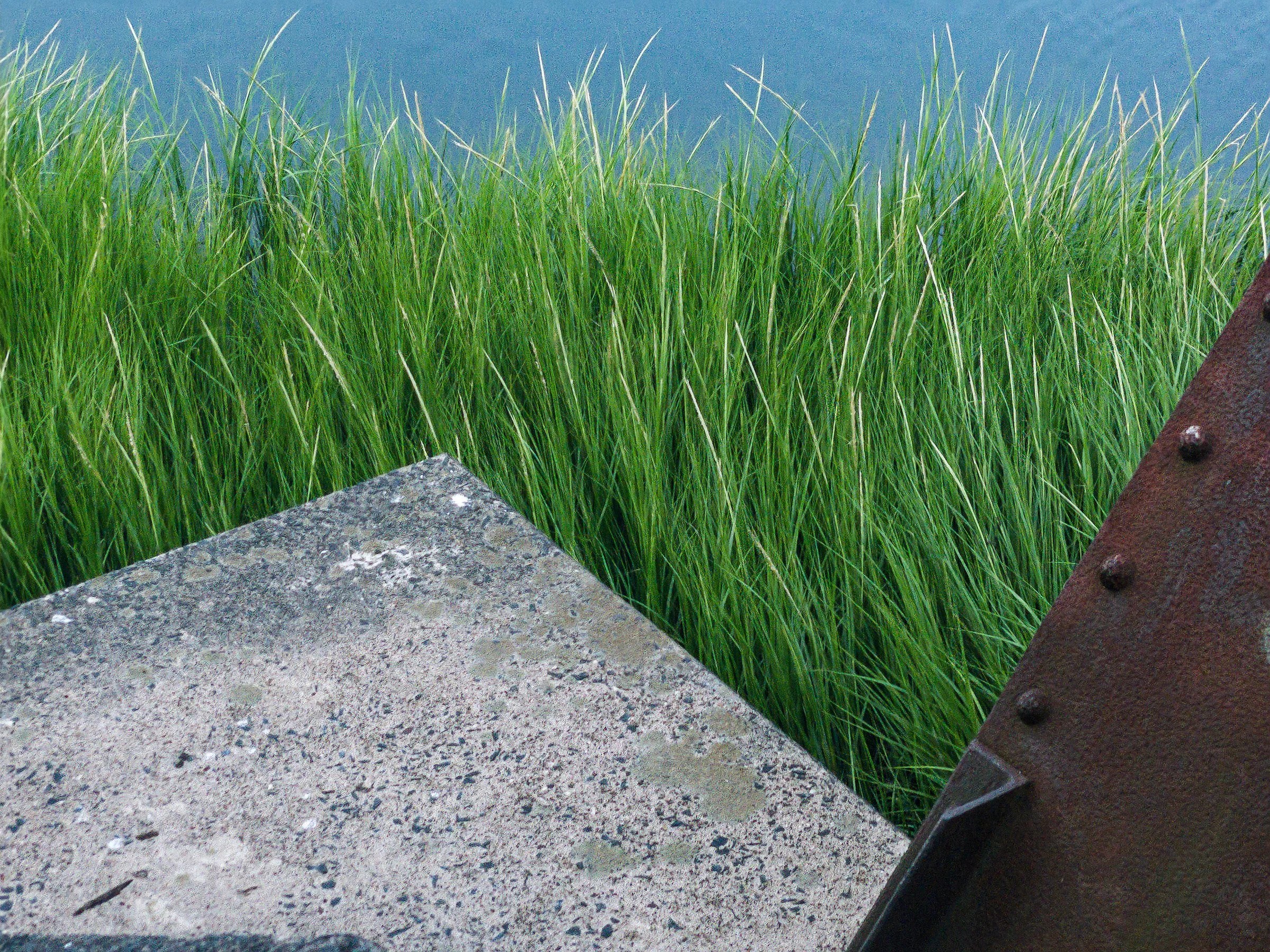
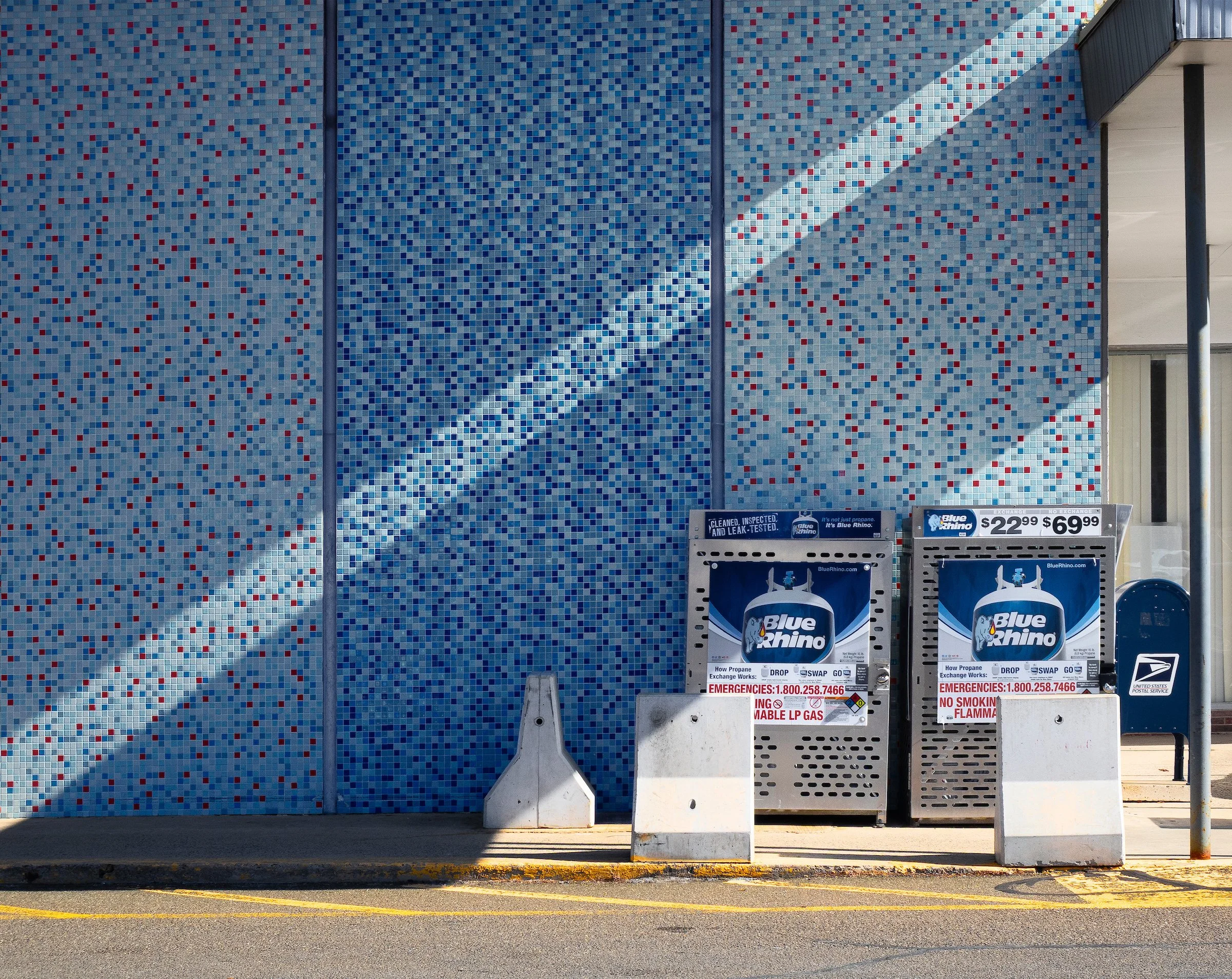
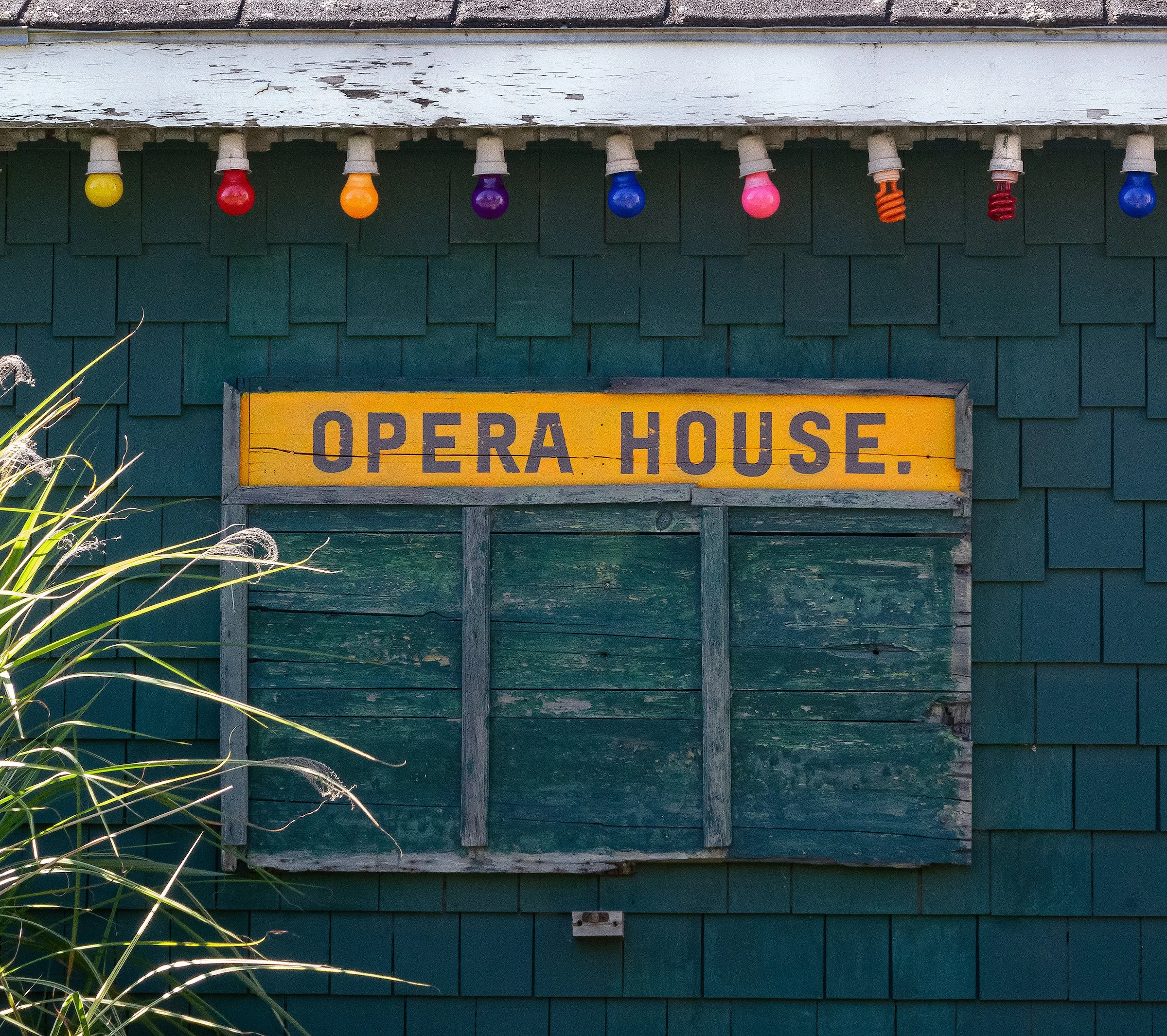
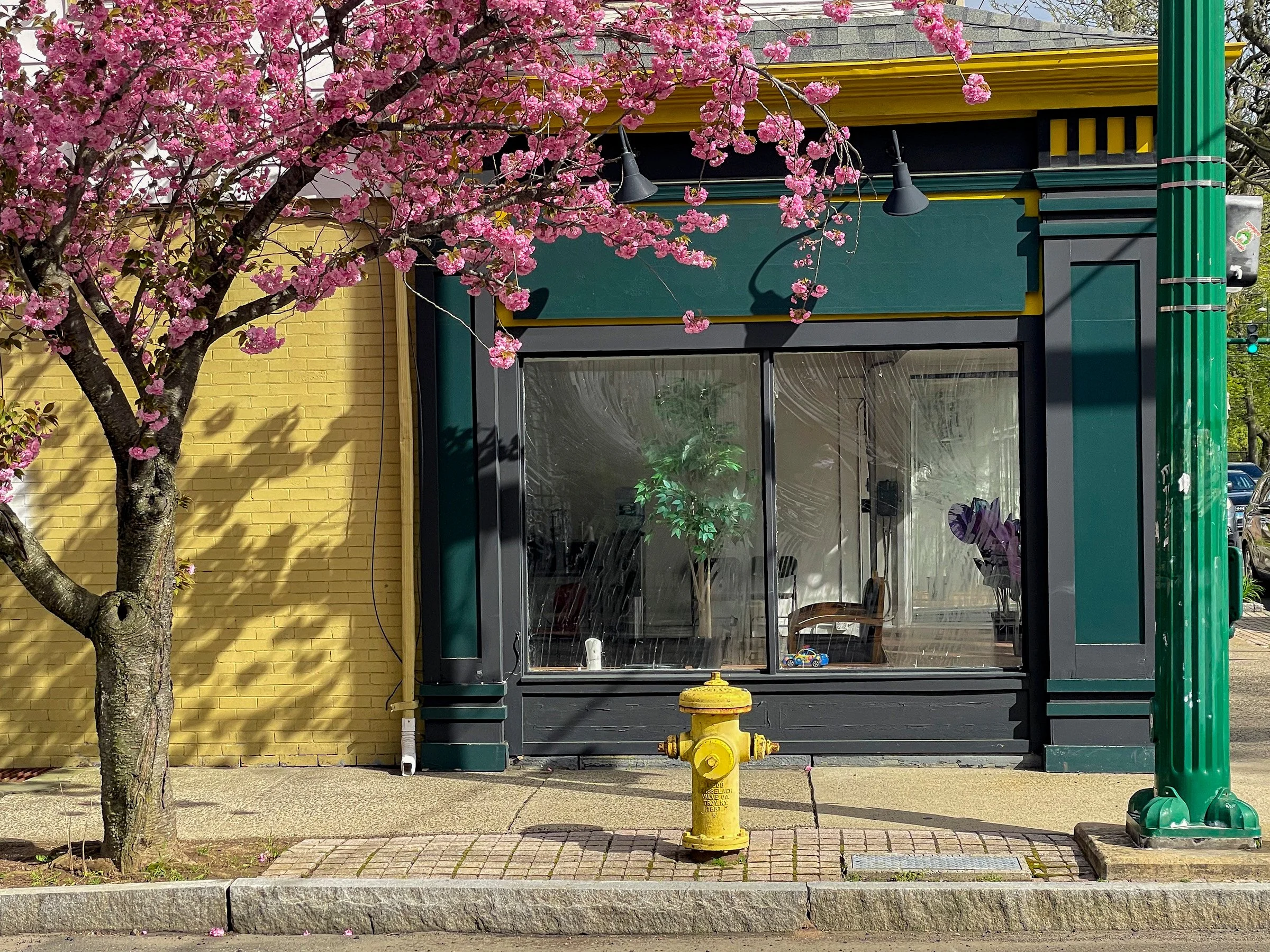
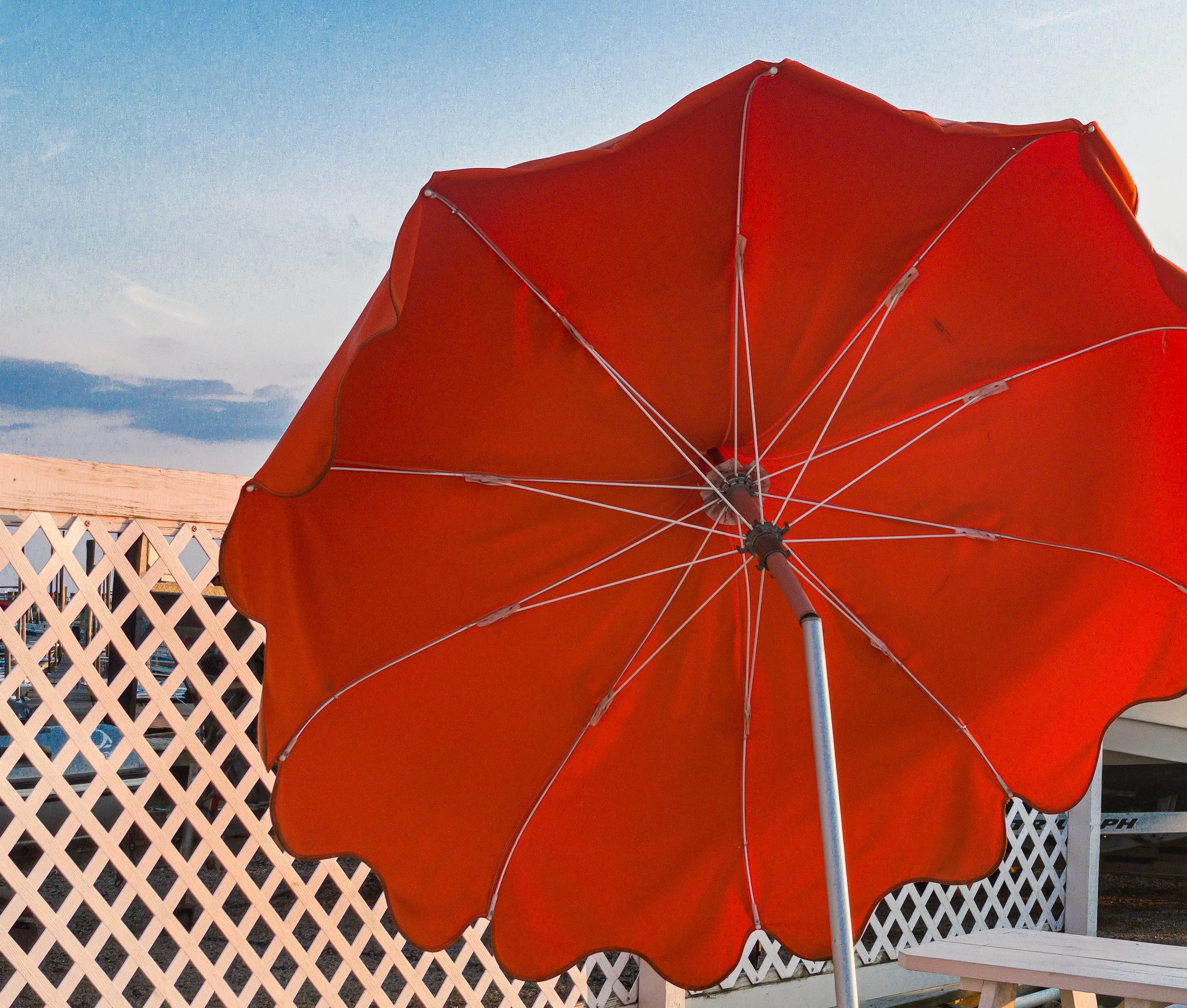
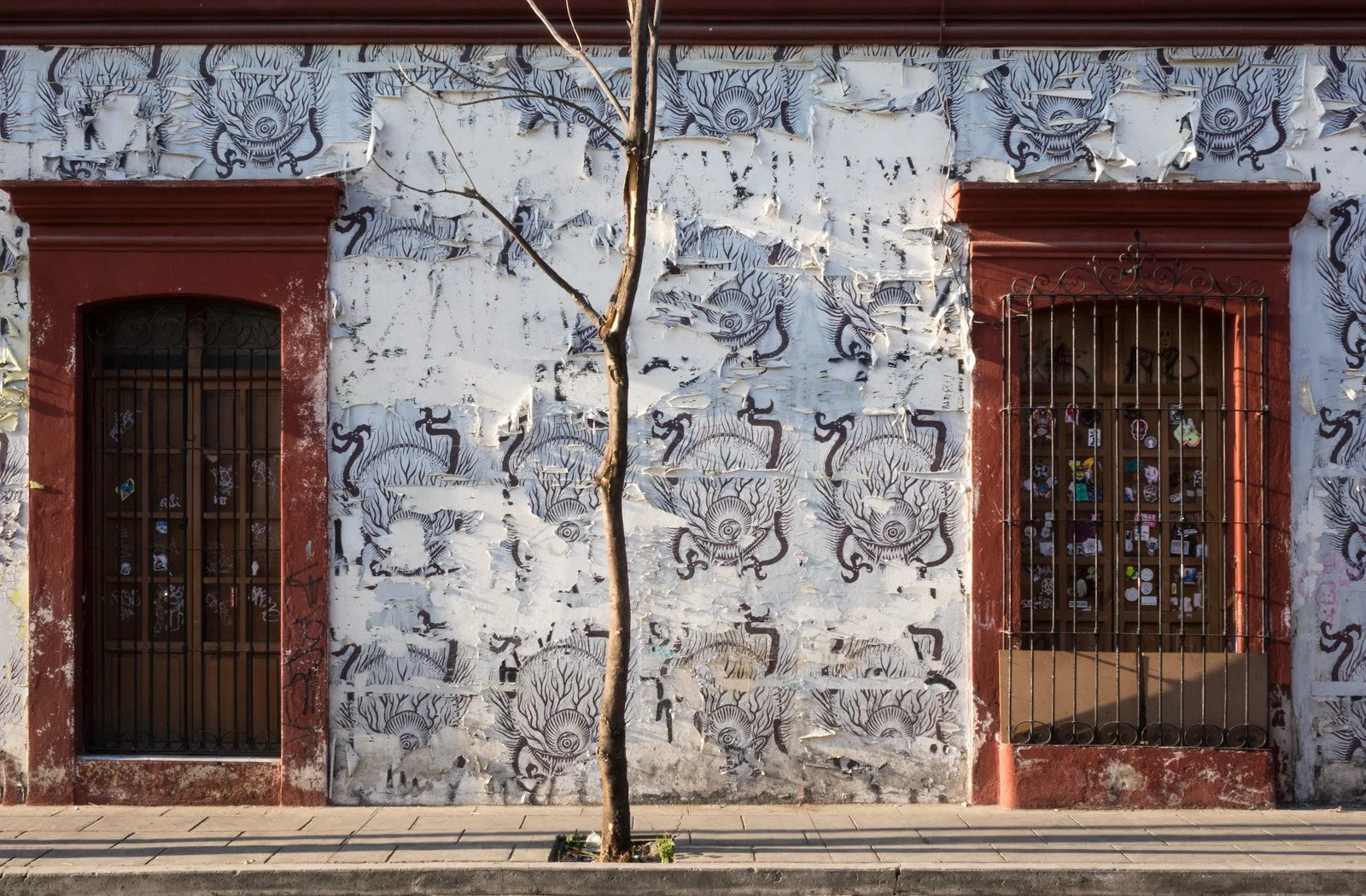
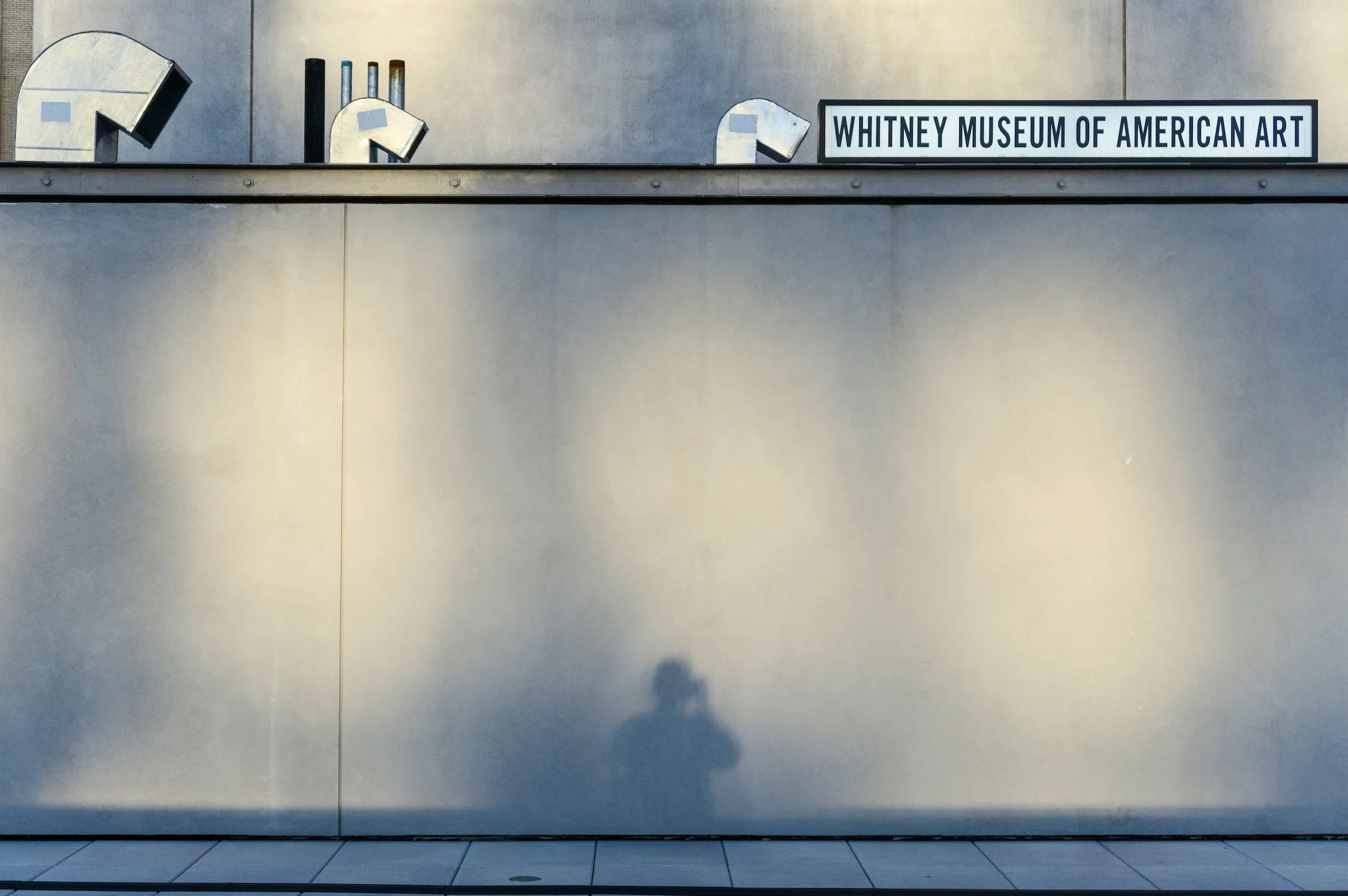
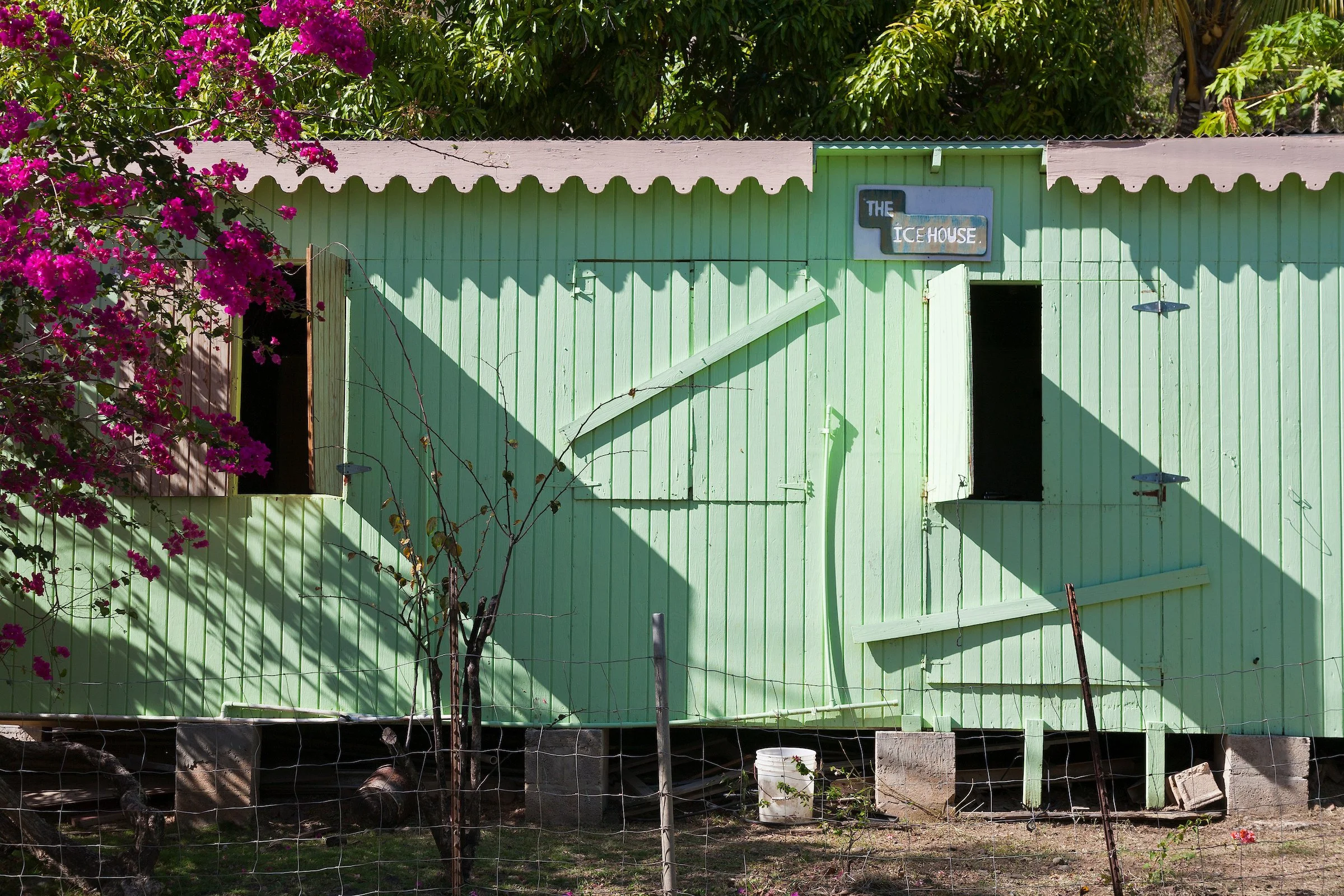
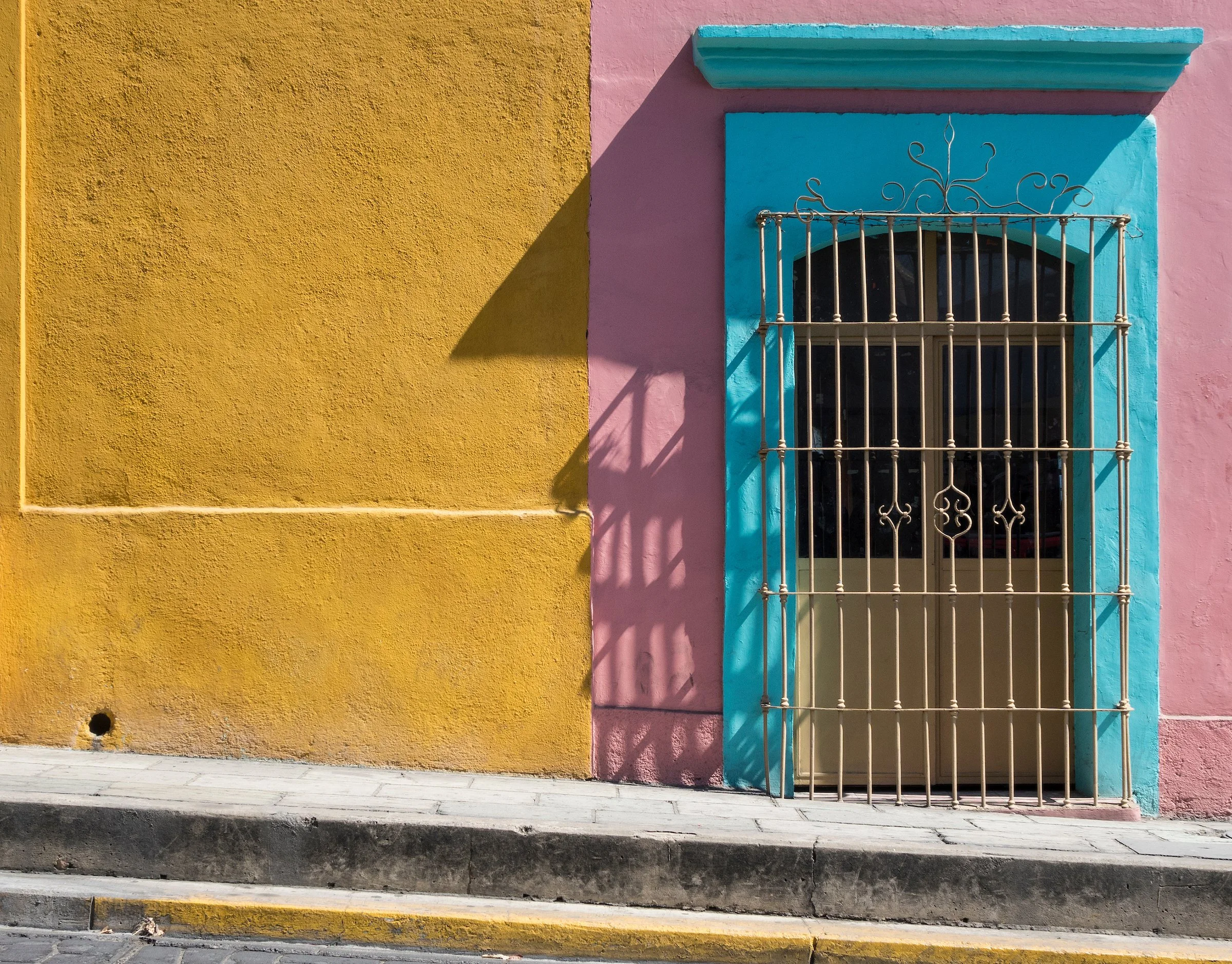
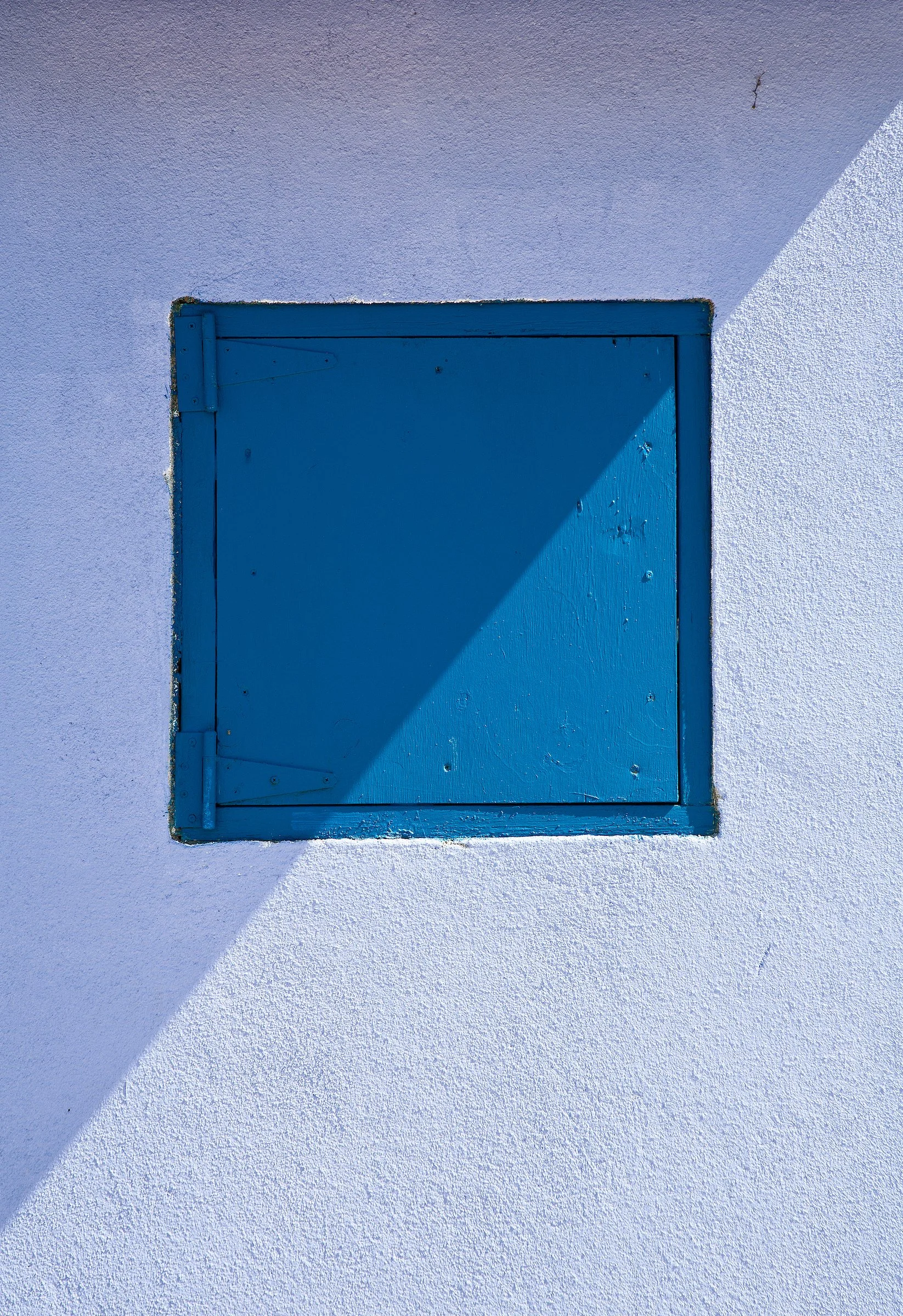
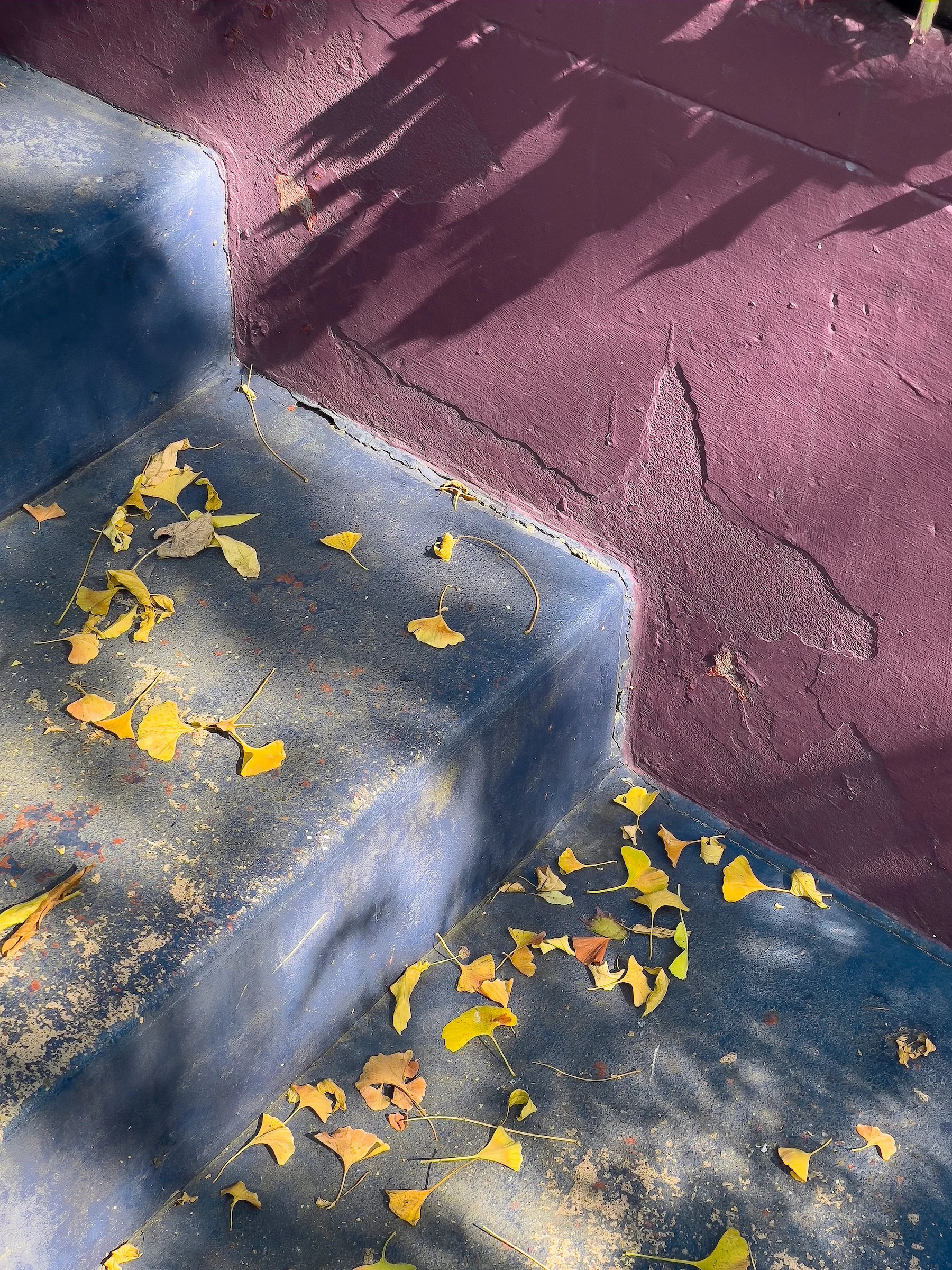
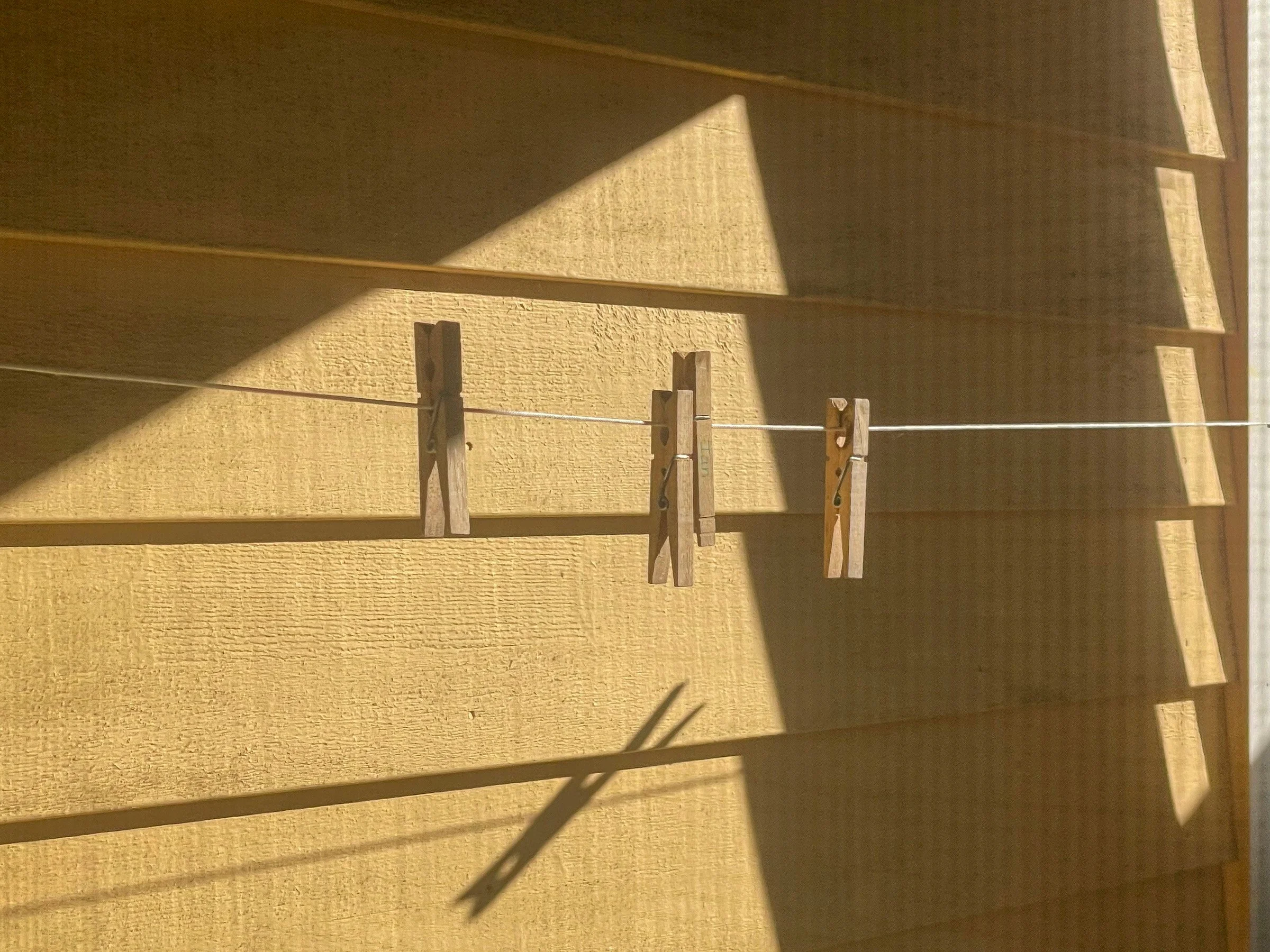
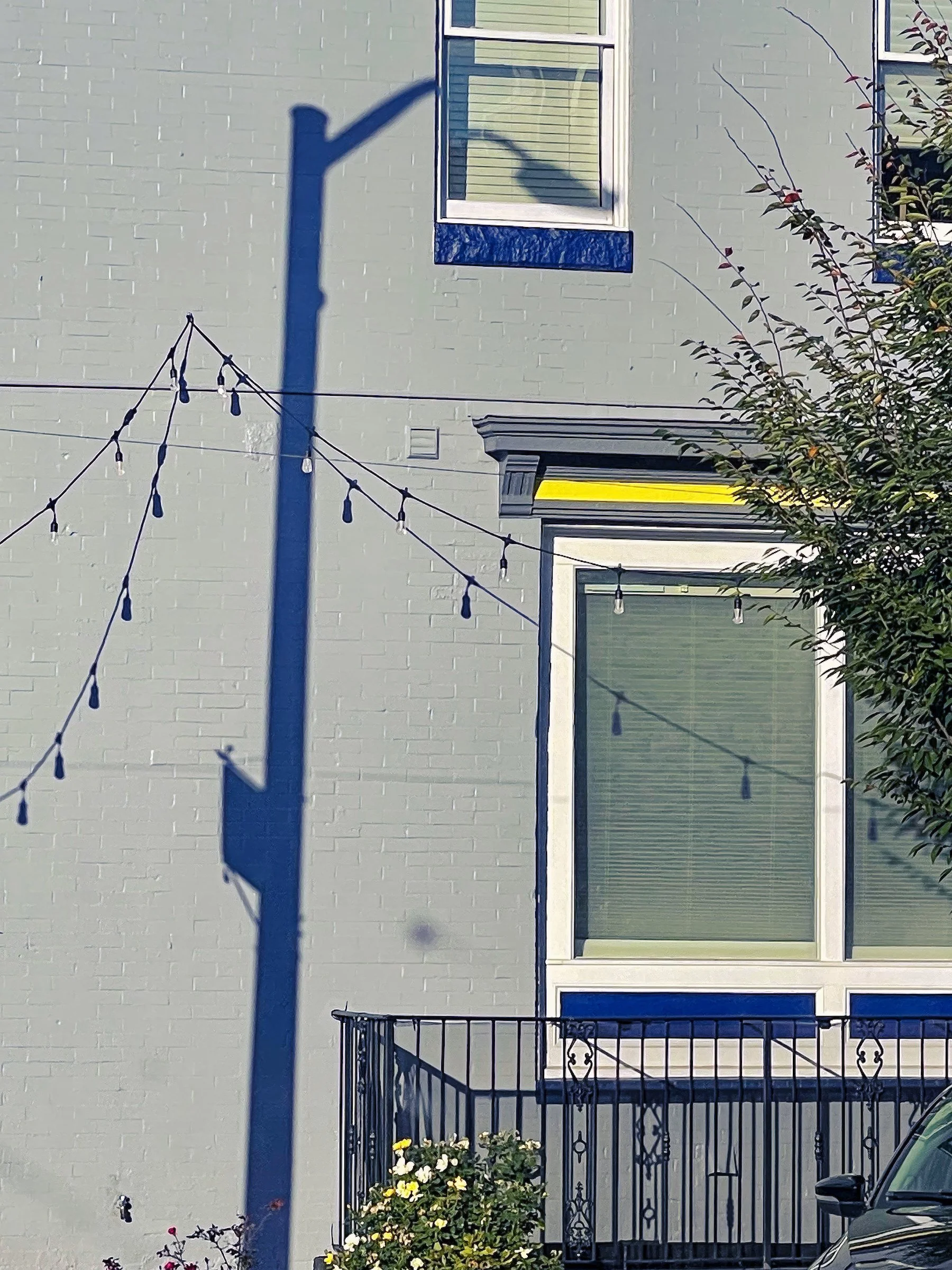
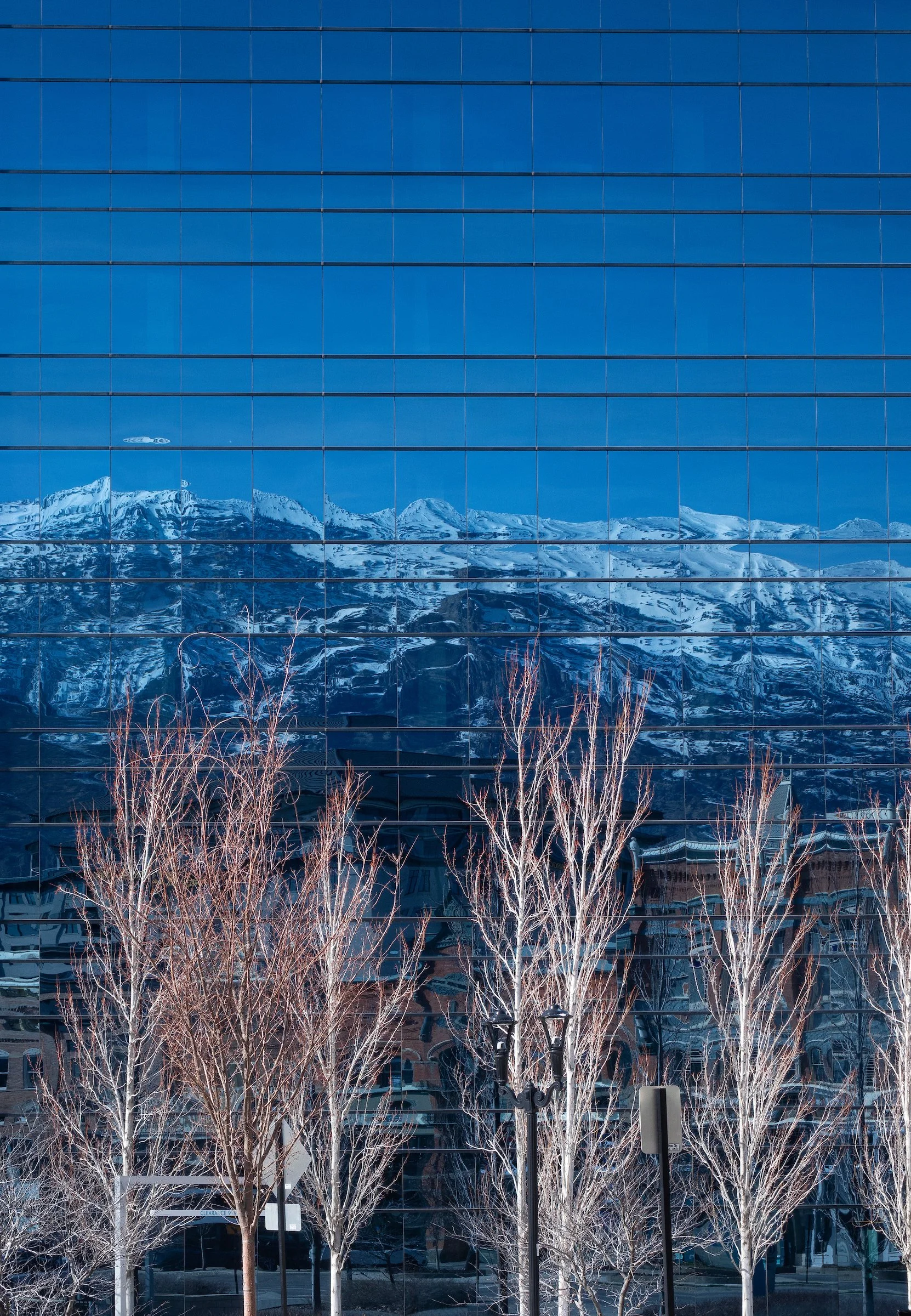
My work follows along the fundamentals of the masters who first piqued my interest in photography. Meyerowitz, Maisel, Tice and dozens more; they’re all in there. It’s a straight ahead approach, tightly composed, carefully balanced with a strong emphasis on color energy. I’m fascinated with the constructs and quirks of the built environment and attracted to scenes that are punctuated with strong color and bold graphic forms. I enjoy exploiting colorful juxtapositions and achieving an asymmetrical balance. I’m a sucker for whimsy and have a soft spot for a kind of droll nostalgia. Some of the images are simple color statements.
What inspires you?
Some of it comes from my own drive to capture a simple image that is solid and complete. The second comes from other photographers who do this well and in some surprising, inspiring way. I’m particularly sparked by those who continue to explore new themes and projects, decade after decade, and turn out good work. Sean Kernan is photographer I’m close with who’s still doing this in his eighties.
Can you speak about your process?
When I’m shooting I’m after an image that contains that little something extra, the highest form of which achieves a kind of transcendence. This could be just a simple doorway, when in the right light, with the right framing becomes a kind of color tone poem and the resultant photograph becomes a contemplation of something else.
My approach when shooting is to get a little bit lost and respond to my surroundings intuitively. I liken it to listening or to sniffing around as much as I do to seeing. I sometimes don’t fully realize the heart of what I was responding to until later.
When I process my images I begin another phase of creation. I never add or delete any content in my post production, but I will enhance. With a fresh eye I get to revisit, or probe into, what I was drawn to in the scene. I can strengthen color contrasts, tightly define the framing and draw out the image I was responding to.
How did you become interested in art?
I came in through the side door, with no background or training. Music was the entree. Music and stories were always nourishing me like nothing else in my young life. And then I was drawn to the alluring pull of certain photographs. These sang also and told stories as well as the books. Over time I was drawn into the arts in a broader sense by friends I made who were doing it well.
I refer to myself as being self taught but we all learn from something. I was lucky to have had the good fortune and opportunity to work with several talented photographers and artists whom I retain as mentors to this day. Another big benefit came from doing years of commercial work with challenging assignments and deadlines. In that environment I got to collaborate with talented people and learned to push myself and trust my instincts.
Do you have any favorite artists, movies, books, or quotes?
As I’ve said, music and stories have always sustained me. The books of Anthony Doerr and the music of Bill Frissel are always in rotation in my life.
Besides being a brilliant photographer Ansel Adams had a lot to say. One apt favorite: “...it is a personal expression based on observation and reaction that I am not able to define except in terms of the work itself.”
Also Walker Evans, “The eye traffics in feelings, not in thoughts and Paul Valéry: “Seeing is forgetting the name of the thing one sees.”
I see now that all of these are describing a frame of mind that is highly intuitive and conceptual, much like what I wrote in regard to my process.
What advice do you have for younger artists?
Mimicry is maybe a good way to get started but the sooner you find your own vision and style the quicker and stronger you’ll grow.
Any more thoughts about art, creativity, or anything else you would like to
share?
I’ve always put a strong emphasis on craft and printmaking. It’s one thing to produce an image that looks good as an InstaGram post, quite another to produce a gallery level print suitable for a collection.