Carol Bruns
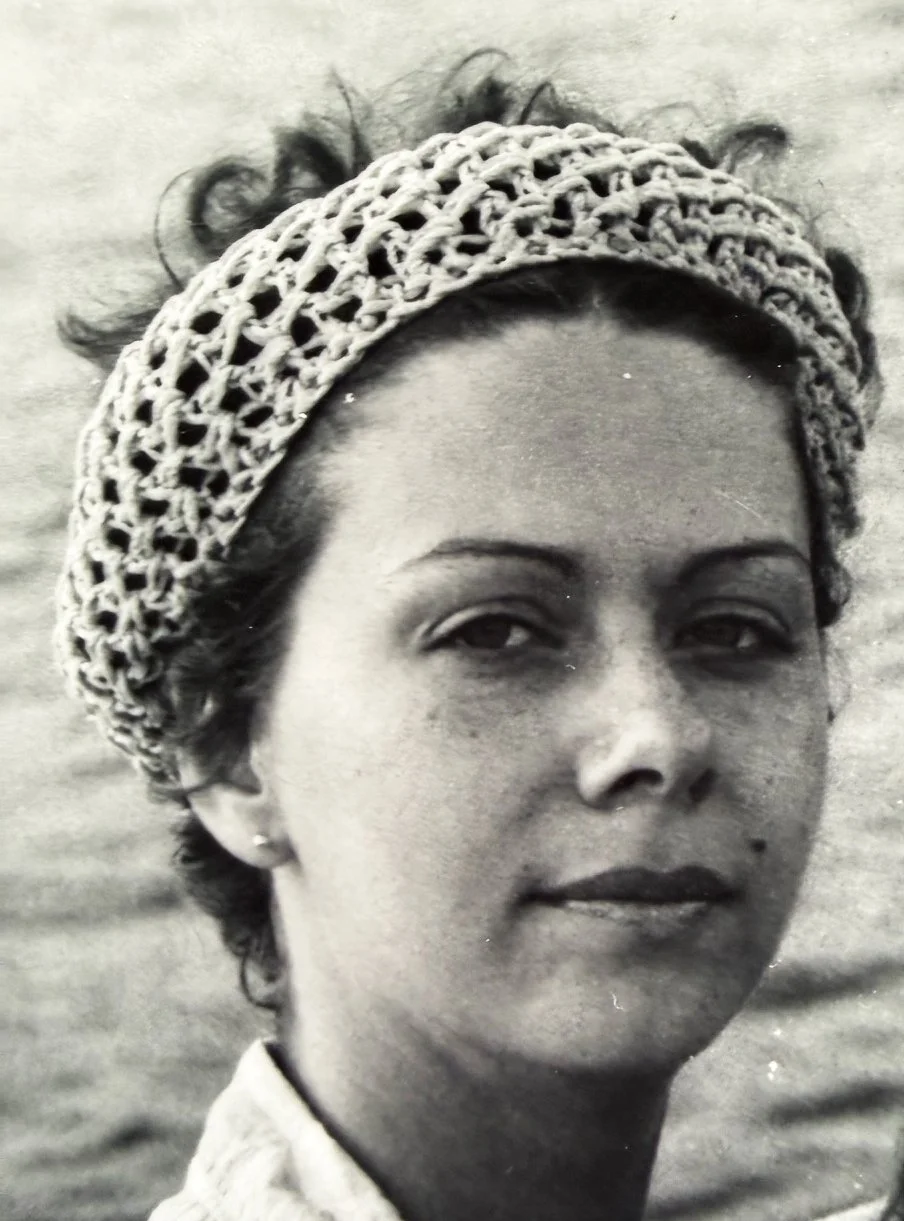
Brooklyn, New York
Website
carolbruns.com
Social Media
Instagram
How would you describe your work?
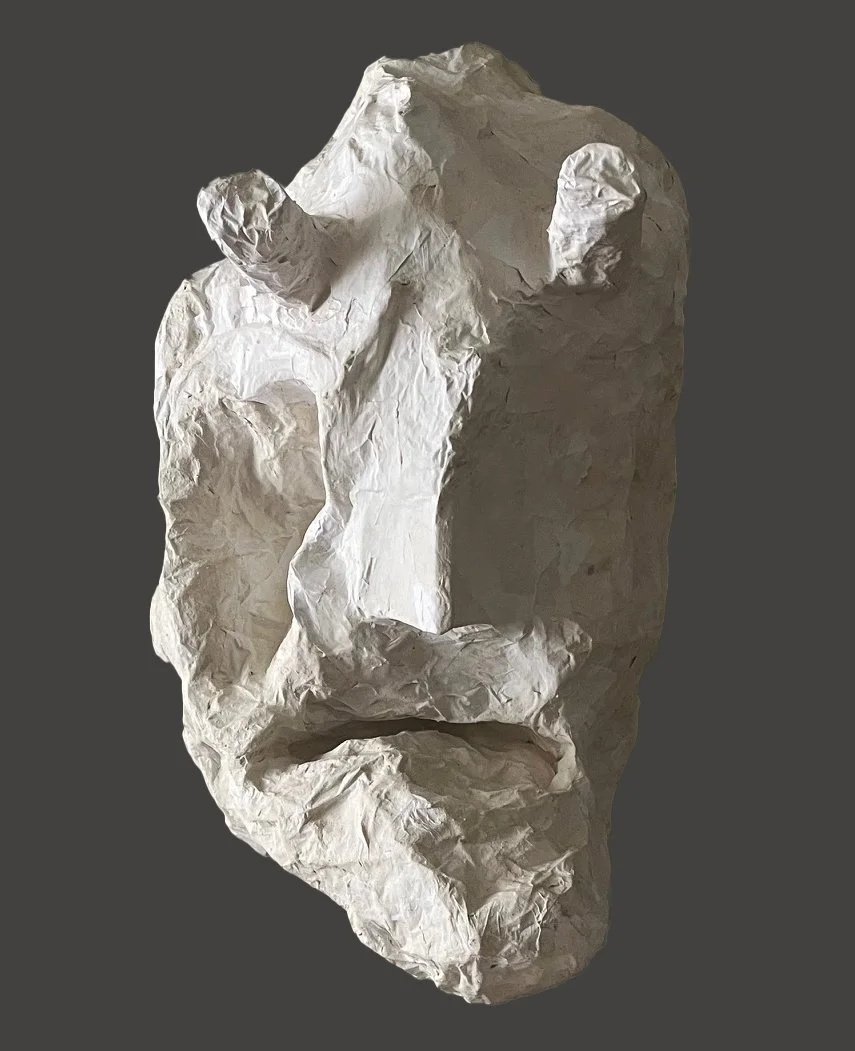
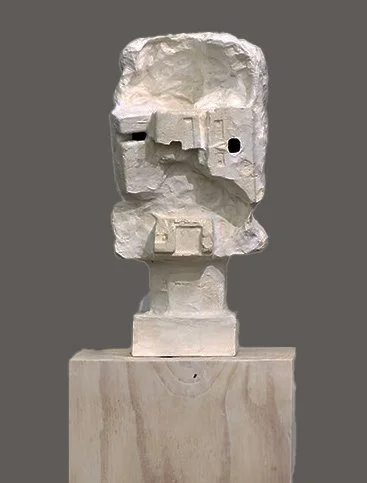
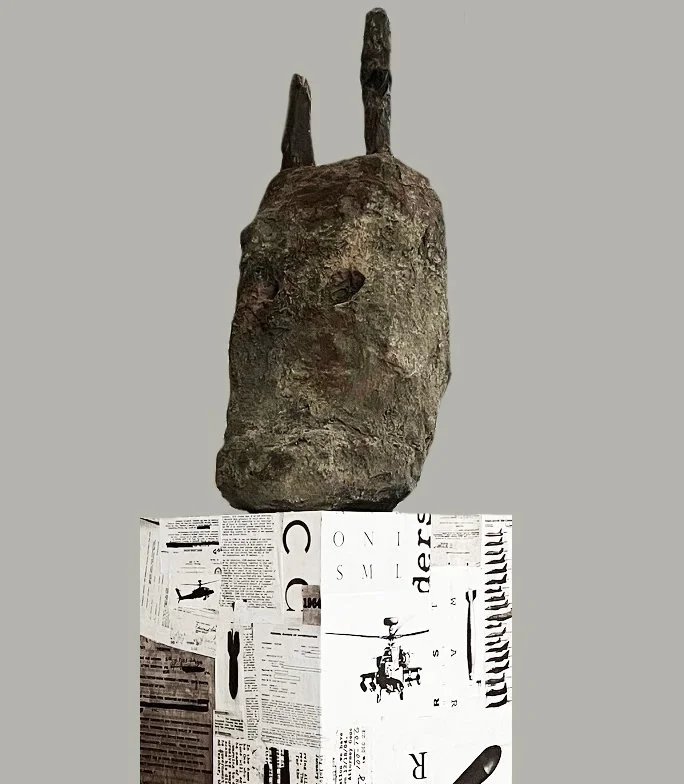
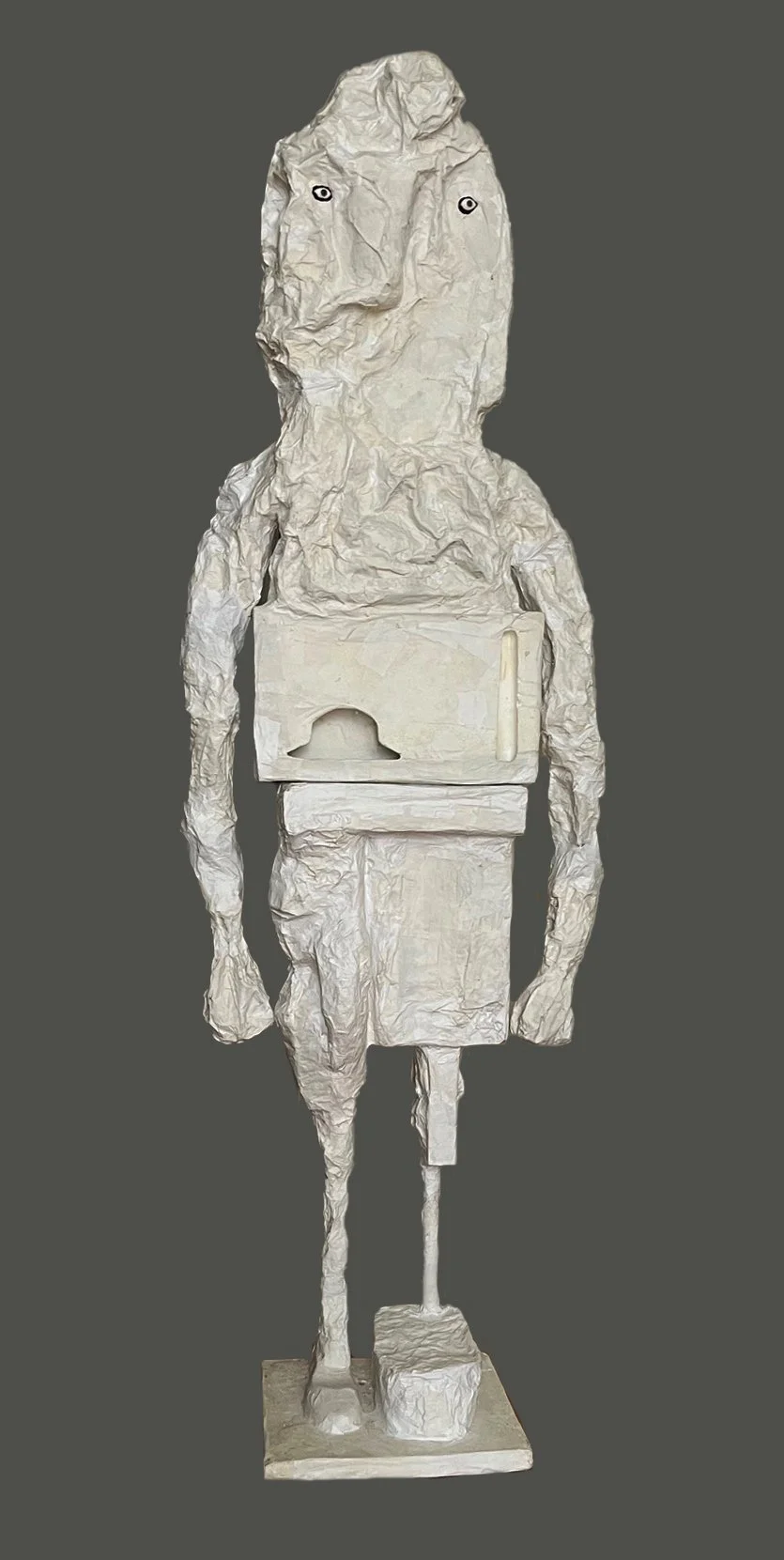
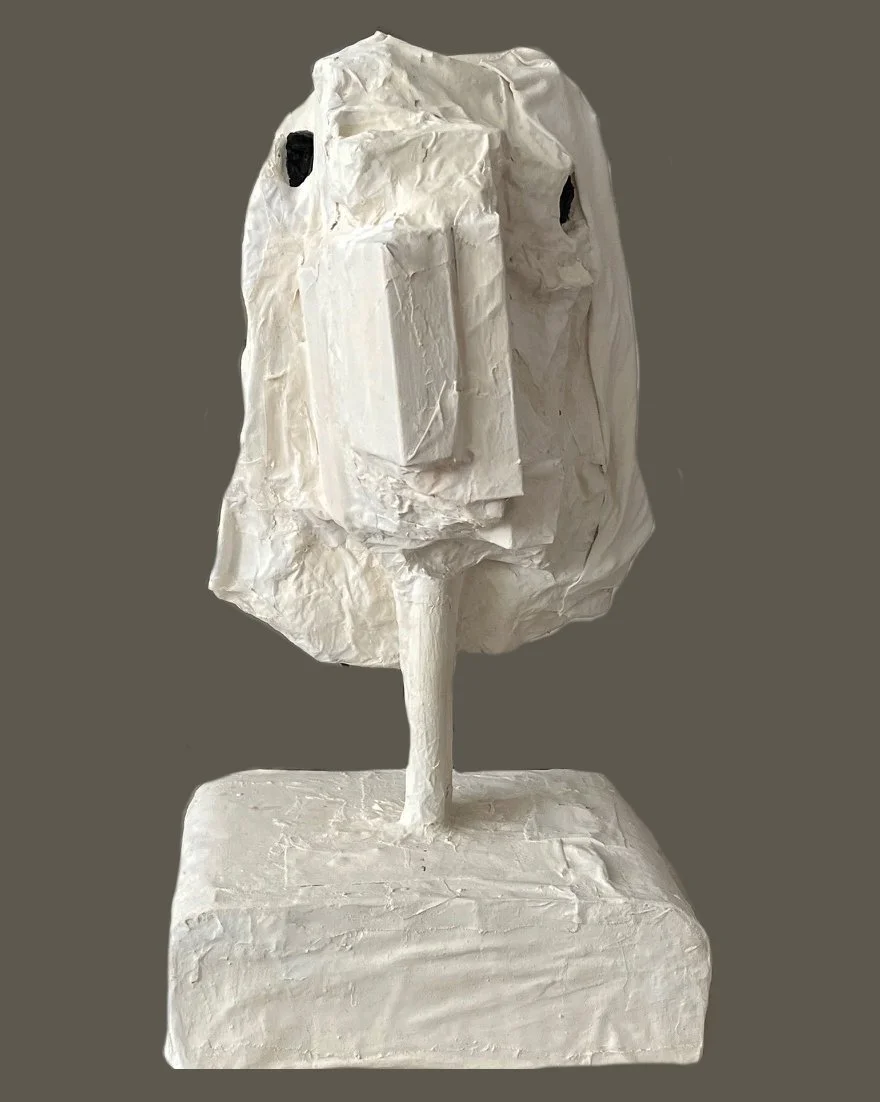
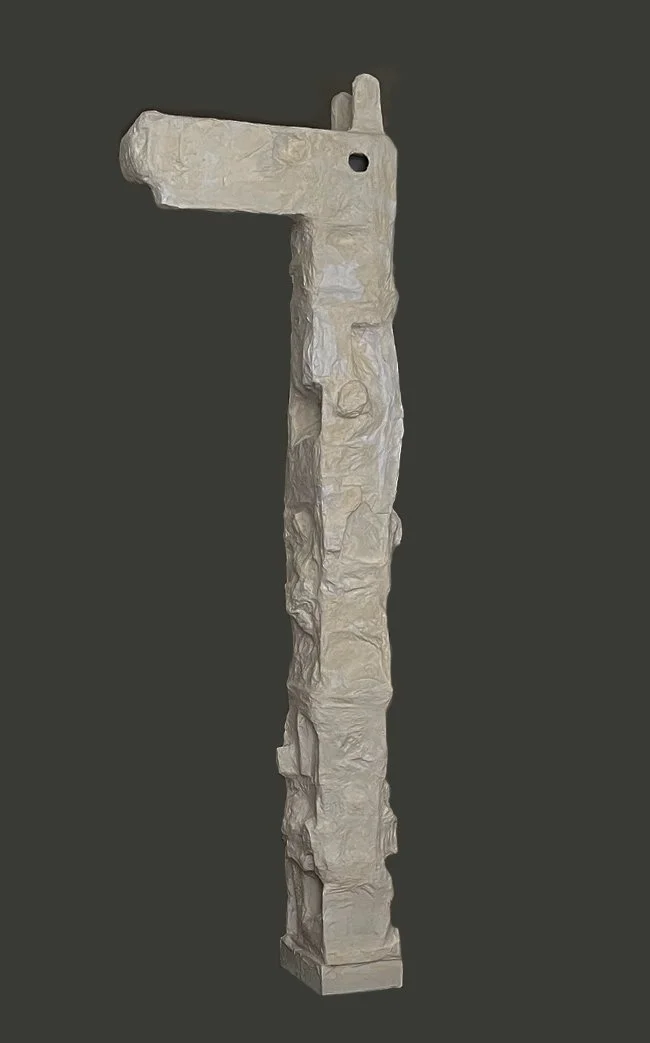
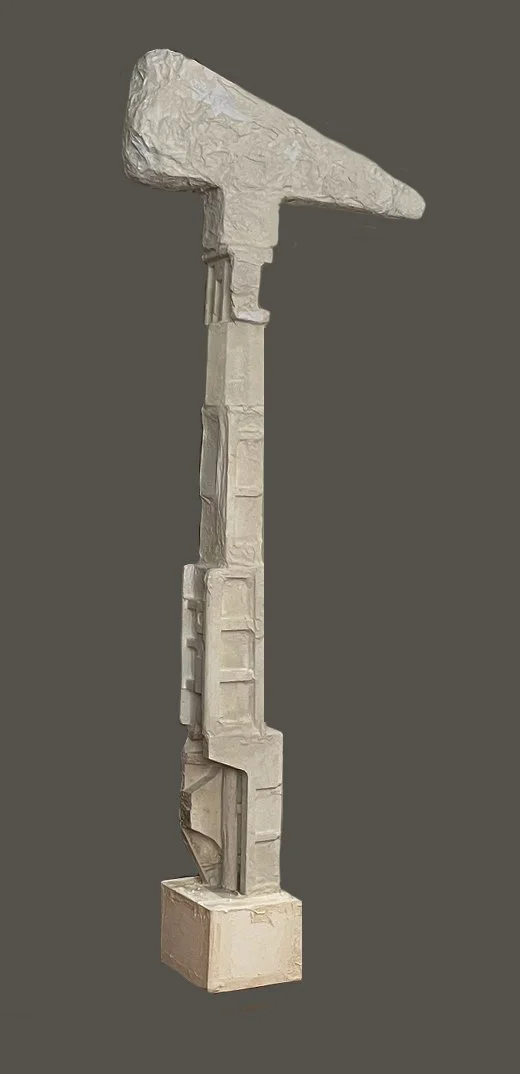
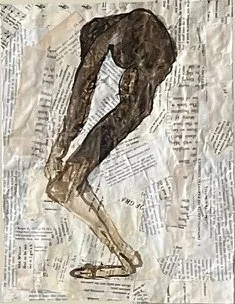
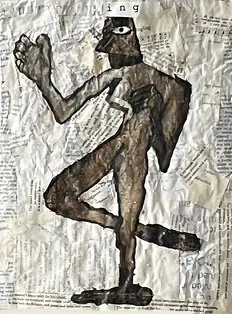
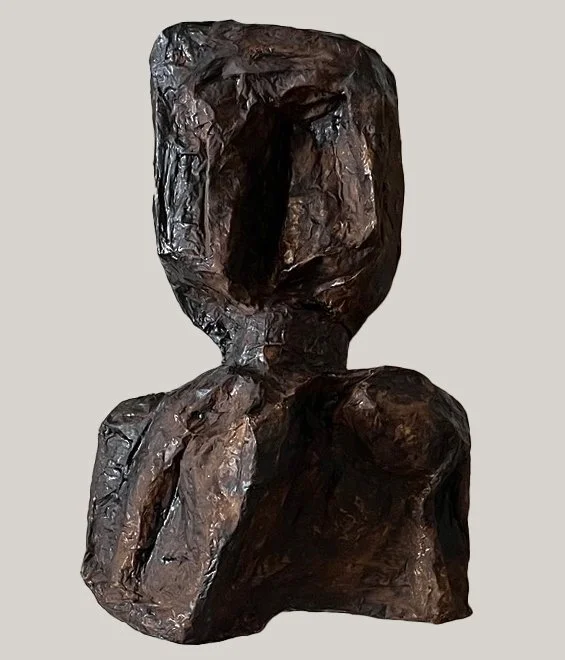
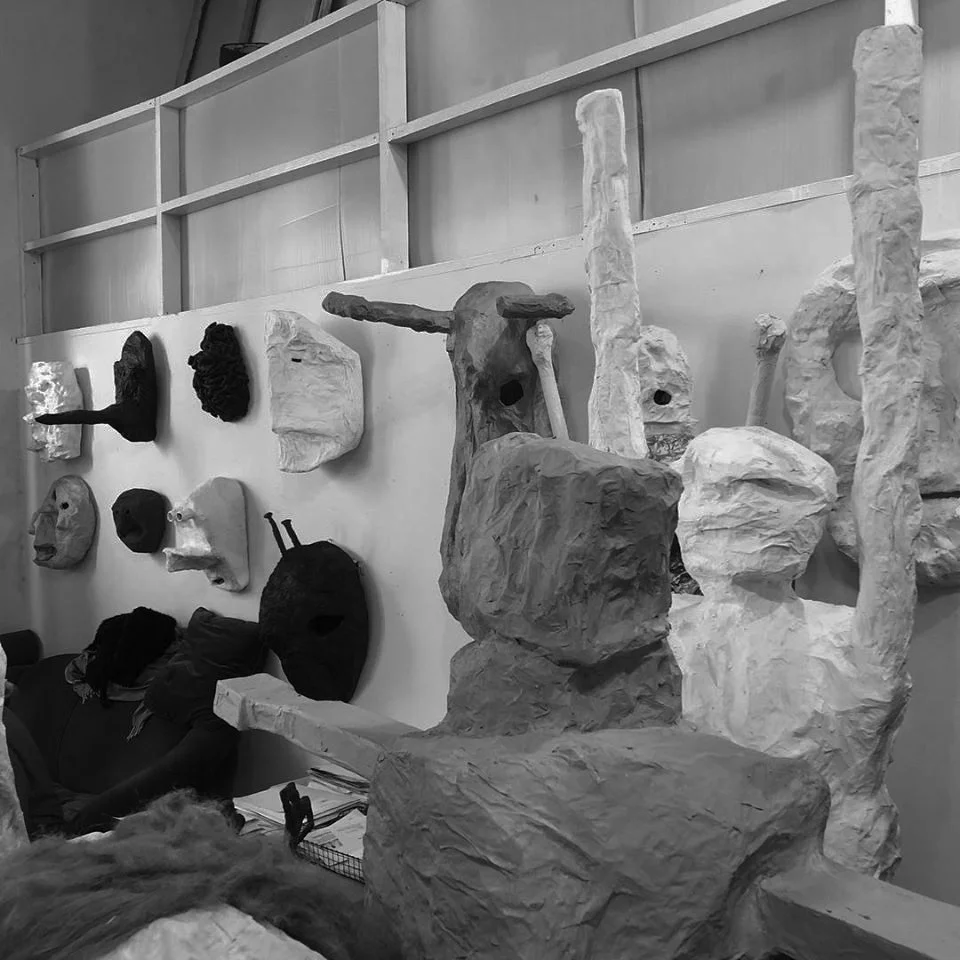
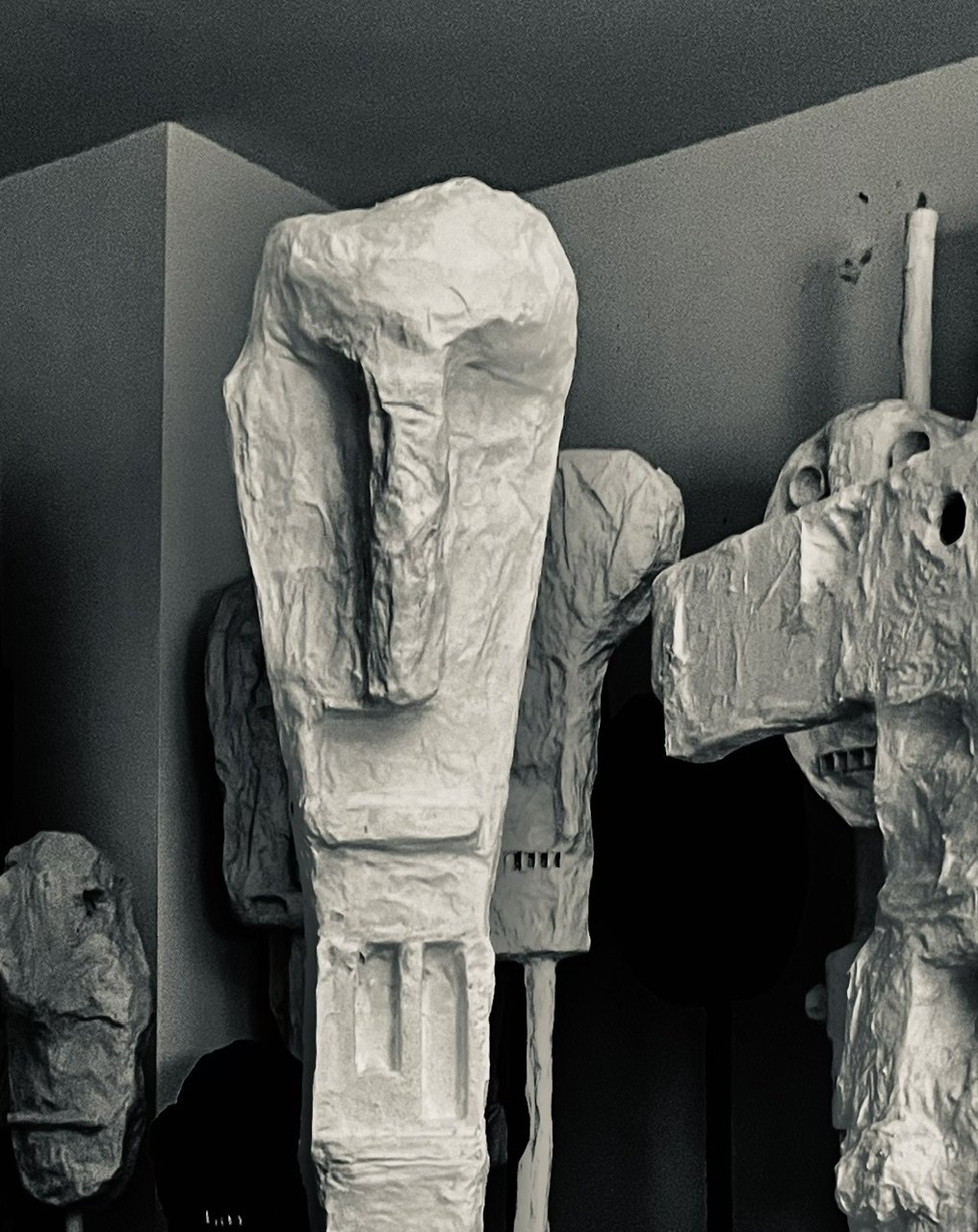
Picturing public life in my figurative art is a way of processing the chaotic, violent world of crisis we live in. I attempt paradox: through a certain beauty, to see the ugly truth. Its hand-made forms come from world art history while its language includes the invention of paper laminates, malleable sheets of newspaper layered with rice paste followed by a finishing plaster, to combine organic forms with the geometric, the city with nature, unified by a single neutral color. Discarding the armature in Western sculptural tradition, I work spontaneously encouraging the spirit's mystery to become visible.
What inspires you?
My art is highly inspired by other artists, primarily the intense creativity of Modernism (Cezanne, Picasso, Giacometti and many others). I'm also inspired by artists outside the Western avant-garde tradition from all over the world, so much so that I created an instagram account to feature these art works: carolbruns_inspiration. A few examples are folk art, African sculpture, industrial architecture, indigenous pottery of the American Southwest, and the New Objectivity paintings of Weimar Germany. I'm also inspired by a wide range of music, and sometimes play techno while working. Frequent walks in nearby Prospect Park perform an essential re-set.
Can you speak about your process?
My work has a 60-year momentum behind it. It springs from my pro-aesthetic and political background as a young adult in the 1960s. I keep ongoing sketches, casually jotting down thoughts and ideas as they come to me, and begin new sculptures by selecting a favorite. I discard the traditional armature, and utilize inexpensive or found materials, working intuitively and spontaneously, a process enacting the value of freedom. It requires being fully alive in the moment, dwelling with the unknown, allowing the unexpected to emerge from a reciprocity of self and materials, from collaboration rather than through dominance and control. The process is an important part of its meaning, but not all, and cannot be rushed. I spend many hours that can become days observing between moves, the reason why I need to live in my studio.
How did you become interested in art?
There's a gravitation toward one's aptitude. I was the class artist.
Do you have any favorite artists, movies, books, or quotes?
Yes, so many! I'm an avid daily reader of history, political history, art history, psychology, and other subjects. Robert Storr's Interviews With Artists is special for unique insights into some very visible artists----in their own words. I love the most those artists who reach deep into the truth of their own experiences, without egotism, and develop a unique aesthetic voice. A few examples of this type of courage are Alice Neel, Cy Twombly, Eva Hesse, Phillip Guston, and Franz West.
You can't leave mankind out. I defended human beings from the beginning...what is the thing if it isn't humanity? ----Alice Neel
Any more thoughts about art, creativity, or anything else you would like to share?
The creative process is mysterious, that something can come into existence from a previous nothingness. I look to The Dream as an autonomous creative power, a key to the secrets and mysteries of waking life and art making. I nurture an active relationship and dialogue with it.