Anne Krinsky
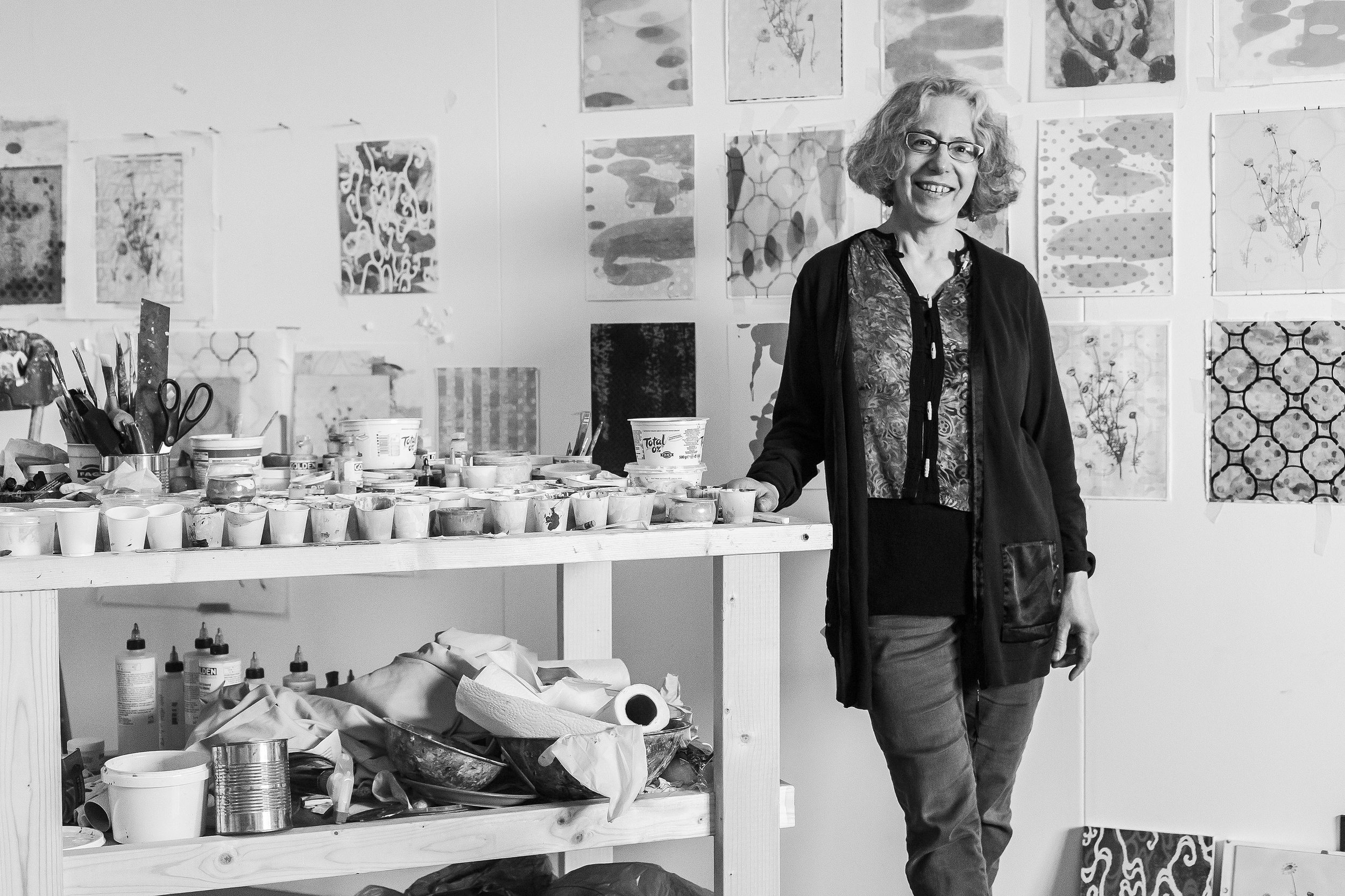
Oakland, CA
Website
www.annekrinsky.com
Social Media
Instagram
How would you describe your work?
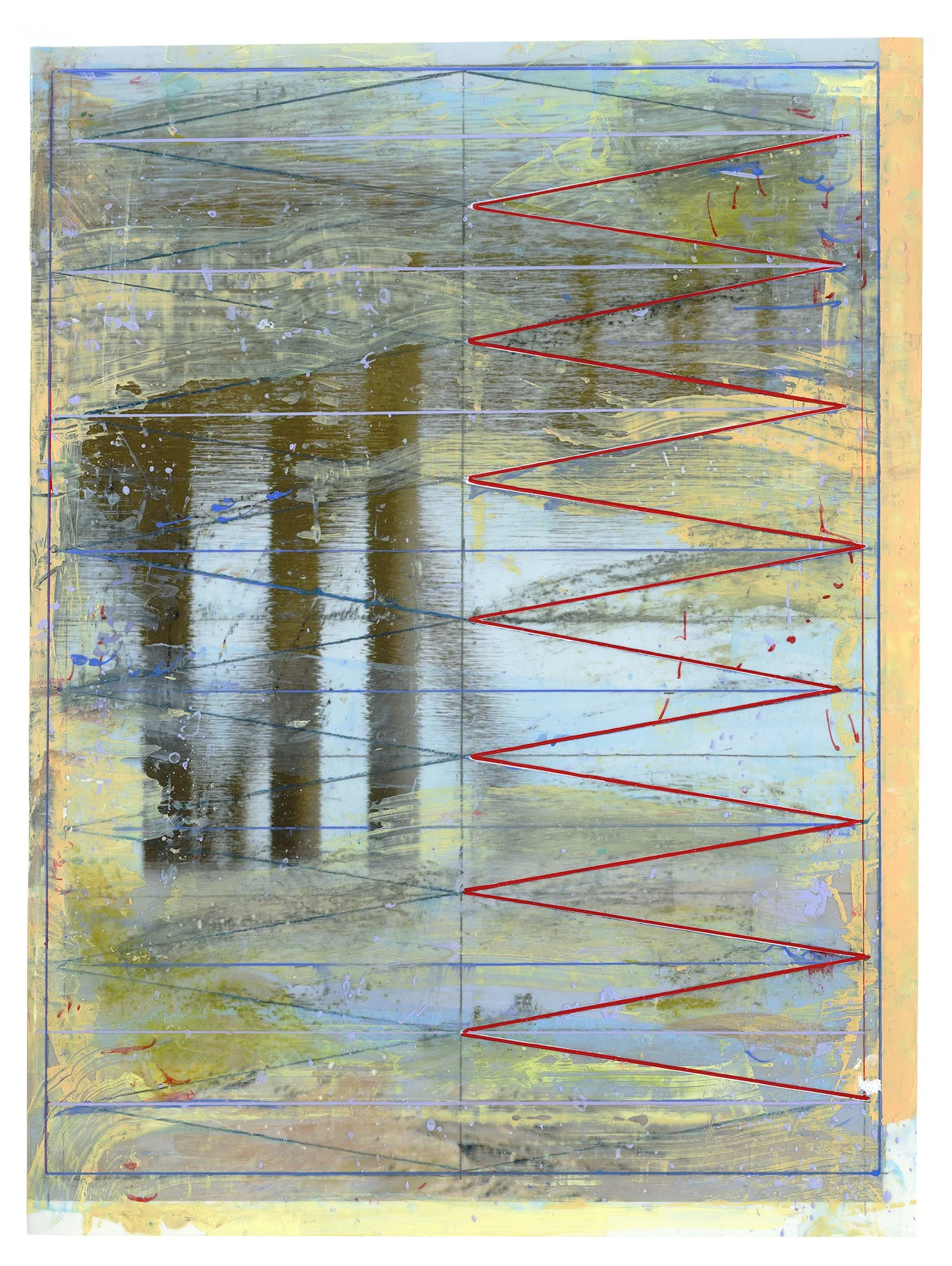
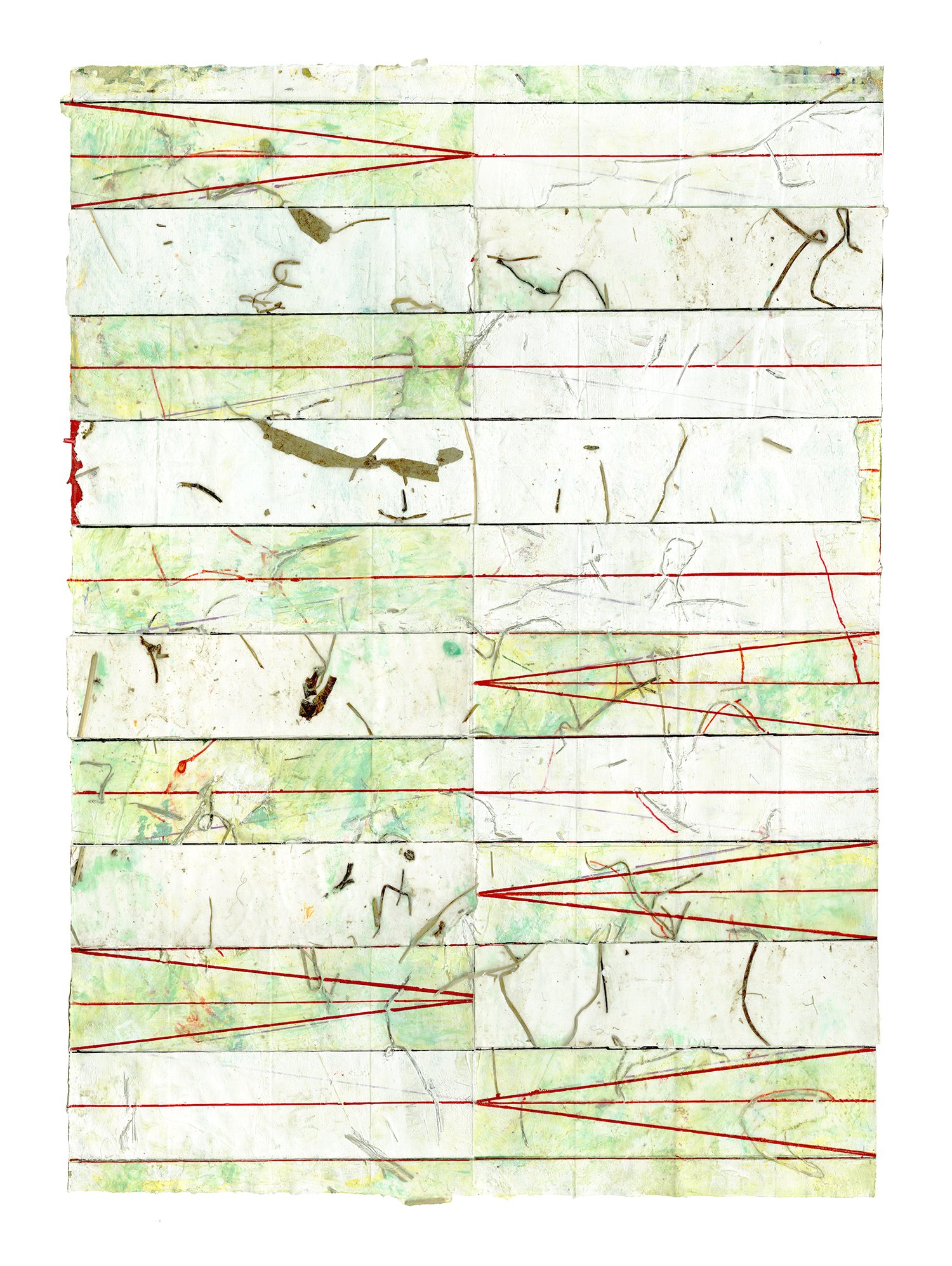
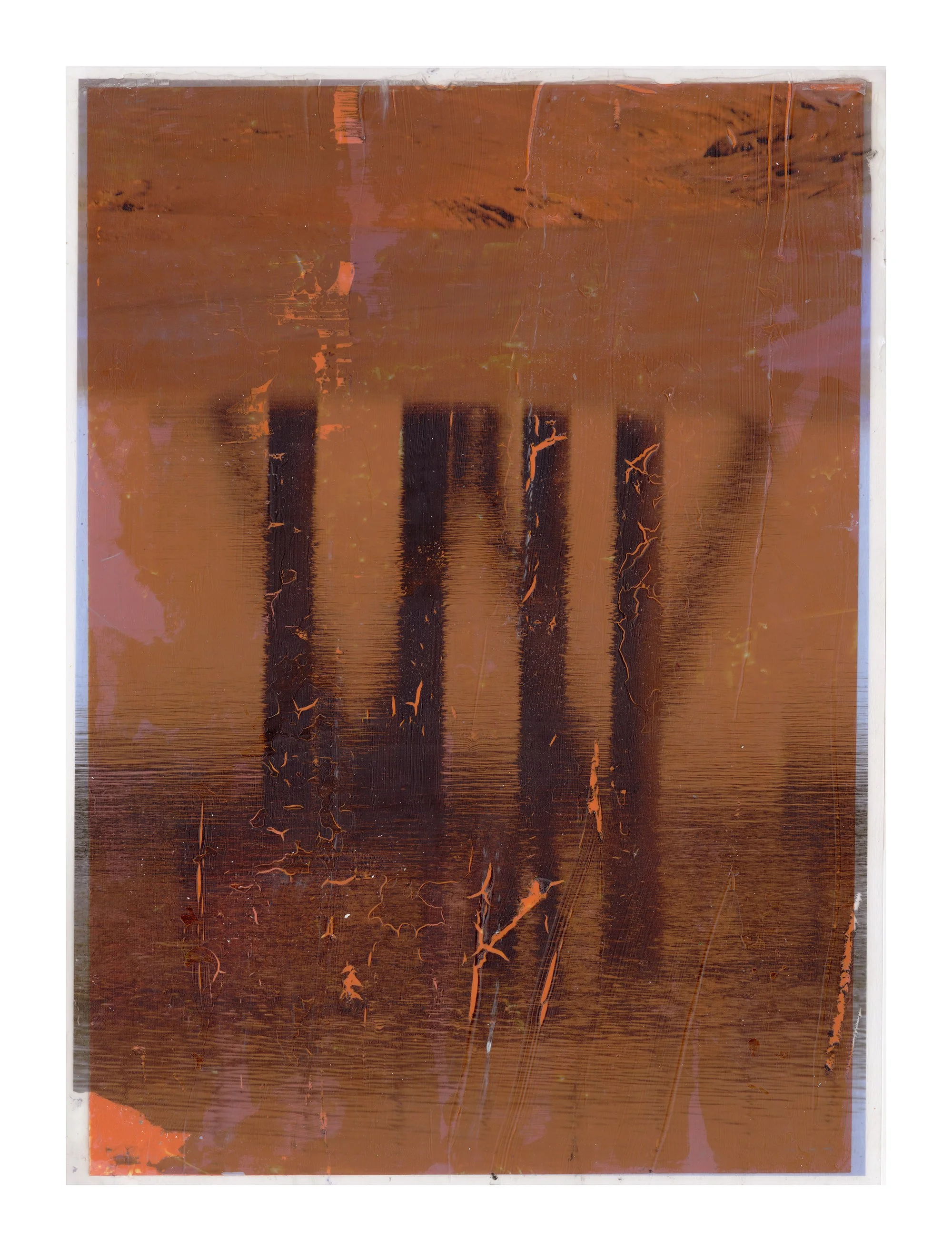
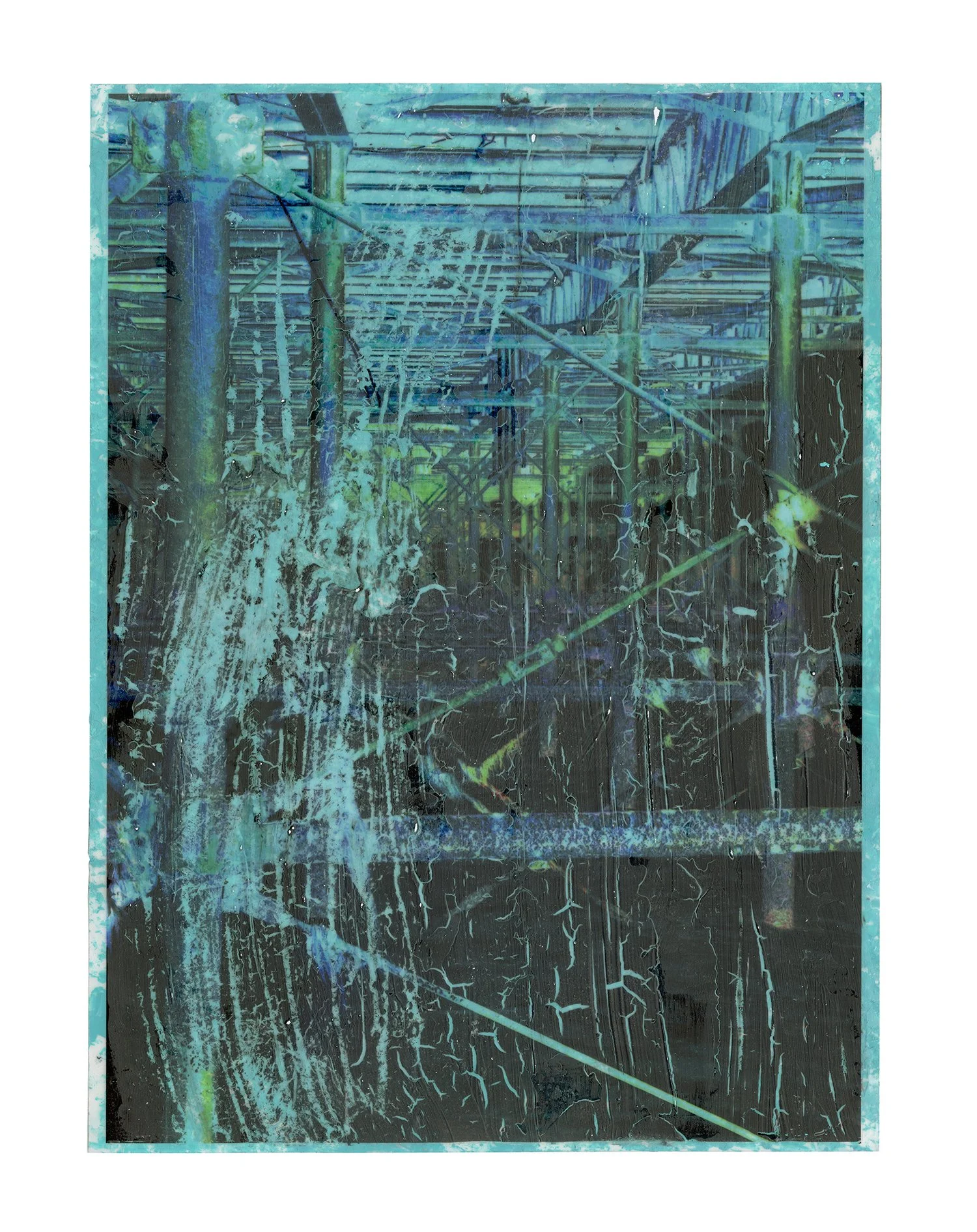
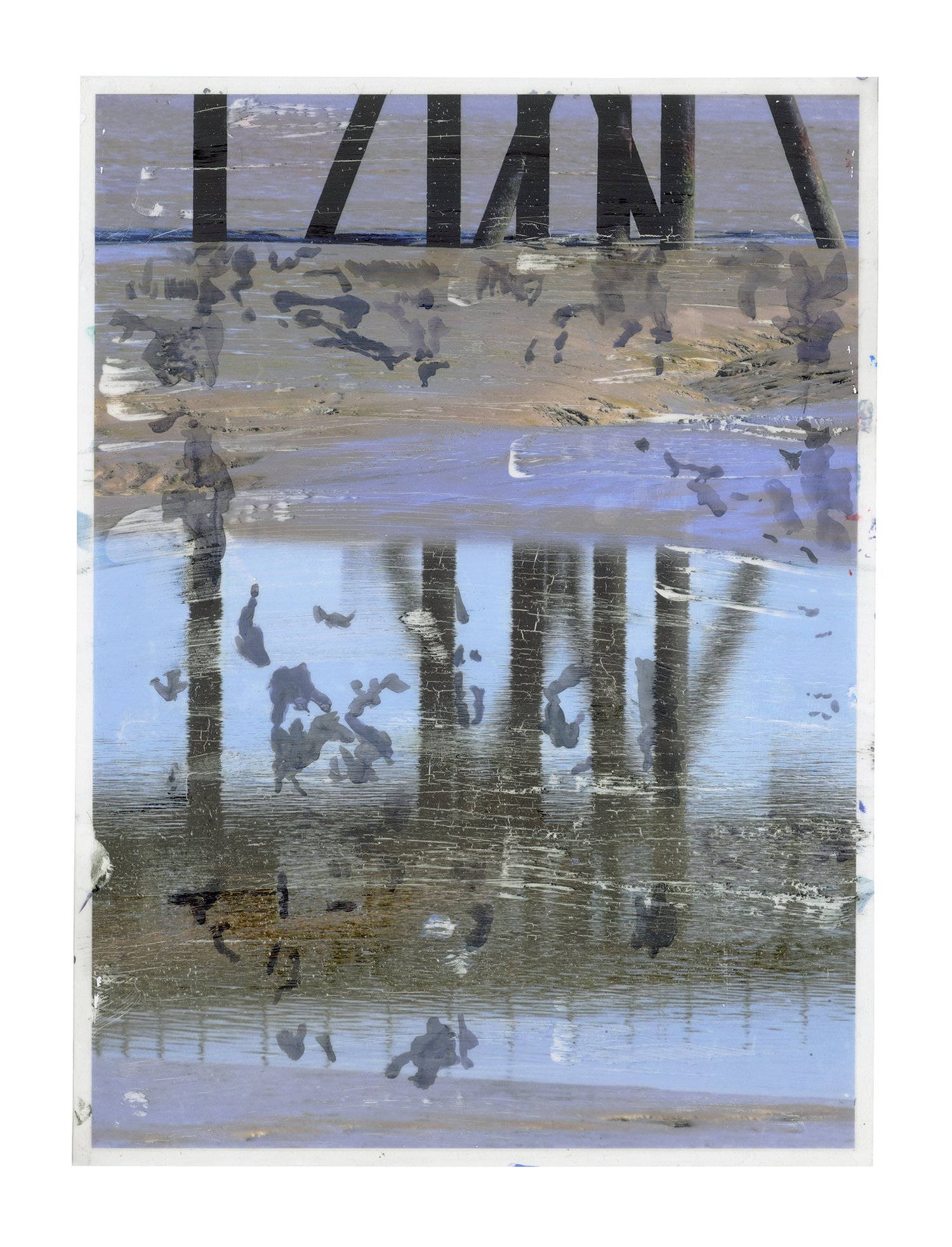
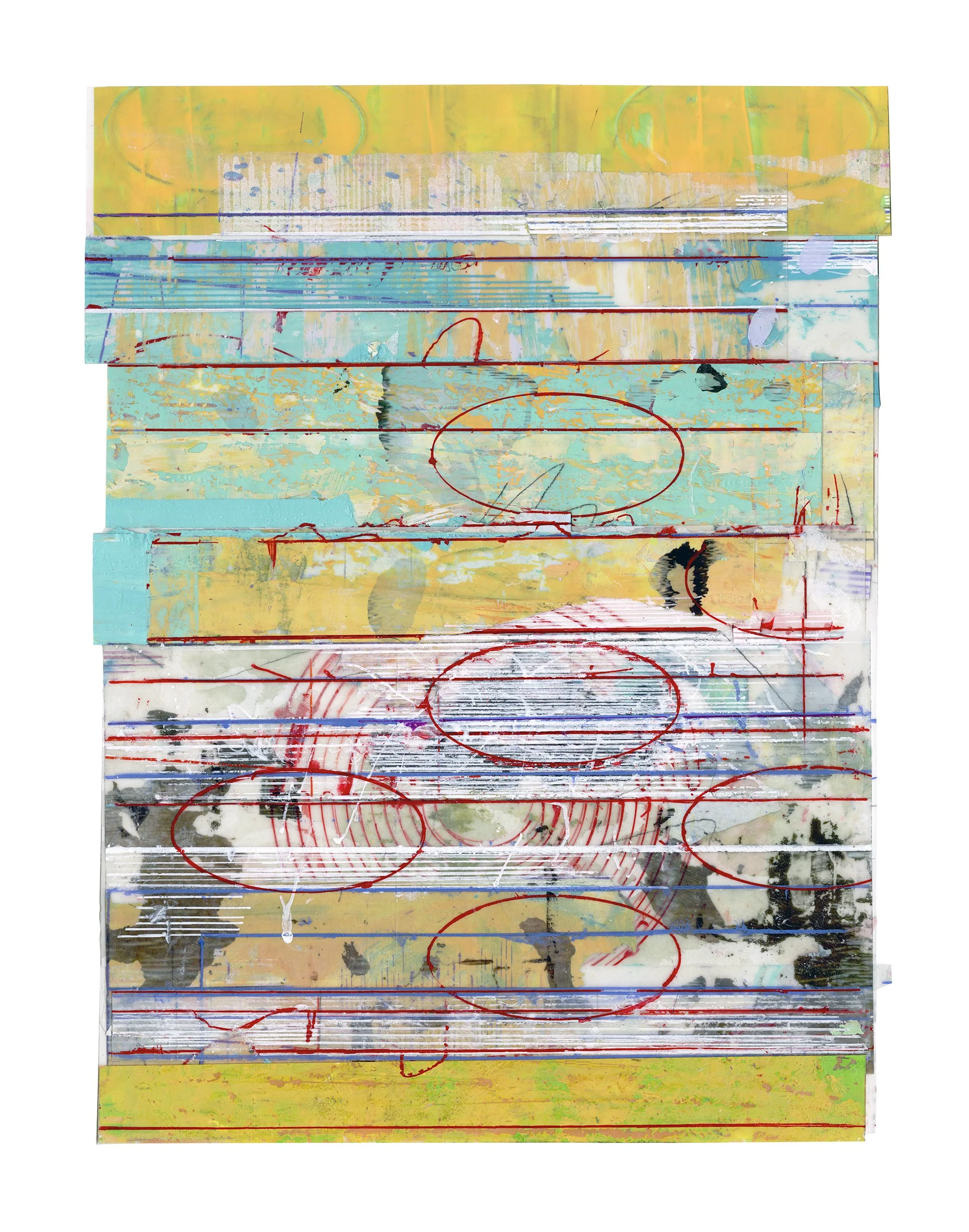
I combine practices of painting, print, photography and video with archival and geographical research, to investigate transitions within and between natural and man-made environments. I use photographic documentation as a foundation for work in print, video and installation and also make tactile works on paper and on panel.
Where do you find inspiration for your work?
I am fascinated by the passage of time and the ephemerality of the physical world. Architecture, geometry and pattern also inspire me and my work moves between the fleeting and the fixed.
In 2017, I created Tide Line Thames, a London project about the architecture of the river between high and low tide lines. Watching the tidal river erode metal, wood and stone led me to think about rising sea levels and risks to intertidal habitats.
Since then, I have been working internationally in the US, UK, and Germany on a project exploring vulnerable wetlands and climate change. I am drawn to habitat edges – where land meets water, where freshwater meets the sea, and where nature collides with human activity.
Can you speak about your process?
I trained in printmaking, but found I was more interested in exploring variations on a theme than in printing editions. Setting out to print an edition of twenty, I would end up with twenty unique images. I didn’t become a printmaker in any traditional sense, but layering – of ideas, images and media – still lies at the heart of my process.
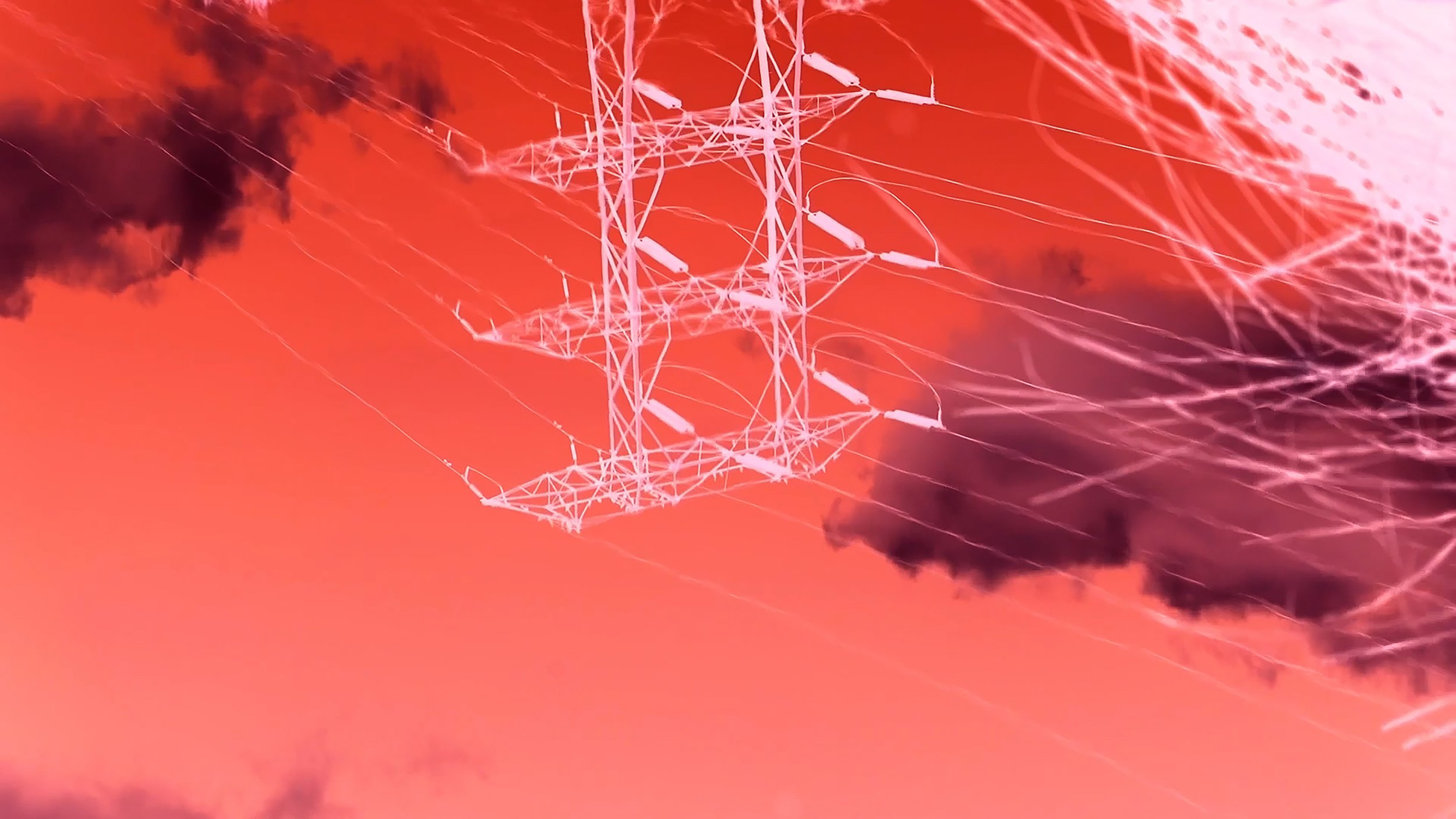
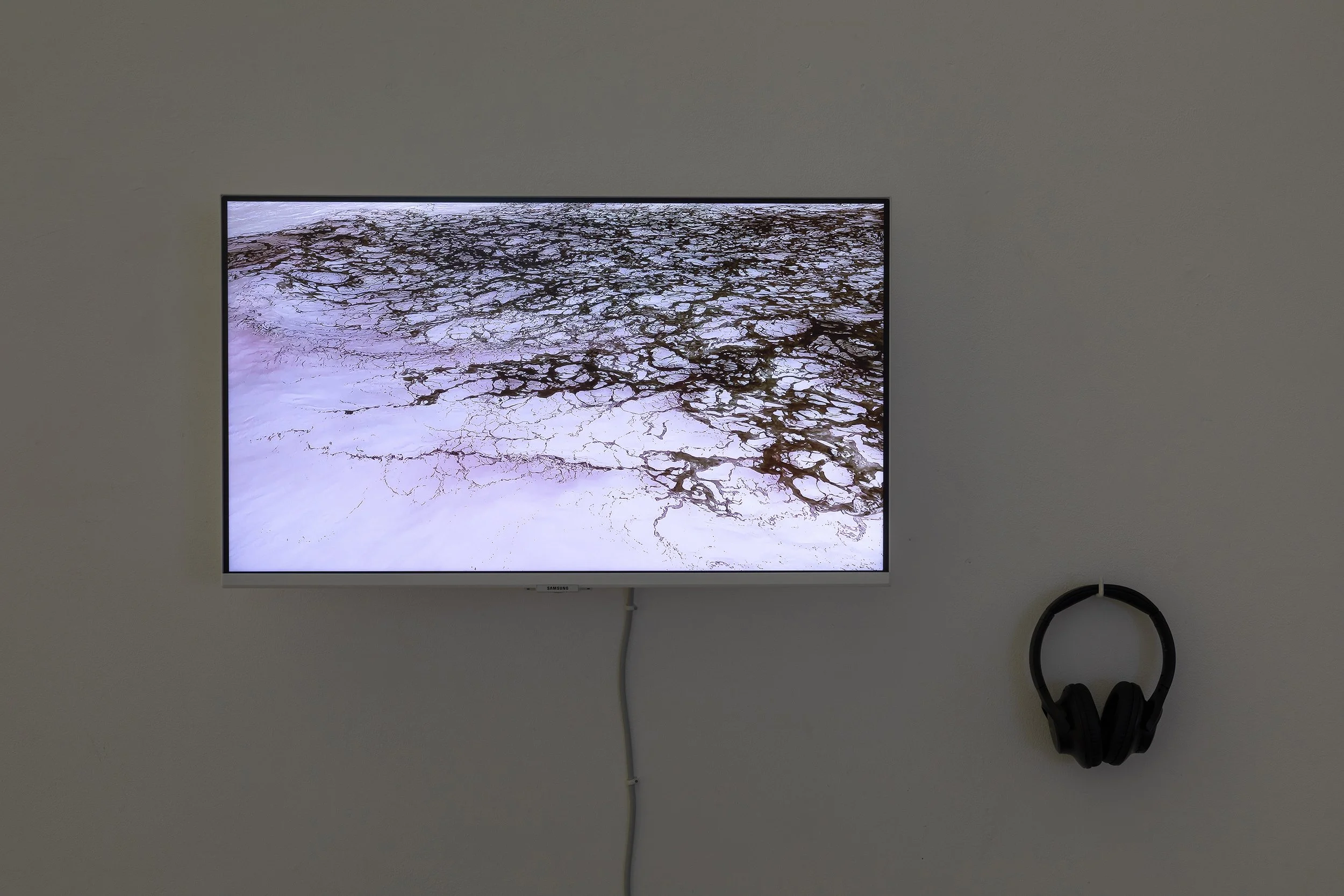
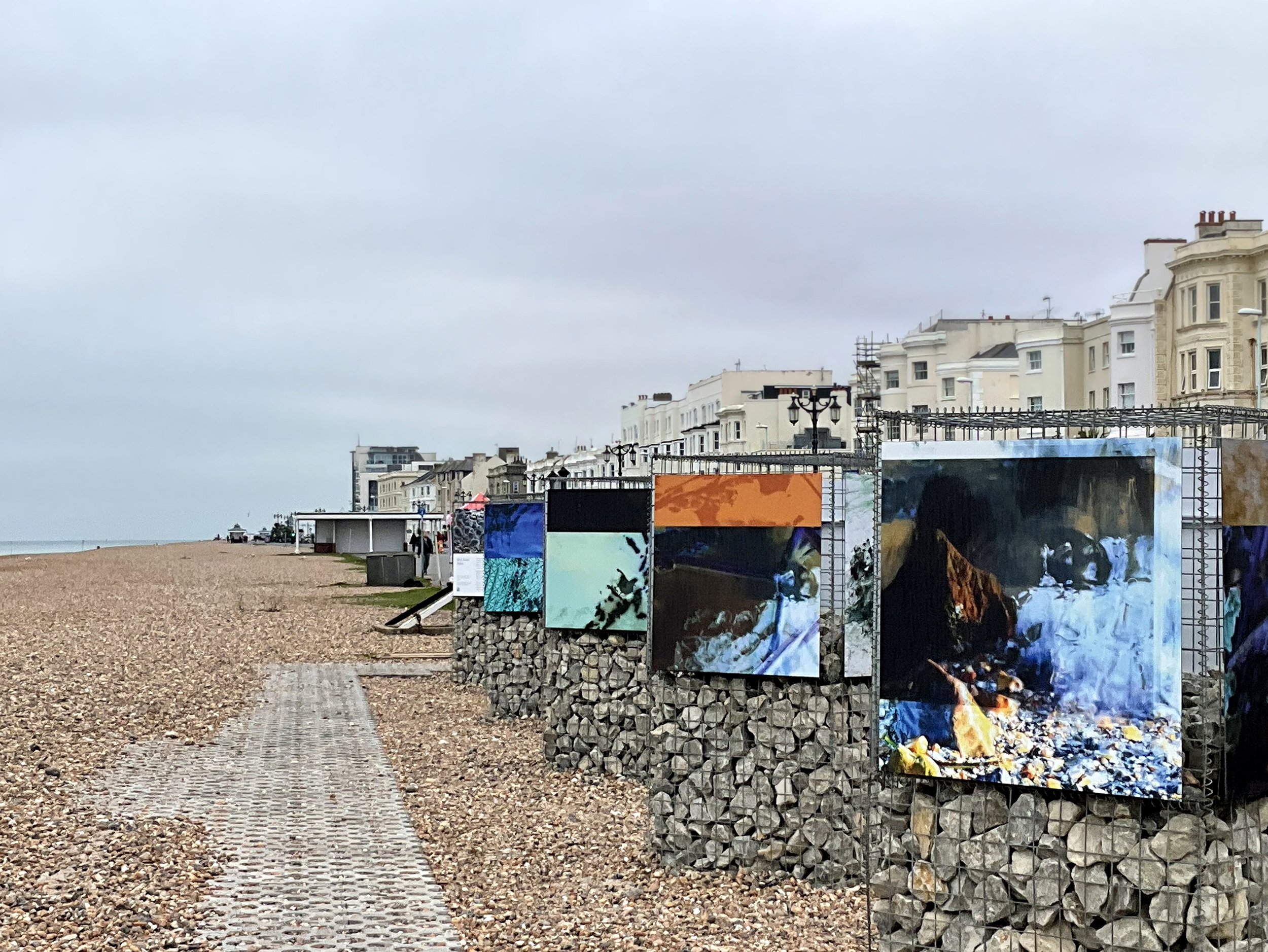
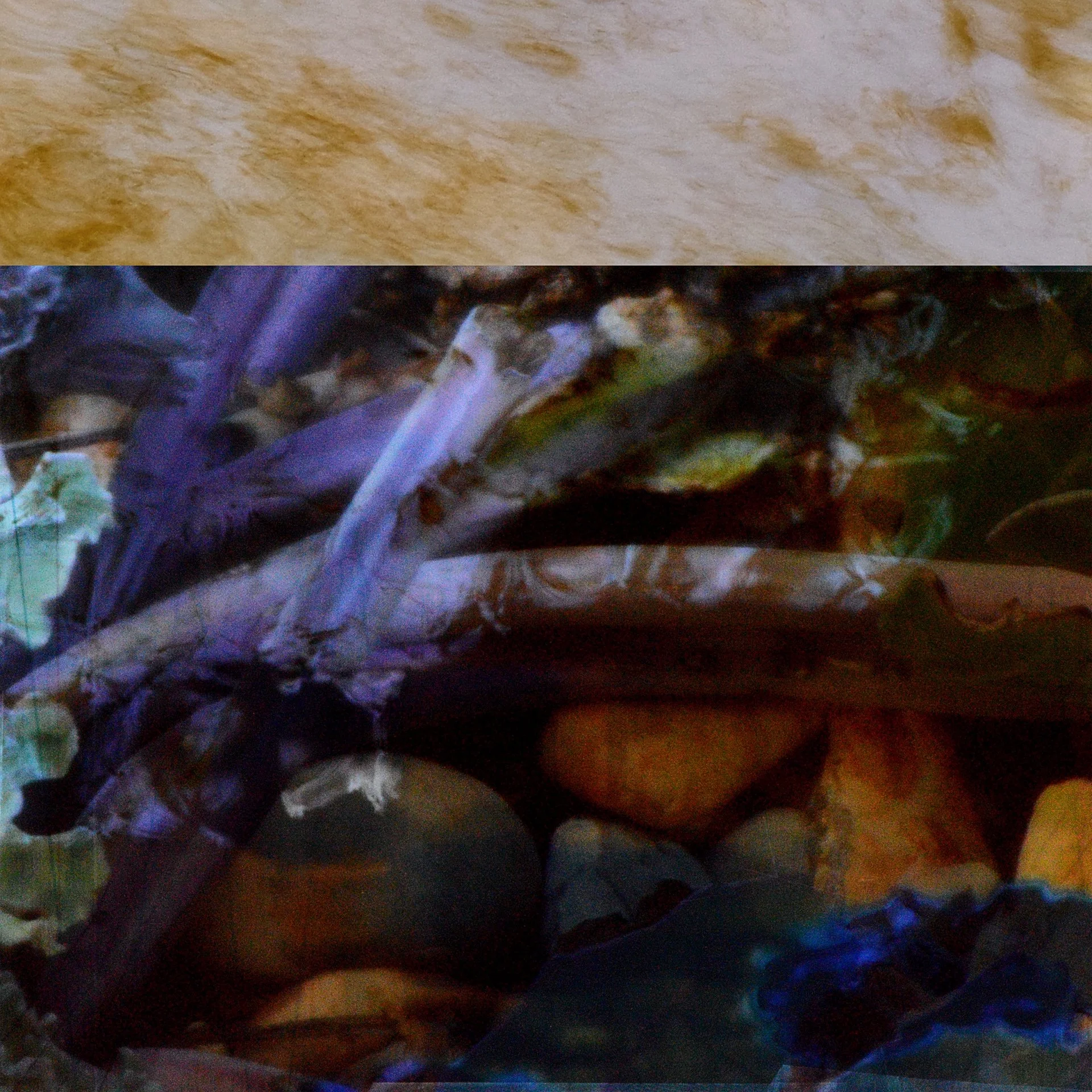
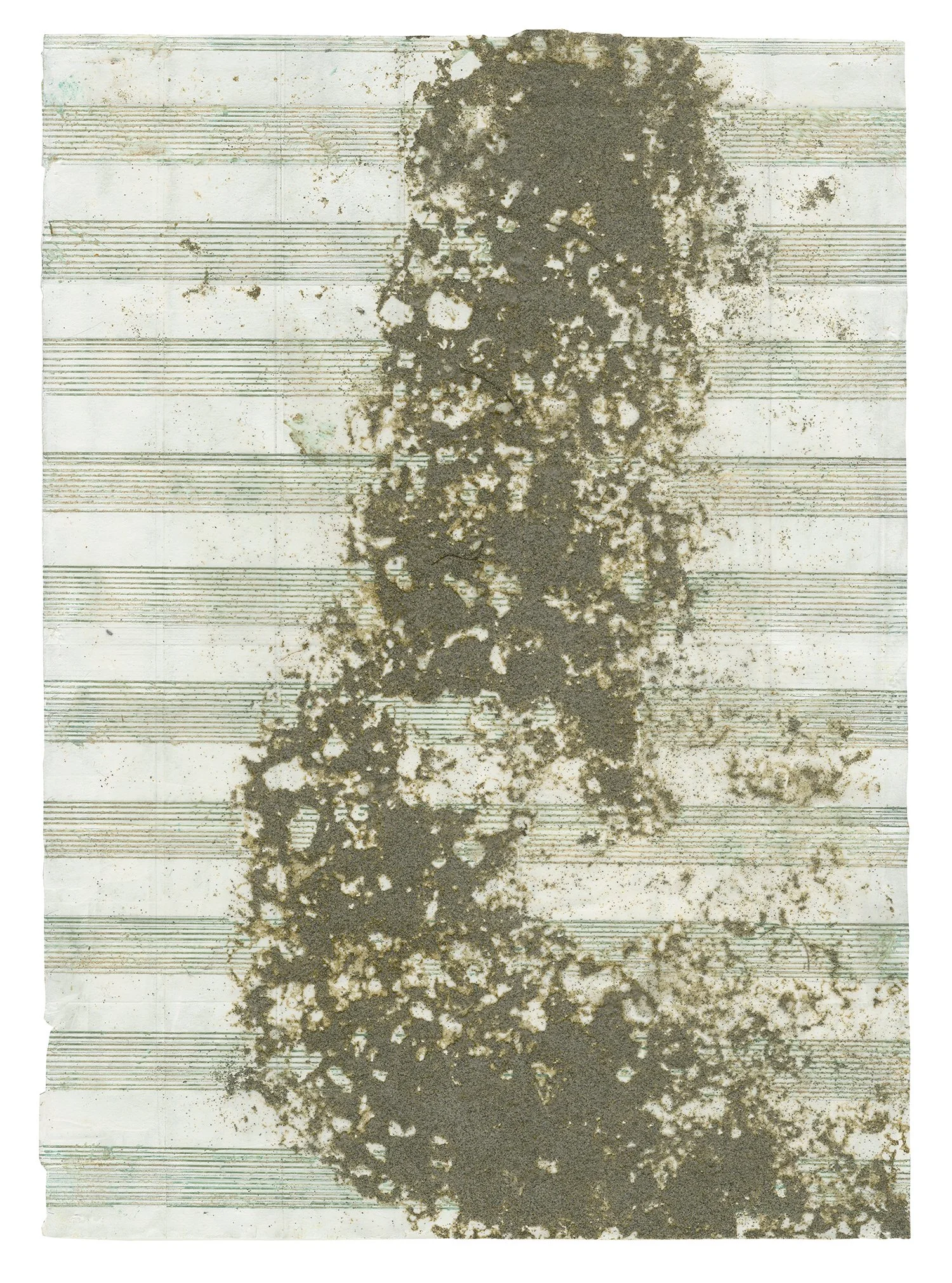
I build up imagery over time, whether in analog or digital media. In works on paper and panel, I accumulate painted and collaged layers, then scrape back the surface to reveal what lies underneath. To make my digital print installations, I often project photographic imagery onto painted or printed surfaces and then re-photograph the projections. When I work in video, I transform my original footage of water, altering color and scale and layering in pattern and geometric elements.
How did you become interested in art?
I came from a family that valued art, music and books. I was lucky enough to take art classes with a wonderful teacher, Myril Adler. I also tried printmaking at the Art Students League and at Haystack Mountain School of Crafts in Deer Isle, Maine, before going to the Philadelphia College of Art. Art-making is a multi-generational thread in my family. My father made sculpture later in life and my son is an artist.
Do you have any favorite artists, movies, books, or quotes?
I am interested in artists with an environmental focus who work in the public space, including Joan Jonas, Mary Mattingly and Lauren Bon. Right now I am reading How Flowers Made our World: the Story of Nature’s Revolutionaries, by David George Haskell; Dancing with the Dark : Joan Snyder: Prints 1963-2010, by Marilyn Symmes; and Mother Mary Comes to Me, by Arundhati Roy.
What advice do you have for younger artists?
Be stubborn. Sustaining a practice takes stamina. Be generous. Find other artists for mutual support, in studio groups and artist-run communities and spaces. Be brave. Create your own platforms and opportunities if you need to. Be curious. Try things you haven’t done before.
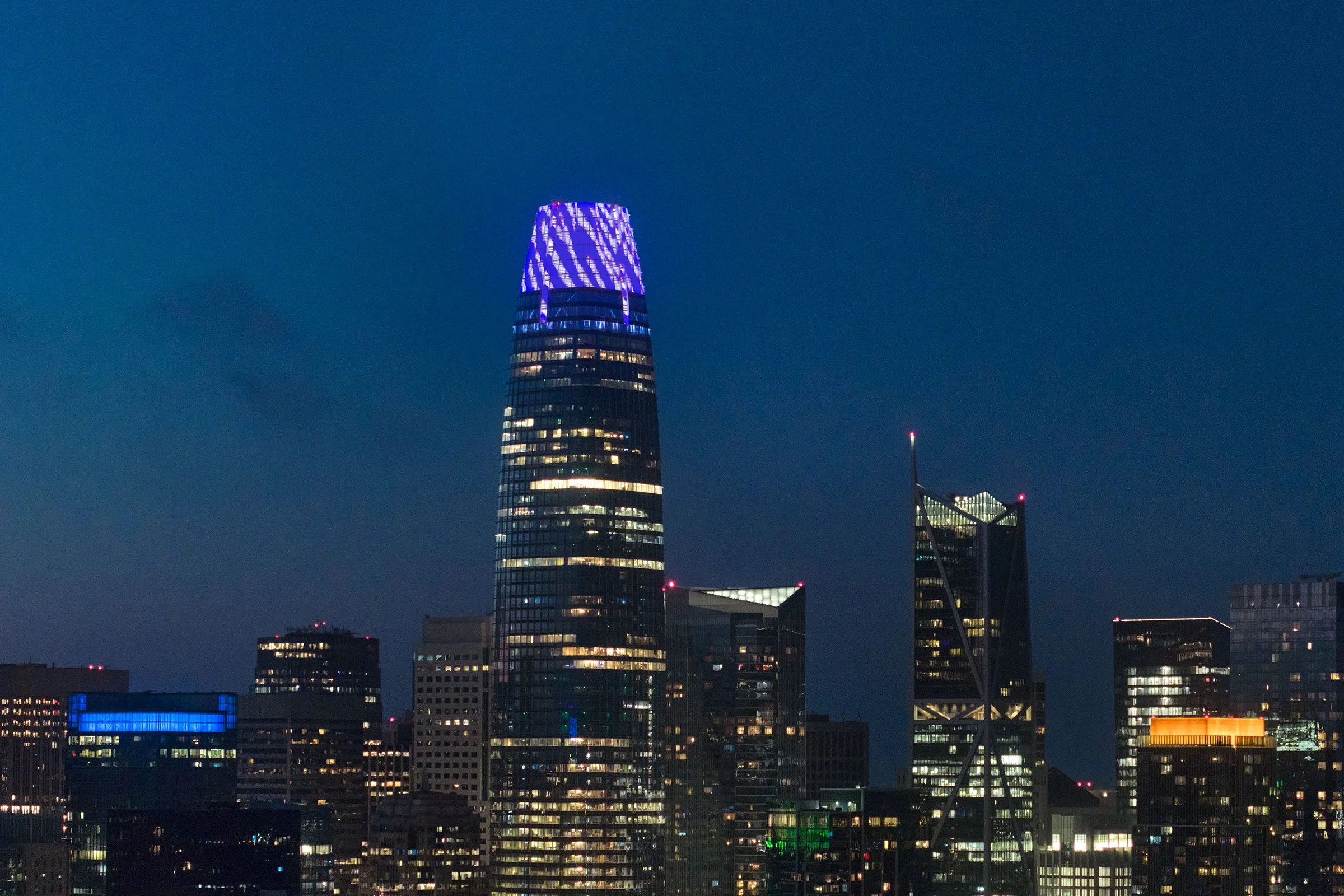
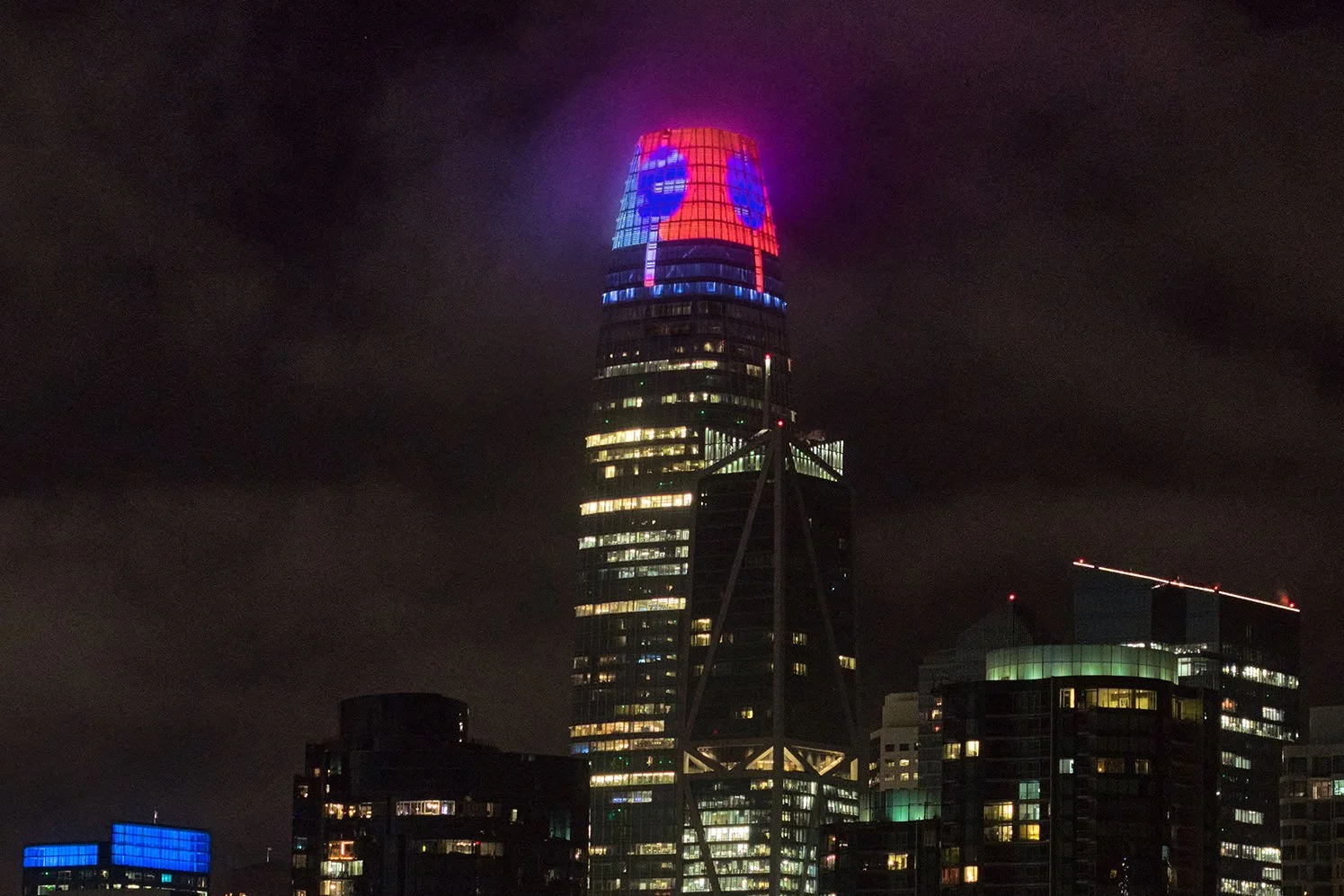
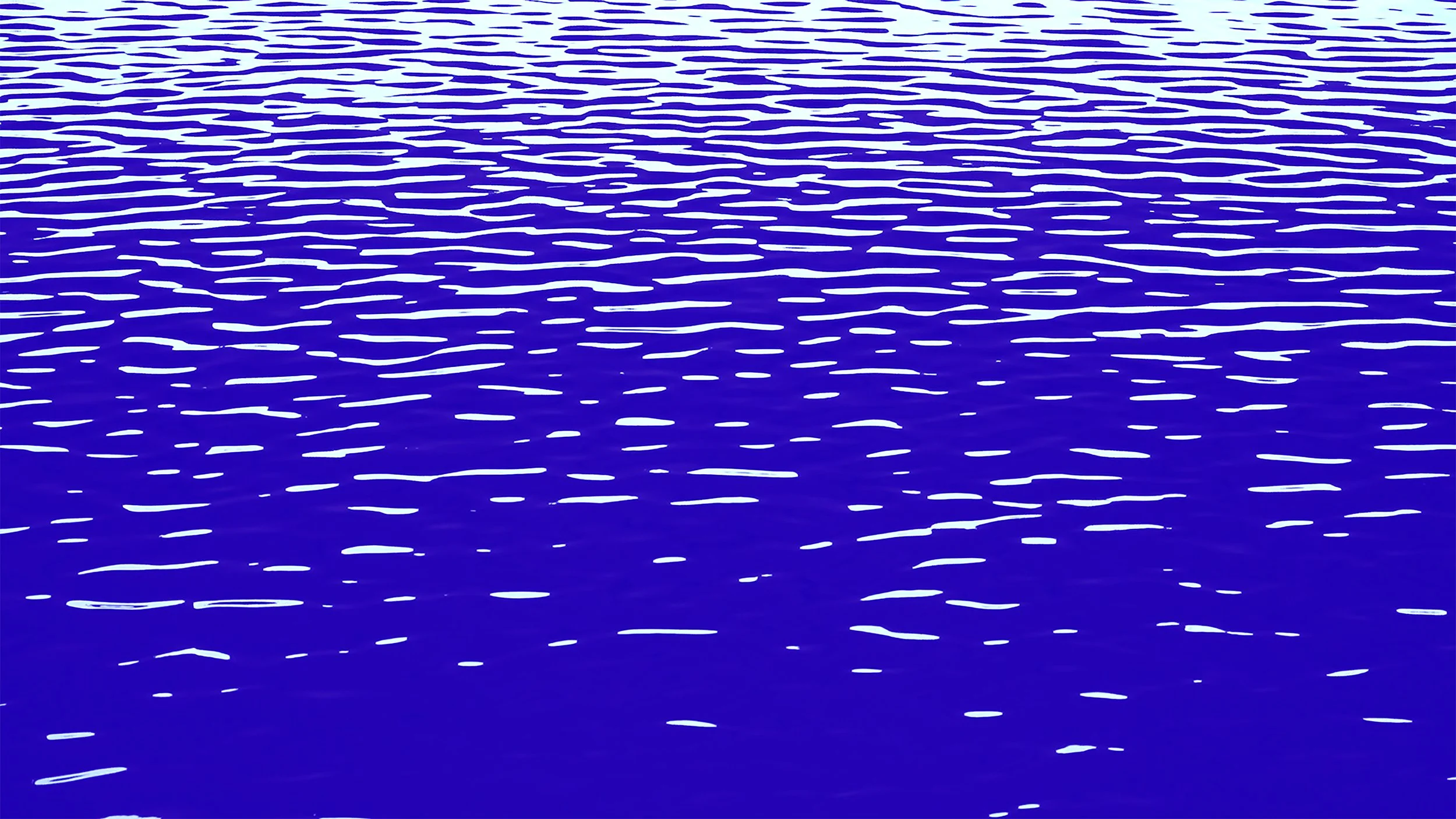
Wavelengths, Salesforce Tower, San Francisco. Drone footage. 2026