Sándor Barics
Berlin, Germany
Website:
sandorbarics.com
Social Media
Instagram
artfacts.net
How would you describe your work?
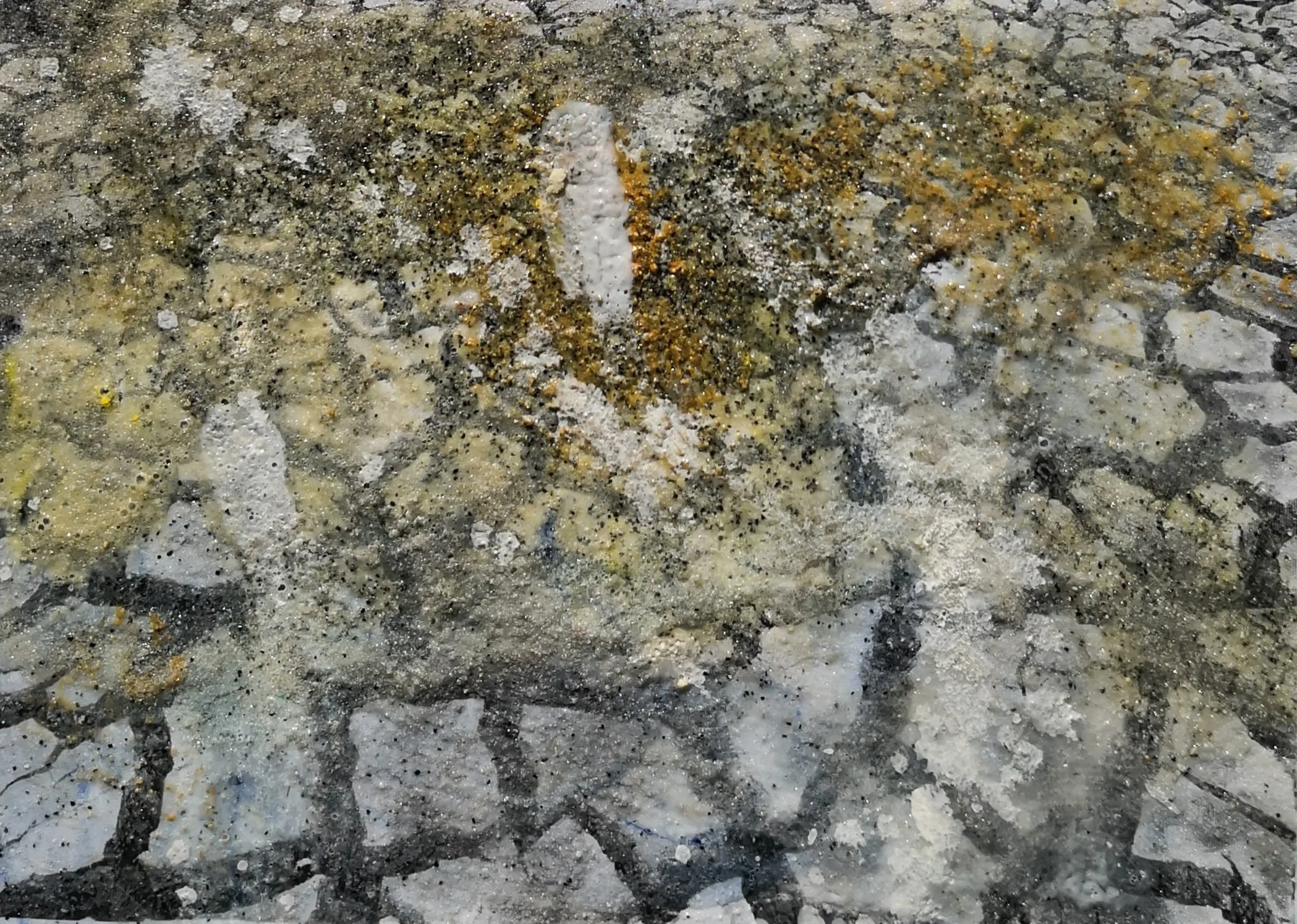
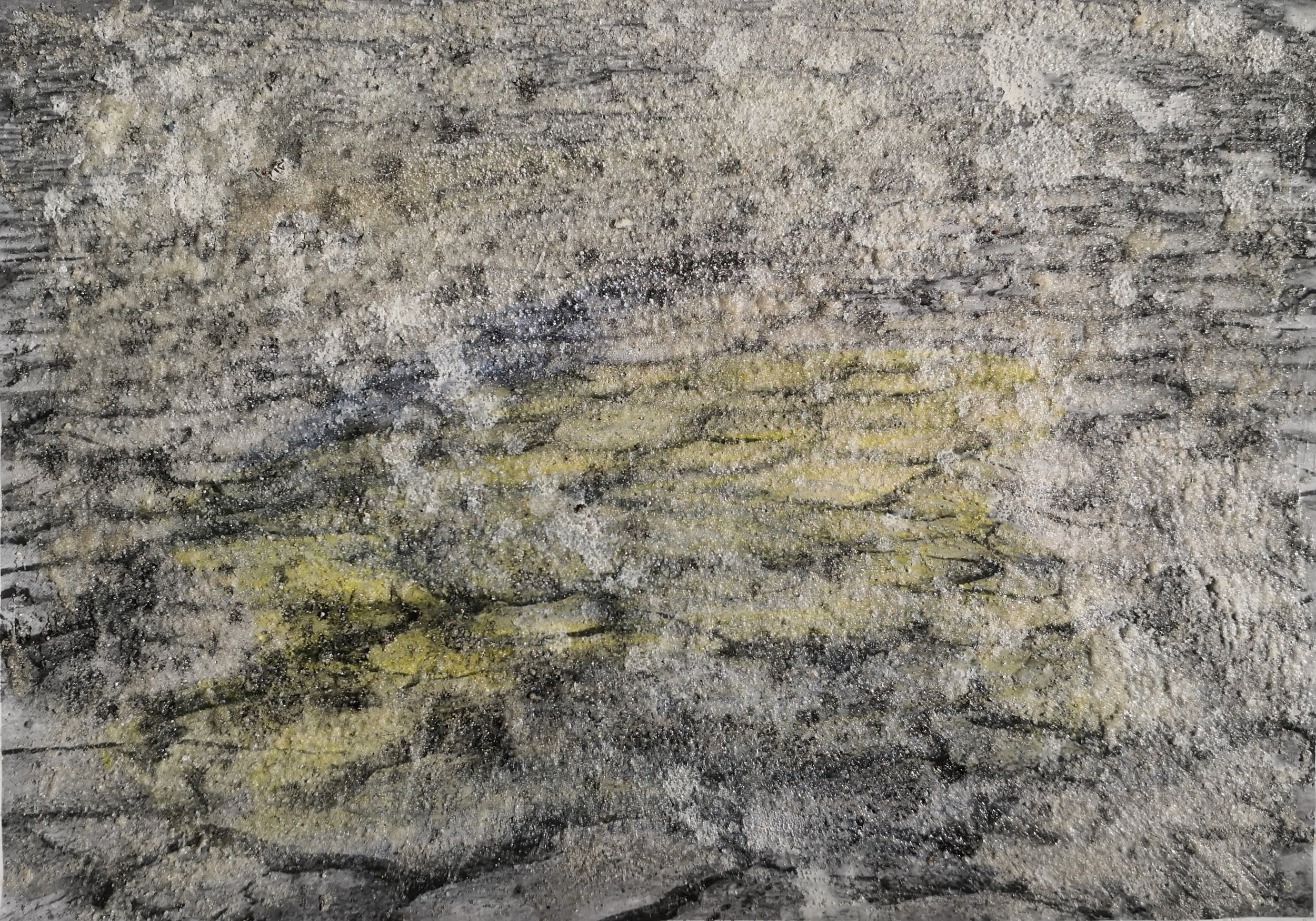
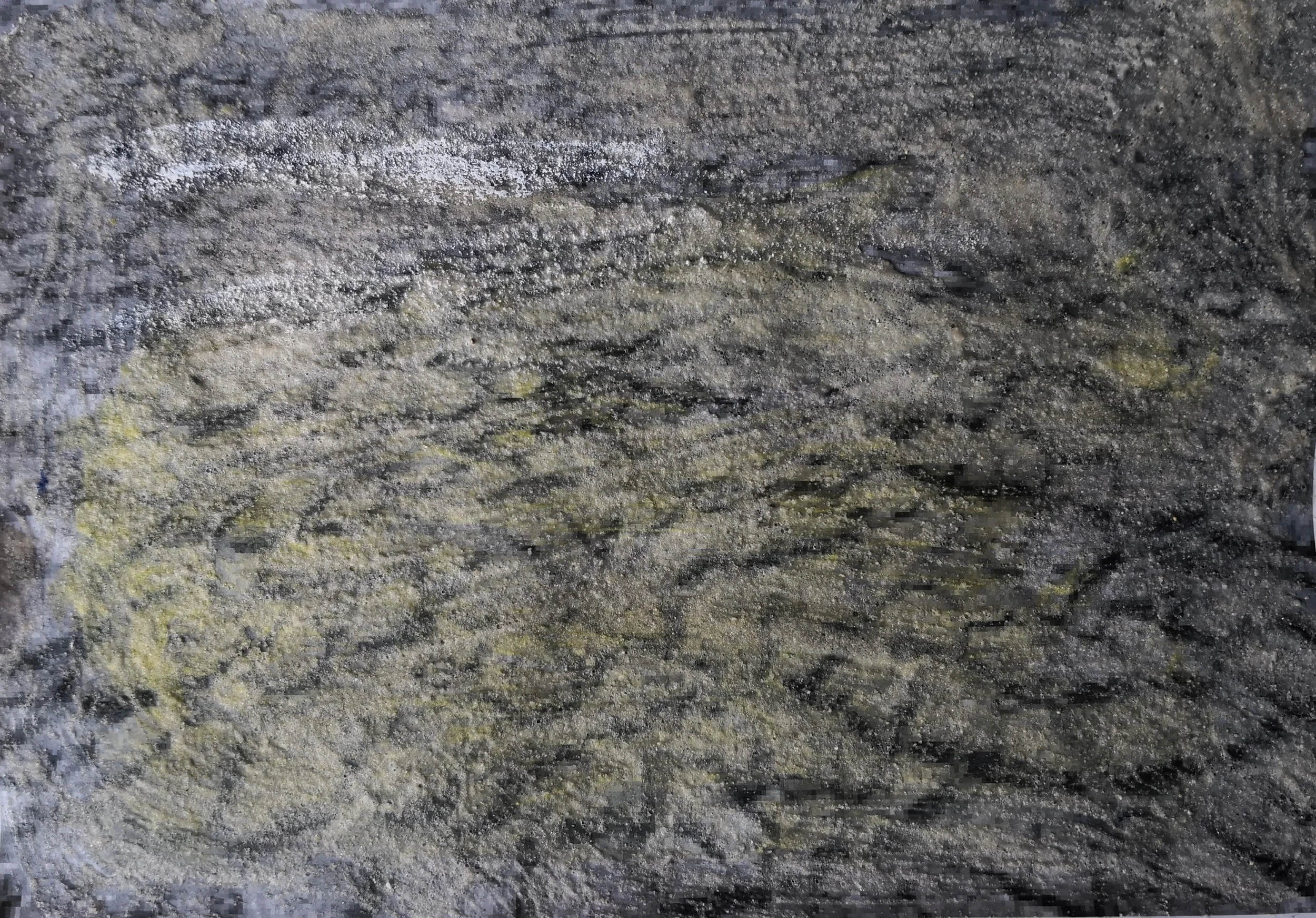
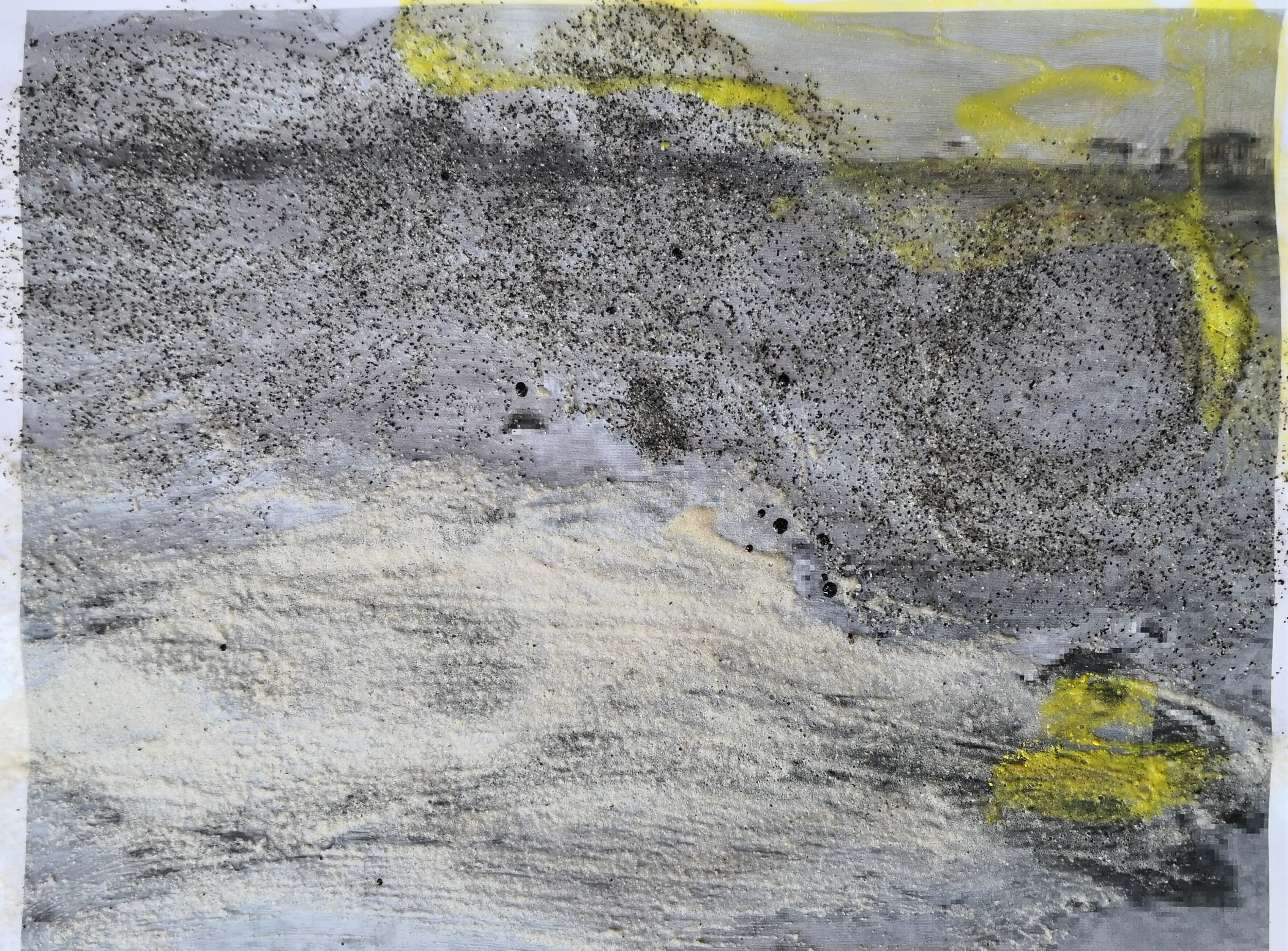
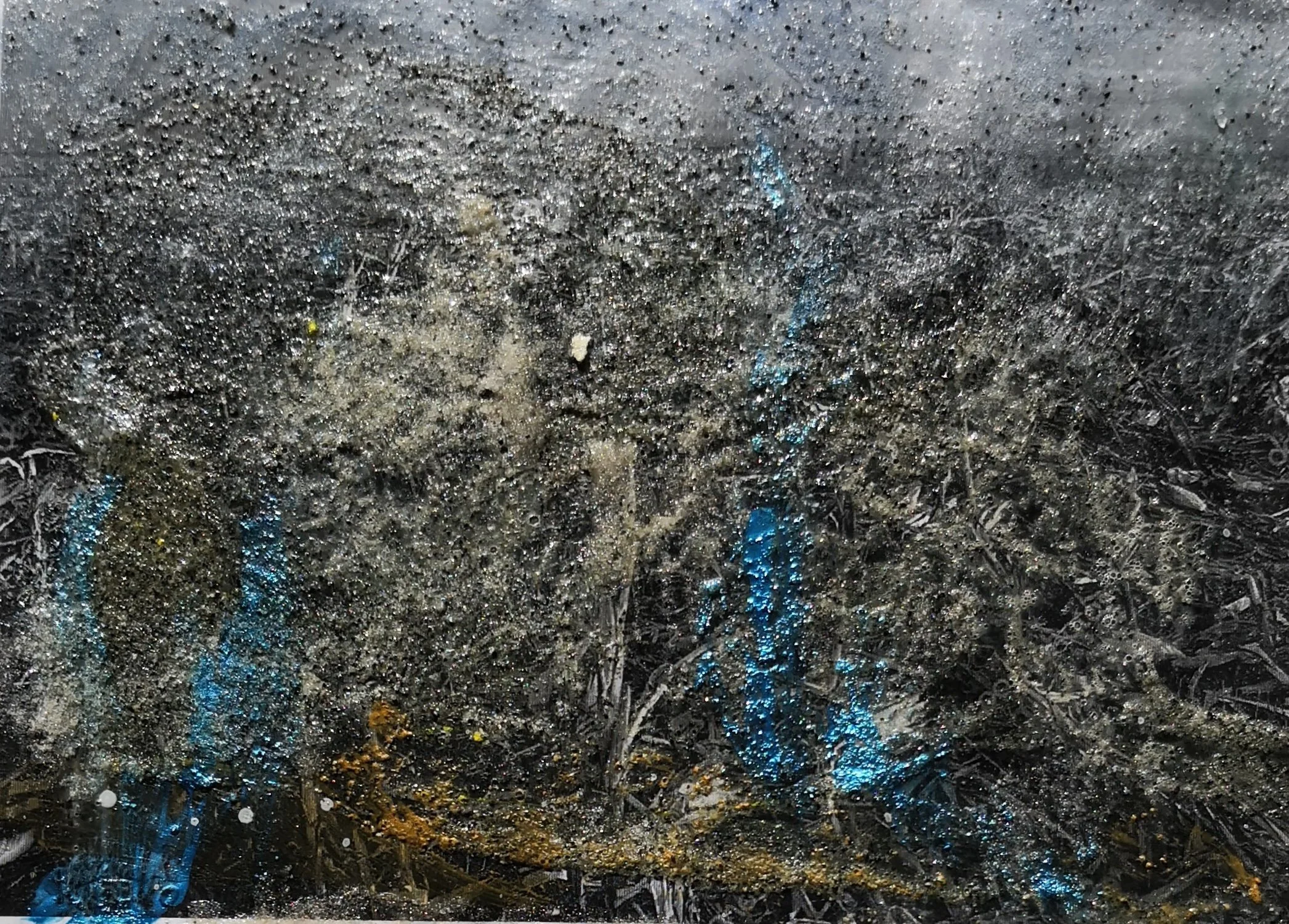
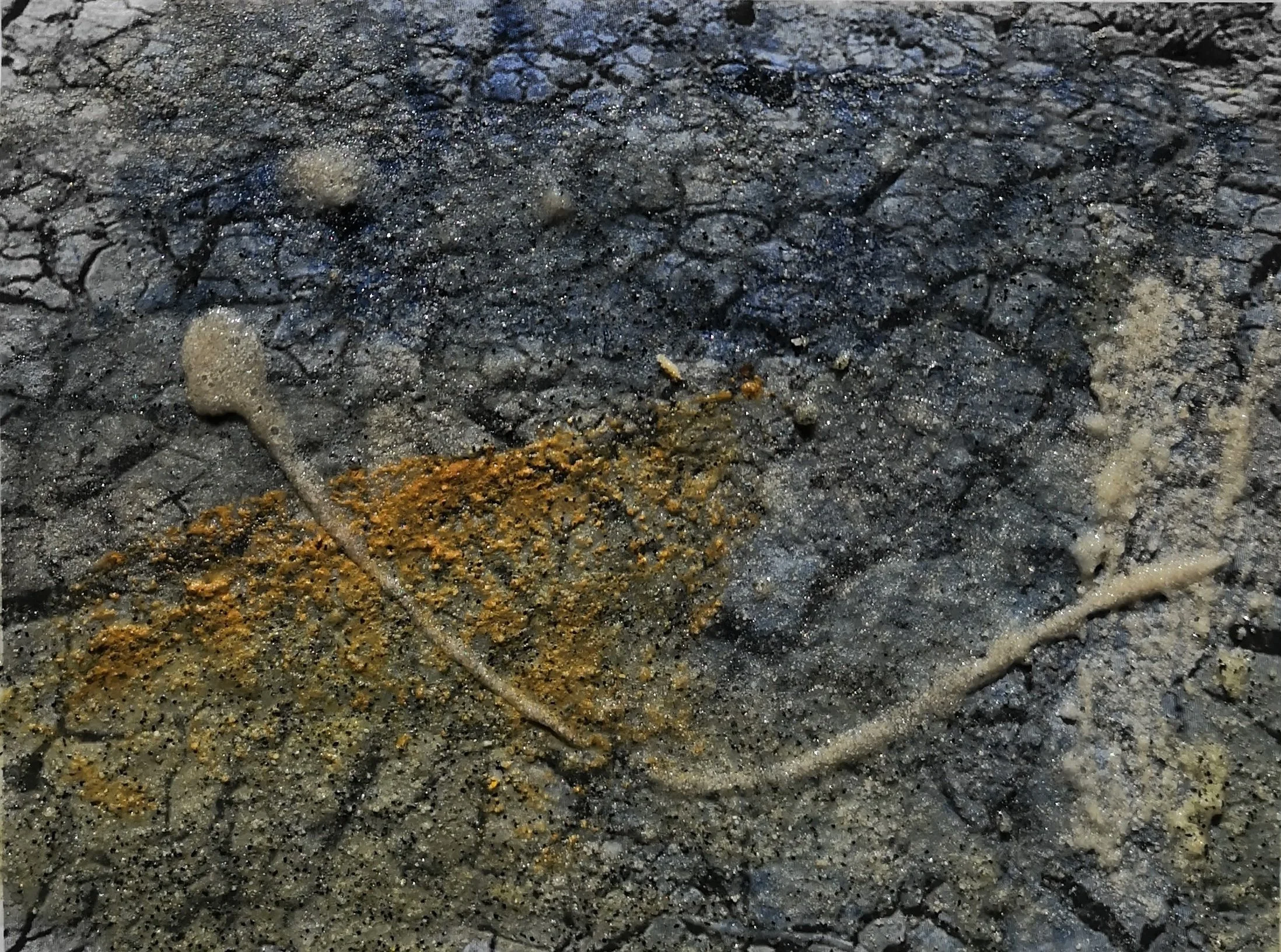
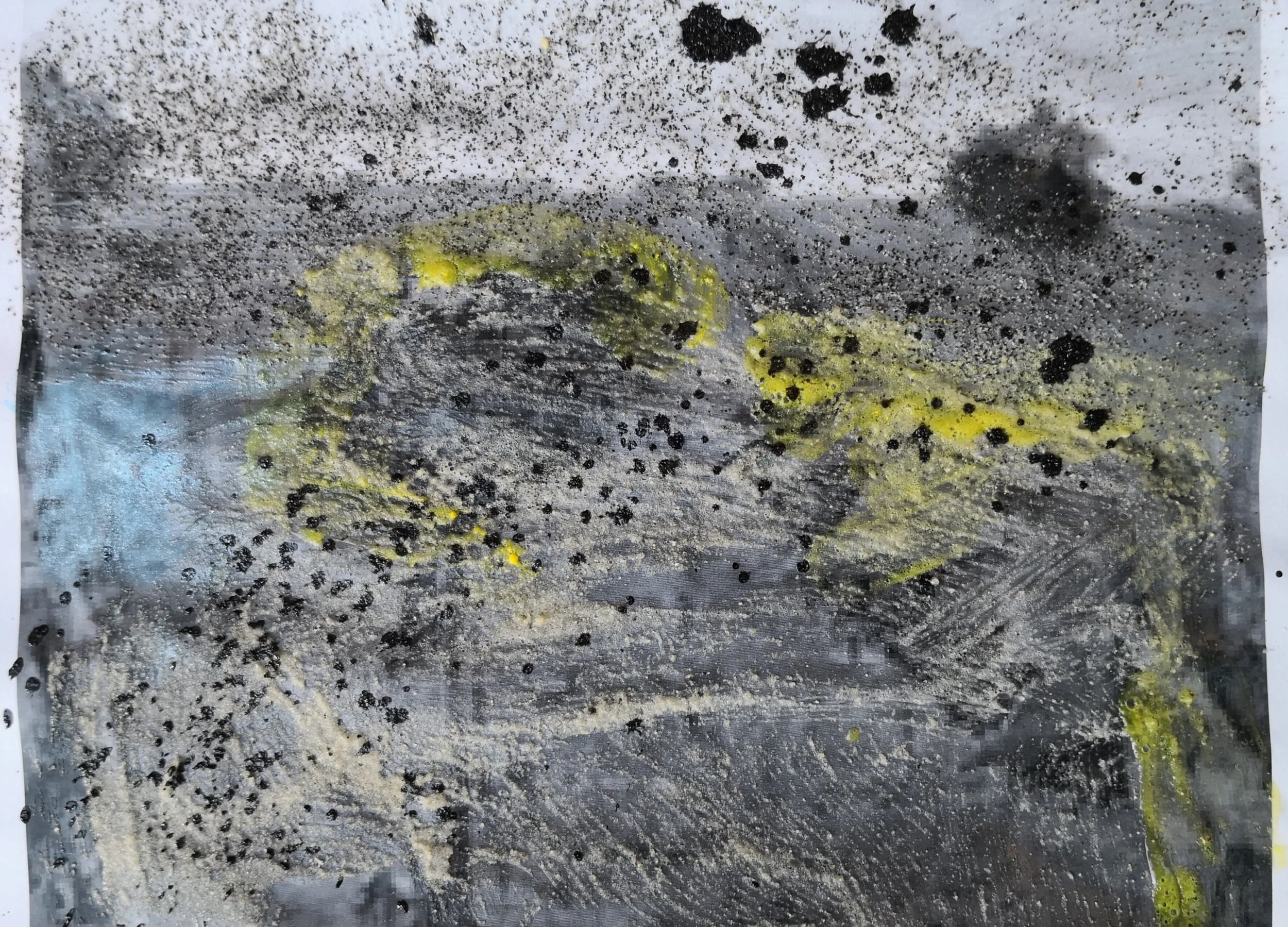
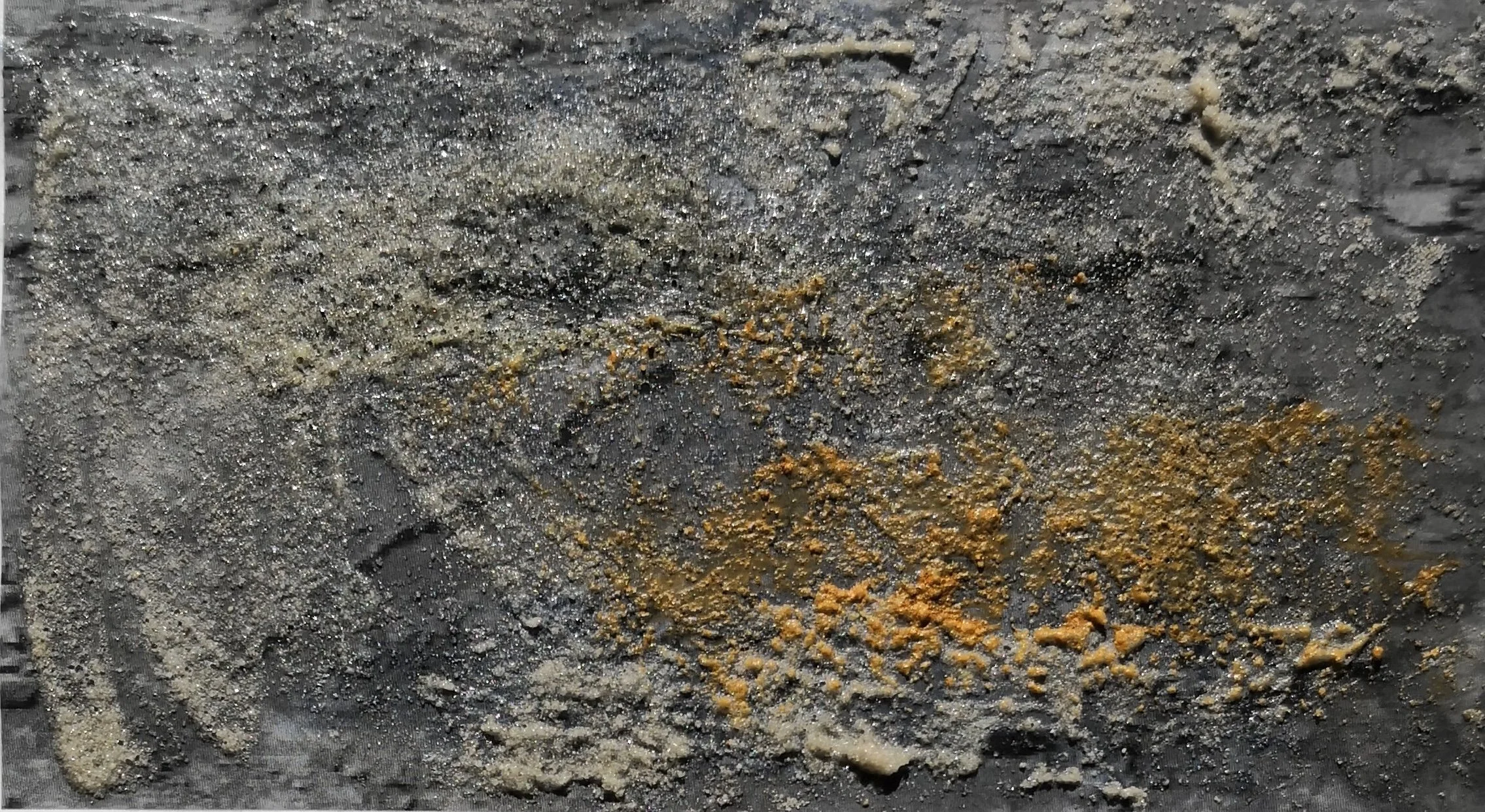
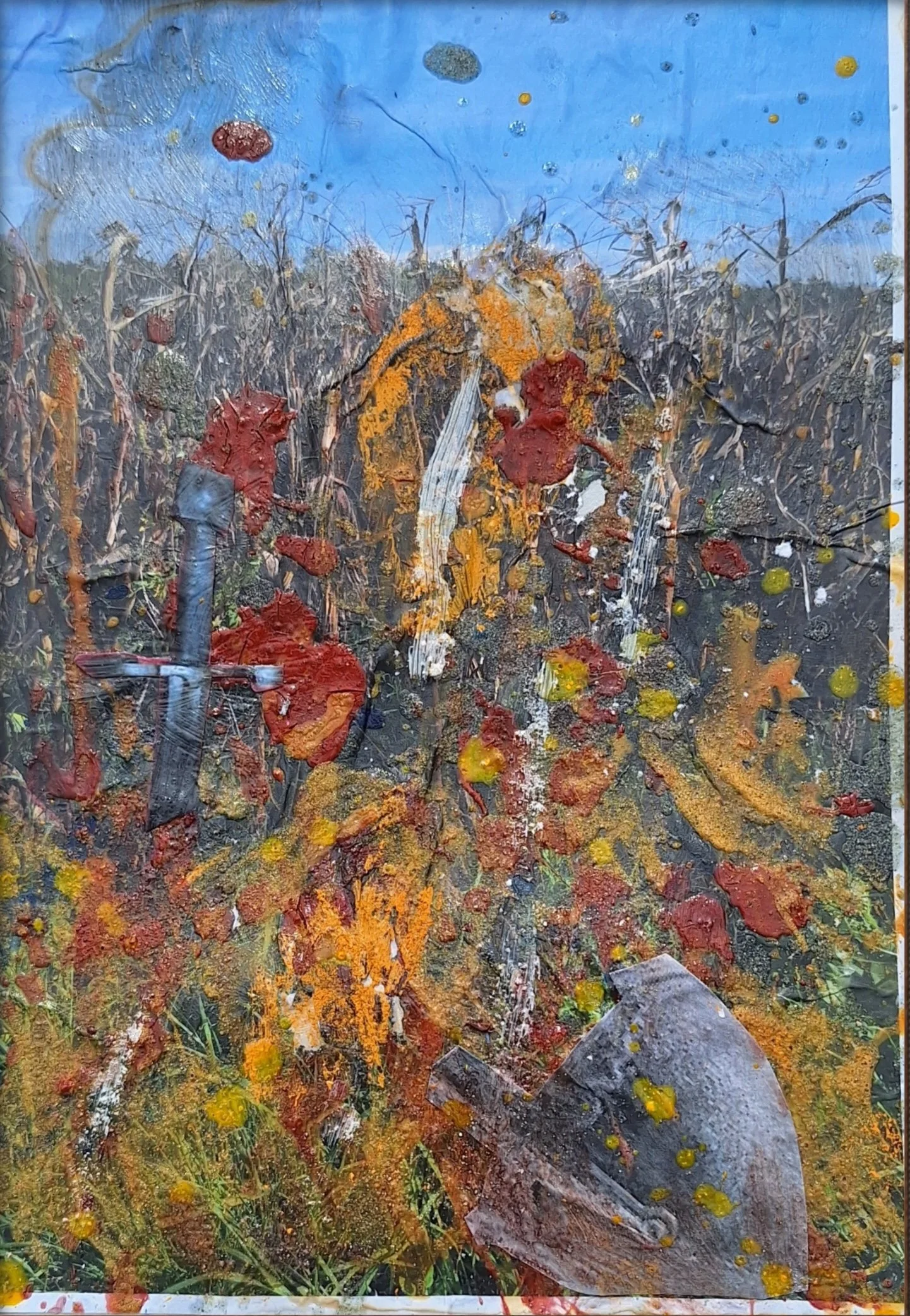
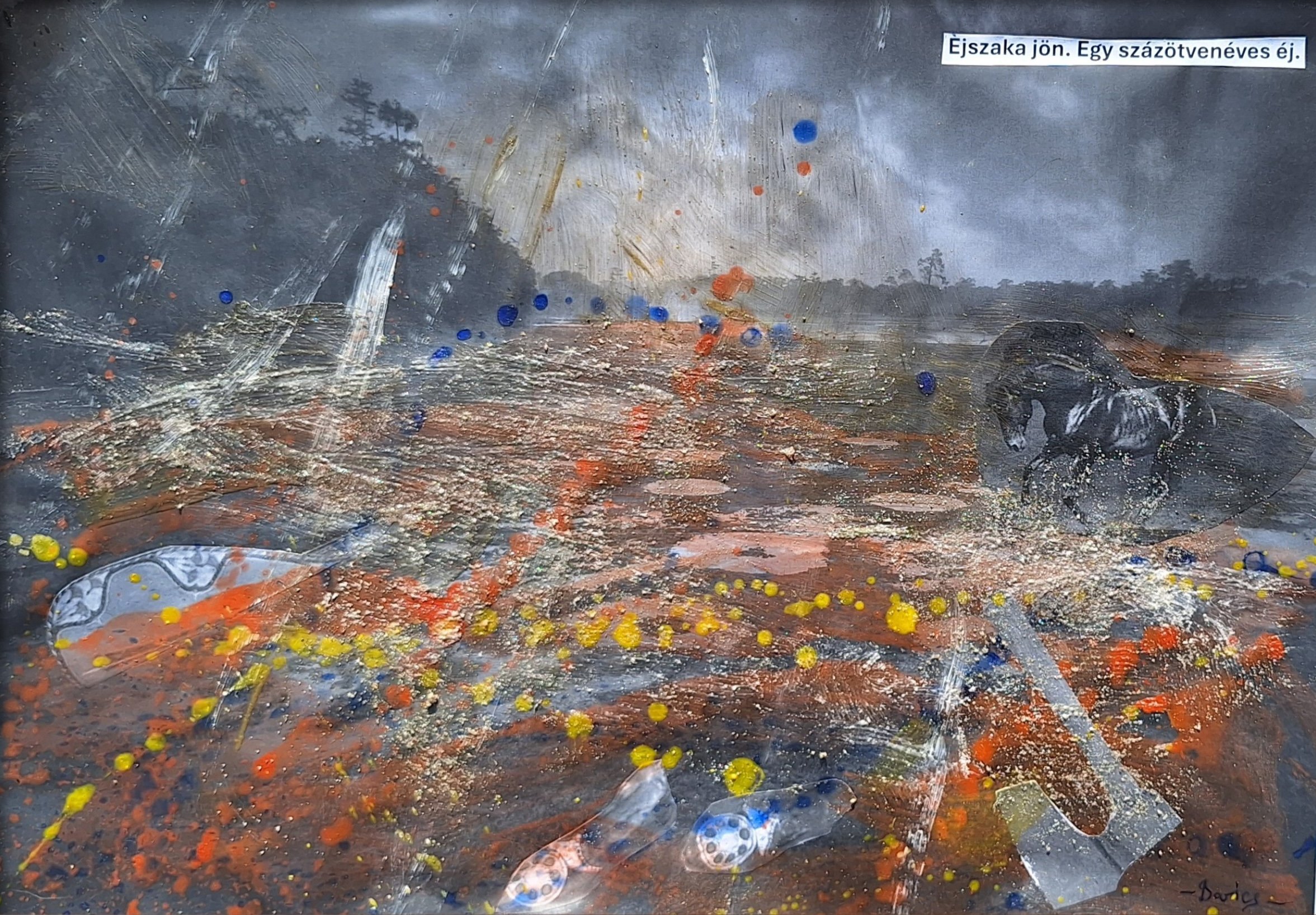
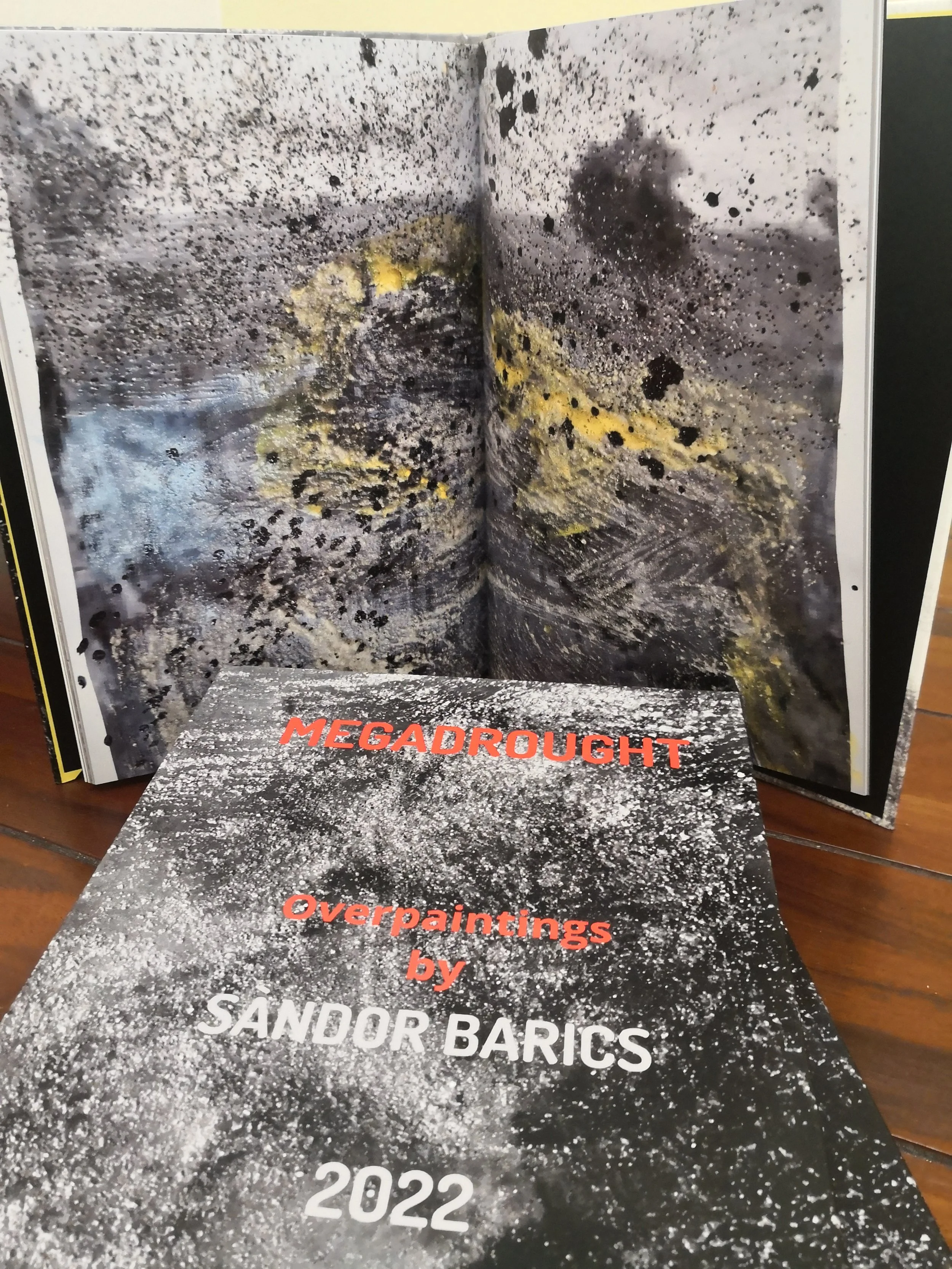
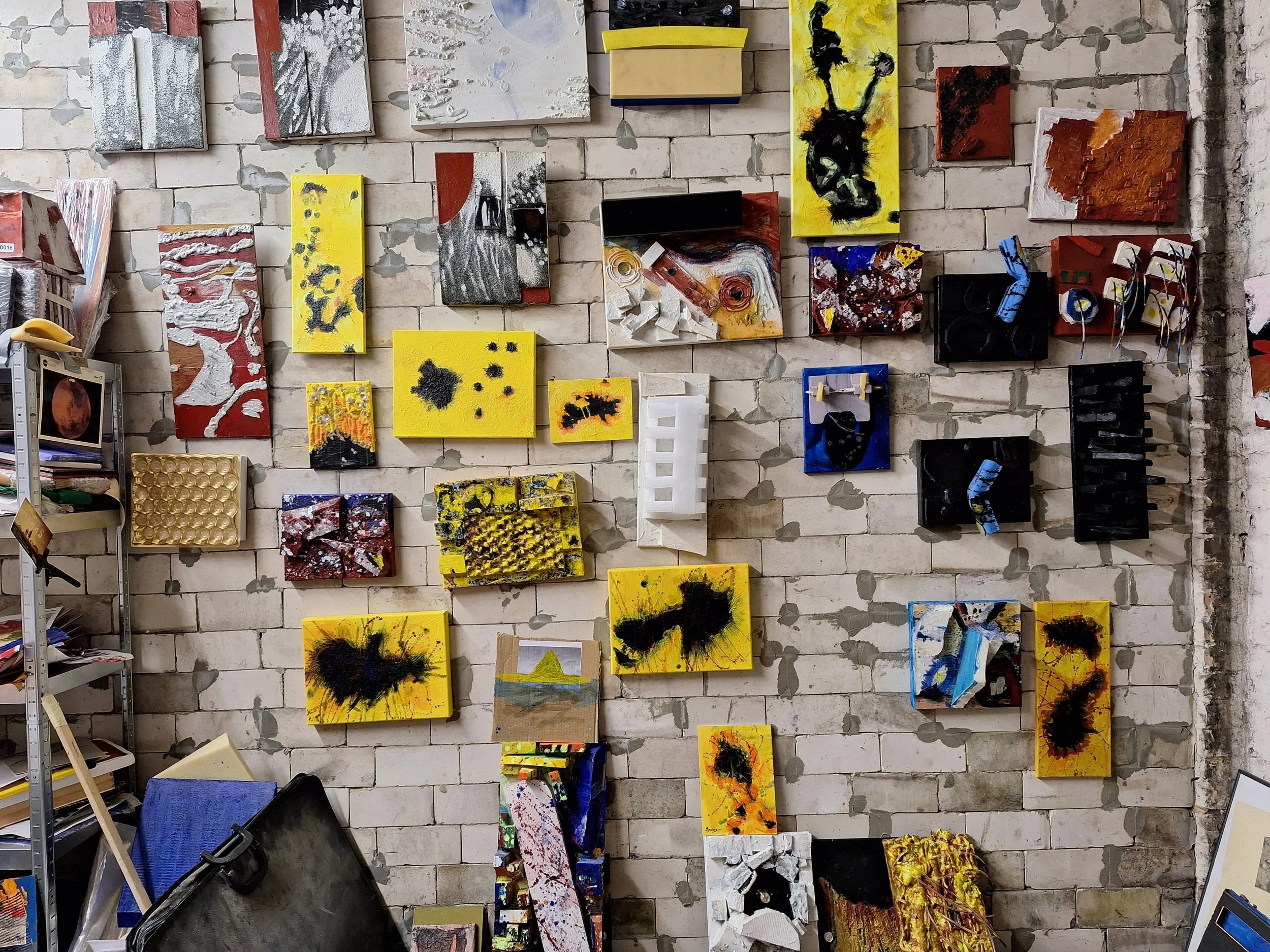
I am a mixed media painter and a maker. I build surfaces — sand, dry pigments, foam, acrylic binder, gold leaf, photo print, collage — so a painting becomes a piece of terrain rather than a picture of one. Landscape has been my subject for thirty years, but landscape understood as a witness: what remains after something has happened. My recent series Mohács 500 marks the 500th anniversary of the battle that ended medieval Hungary — twenty-three works on paper. Imagine the Gettysburg Cyclorama, one of those vast nineteenth-century battle panoramas built to put you inside history, and then take the battle out of it. No soldiers, no heroism, no witnesses. Only abandoned objects, surviving animals, and fragments of old Hungarian poems cut into the surface. Dürre / Drought, forty-five works from 2022, does the same thing for the climate: cracked ground, hunger, the economics of thirst, and the wars that follow.
What inspires you?
Space exploration, still, and Mars above all. Since the Pathfinder landing in 1997 I have not stopped looking at those remote sensing images. But my perspective has turned around. For most of my life I looked up and admired the stars; now I look down — from orbit, as a satellite would — and what I see is drought, deforestation, burning fields, war. The same god's-eye view that made Mars beautiful makes our own destruction legible. Sometimes I think we behave like locusts: when the swarm's numbers explode, every green plant in sight is eaten, and what is left behind is ruin.
Environmental collapse is very much a subject of the moment now, and I am glad of it — but I want to be clear that it is not a trend I joined. I have been making this work for a long time; Dürre is from 2022, and the questions behind it go back much further, to the moment I started asking whether we have any right to touch an untouched landscape on Mars while ruining the one we already have. The world caught up with the subject. I did not catch up with the world.
Can you speak about your process?
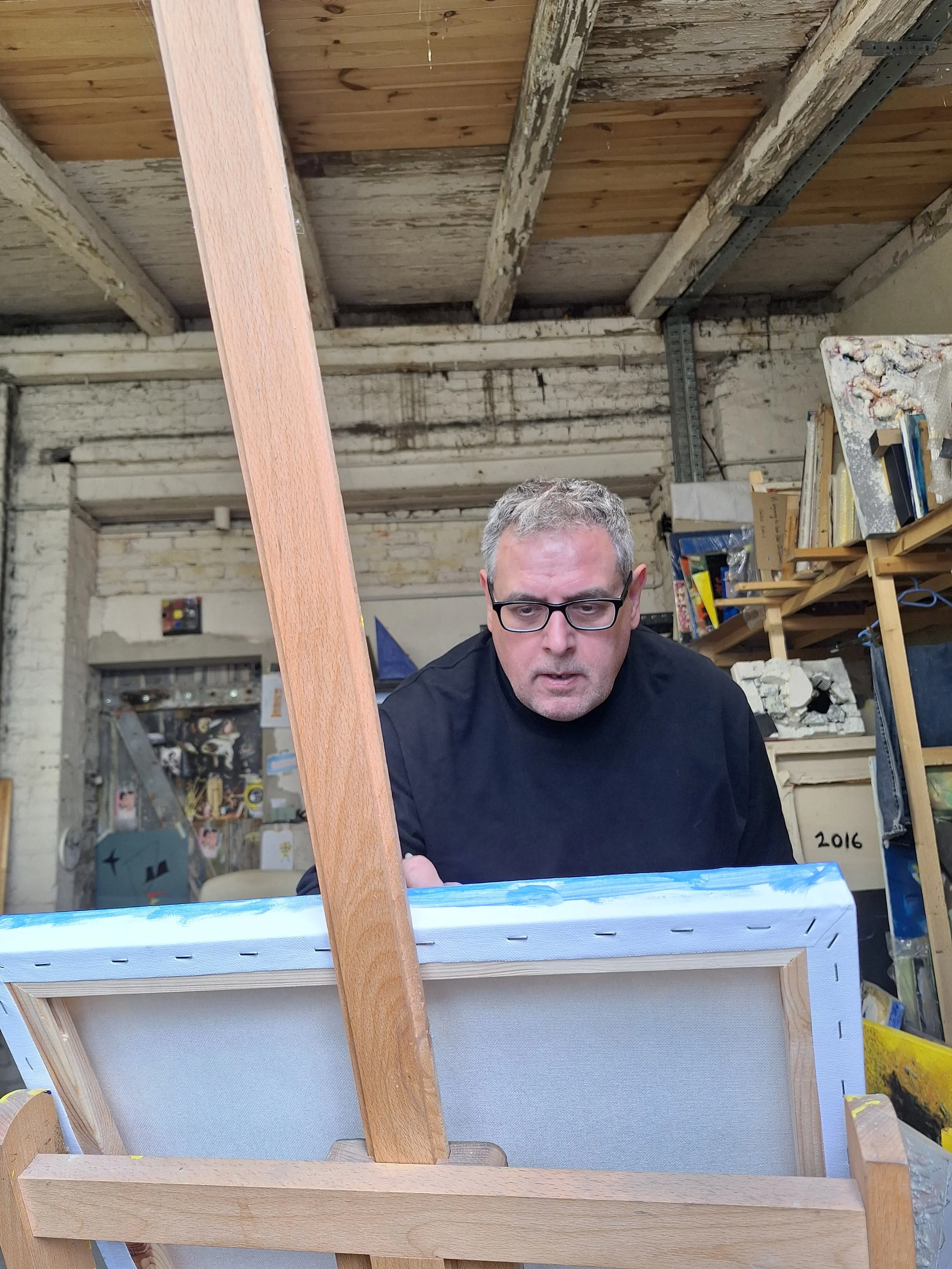
It starts in sketchbooks — I have kept at least three a year since 1996, one in the kitchen, one by the bed, one in the studio. Then research: archives, poems, satellite imagery, scientific databases, conversations with researchers. Then the slow part. I mix my own colors and build up layer after layer, and while I work I feel like an archaeologist going down through strata rather than a painter going up. For Mohács 500 the poem fragments were cut and set into the surface last, like objects found in the soil.
How did you become interested in art?
Through books. There were no galleries in Baja, my hometown, so I knew Rembrandt and Dürer only from my grandmother's small library. At twelve I decided to write a book about Galileo and illustrated it myself; at sixteen I found the abstract expressionists in the public library and started painting. After we moved to Munich, the Lenbachhaus became my second home. Then New York — and the Art Students League, where I was a fellow from 1996 to 2000. I owe that institution more than I can repay. Larry Poons, Bruce Dorfman, Charles Hinman and Frank O'Cain taught me that art is not a craft but a search, and that curiosity — ears up, eyes open, always asking — is where a work begins. Everything I have made since stands on those four years.
Do you have any favorite artists, movies, books, or quotes?
Anselm Kiefer, Antoni Tàpies, Robert Rauschenberg. Tiepolo's and Beuys' drawings. Lee Bontecou, a League alumna and still underrated — look her up.
Books, if you want to argue with something rather than just admire it: T. J. Demos, Against the Anthropocene — a hard critique of exactly the satellite-eye view of the planet that I work from, which is why I keep it close. David Salle's How to See is the best writing by a painter about looking that I know. And Sarah Thornton's Seven Days in the Art World is worth reading by every artist who thinks the work speaks for itself. I would still not part with The Drawings of G.B. Tiepolo.
In the studio I now listen more to poetry than to music, though Bartók and Coltrane built some of my best paintings. The quote I keep returning to is my teachers': curiosity is where a work of art begins.
Any more thoughts?
I am wary of making tragedy comfortable. Beautifying catastrophe produces a pleasant melancholy, and that is useless. What interests me is beauty as complicity — the moment a viewer catches themselves enjoying something they should not enjoy, and has to ask why. No exhibition of Mohács 500 is planned. Some things need one memorial, not a tour.
What advice would you give to young artists?
Stop chasing galleries. Make your art. Just do it — every day.
I say this from experience, not principle. I spent years writing to galleries. Carefully researched, personalized letters, good images, the whole ritual. Most were never answered — not rejected, simply never answered. At some point I did the arithmetic and realized how many paintings I had not made in that time, and I stopped. Nothing bad happened. The work got better.
Chasing is the wrong verb anyway. A gallery is not a prize you win by wanting it badly; it is a relationship that becomes possible once there is a body of work worth representing. And when it does happen, it almost never comes from a cold email — it comes from another artist, a studio visit, a curator who saw something, a collector who talked to someone. That is a different activity from applying, and it costs far less of your studio time.
So: build the work first. Every day, without exception — if not painting, then collage, drawing, writing, sketchbooks. I have kept at least three sketchbooks a year since 1996, and ideas I sketched twenty years ago still open doors for me now. That is the whole secret: long, patient accumulation. This is a lifetime job. Giving up is not an option, so there is no reason to be in a hurry.