Berlin, Germany
Website
www.michael-luther.net
Social Media
Instagram
Foundwork
How would you describe your work?
Despite the diversity of its forms of expression, my approach to painting is very personal and, at its core, simple: at the center is the act of painting itself - the process, the color, and the experimentation, the searching and discovering within the medium.
The ideas for my work arise from my immediate living and working environment. They develop through a dialogue with the materials, the tools, the studio, and my everyday surroundings. Whether it’s the sensuous materiality of paint, photorealistic depictions, or the simple succession of brushstrokes—essentially, my goal is to explore the artistic possibilities of painting. There is no set theme. Rather, the focus is on the specific visual concept and the energetic effect I hope to achieve through its execution.
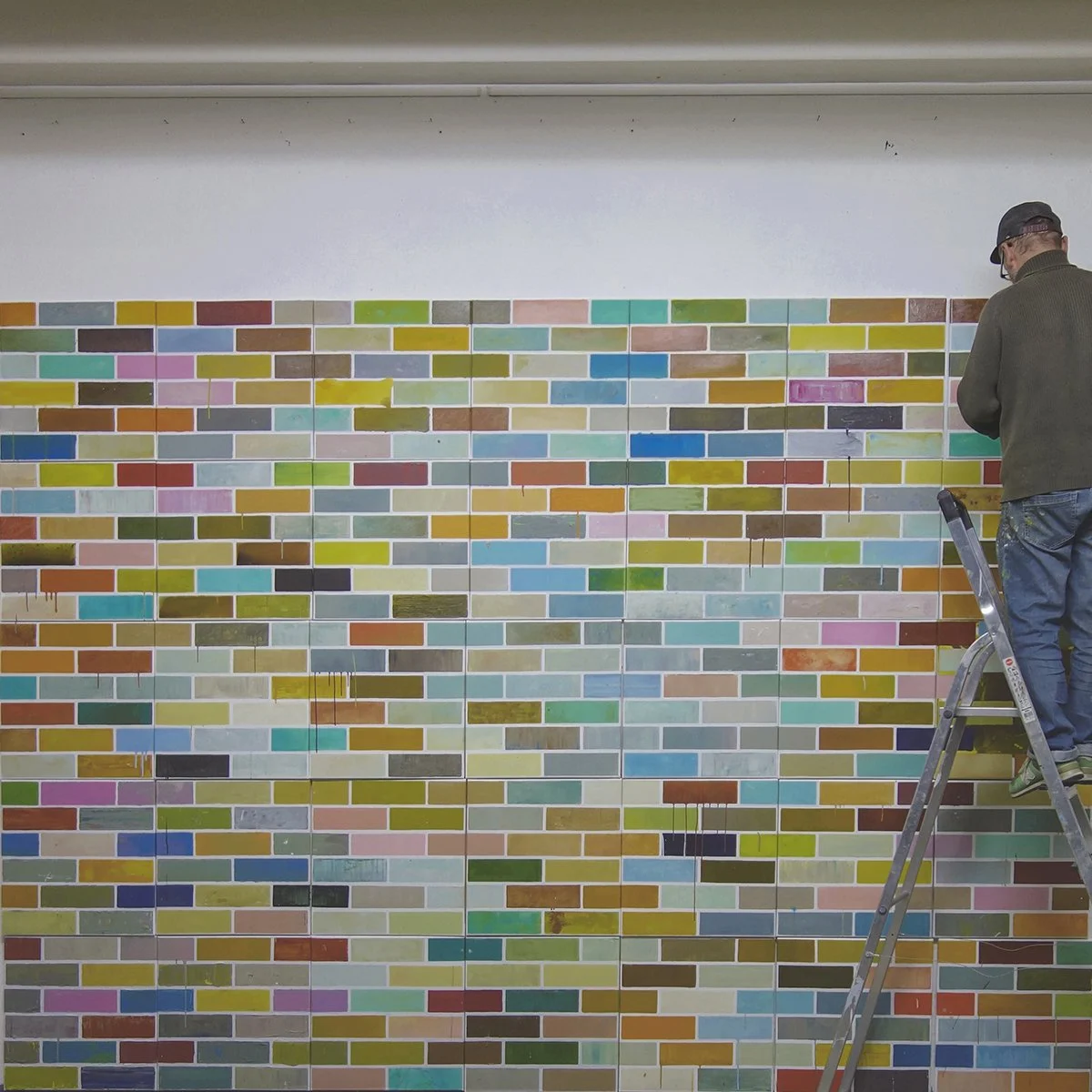
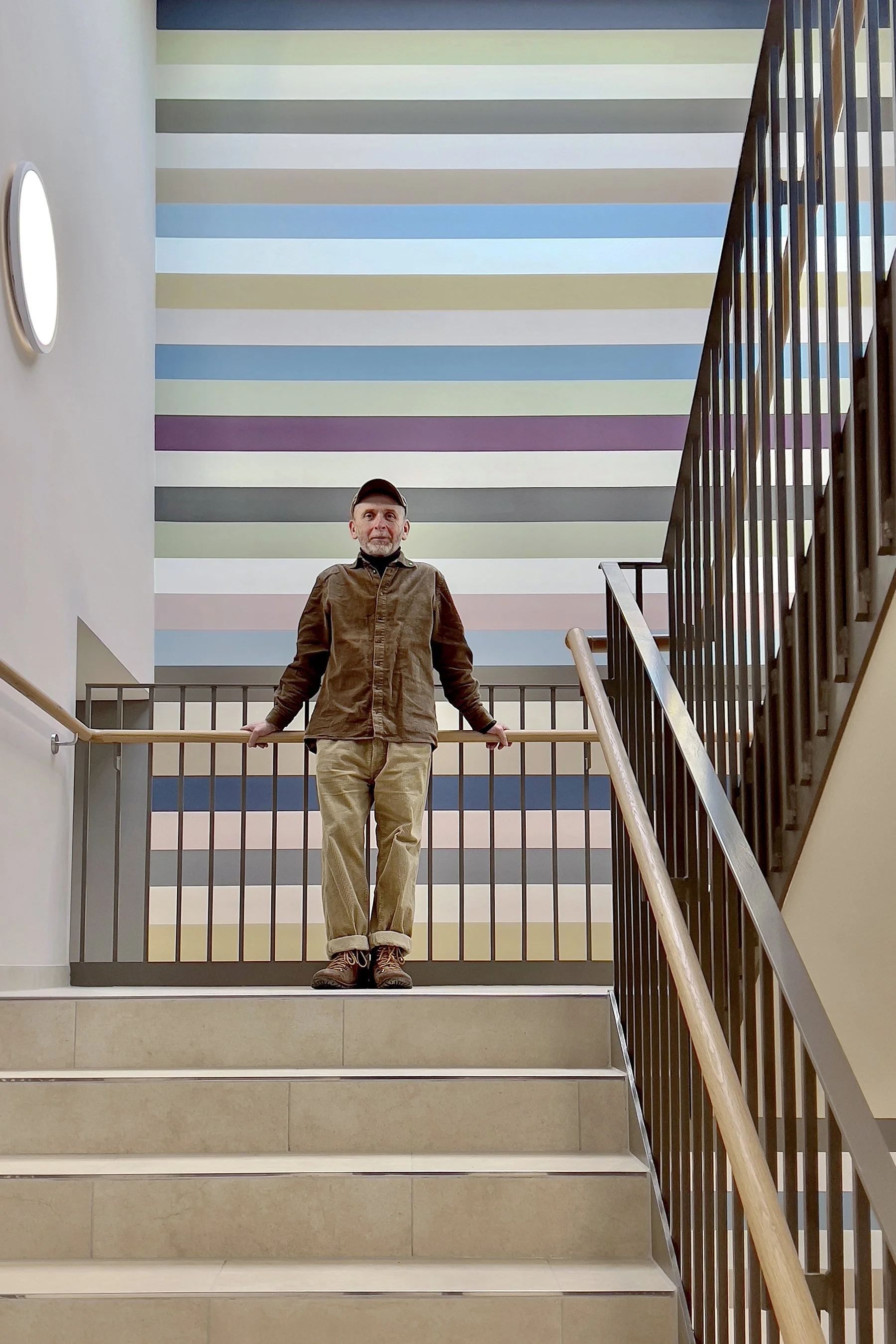
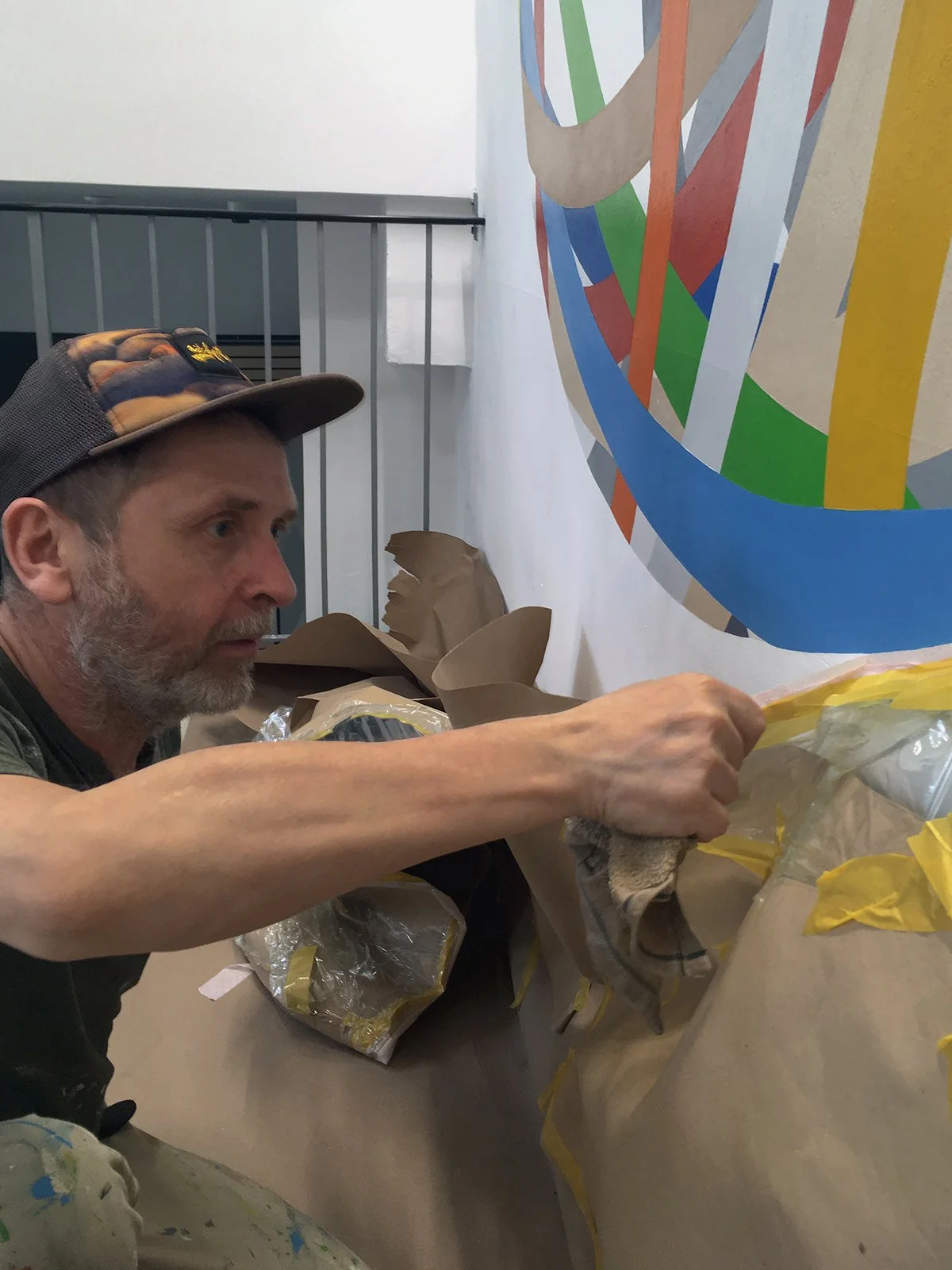
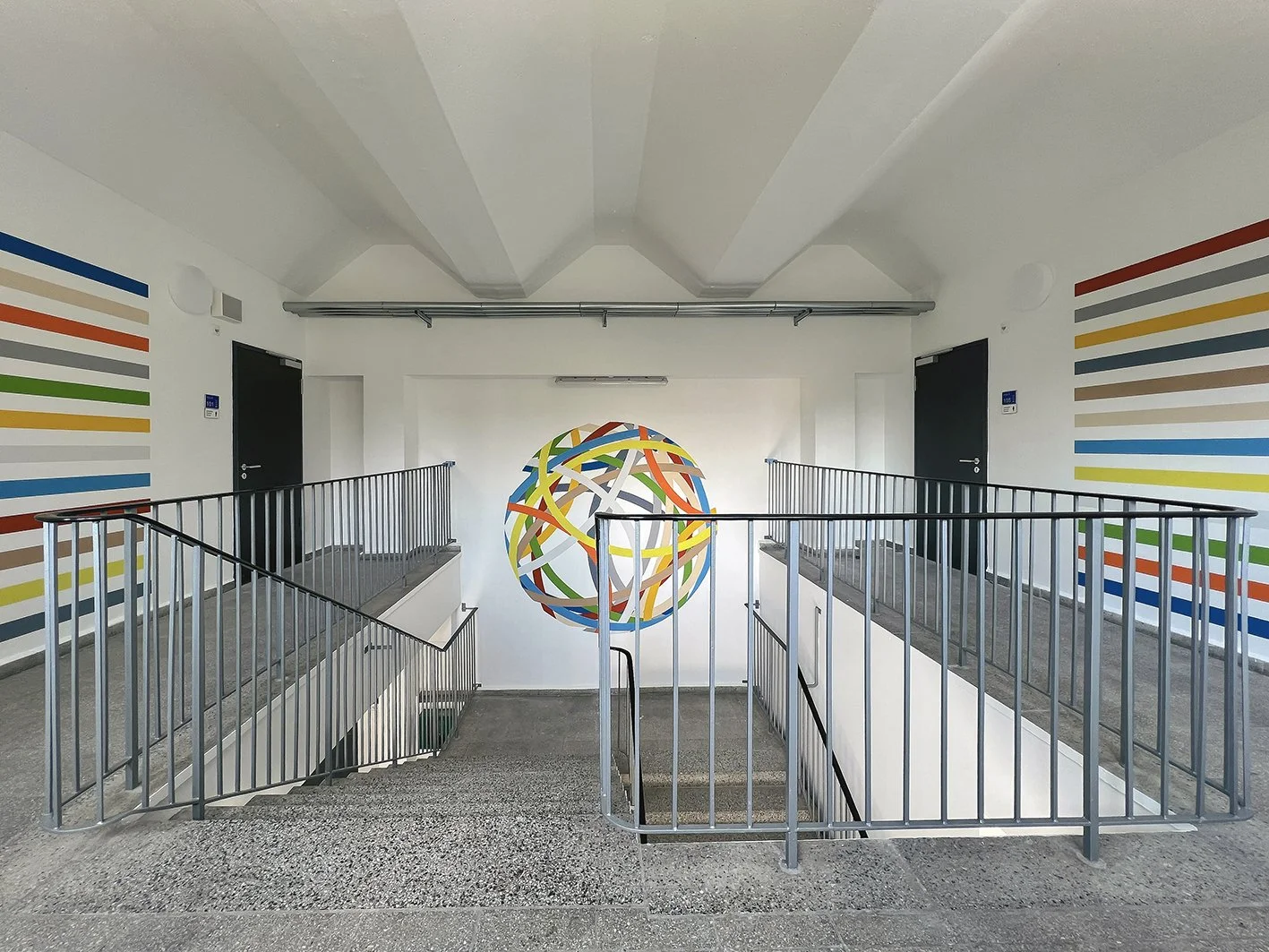
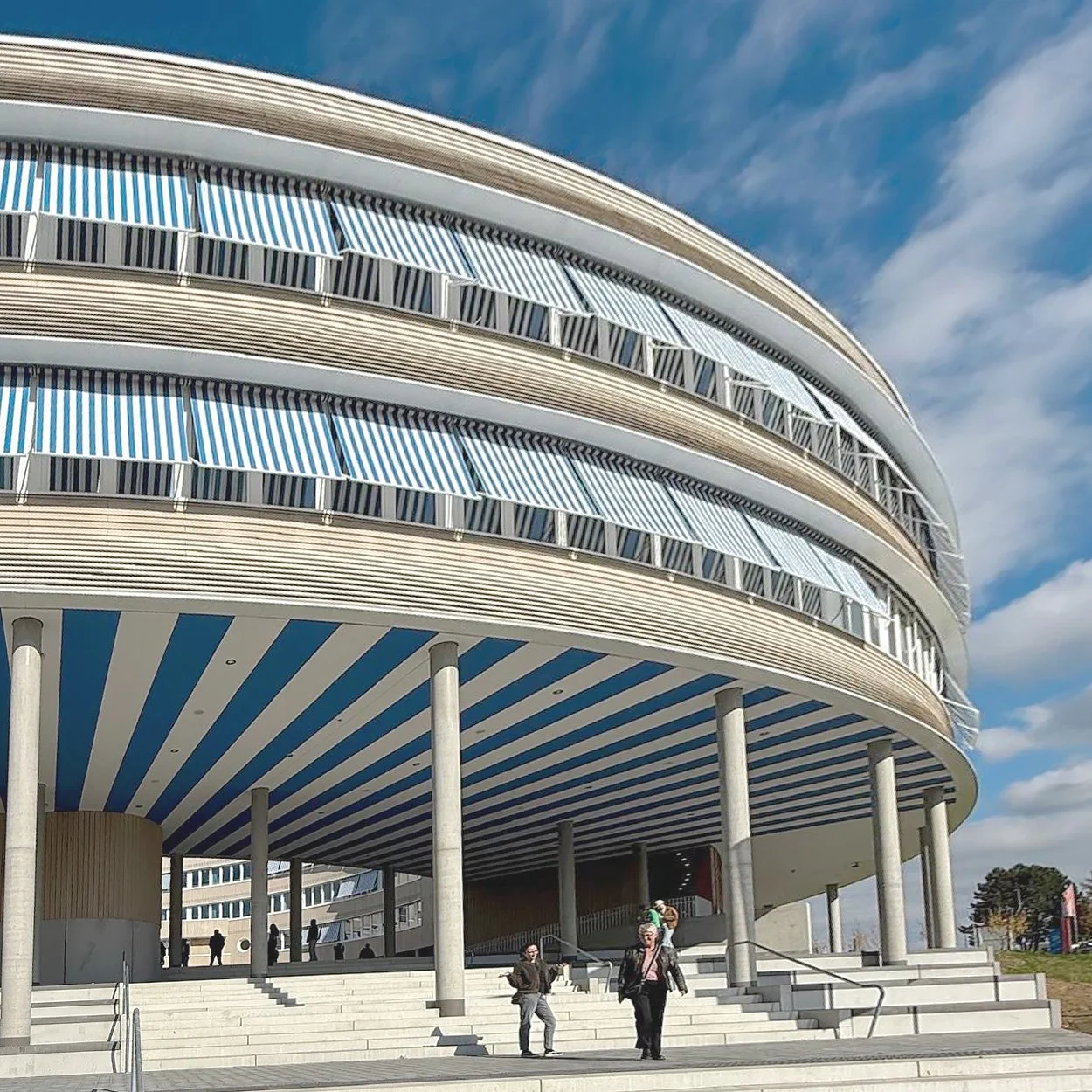
In addition to my studio work, I regularly develop projects in the field of art in architecture, mostly in the form of wall or ceiling paintings. Here, too, I strive for a simple and clear visual language that is derived from the specific spatial and architectural conditions and is guided by the dimensions and proportions of existing architectural elements, as well as by the colors of the materials and furnishings.
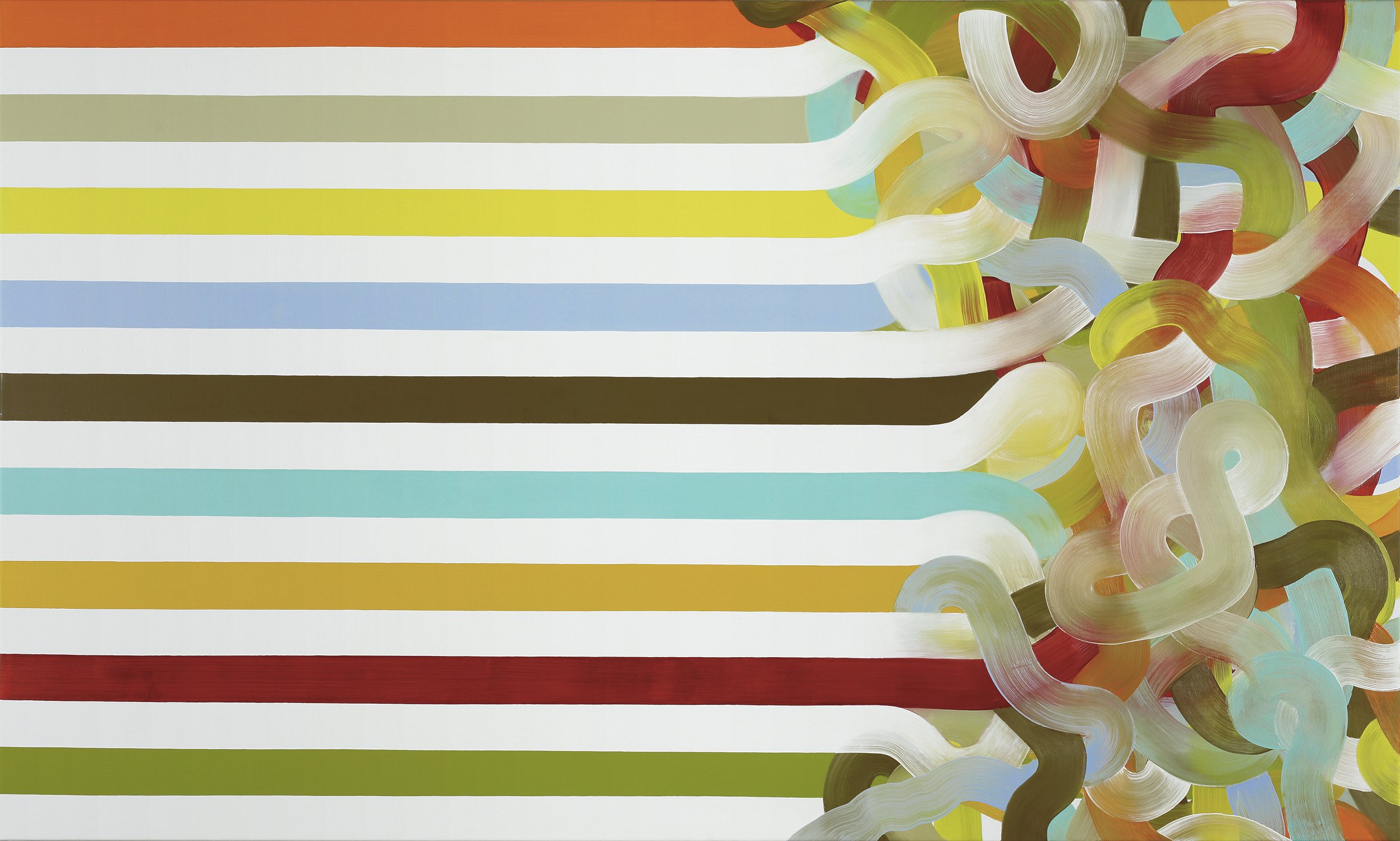
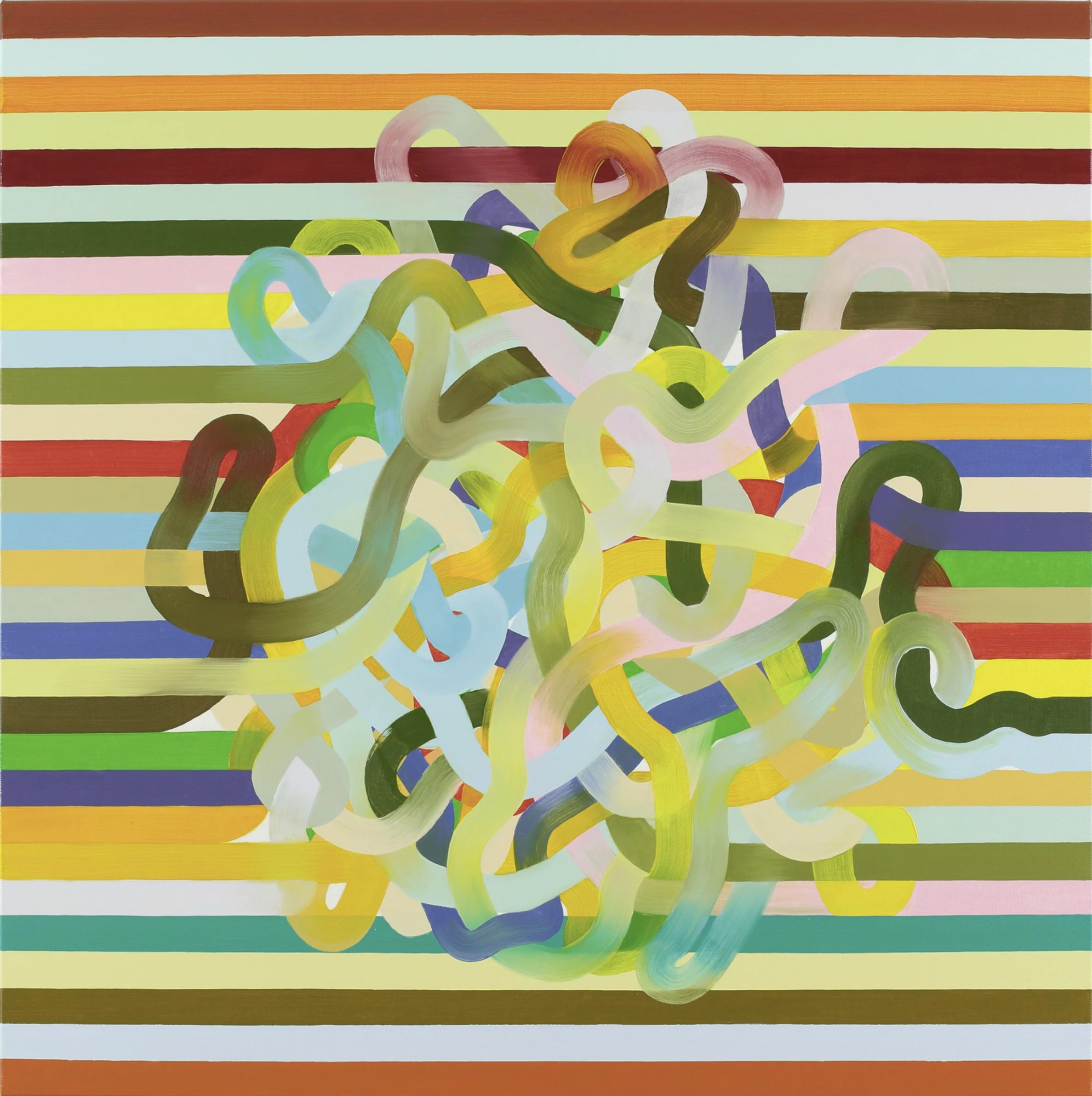
Ultimately, all my work revolves around the fundamental qualities of painting: color, gesture, and their sensory impact. Focusing on these elementary aspects allows me to explore the specific possibilities of the medium. My goal is to create paintings and—in the field of architectural art—spaces that viewers can experience directly through their senses. In recent years, I have increasingly stripped my painting down to its essentials. Currently, I am focusing on the most fundamental painterly gesture: the brushstroke. I particularly enjoy the playfulness and lightness of these works.
What inspires you?
I'm inspired by arrangements, materials, and colors in my immediate surroundings: for example, the patterns of cobblestones, parquet floors, and old exposed brickwork. Or the colorful patchwork rug in my bathroom.
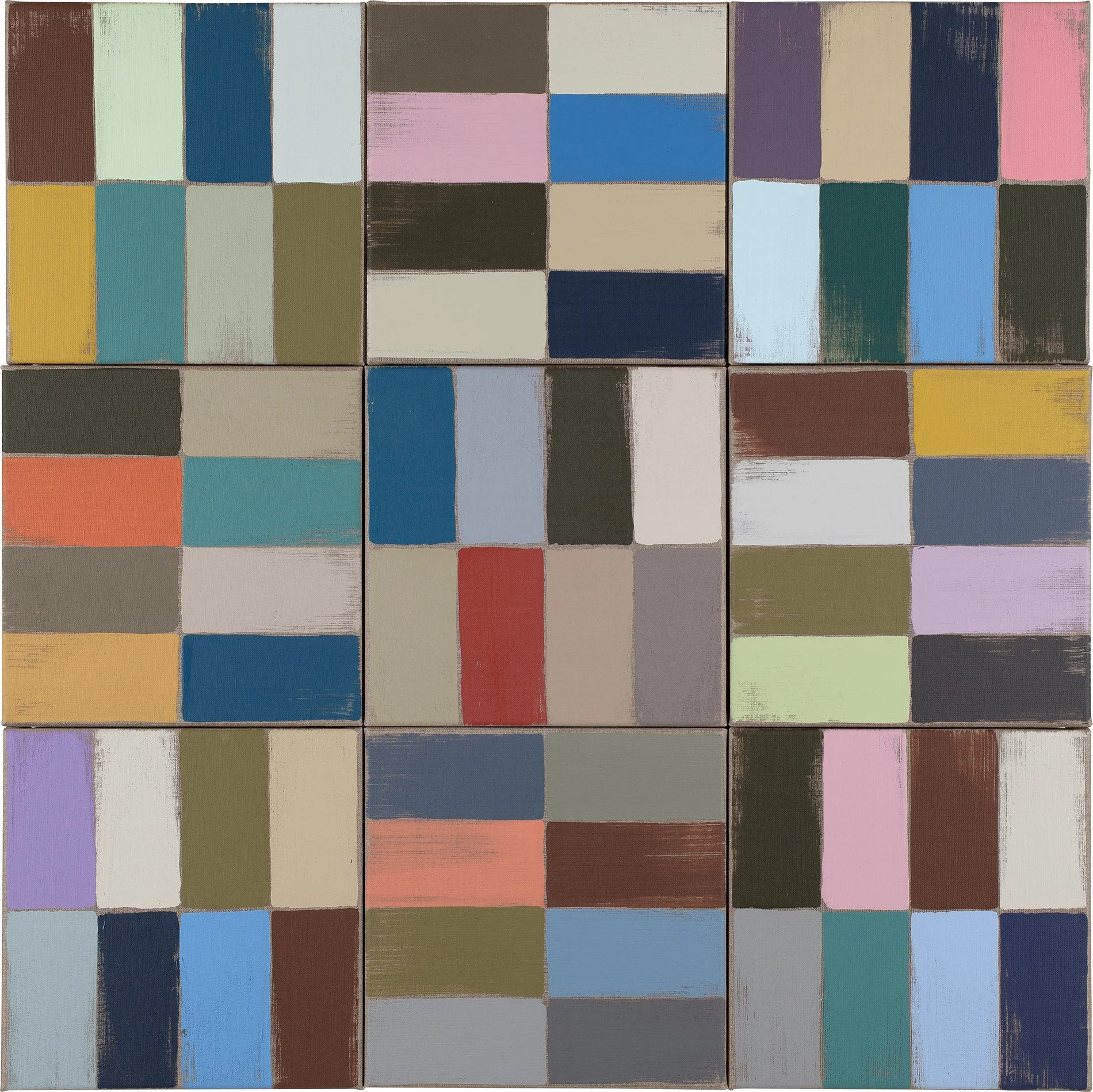
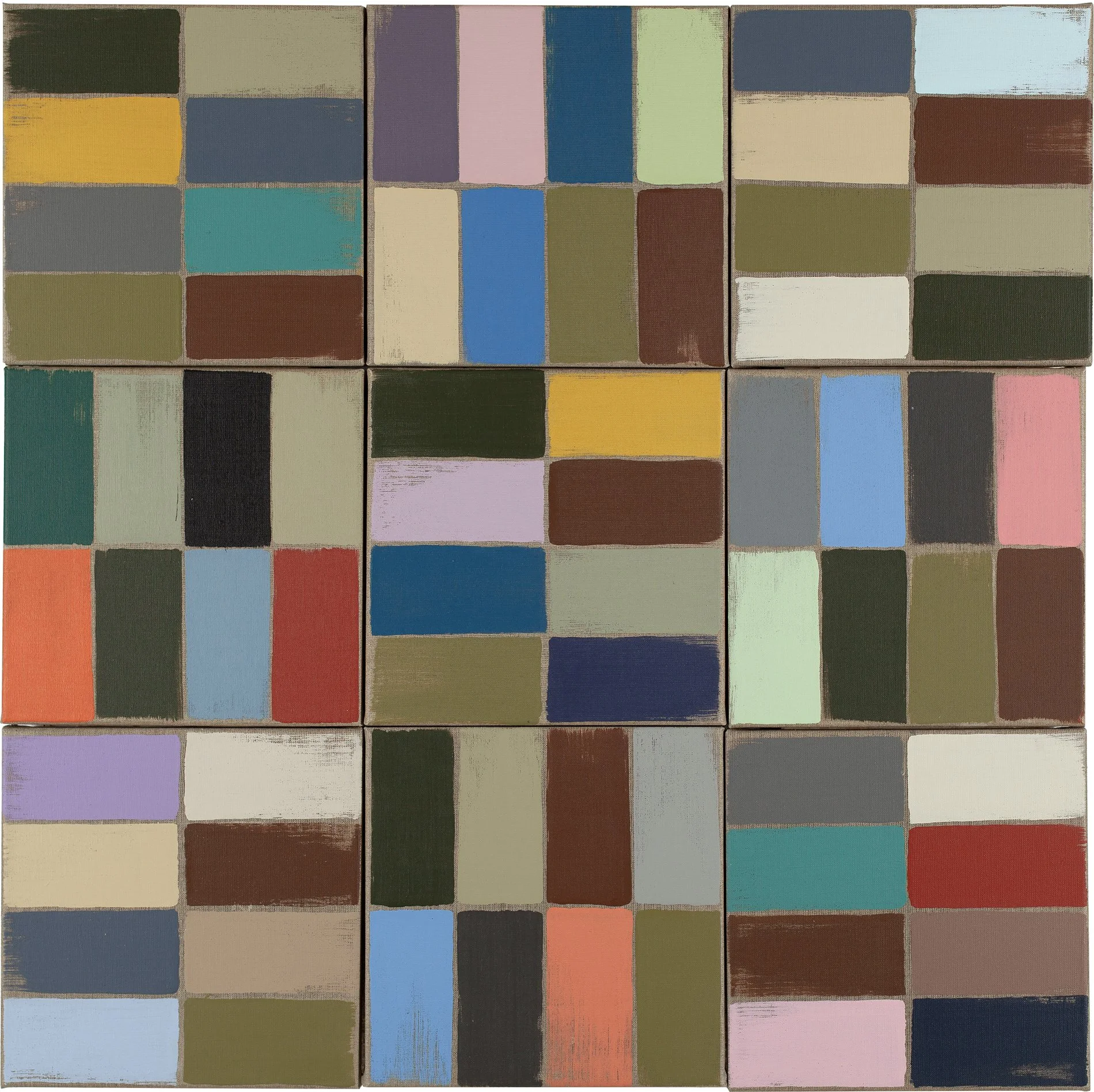
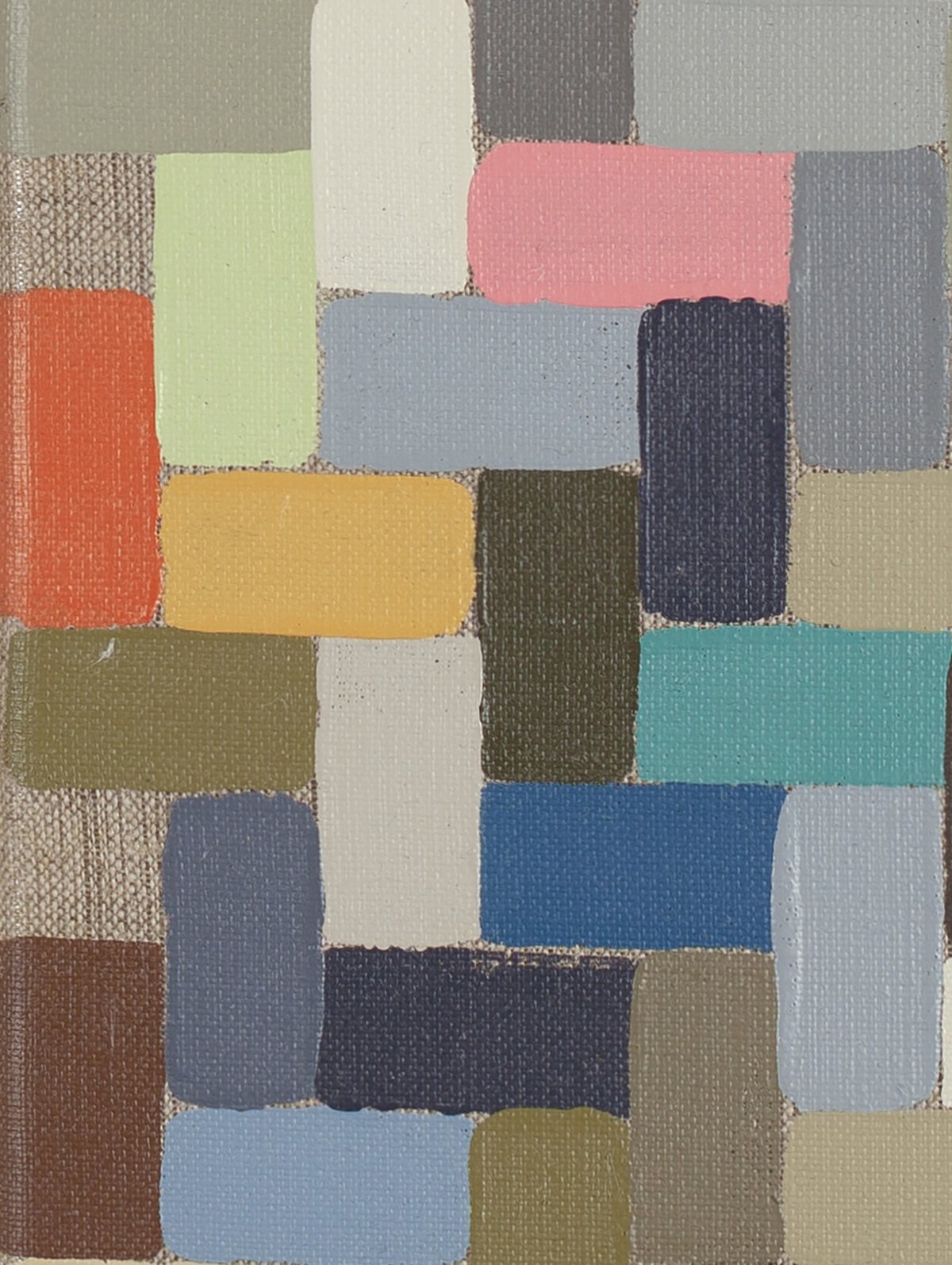
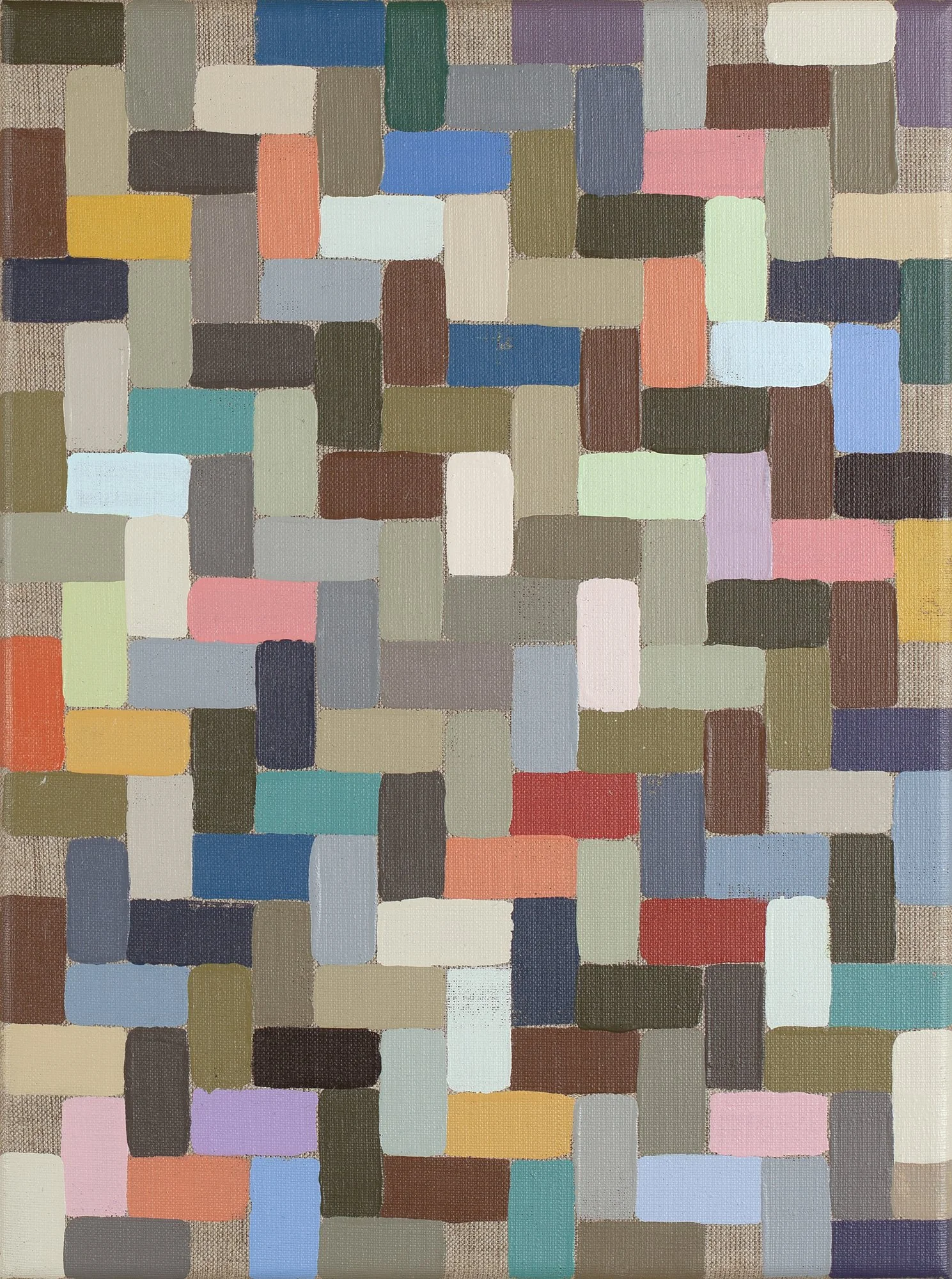
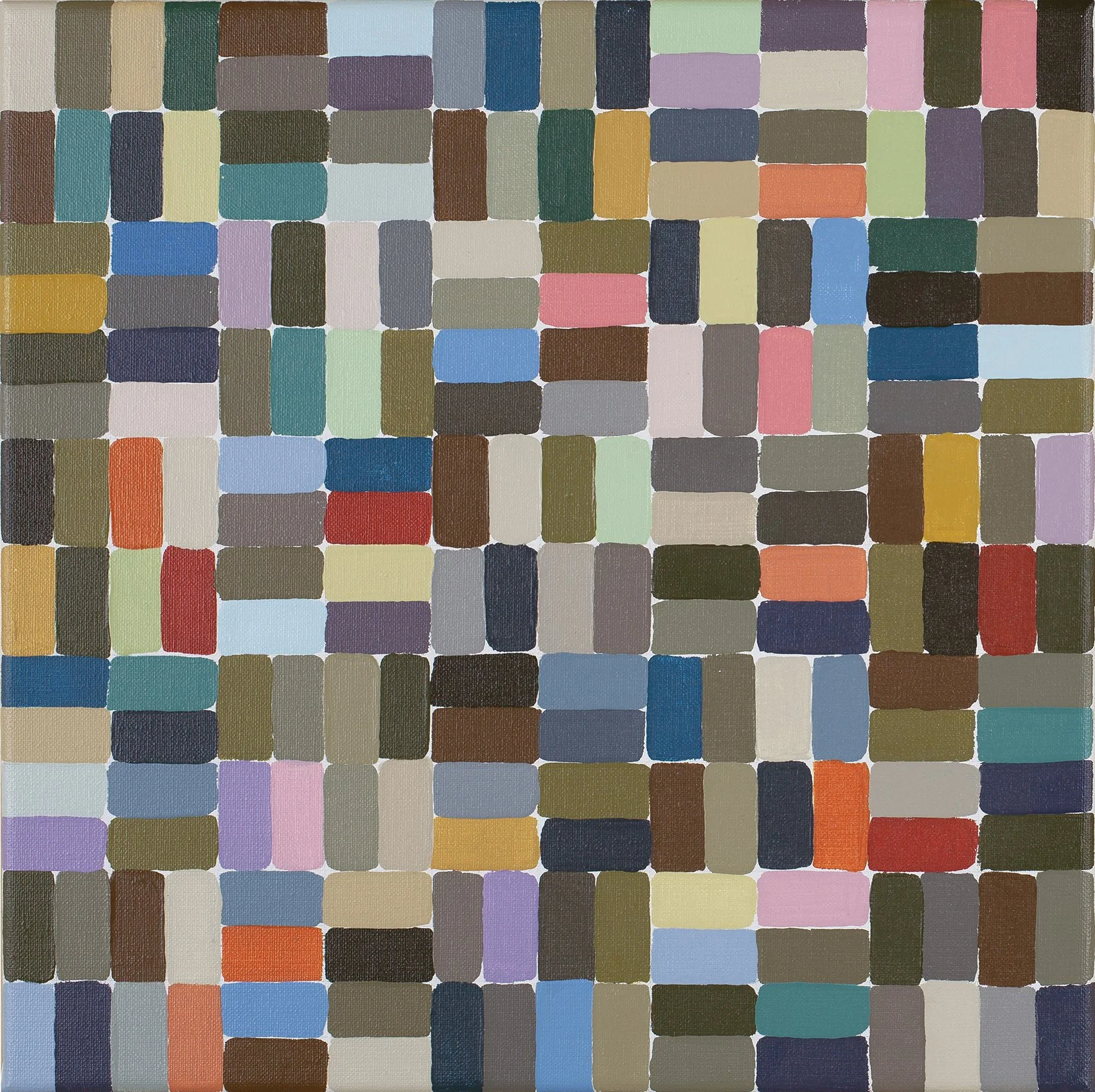
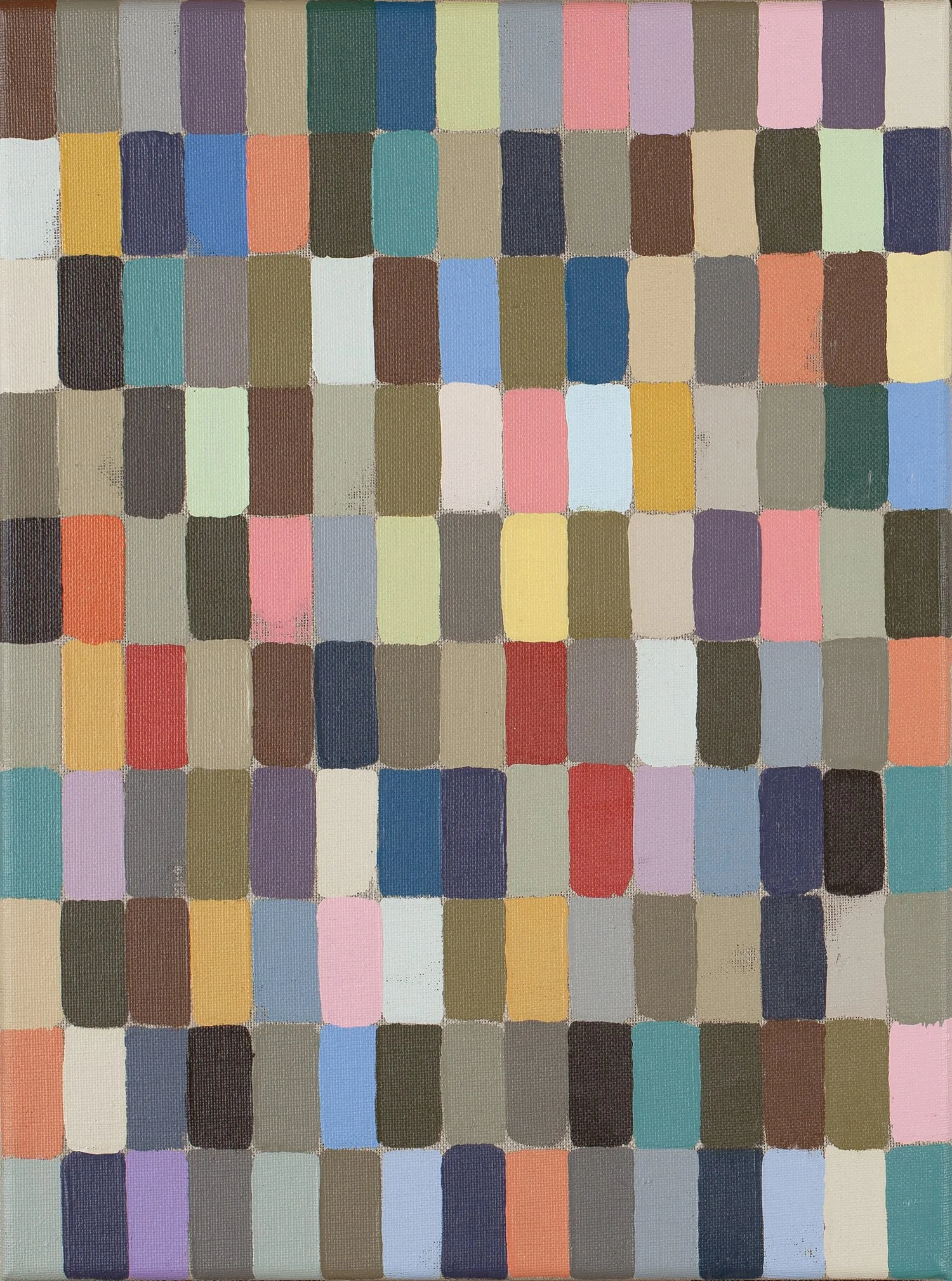
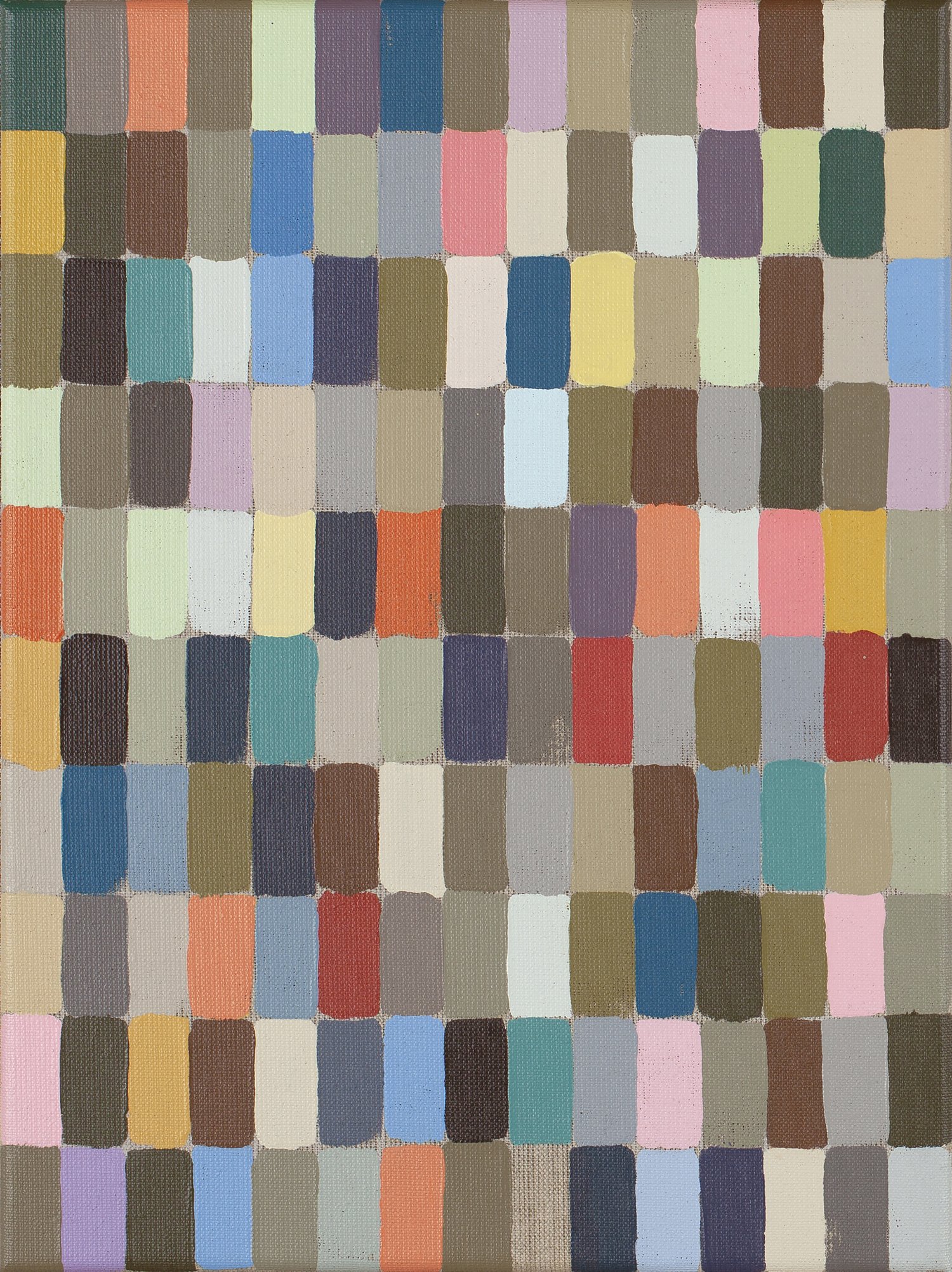
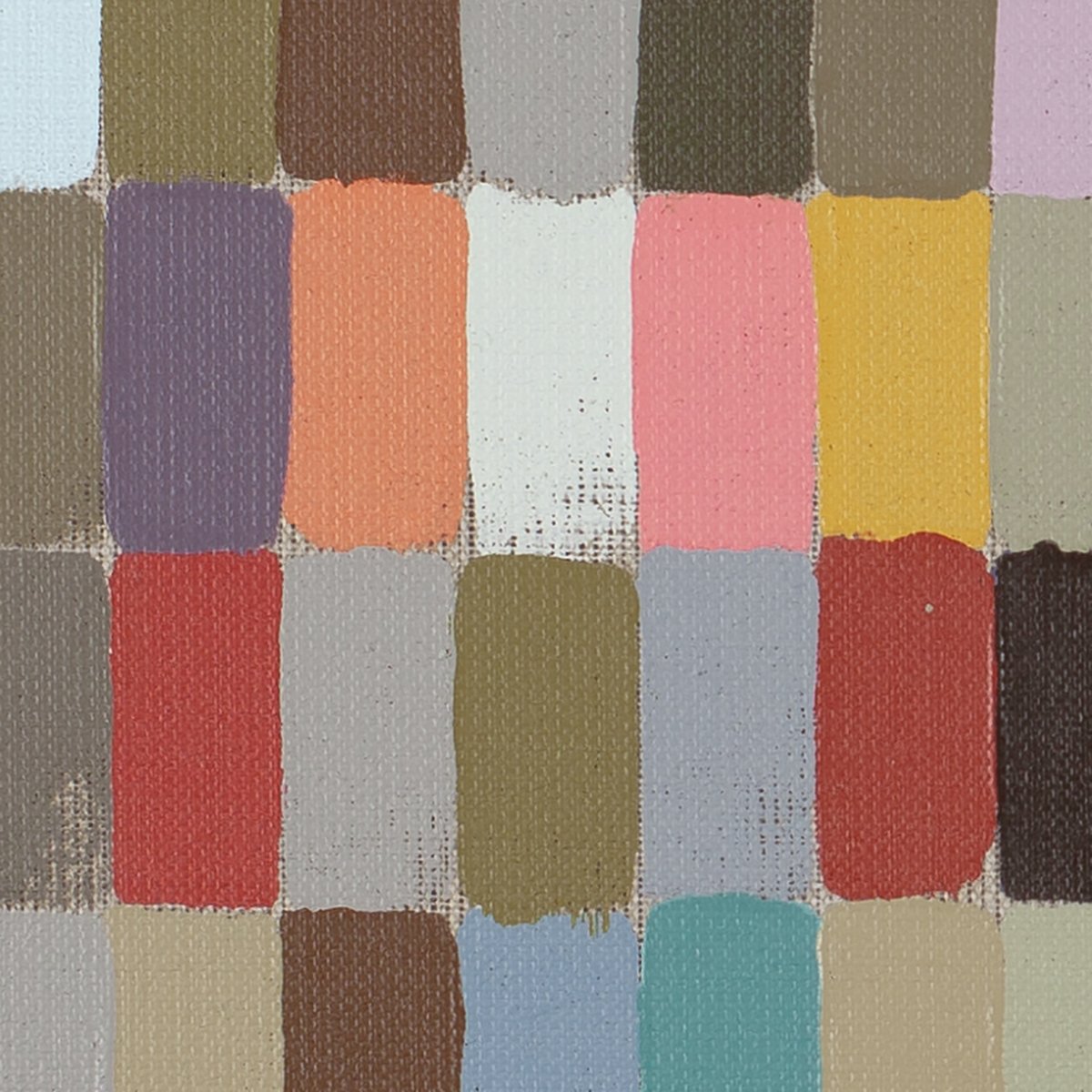
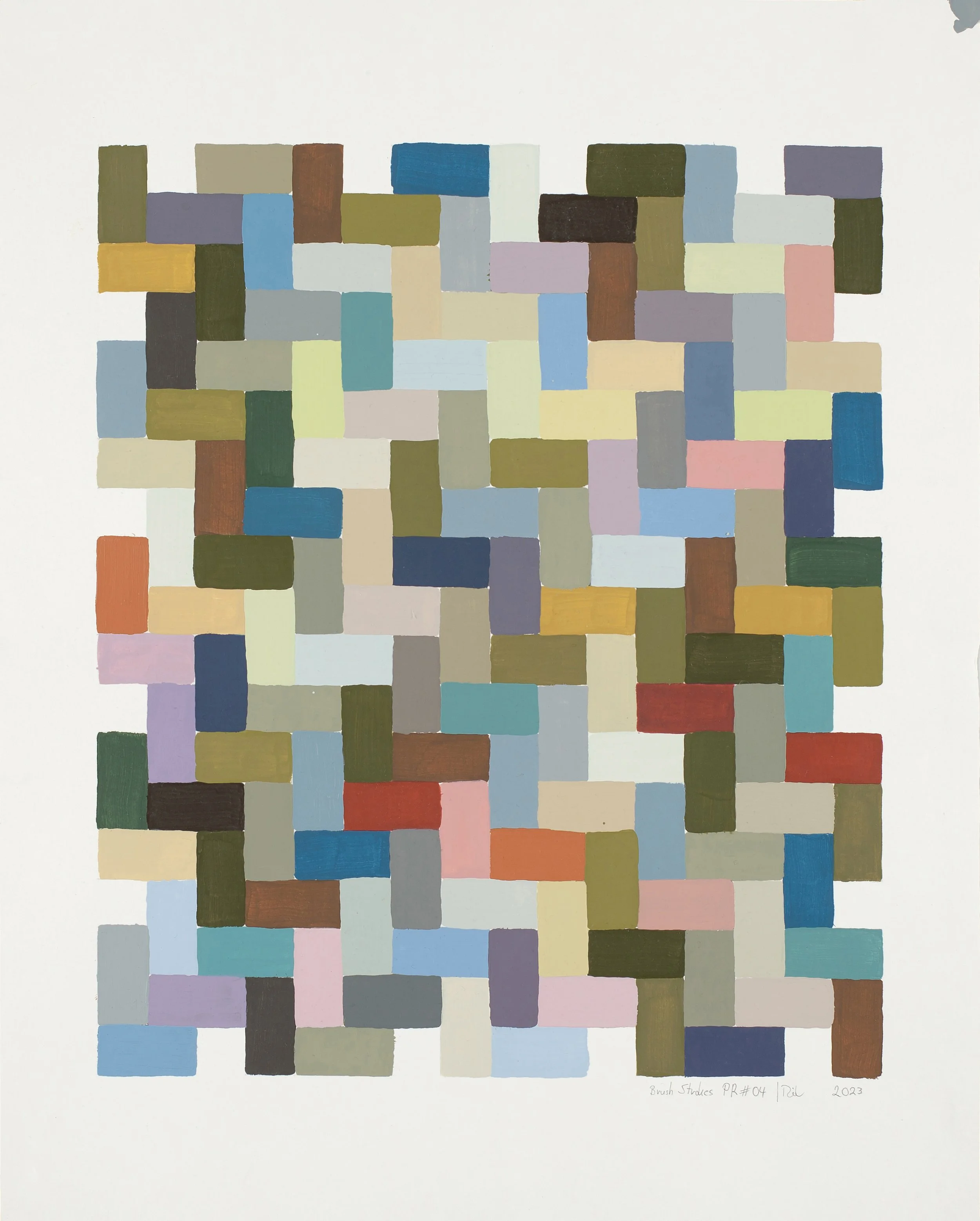
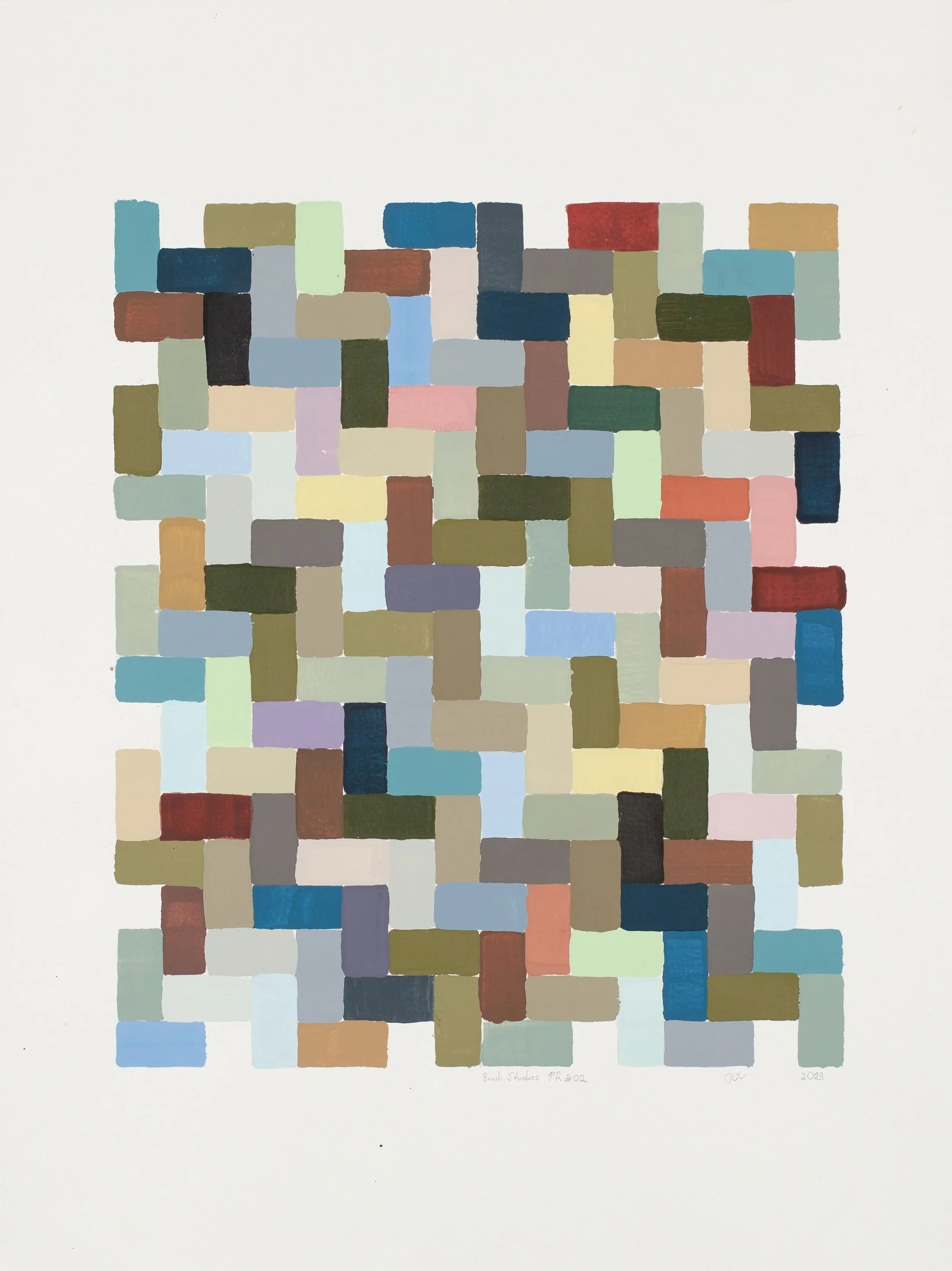
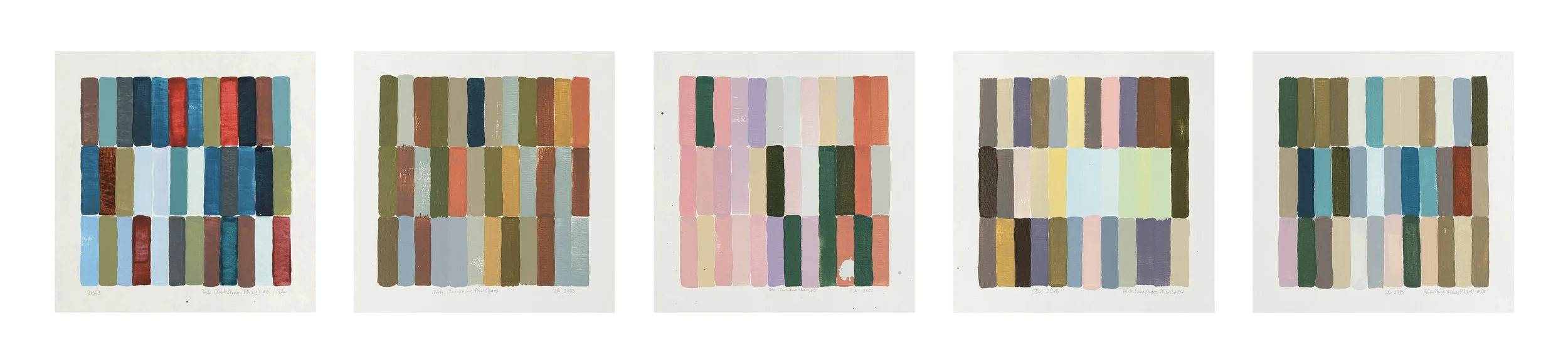
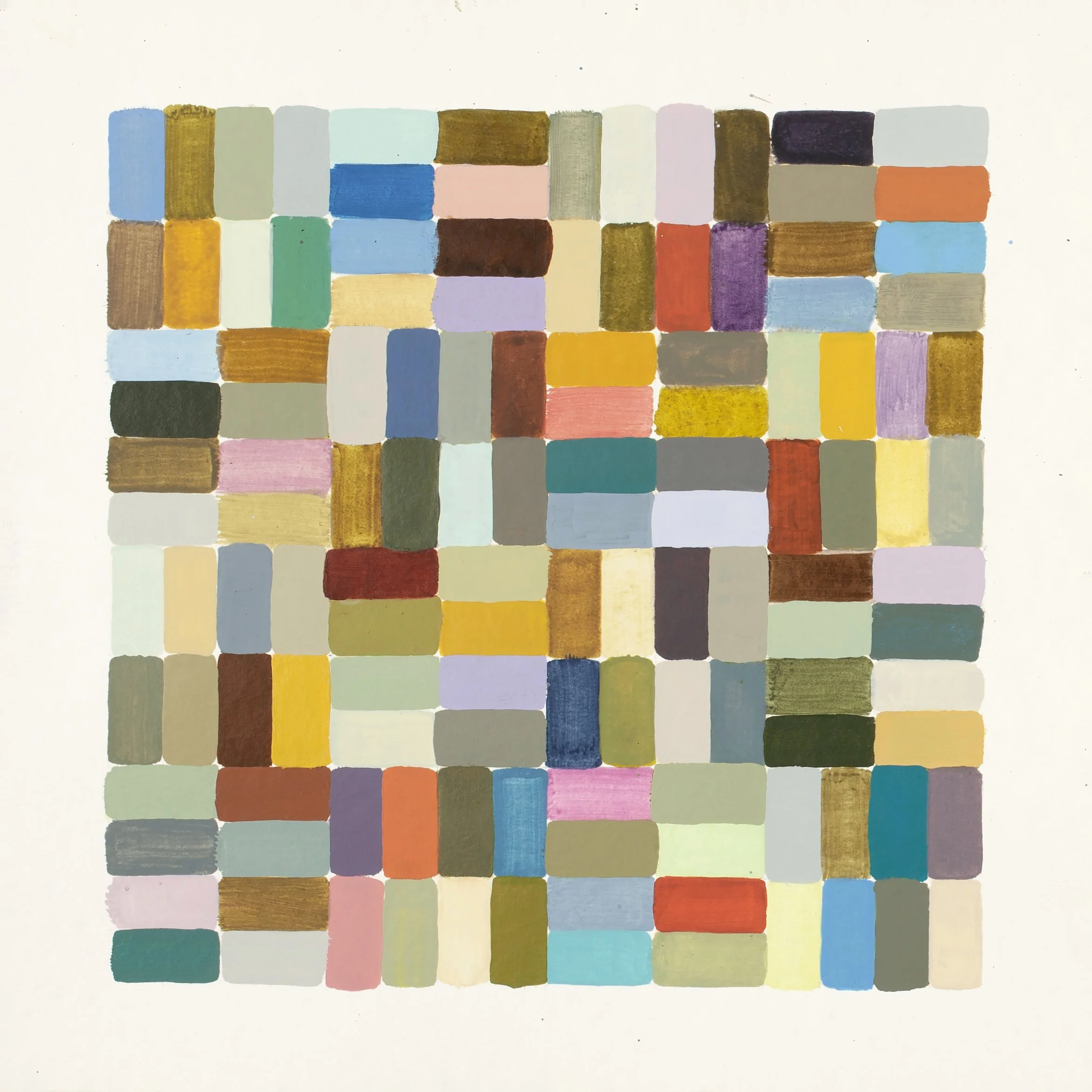
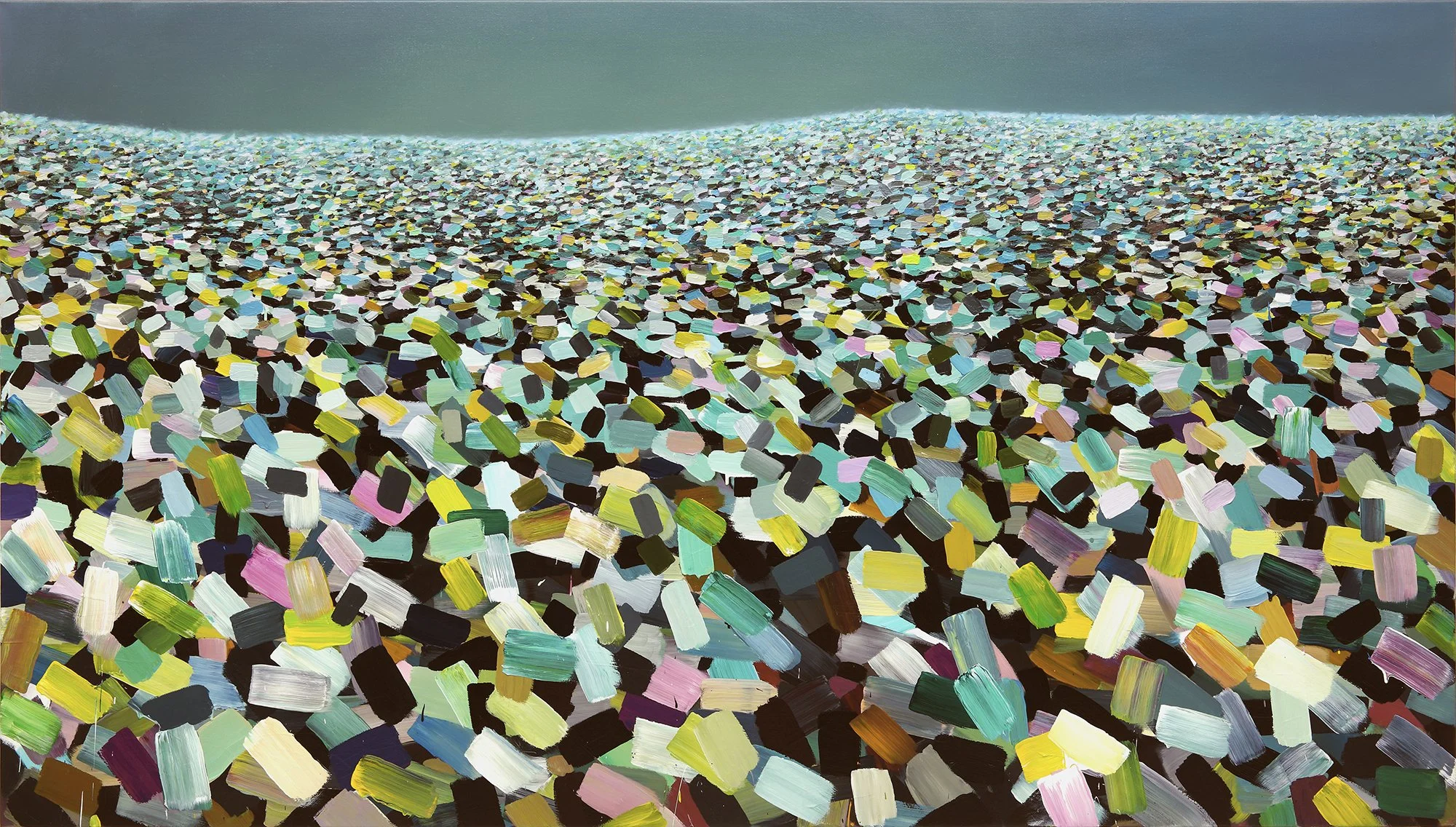
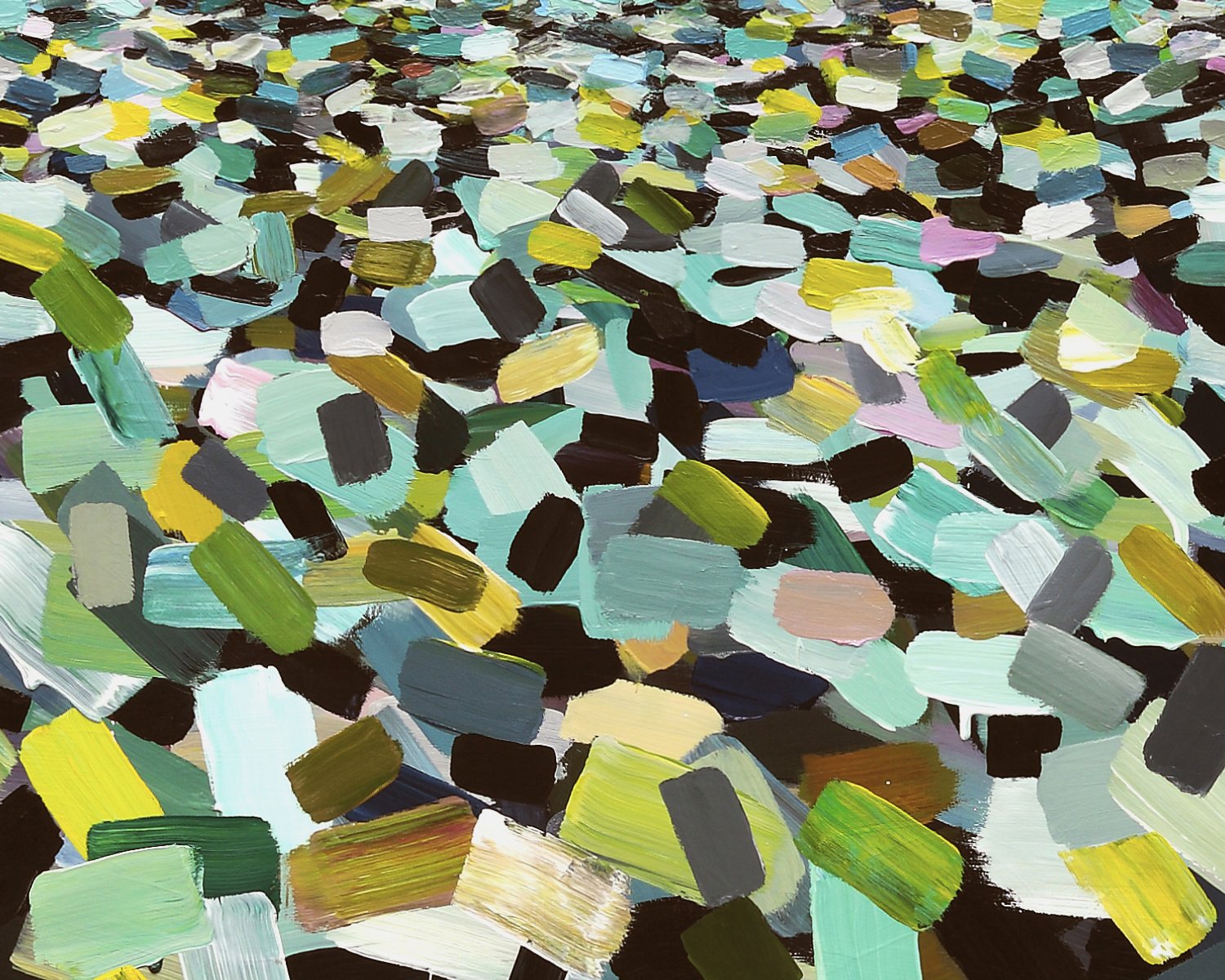
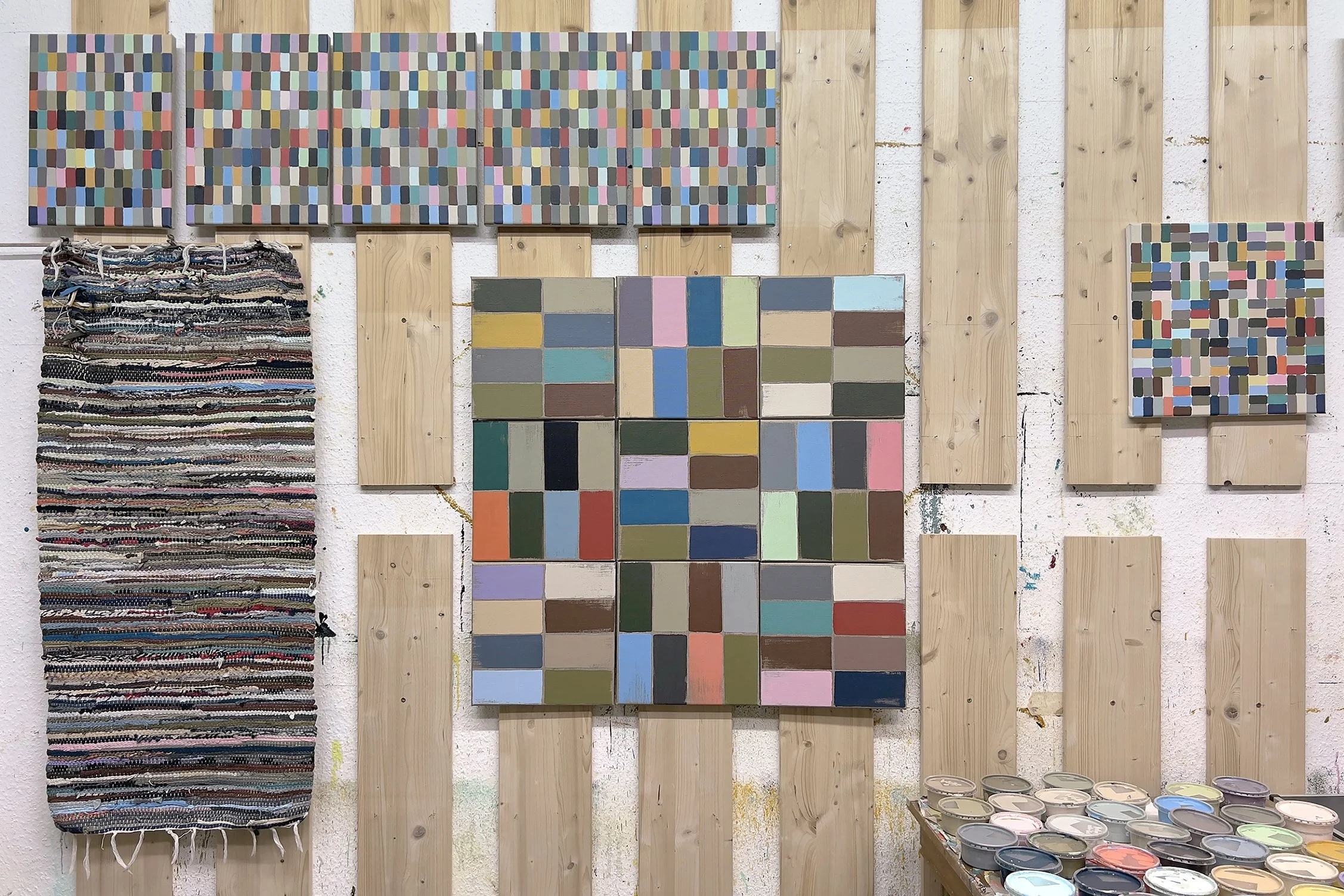
The “PR” in the titles of my current paintings from the “BRUSHSTROKES PR” series stands for “Patchwork Rug“. A few years ago, I discovered the beautiful color combination of my patchwork rug and began working with these colors in my paintings from the “BRUSHSTROKES“ series. I have been working on this series for several years now.
And many ideas for future works also arise while I’m working on current paintings. Often, during the creative process, I discover new connections and possibilities that, in turn, give rise to new directions. It’s a constant cycle of observing and creating, of making and discovering, in which one thing leads to another.
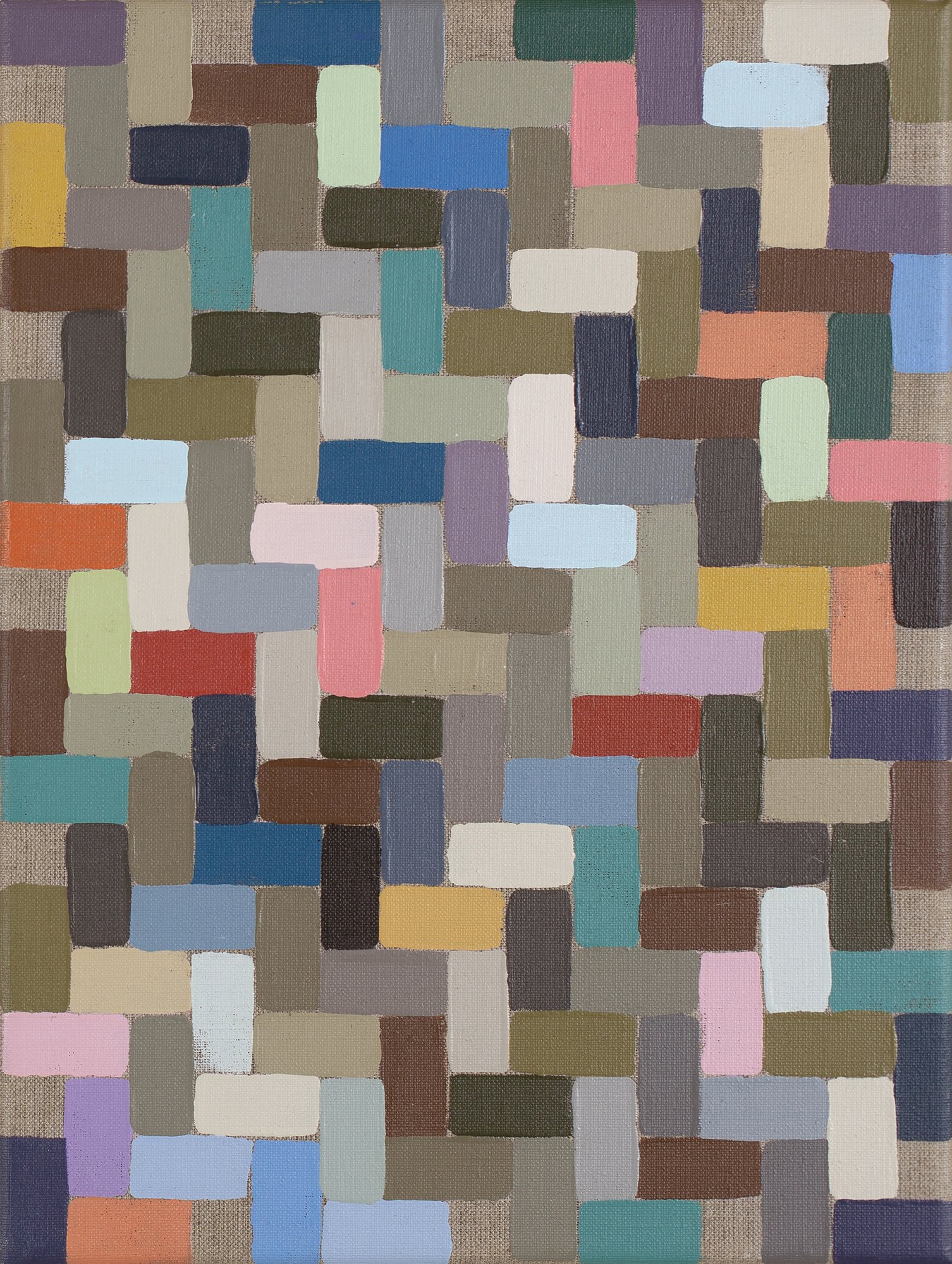
For example, the “BRUSHSTROKE PALETTES“ were originally just a means to an end and were used solely to determine colors for other paintings. Then I recognized the independence and lightness of these unintentionally created compositions, and what had once been “aids” became a distinct body of work in its own right. This led to the creation of large-format canvases and numerous series of brushstrokes on paper, in which I explore the diverse possibilities of color overlays, layering, and sequences.
Can you speak about your process?
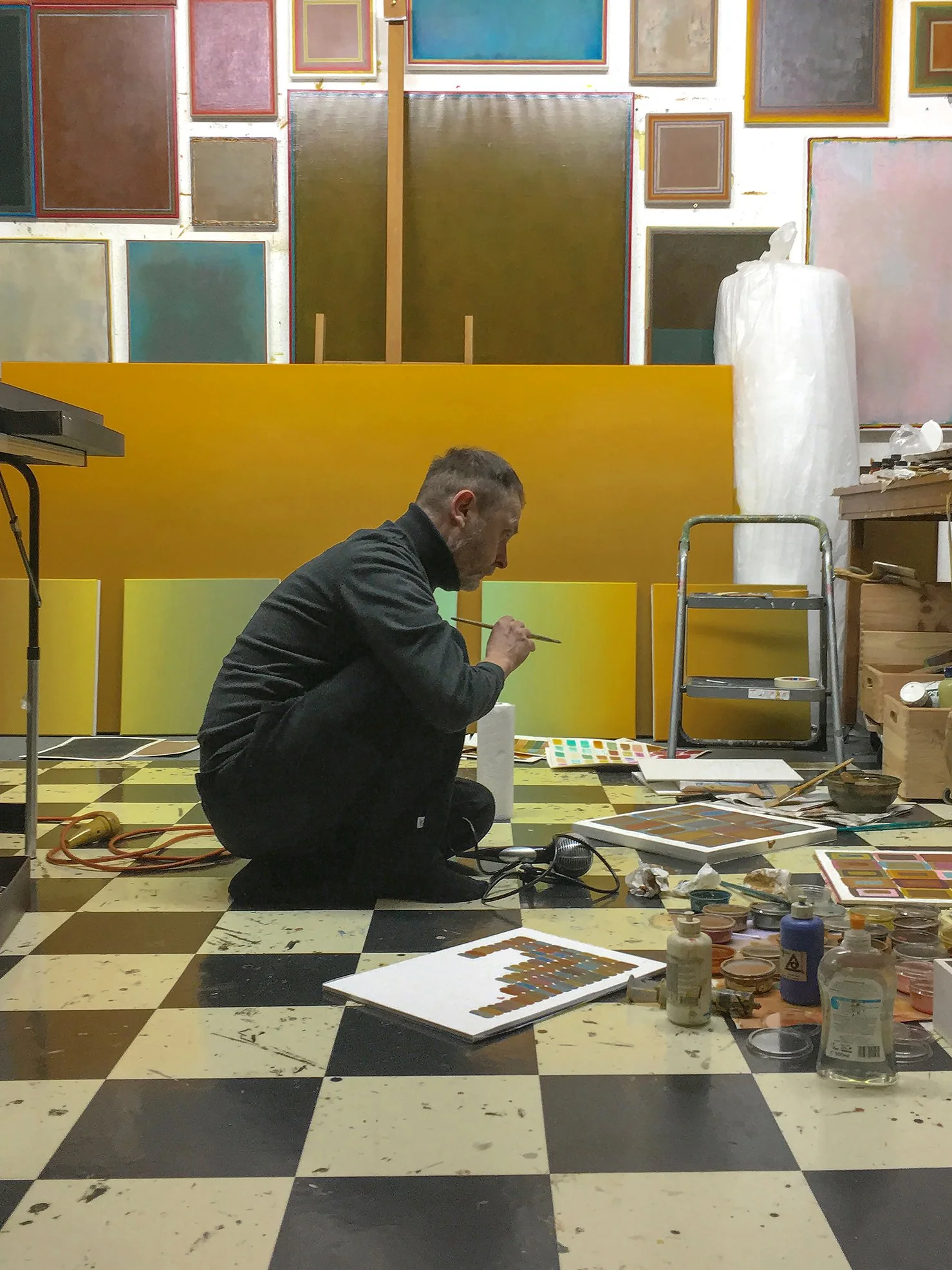
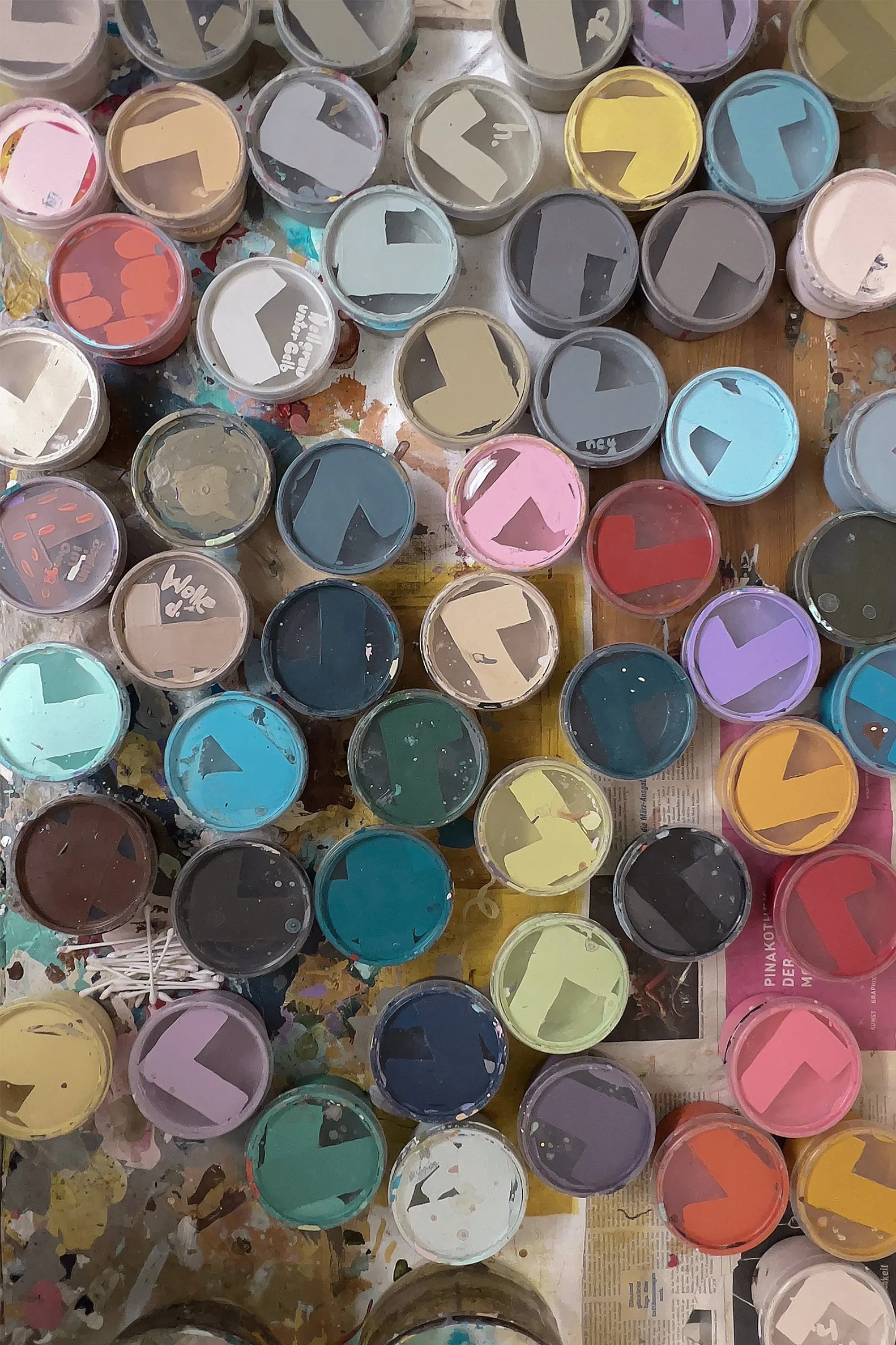
For my current series, “BRUSHSTROKES PR“, for which I use the color palette of my patchwork rug, I first mix the individual colors. I am captivated by the fascinating color palette—likely the result of chance—of this rug, which was made somewhere in the world from old textiles and fabric scraps that, in turn, came from somewhere in the world. And because it is precisely these colors that fascinate me, it is important to me to recreate them as accurately as possible. This work—in this case, about 70 different shades—can take one to two weeks.
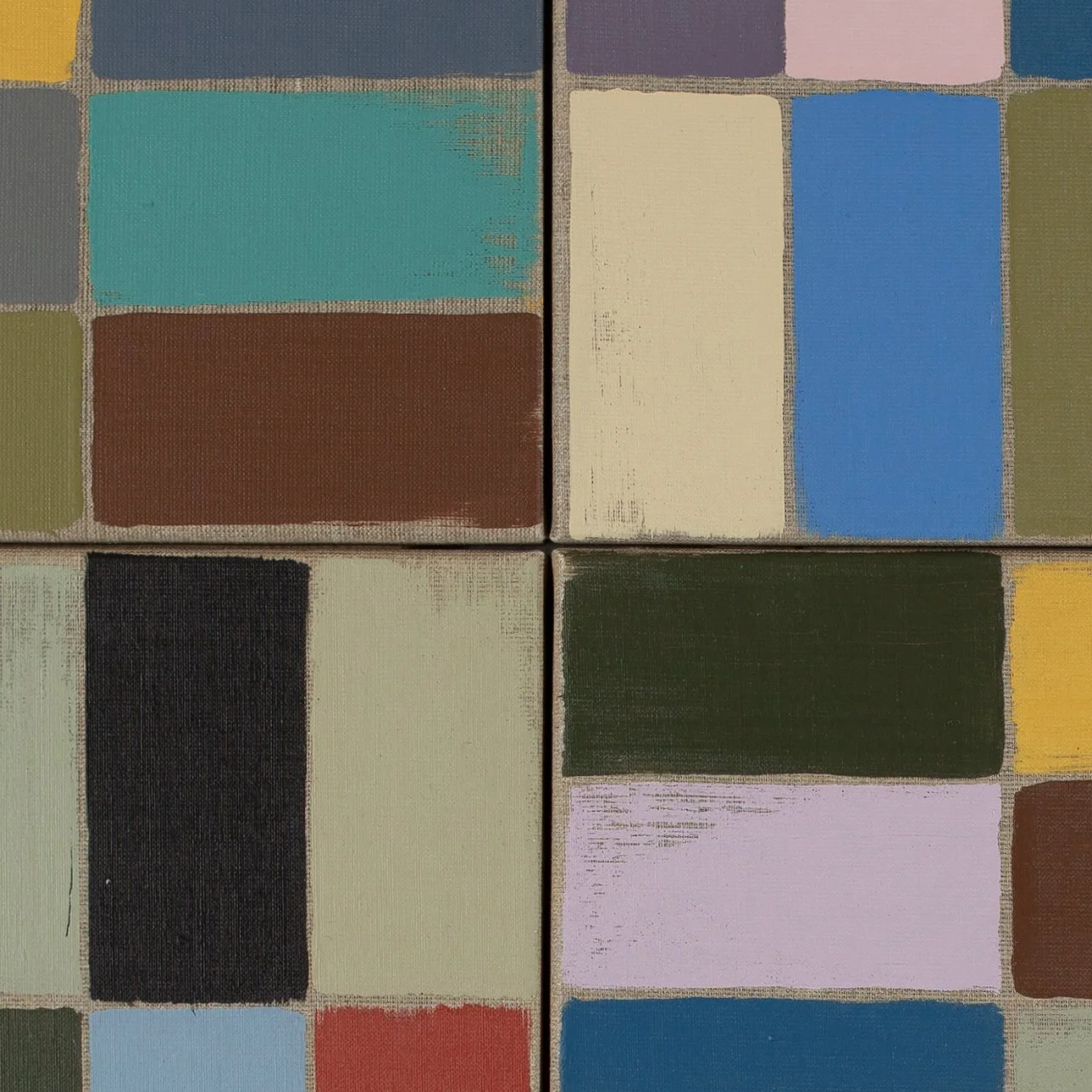
When painting, I try to explore new color compositions using a relatively small number of color fields—individual brushstrokes—compared to the patchwork rug, and arranging them in specific patterns. My latest works consist of several square canvases measuring 30 × 30 cm. During the painting process, these individual modules can also be rotated and swapped with one another, allowing for ever-changing arrangements and color constellations.
How did you become interested in art?
Art was never really a topic of conversation in our home. It wasn’t until I was in my early 20s that I stumbled upon art, rather by chance and with some hesitation. One day, I sat down in the kitchen and spent hours meticulously sketching my old motorcycle jacket. I’ve never done anything like that before, nor have I done it since. To this day, I can't say where that impulse came from, but that was the beginning of my artistic career.
After that, I took painting classes and kept applying to art schools. Even when I was already a student at the “Hochschule der Künste Berlin“, the whole thing still seemed a bit suspicious to me. I would say that my artistic development mainly took place after I graduated from art school, when I developed a photorealistic painting style and expanded my range of themes and subjects.
What has always given me joy is working with paint or colored materials. My father was a carpenter, and in his workshop there were several sample collections of small, colorful wood veneers in various colors and finishes. As alittle boy, my greatest joy was playing with these color charts, rearrangingthem over and over again, and discovering new compositions in the process.
Sometimes, when I’m working on my current paintings, I feel a little bit like that again.
Do you have any favorite artists, movies, books, or quotes?
Some of my favorite artists include, for example, Tomma Abts, Milton Avery, Helen Frankenthaler, František Kupka, Joan Mitchell, Gabriele Münter, Gerhard Richter, Sean Scully, Wayne Thiebaud, Félix Vallotton, Vincent van Gogh, Édouard Vuillard, and others.
When it comes to books, I was captivated by the spiritual works of the American author Jane Roberts. The book The Choice by American psychologist and Holocaust survivor Edith Eva Eger, which I read not too long ago, made a deep impression on me.
And I love music—to name just a few: Johann Sebastian Bach, Philip Glass, Terry Callier, The Band, The Clash, Paul Weller, The Who ... . And anyway, all that hippie stuff can put me in a state of pure bliss. My favorite musician is the Irishman Glen Hansard, who unfortunately died in an accident that summer. He was a fantastic musician, and a captivating force of nature on stage. Truly one of a kind. In my studio, there's a photo with a quote from him that helps me remember, every now and then, what really matters: “I choose to believe that there is good in people and that everything is a lesson. Our place on earth is to go deeper, to somehow get wiser. To have spirit.“
What advice do you have for younger artists?
Well, I think the artist Michael Craig-Martin offers us some very wise advice here:
“Trust yourself. Trust your own instincts. Pay attention to what it is that you are happy doing, that you’re good at. People take their gifts for granted because if something comes naturally to you, you assume that it’s natural to everybody. And you’re wrong. The things that are natural to you aren’t natural to anybody else. They are yours. ... The source of any kind of creative life is in coming to value the things that are truly your own. And then once you’ve found that, then my own example is persist.“ (Michael Craig-Martin, louisianachannel, excerpt from an interview in the “Advice to the Young” series)