Juanma Lorenzo
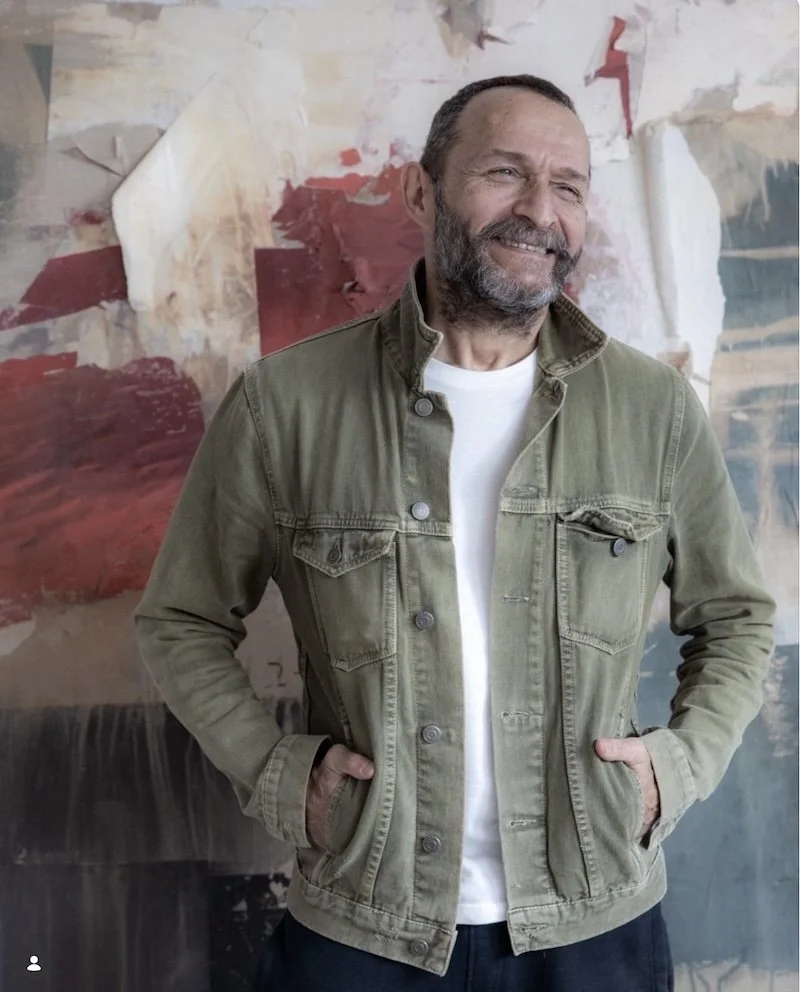
Tenerife , Canary Islands
Website
juanmanuellorenzo.com
Social Media
Instagram
How would you describe your work?
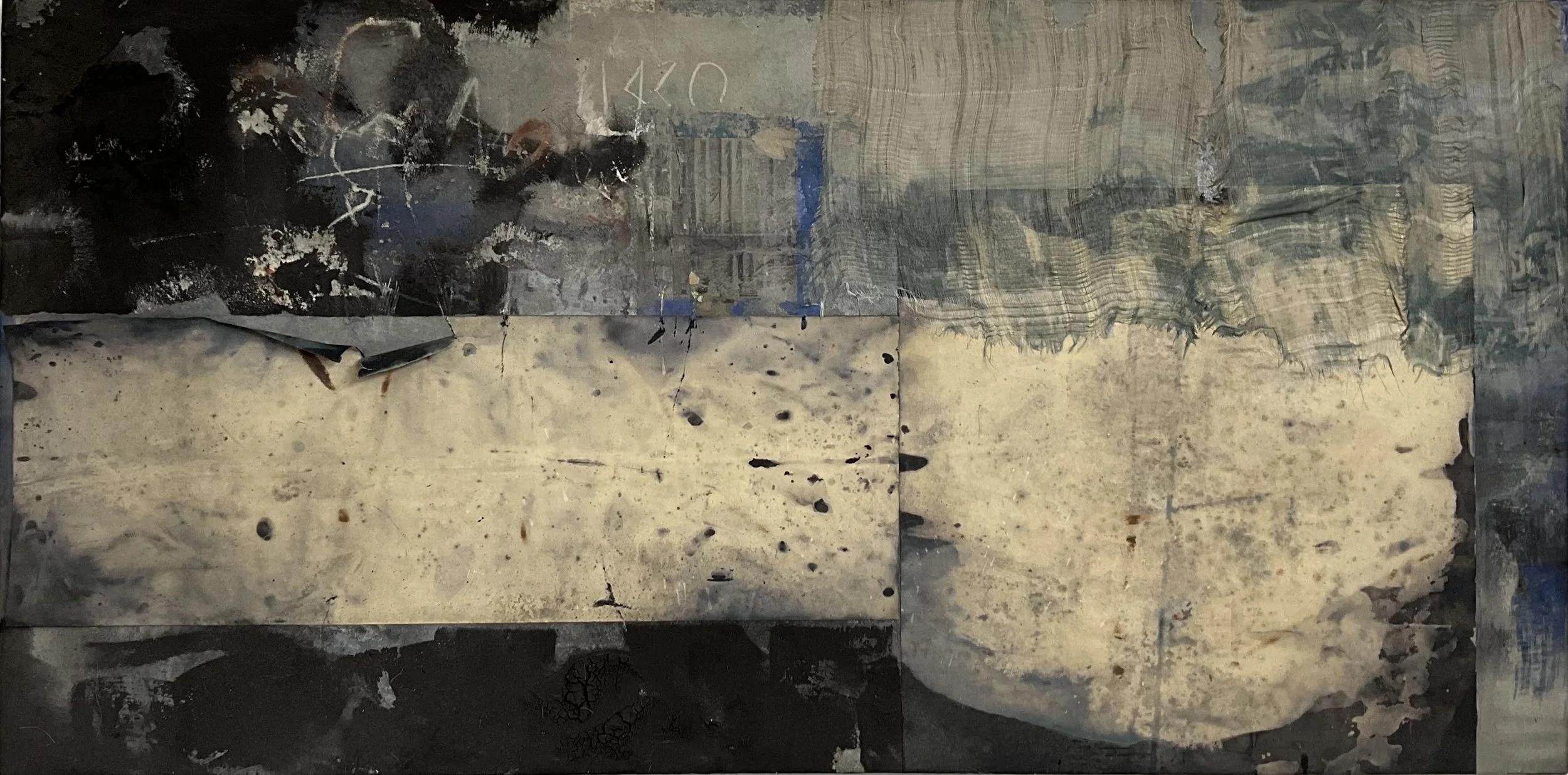
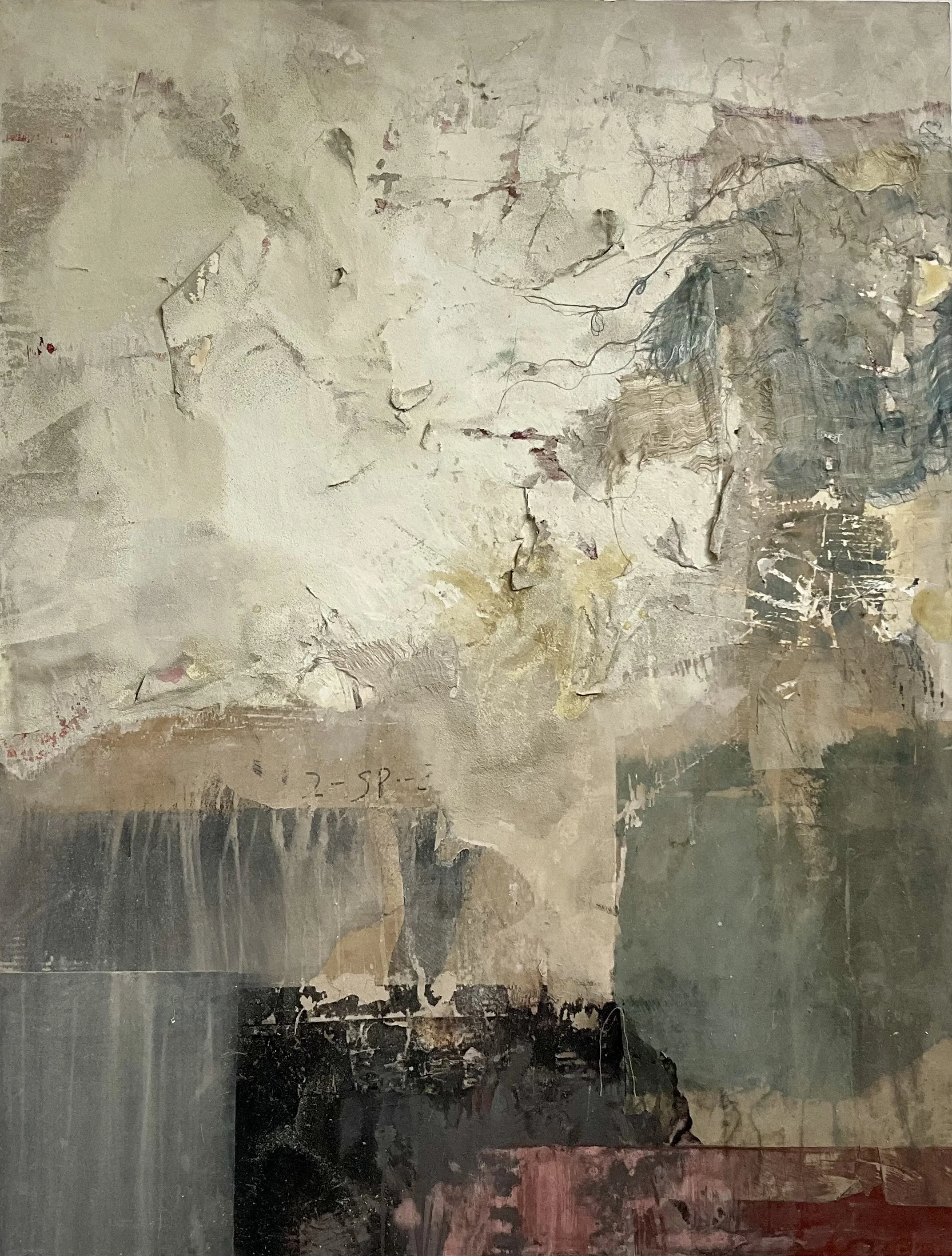
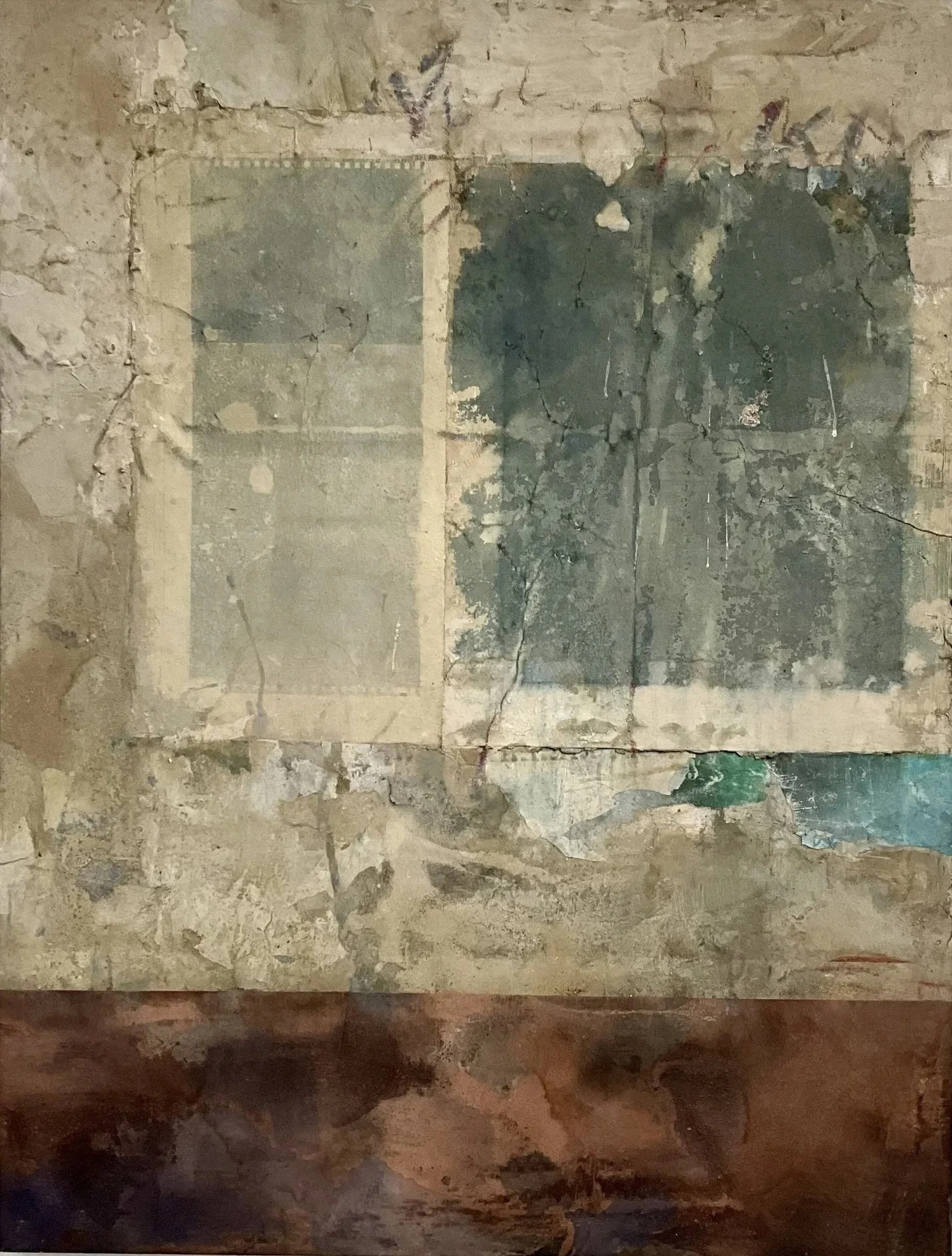
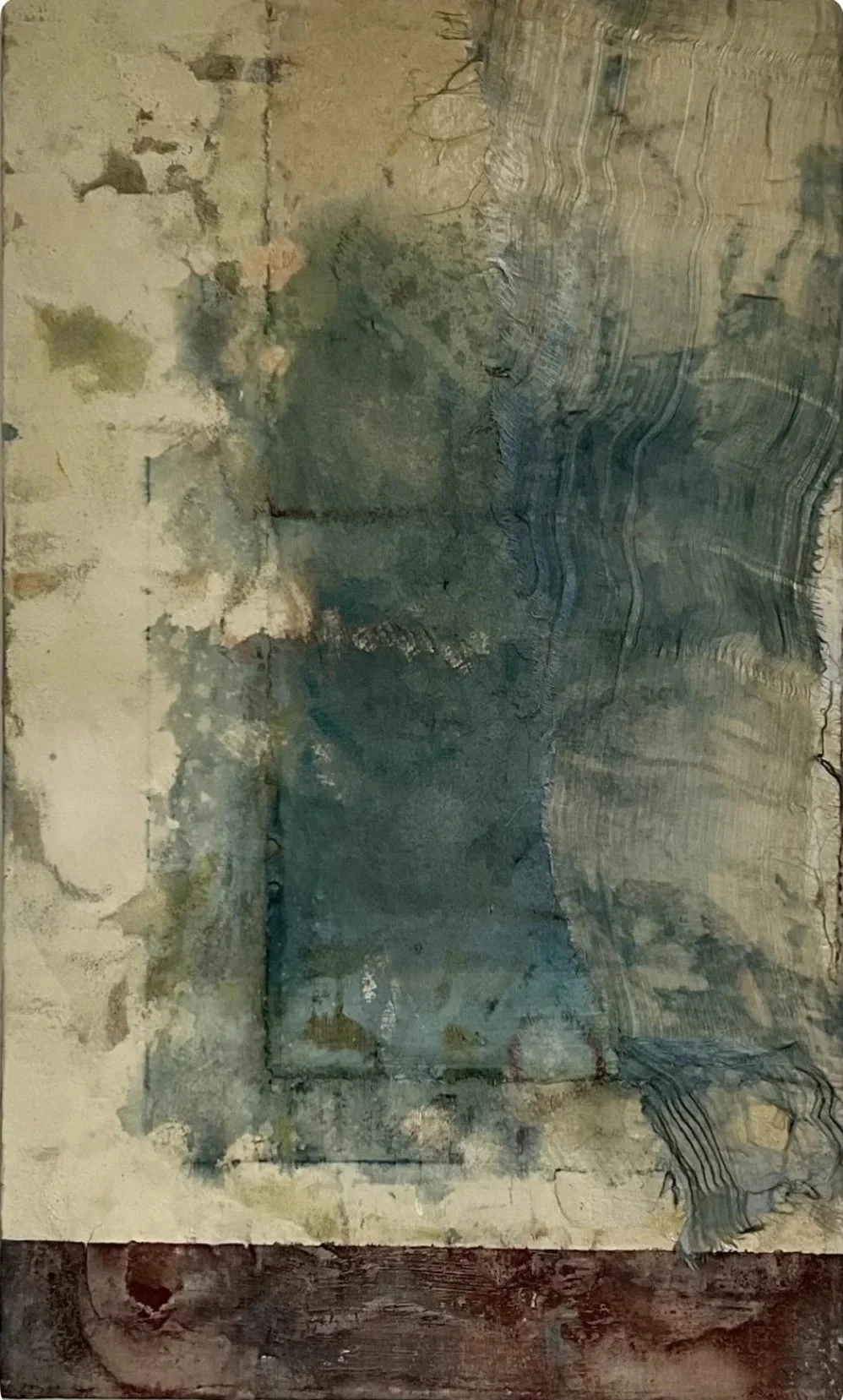
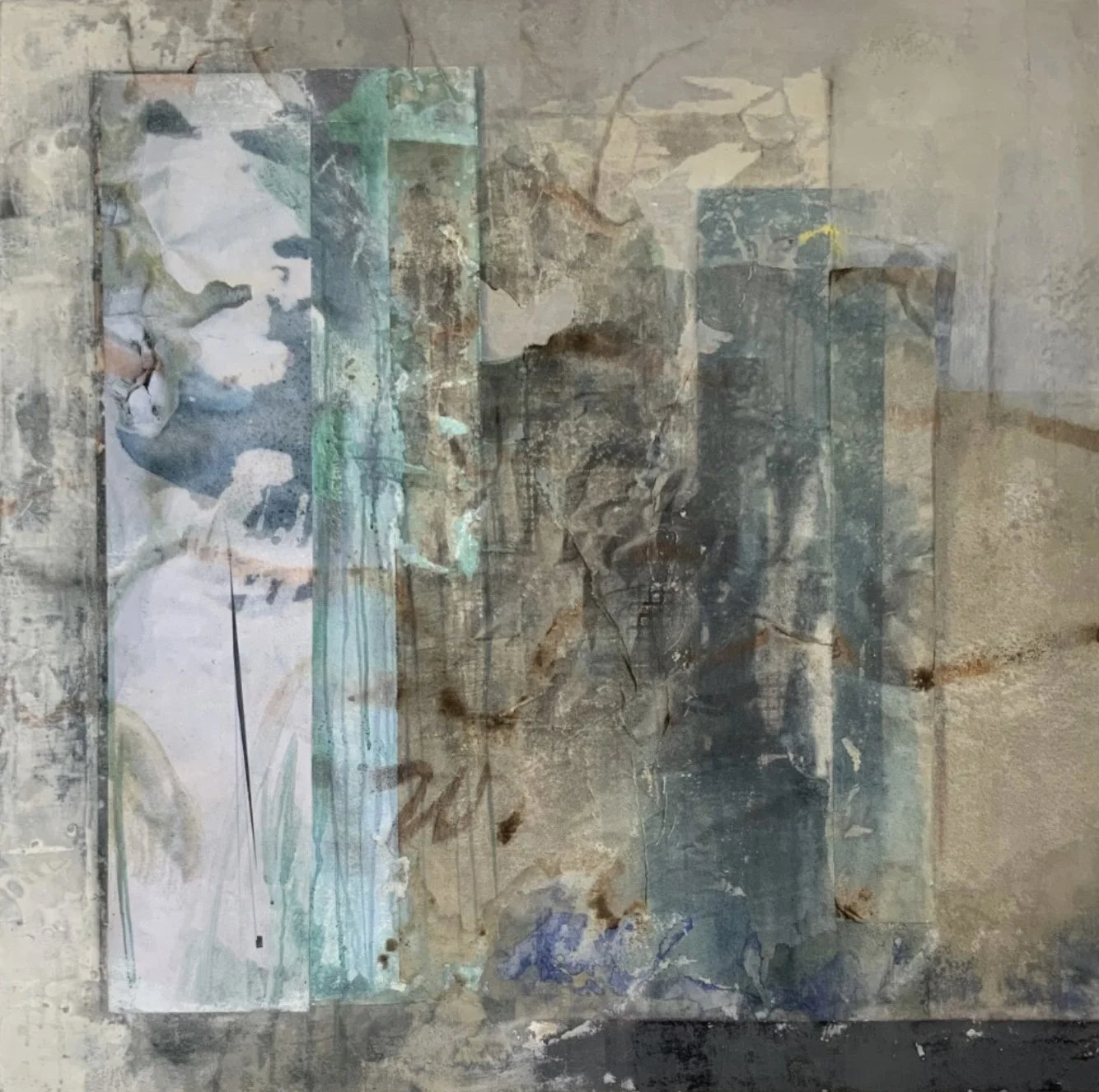
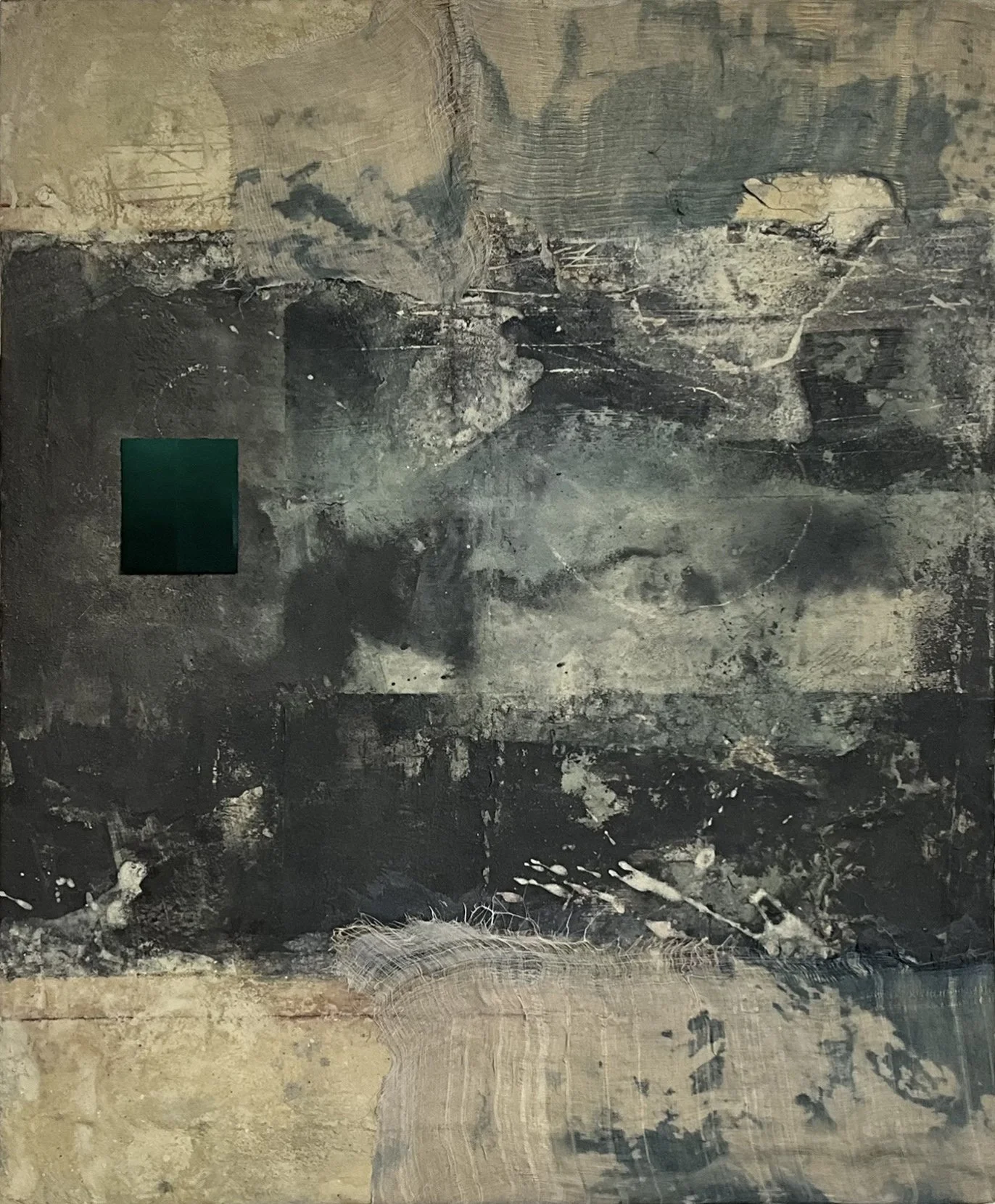
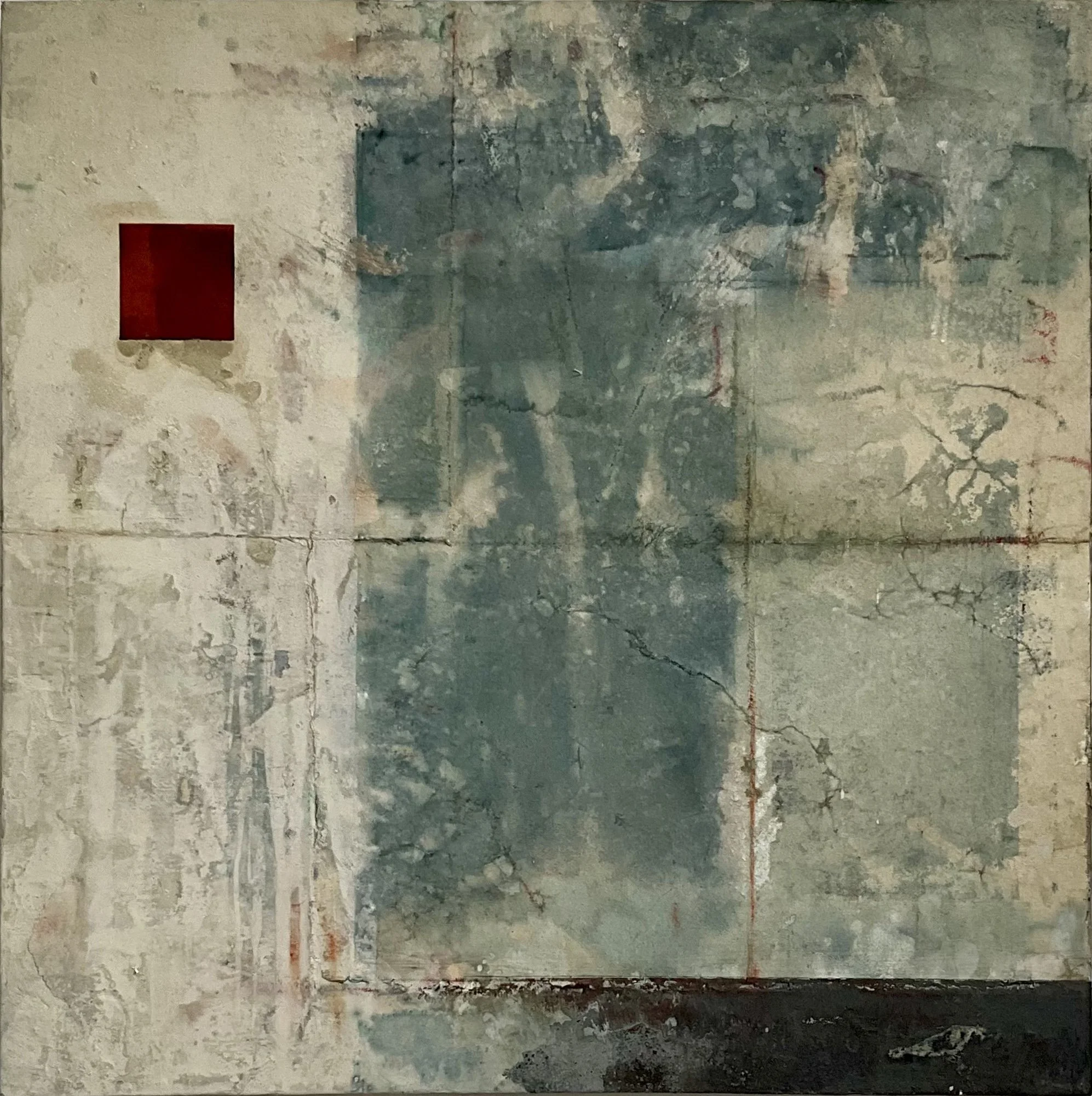
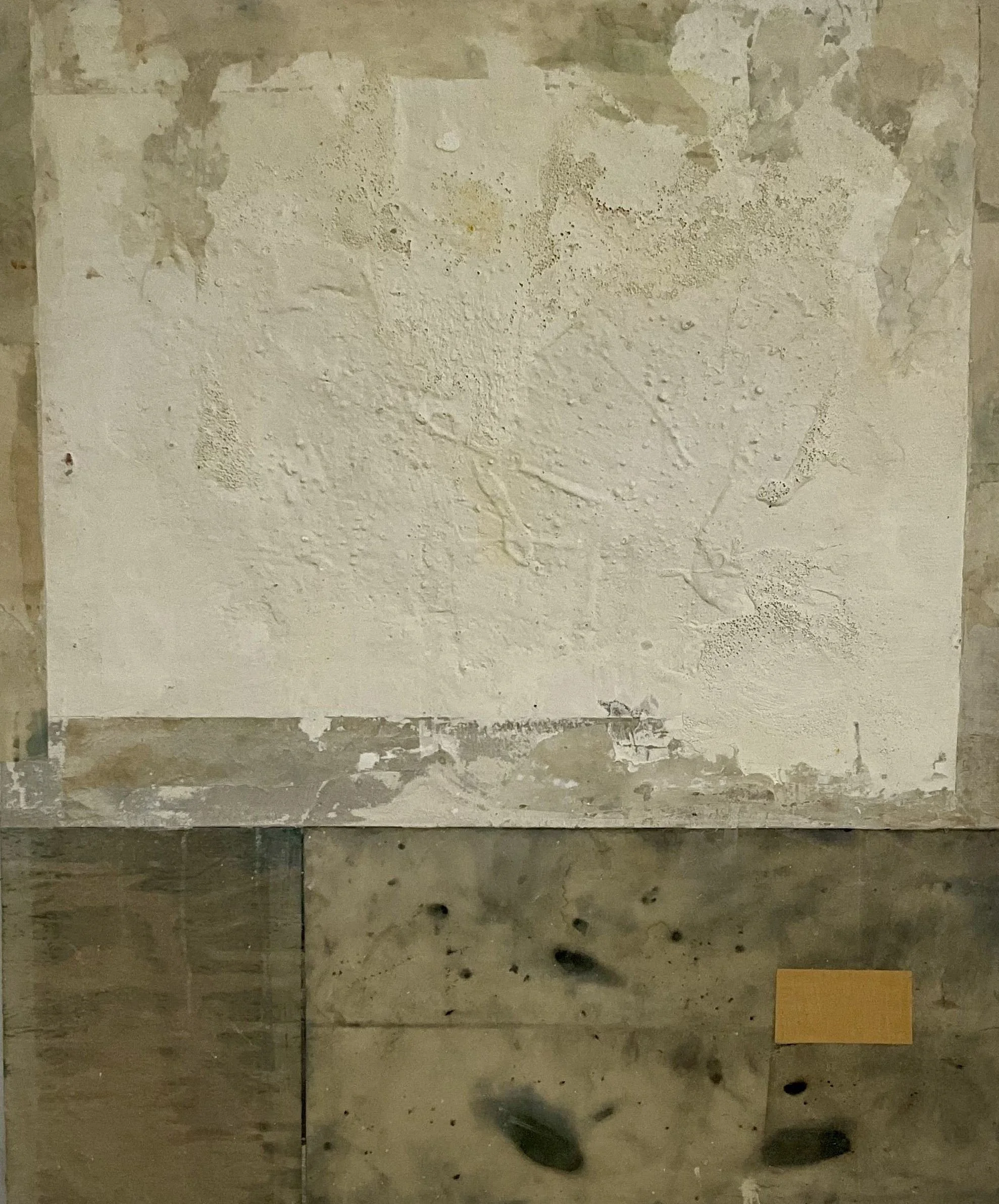
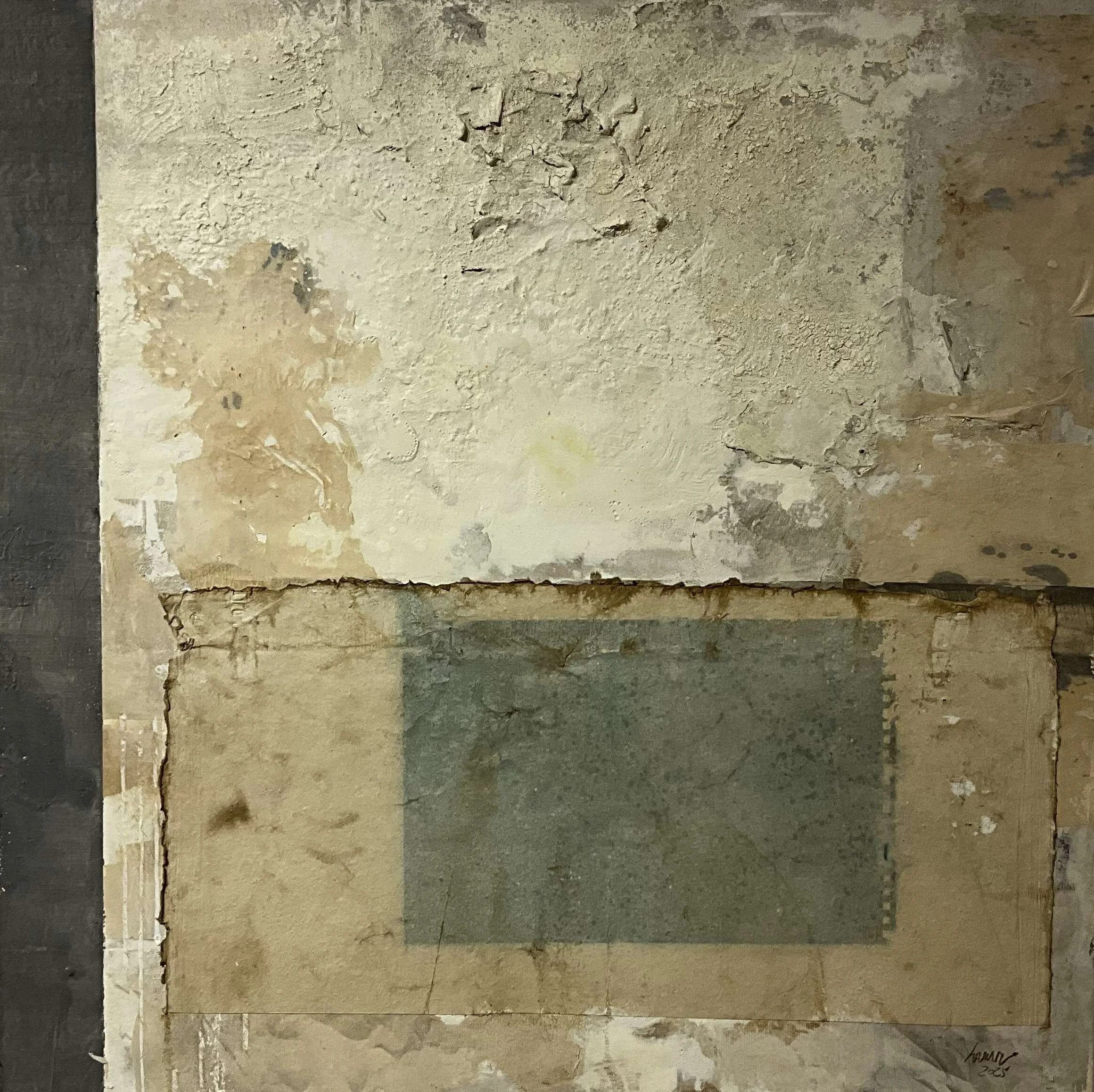
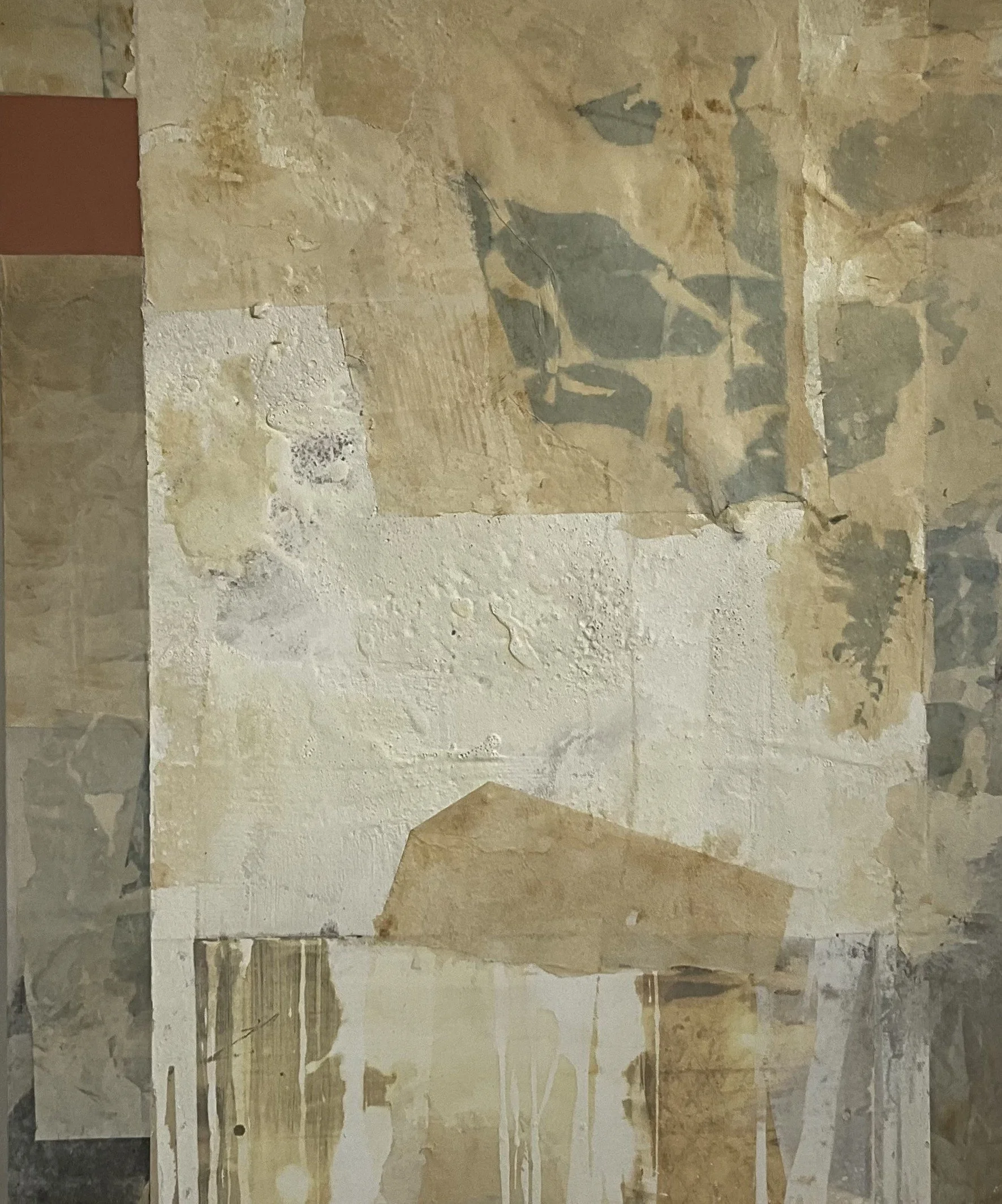
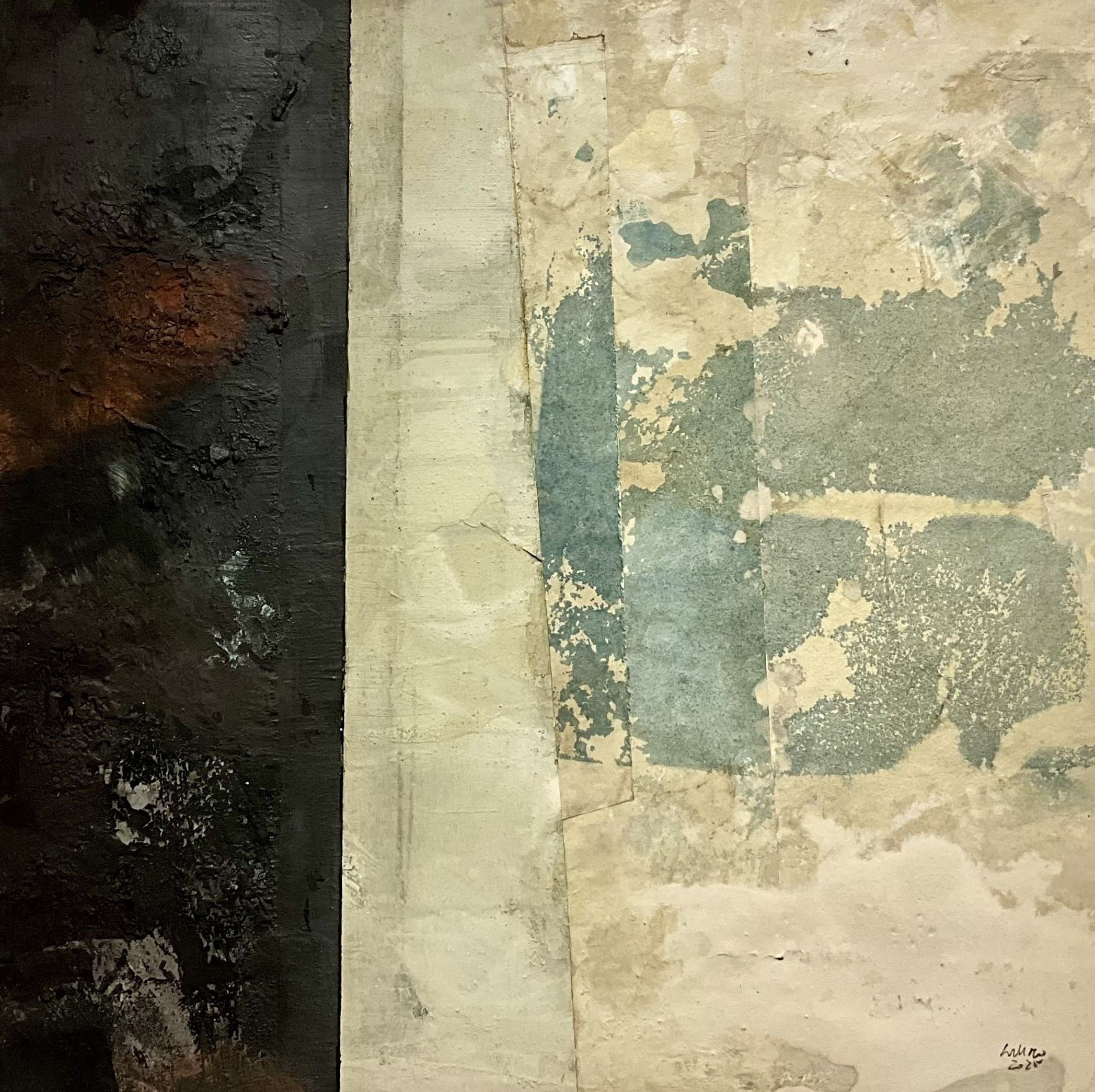
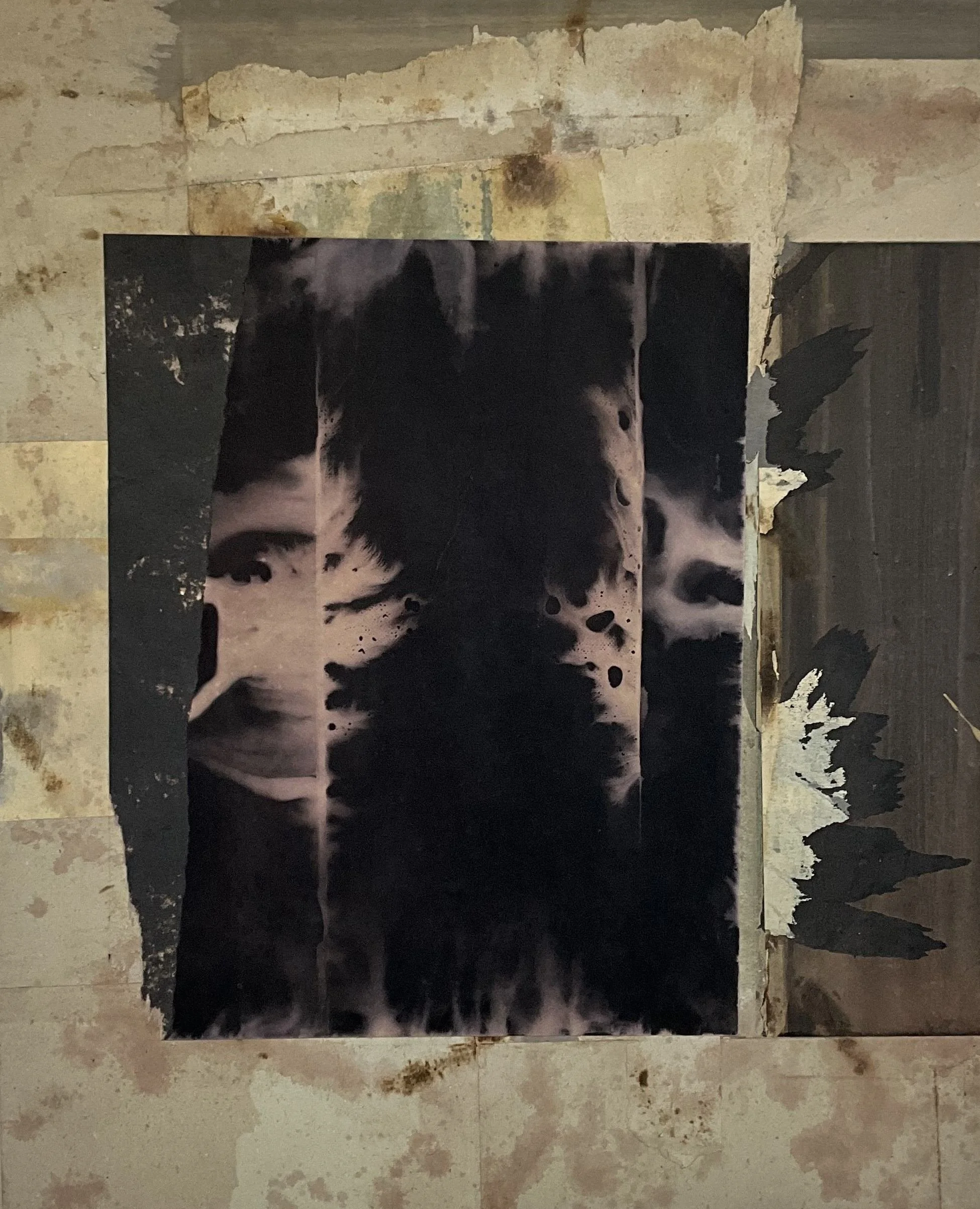
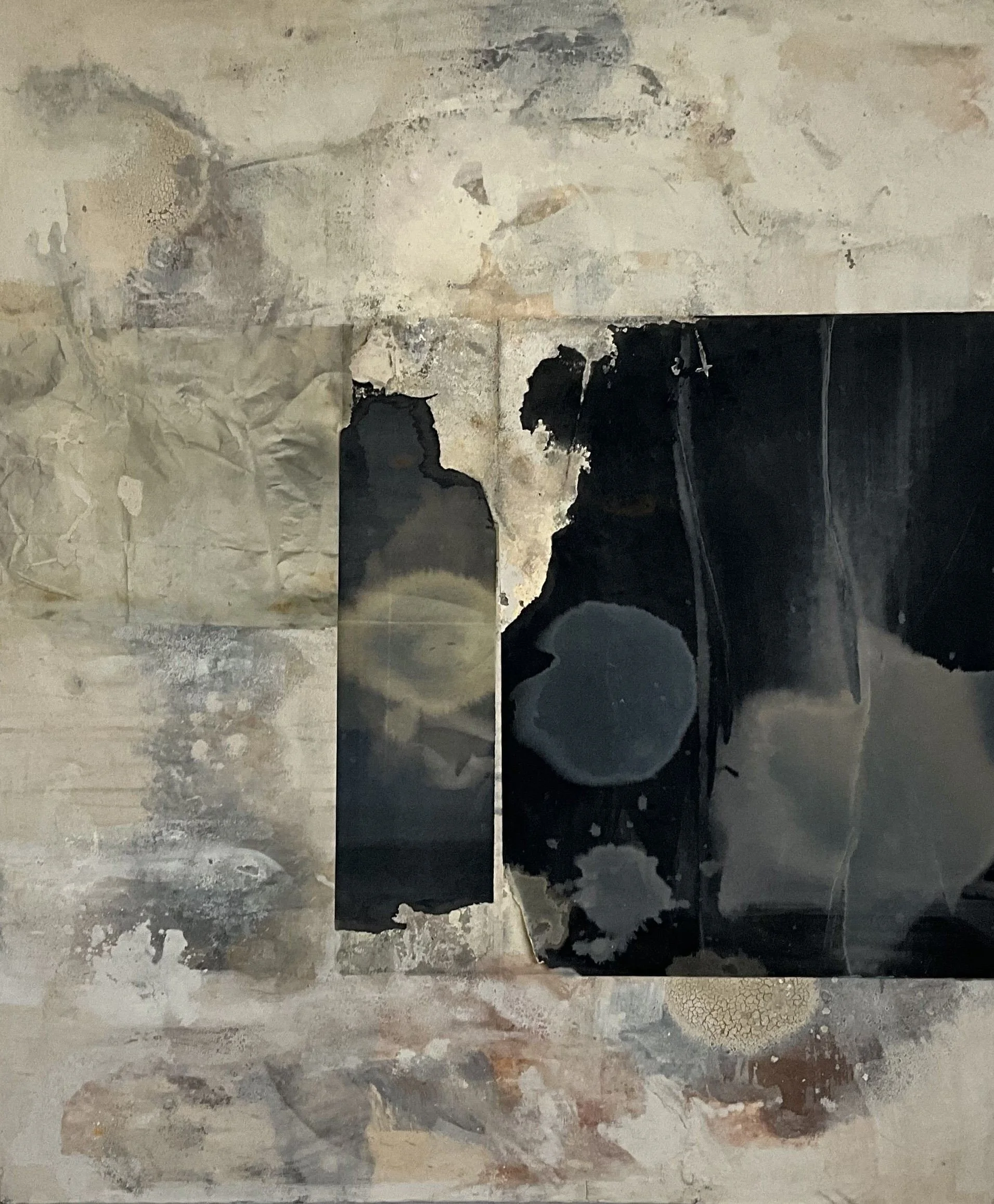
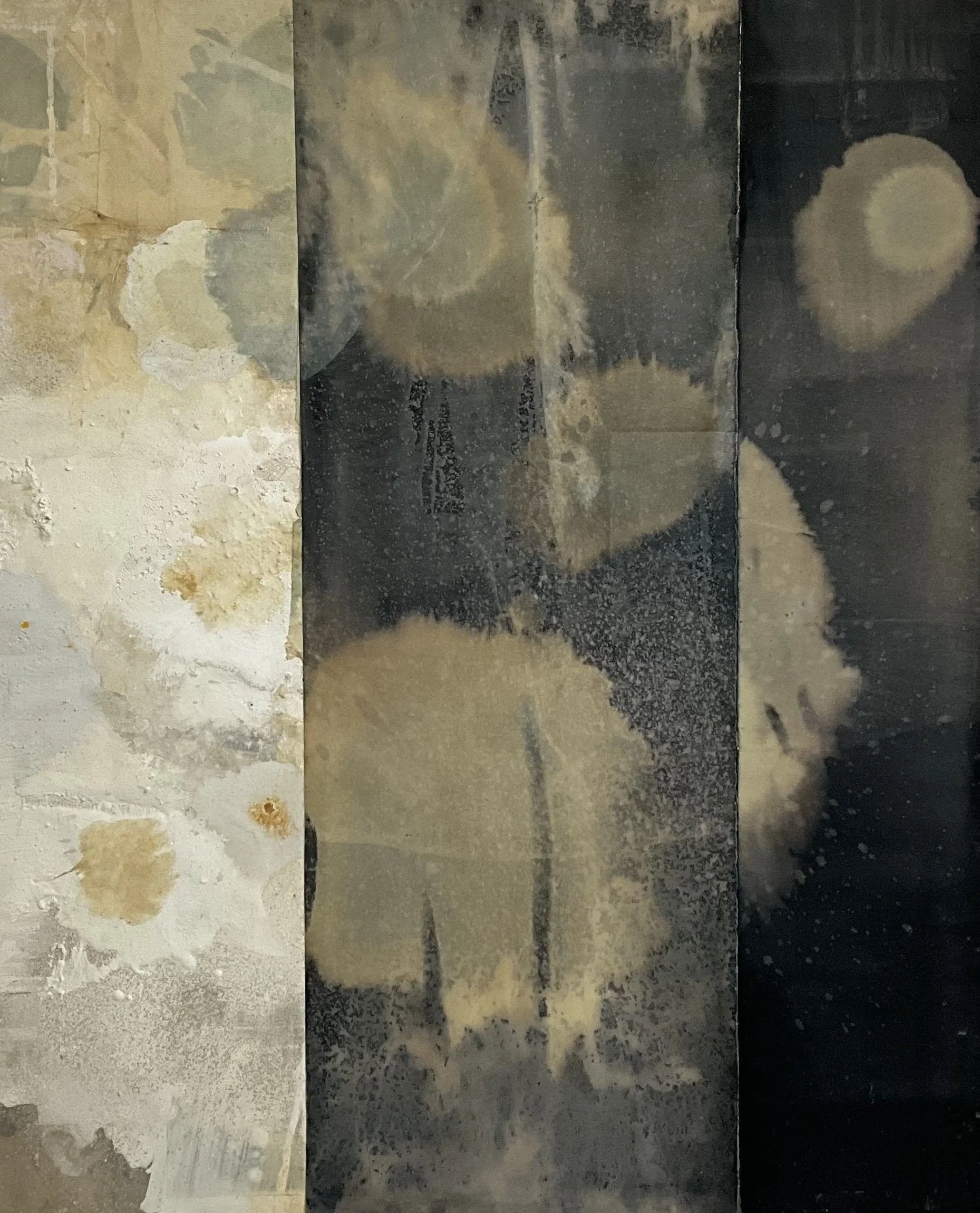
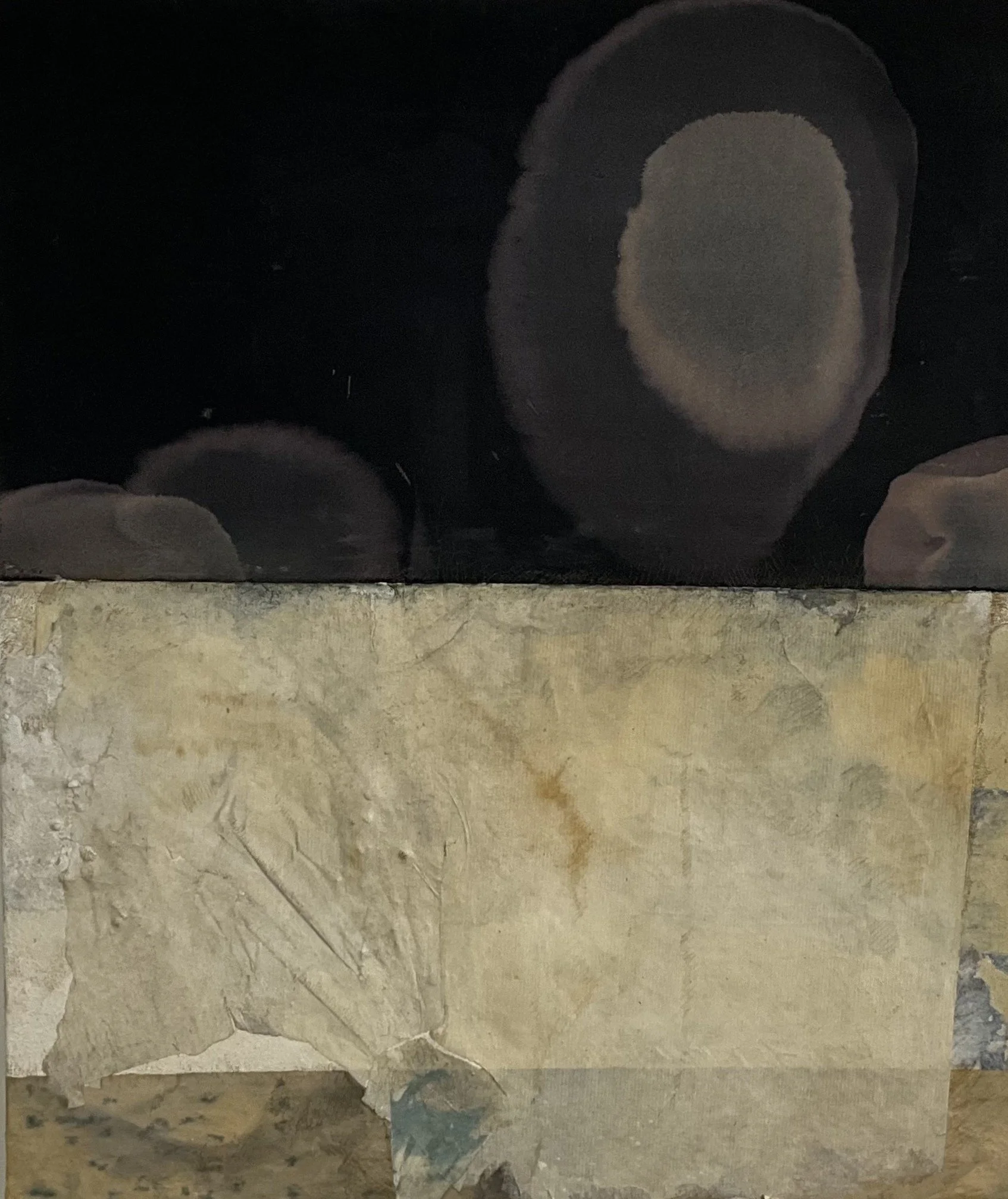
My painting inhabits a territory between matter and silence. I am not trying to represent anything specific, but rather to create a space where something can appear: a presence, a pause, a sense of suspended time. I work mainly with mixed media on wood, and the support itself is already part of the language. Wood has memory, has body, and that speaks to what interests me: the trace, impermanence, what remains after something has passed.
What inspires you?
I am inspired by the passage of time on materials: how they change, how they age, how they hold traces. Philosophy is a fundamental pillar in my life and in my work, a way of looking and asking questions. There is also a very personal experience that runs through everything I do: an encounter with loss at different moments in my life, and the learning that comes from embracing one's own vulnerability. I believe my painting is born largely from that place.
And then there is Tenerife: its atmosphere, its light, the color of the earth, the contrasts of the landscape. All of that helps me build the mood of the work, that tension between warmth and austerity that appears in many of my pieces.
Can you speak about your process?
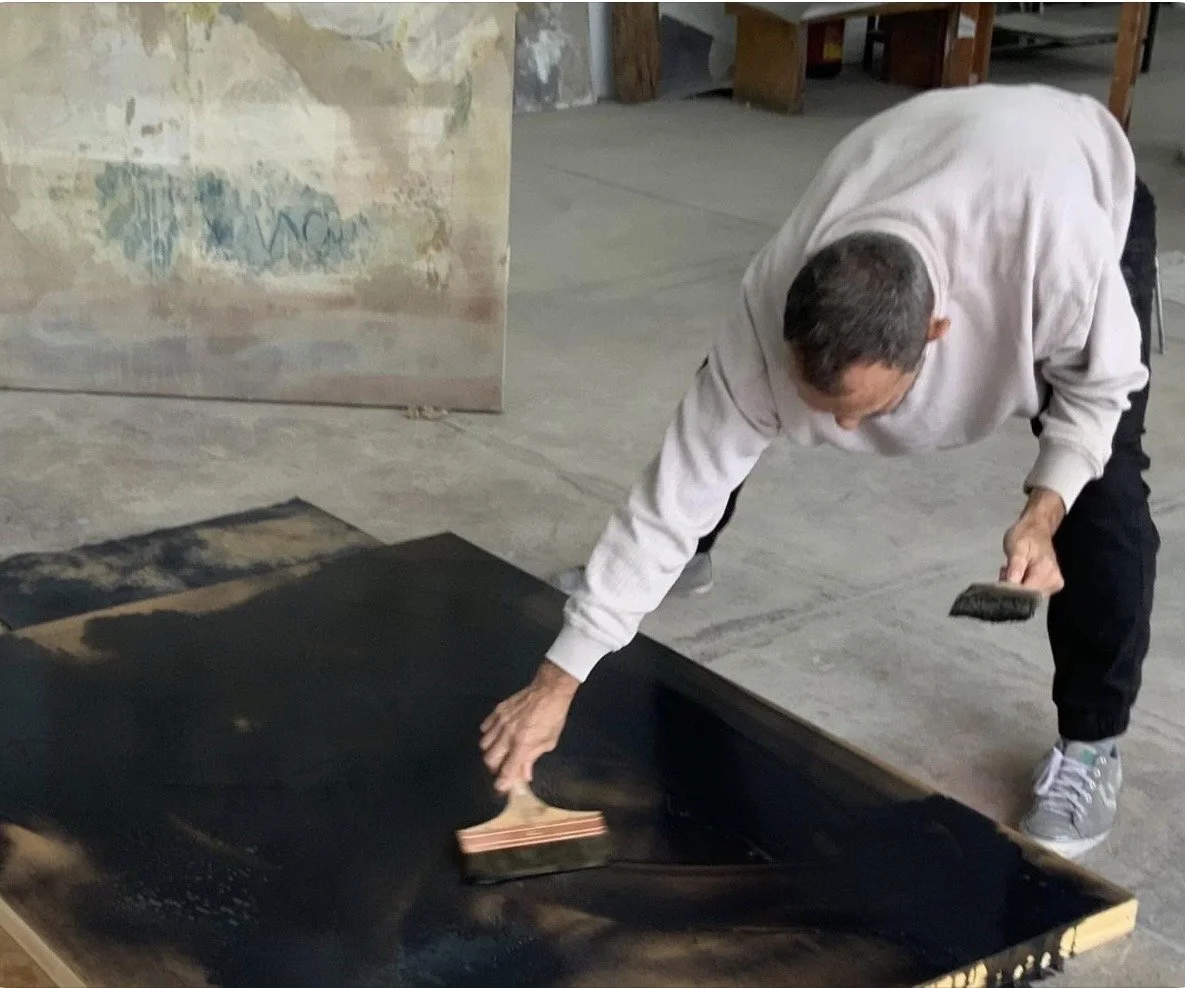
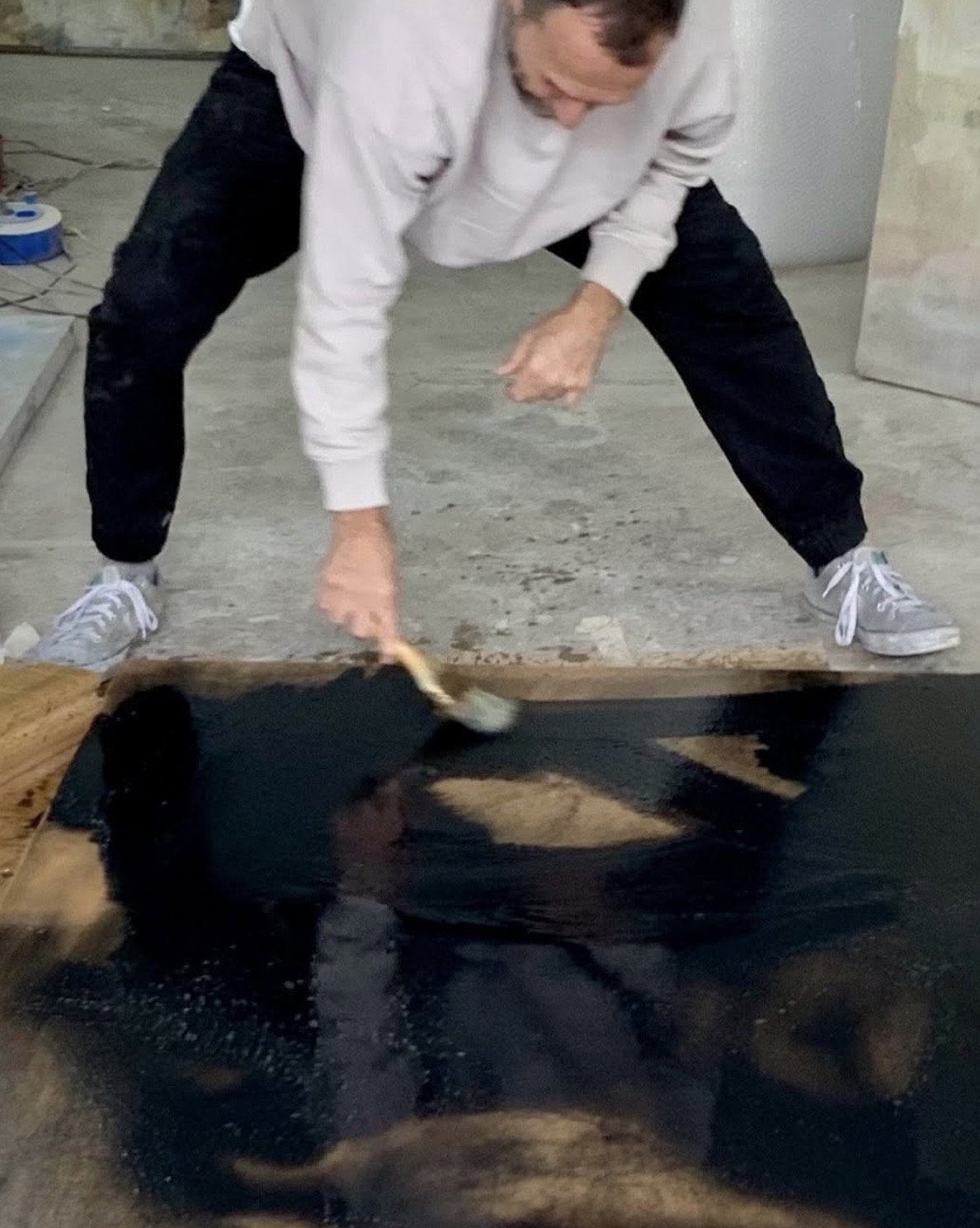
I always start with sketches and preliminary research with materials — there is an exploration before reaching the canvas. In the studio I work on many pieces at once, at different stages of the process, because I need that movement, that going back and forth between works. Some paintings wait, they mature, and that is part of the process.
Music is a constant companion: classical, opera, but also boleros, ballads, music from the 70s. The studio has its own sound, and that influences the state in which I paint.
How did you become interested in art?
From a very young age. My mother remembers putting colored pencils in my hands when I was barely two years old. Painting and music were always my two great passions.
I learned to paint in a very free way: as a child, in the park, watching people paint nature. I would stand there, absorbing everything. Over time I began painting landscapes on commission for friends of my parents or parents of my friends, and I accepted those commissions so I could buy more materials and keep painting. It was a way of sustaining the passion.
Later came formal training in painting and sculpture. And music never left me: I play several instruments by ear — it is something I carry in my body.
Do you have any favorite artists, movies, books, or quotes?
Anselm Kiefer and Robert Rauschenberg are very important references for me: the matter, the memory, the scale, the mixing of languages. As for books, there is one that marked me deeply and that I feel very close to my work: Man's Search for Meaning by Viktor Frankl. It placed me in a space of questioning about existence that still resonates in what I paint.
What advice do you have for younger artists?
Authenticity above all. Be spontaneous, follow your own sense and do not paint to please others. Allow yourselves to be seen and felt as you truly are, paint as you feel and as you think. The art that transforms you most — as a viewer and as a creator — is the art that comes from a true place.
Any more thoughts about art, creativity, or anything else?
Everything is impermanent. Everything passes, nothing remains, change happens. And I believe that painting, paradoxically, is a way of inhabiting that impermanence: not to stop it, but to be present within it. Each work is a trace of something that no longer is, and to me that holds a profound beauty.