Eryi Wang
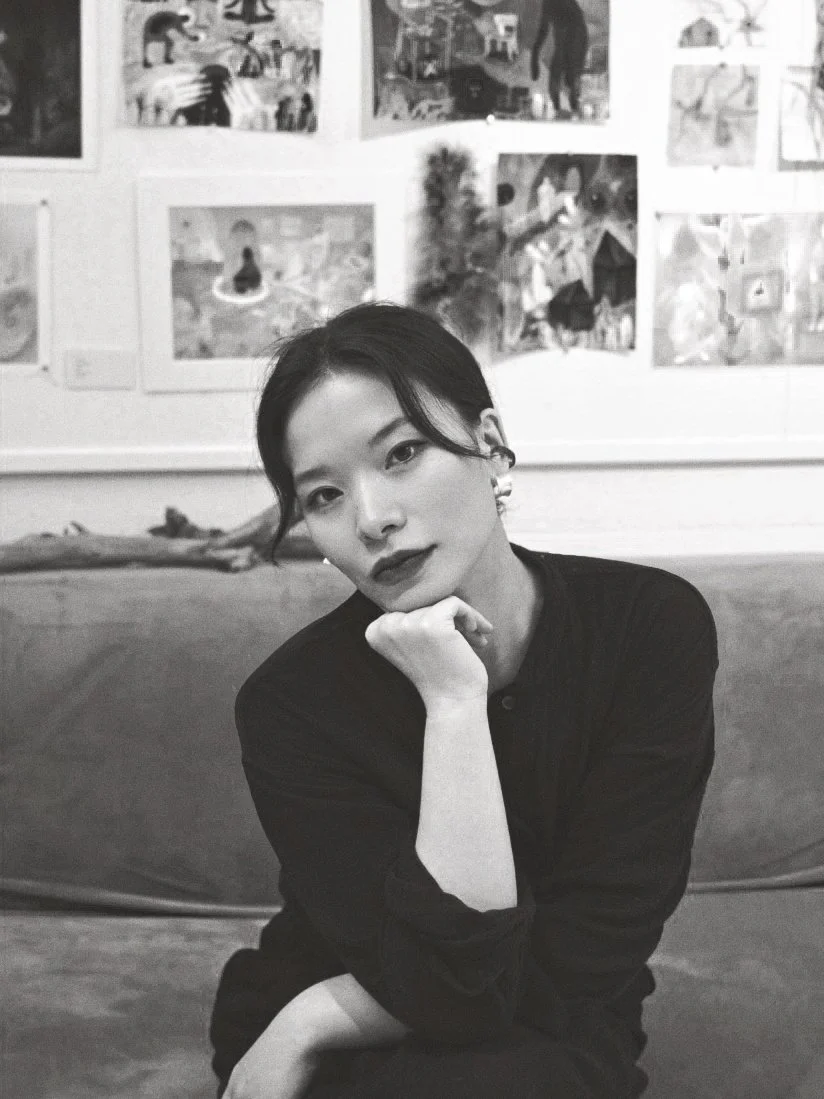
Beijing, China
Website
eryiwang.com
Social Media
Instagram
How would you describe your work?
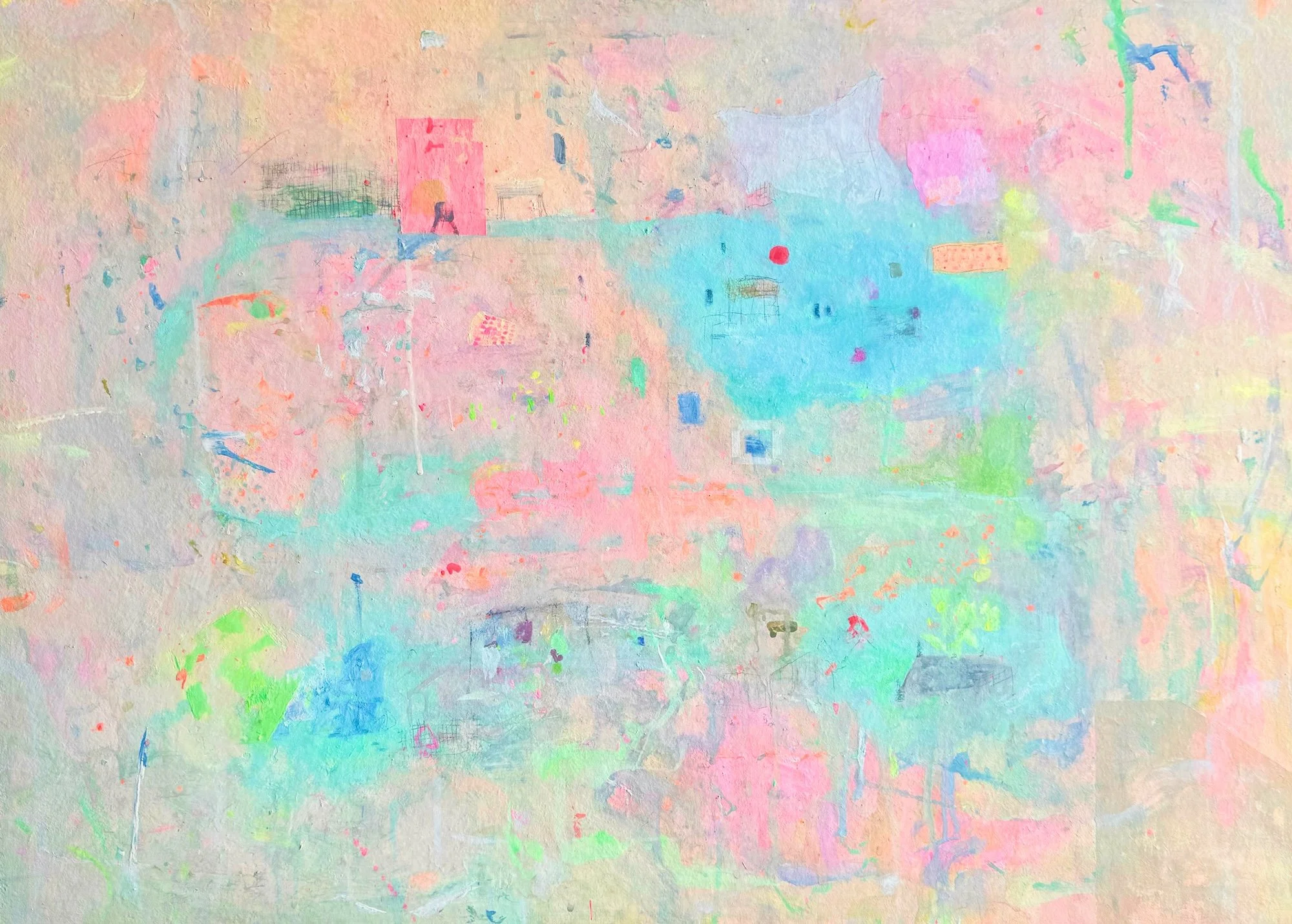
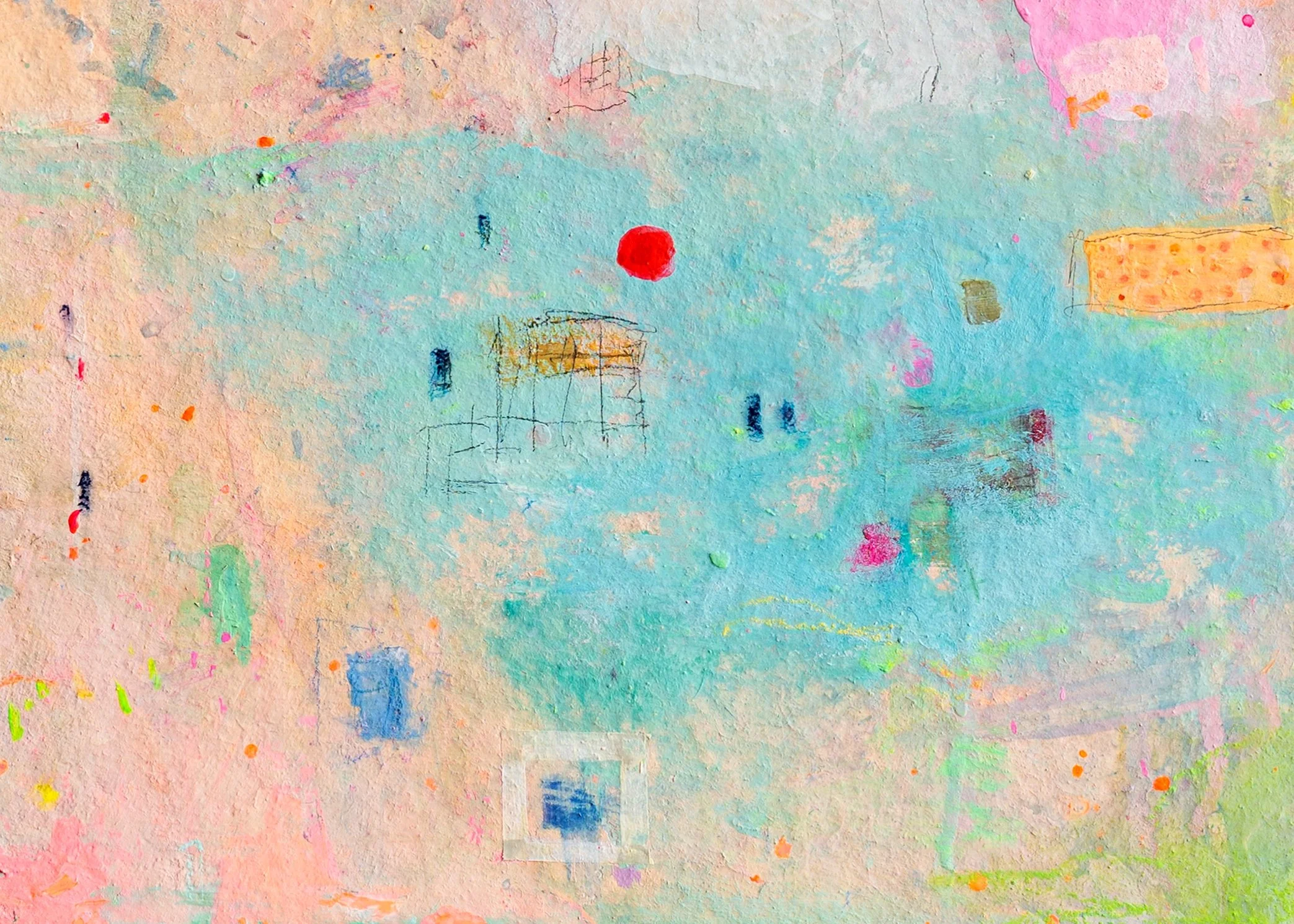
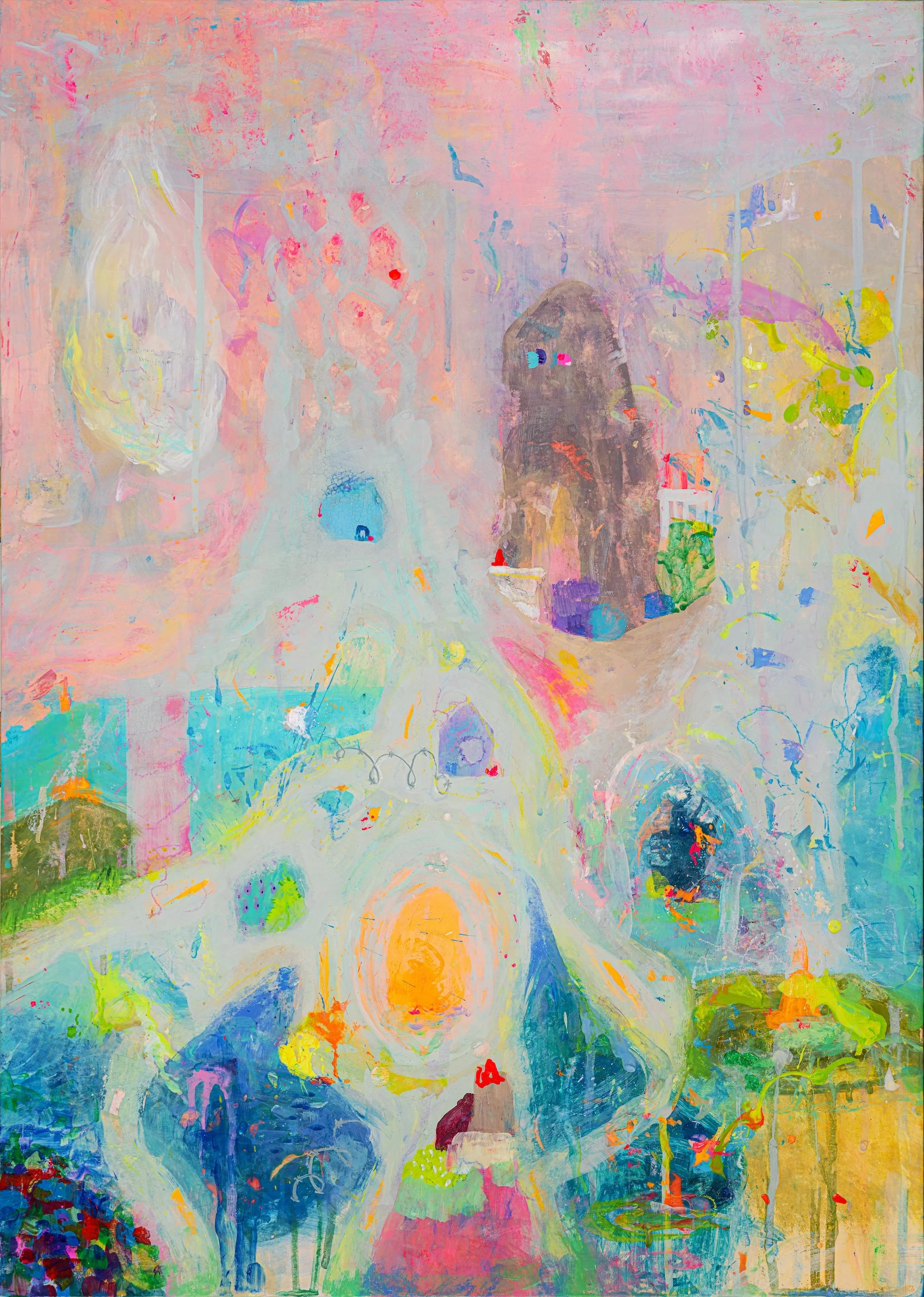
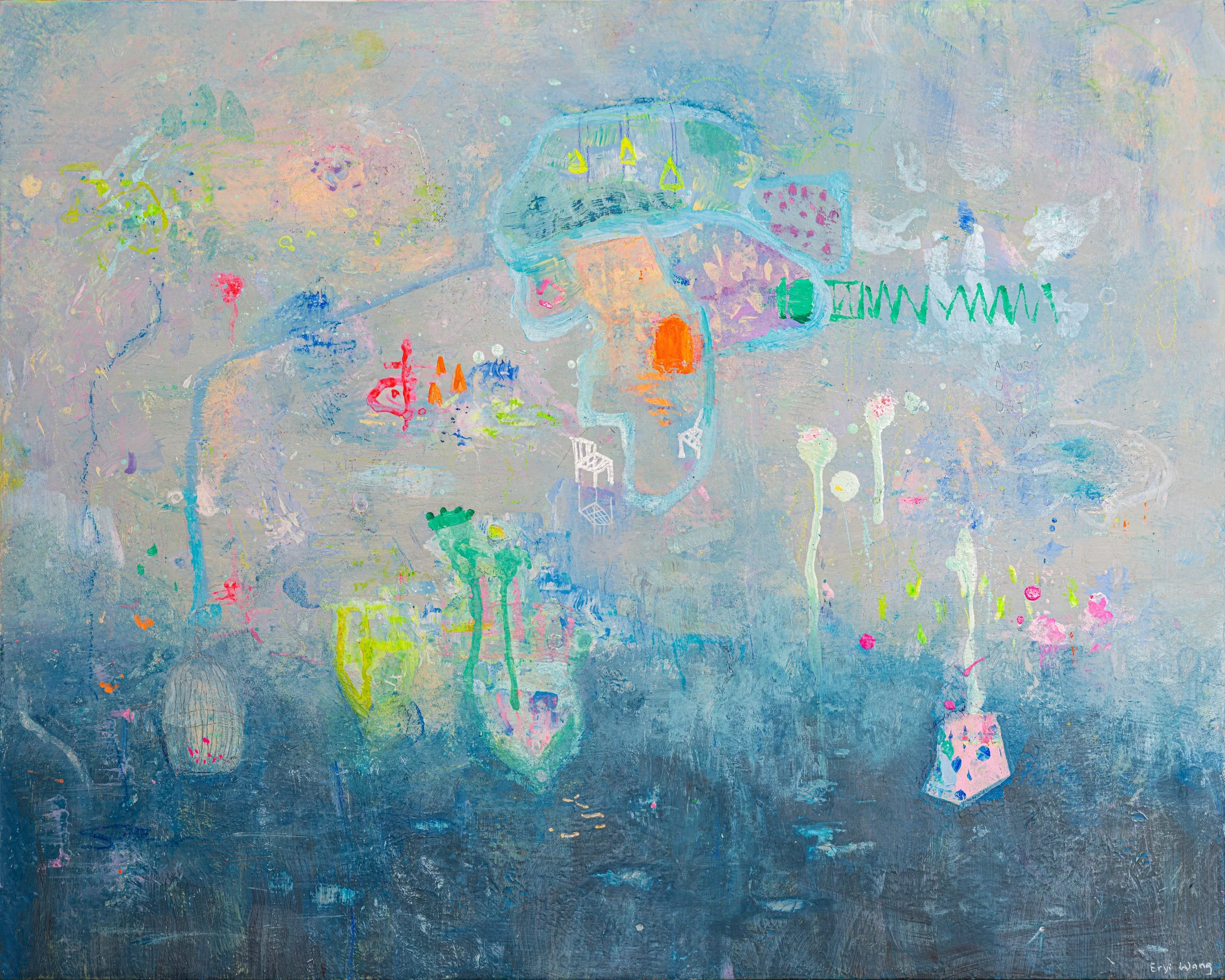
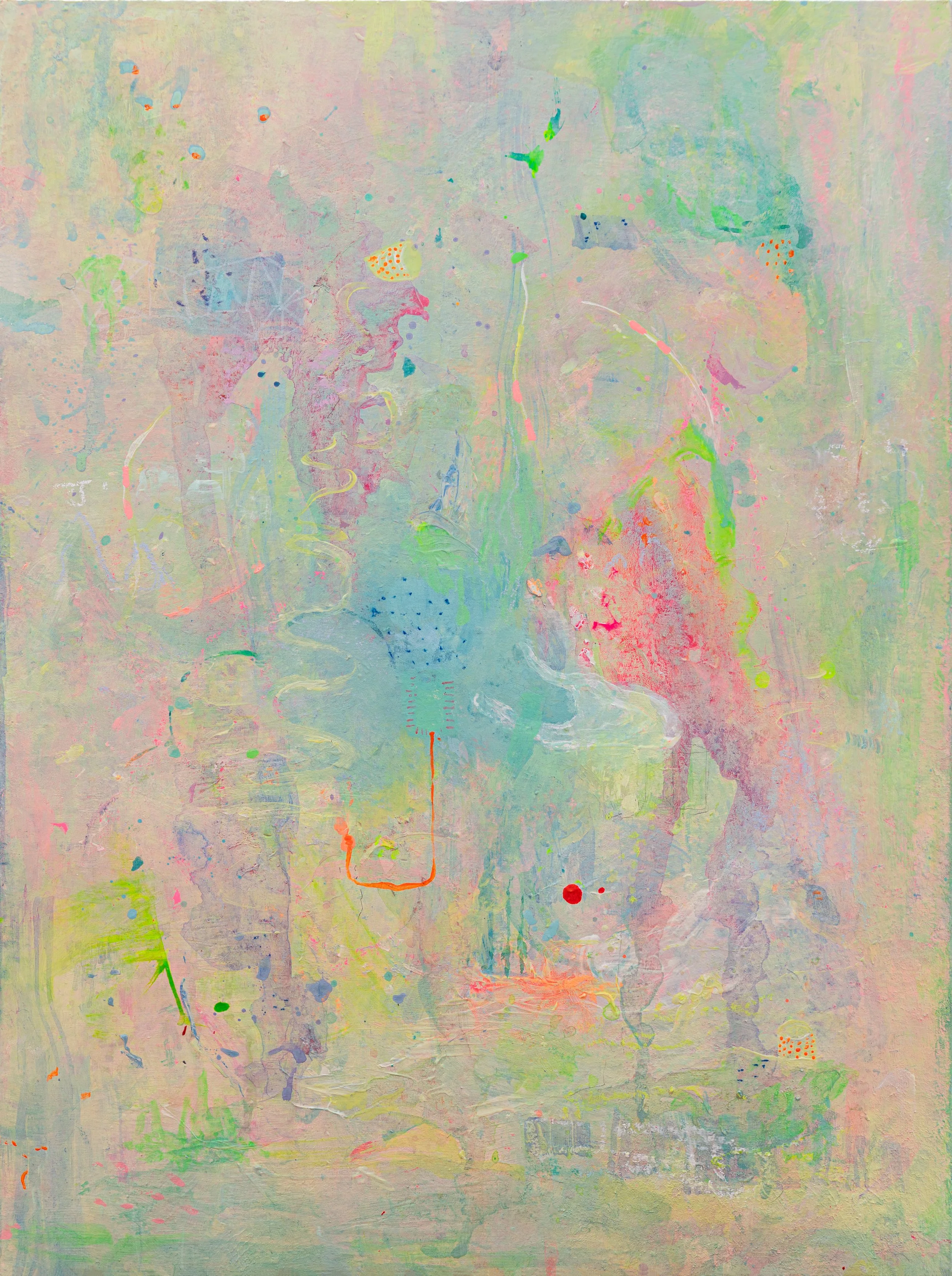
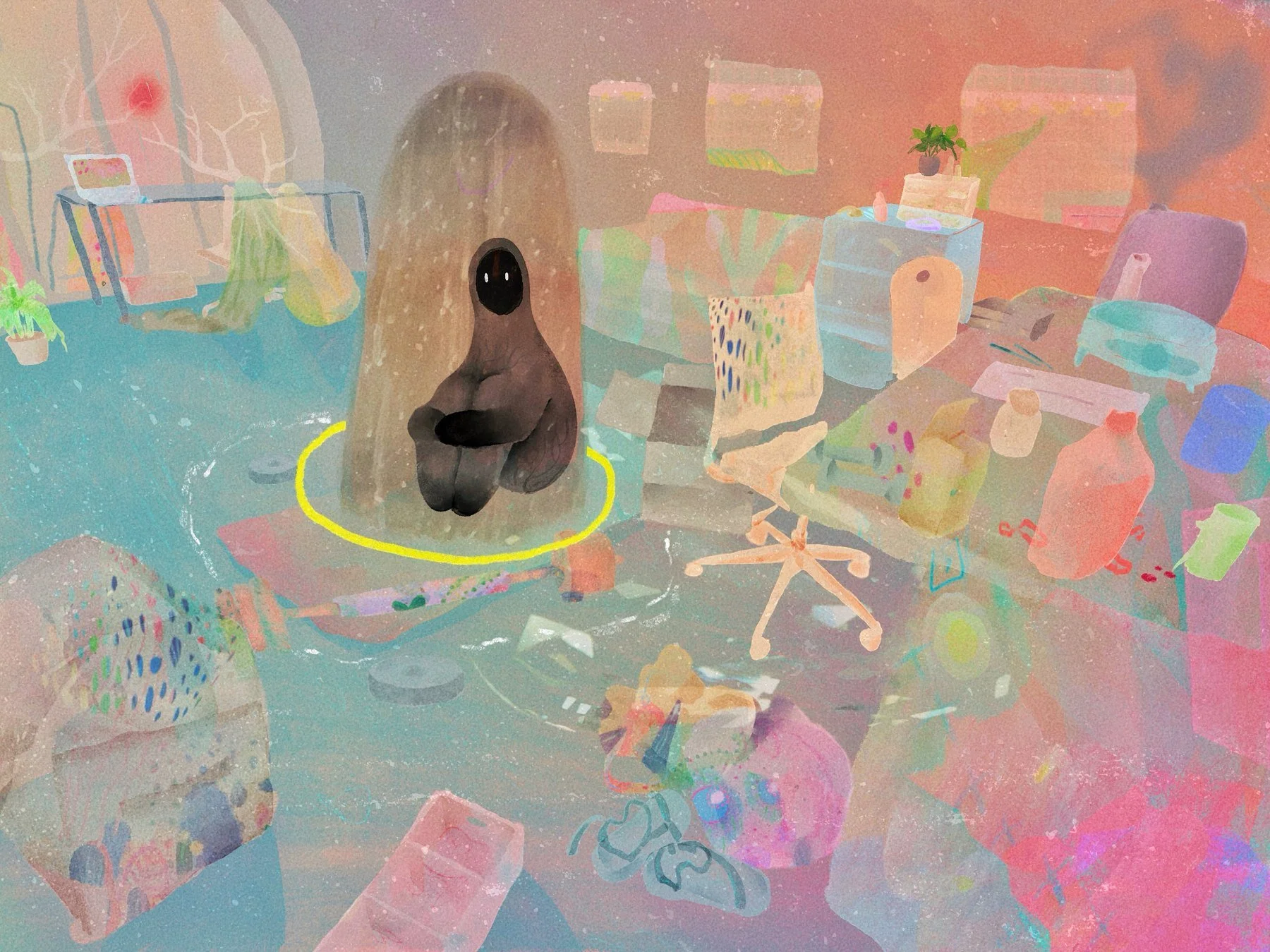
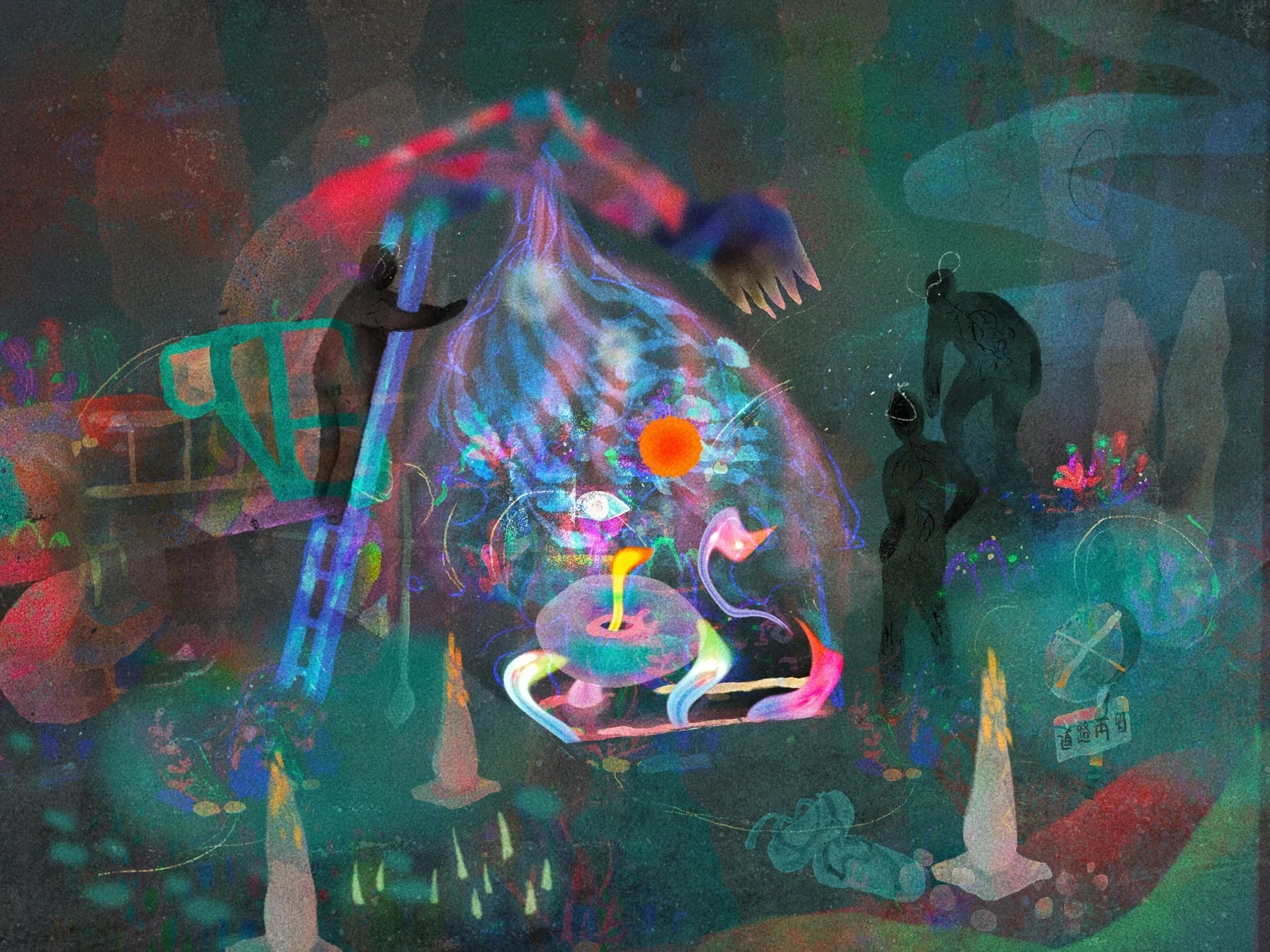
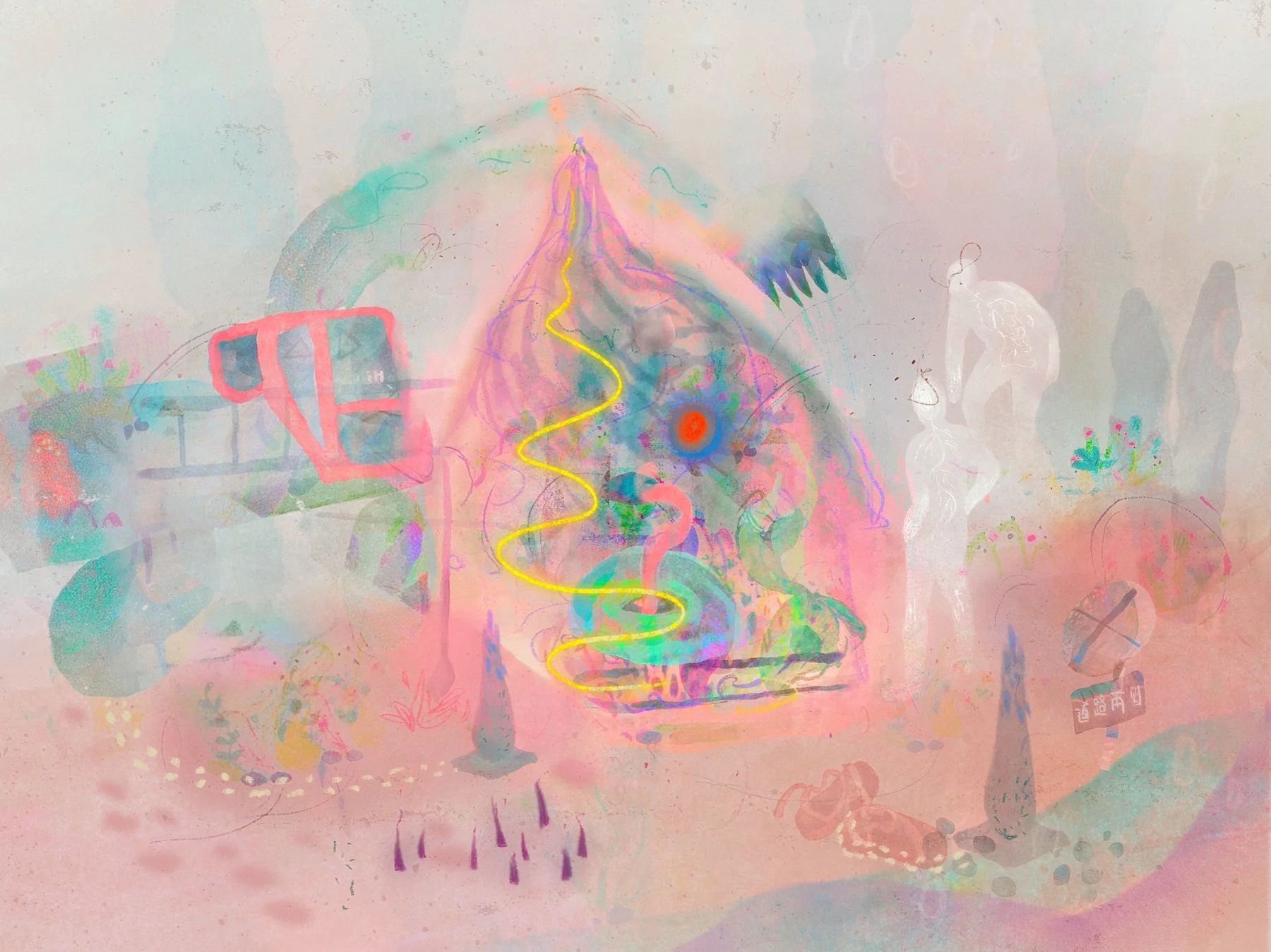
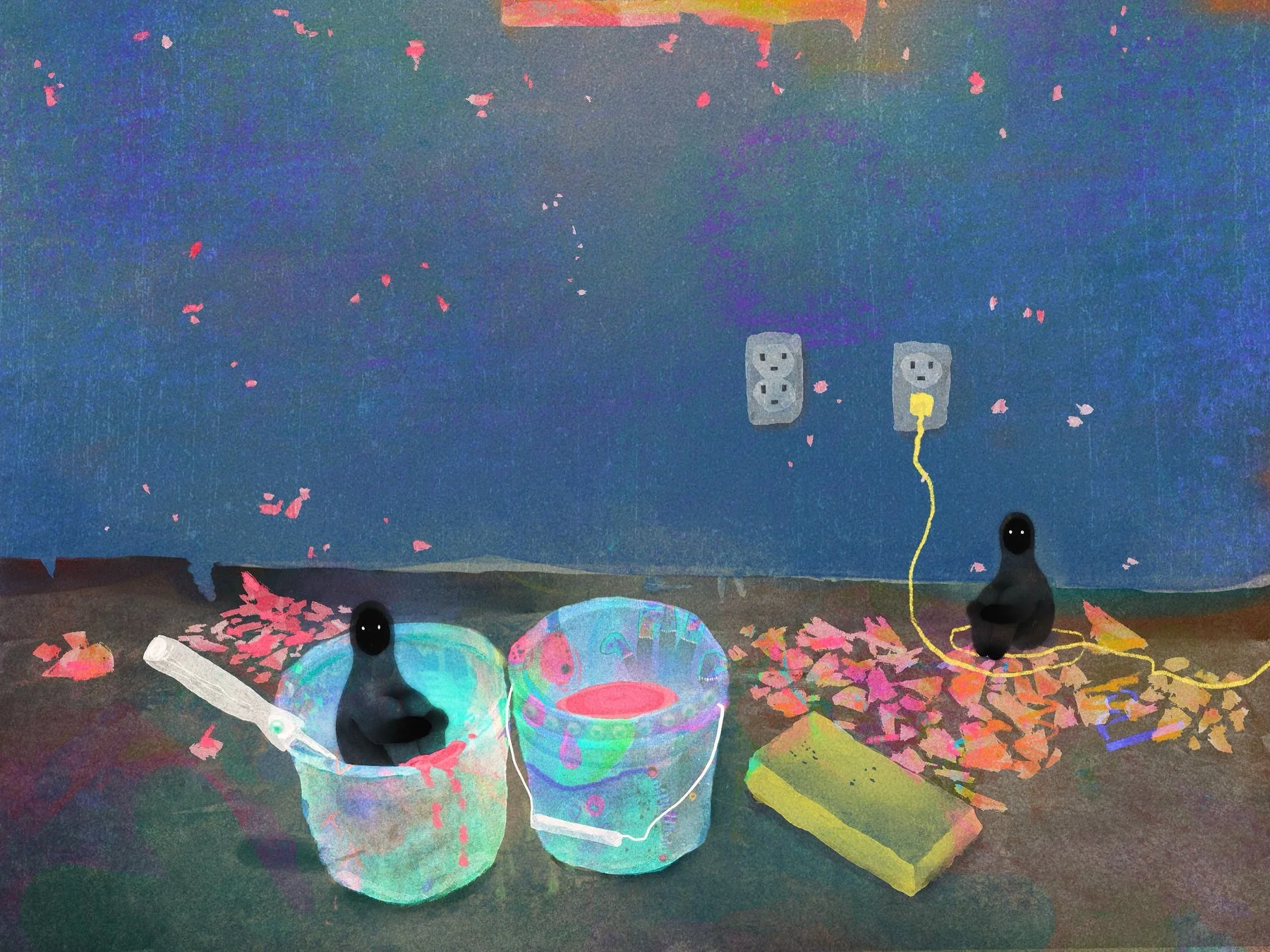
My work moves between digital image-making, painting, moving image, and installation. Color has always been one of the most consistent parts of my practice. I often use bright, playful colors and rich textures to approach subjects that are more serious, sad, or emotionally uncertain. I don’t think sadness always needs to look dark or heavy.
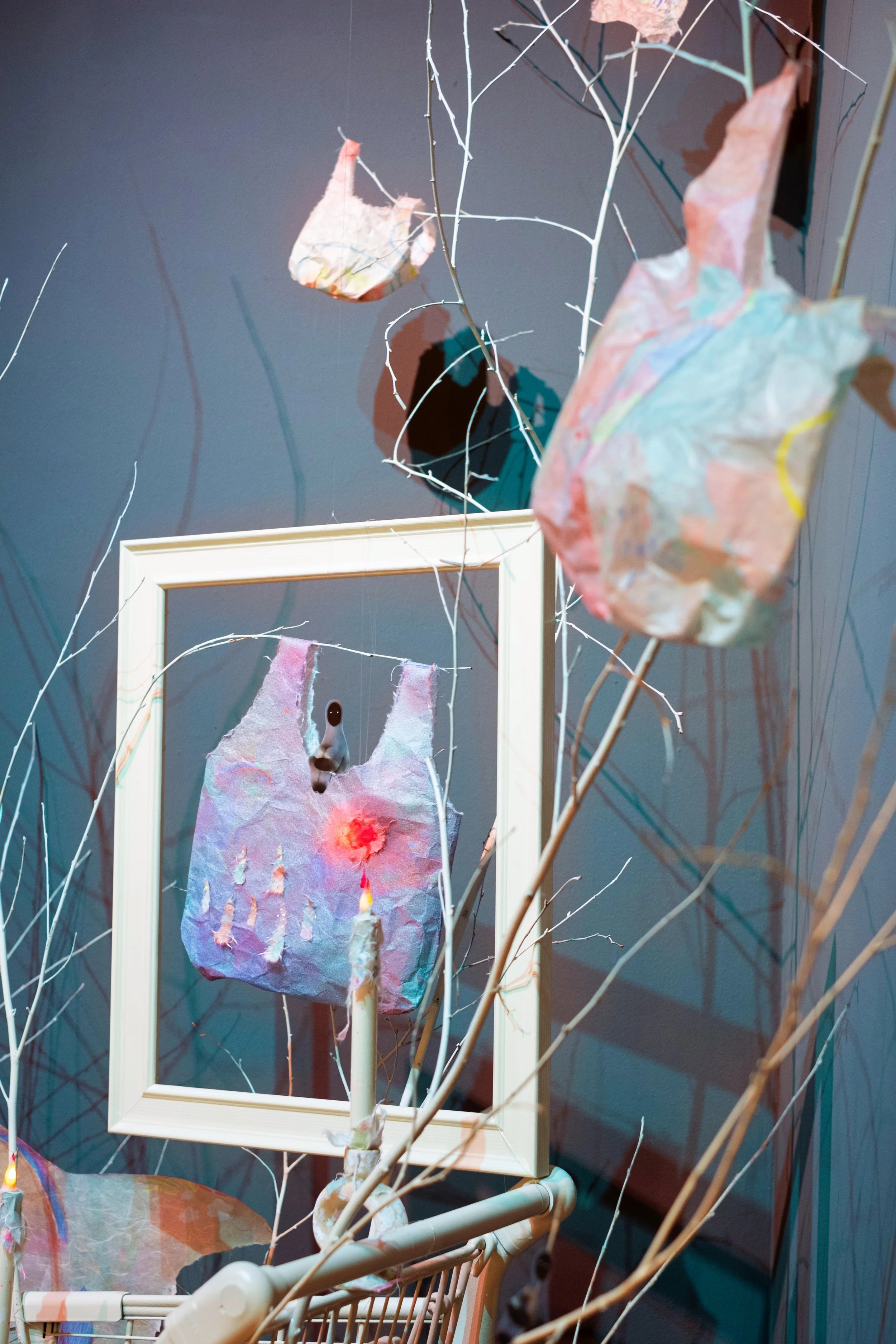
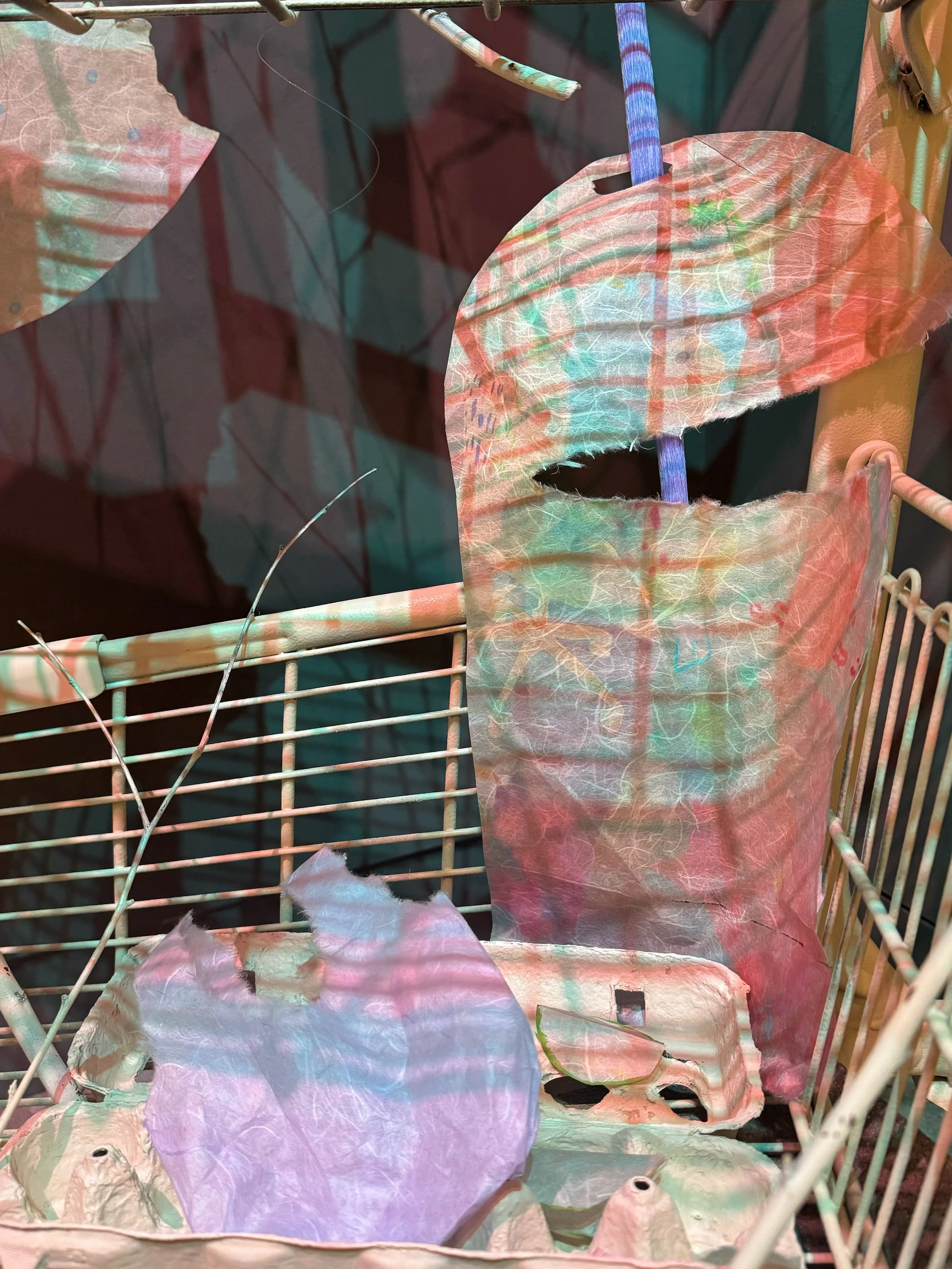
I’m interested in spaces where nature and modern industry begin to overlap—landscapes mixed with plastic, cables, construction materials, waste, or temporary structures. Recently, I have been bringing these ideas into physical paintings. The forms may resemble landscapes, construction sites, or places that are being built, altered, and erased at the same time.
What inspires you?
I’m often inspired by ordinary things that feel slightly out of place: a plastic bag caught in a tree, construction materials sitting within a landscape, temporary barriers, cables, rubbish, or traces left behind after something has been built or removed. I like situations where it becomes difficult to tell where nature ends and the artificial begins.
My inspiration does not always begin with a clear subject or idea. Sometimes it starts with a color, a texture, an ordinary object, or an unexpected visual relationship. I follow it and allow the meaning to develop through the process of making.
Can you speak about your process?
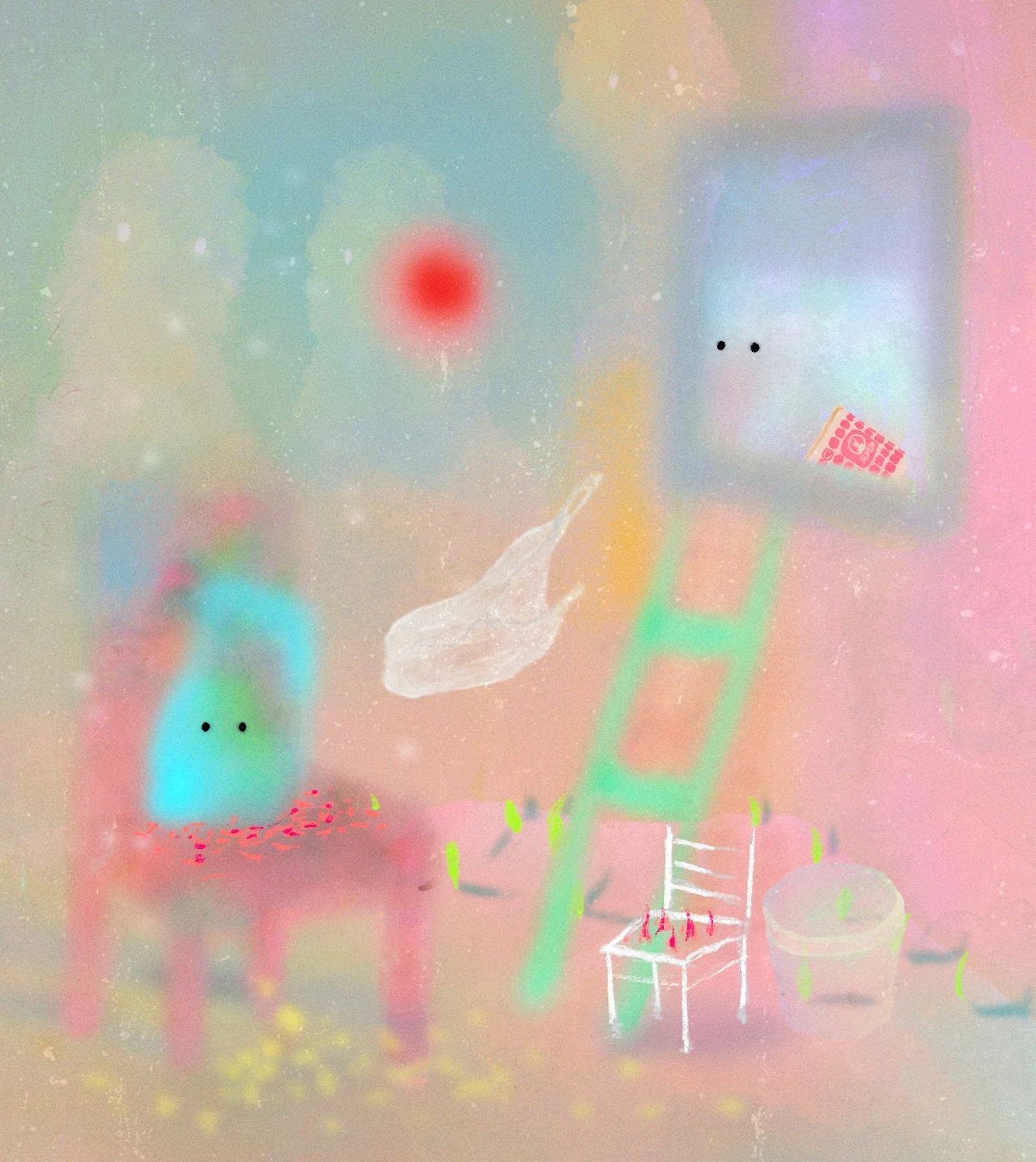
My process moves back and forth between digital and physical work. I might begin a painting, photograph it halfway through, bring the image onto my iPad, and experiment with its composition, colors, or additional elements before returning to the physical work.
The exchange also happens in the other direction. A digital work may begin with a physical material, painted surface, piece of paper, or mark that I photograph because I am interested in its texture. I then bring it into the digital space and continue working with it there. The digital and physical parts are not separate stages; they continually affect one another.
I also value accident and resistance in the process. Physical materials do not always behave as I expect, and I cannot fully control the result. That tension between my intention and what the material resists often takes the work somewhere more interesting.
How did you become interested in art?
My interest in art did not begin with one particular moment. I have lived in different countries and worked in many different environments—from teaching, hospitality, and retail to interpreting, project coordination, and representing a winery. Each experience gave me a different way of observing people, systems, and everyday life. Over time, art became the place where these otherwise separate experiences could come together. It is the only form I have found that allows me to convey all of my ideas without having to reduce them to a single argument or explanation.
I enjoy learning about materials and seeing how they behave, but technical mastery is not the main reason I make work. For me, painting is one form among many—a way of giving an idea color, texture, and a physical presence. What keeps me interested in art is the freedom to bring together things that may not seem connected at first, and to turn what I have lived, noticed, and imagined into something I can share with others.
Do you have any favorite artists, movies, books, or quotes?
A recent film that really stayed with me is Project Hail Mary. I was especially moved by the relationship between the human character and the alien being. Once a person is defined by gender, social class, or a particular role, emotion can become entangled with all of those structures and expectations. In this relationship, much of that is stripped away.
What remains feels like a very pure form of emotion, trust, and love between two beings. It does not need to fit into a familiar human category, and that simplicity touched me deeply.