Dora Somosi
Brooklyn, NY and Upstate NY
Website
dorasomosi.com
Social Media
Instagram
How would you describe your work?
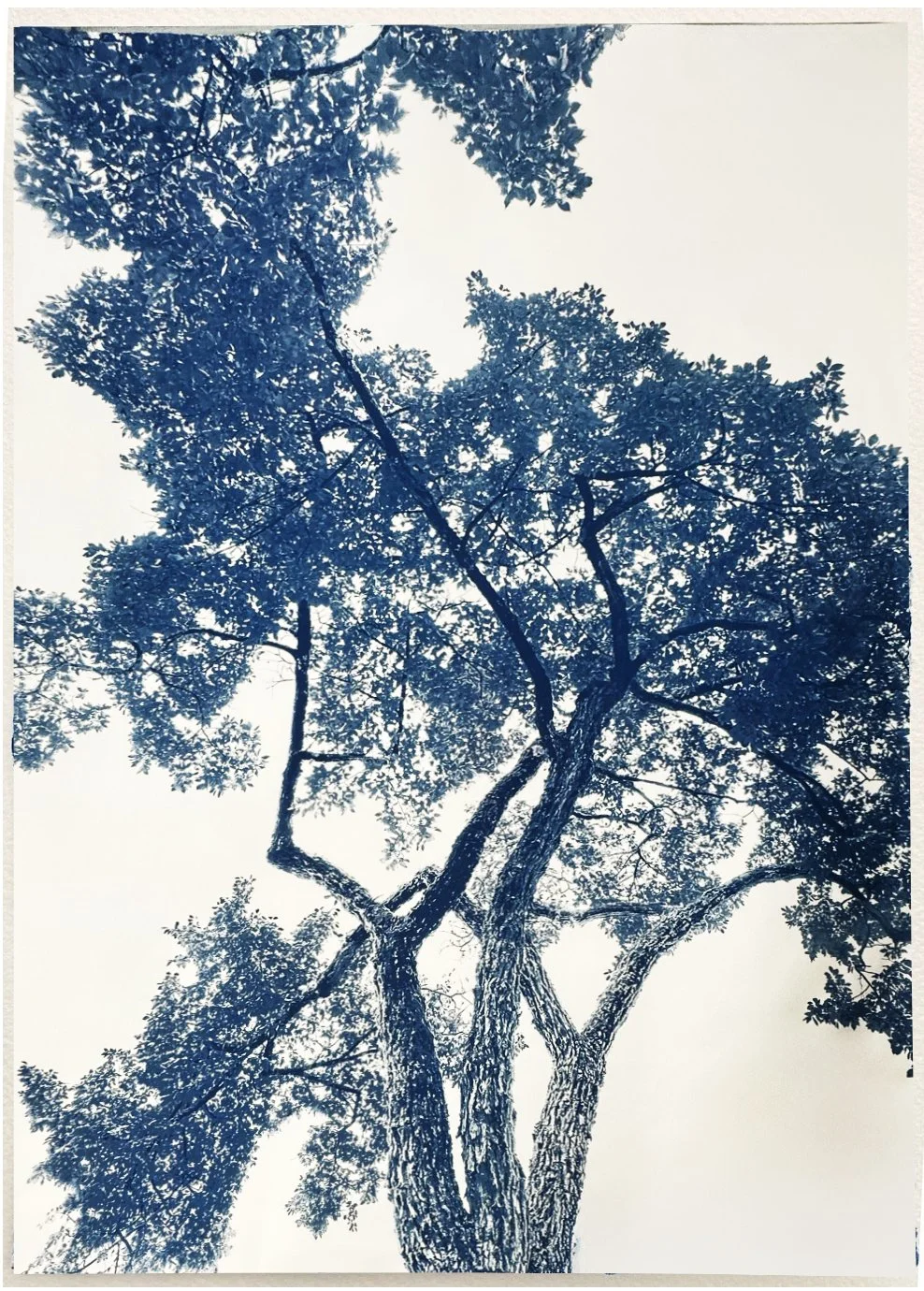
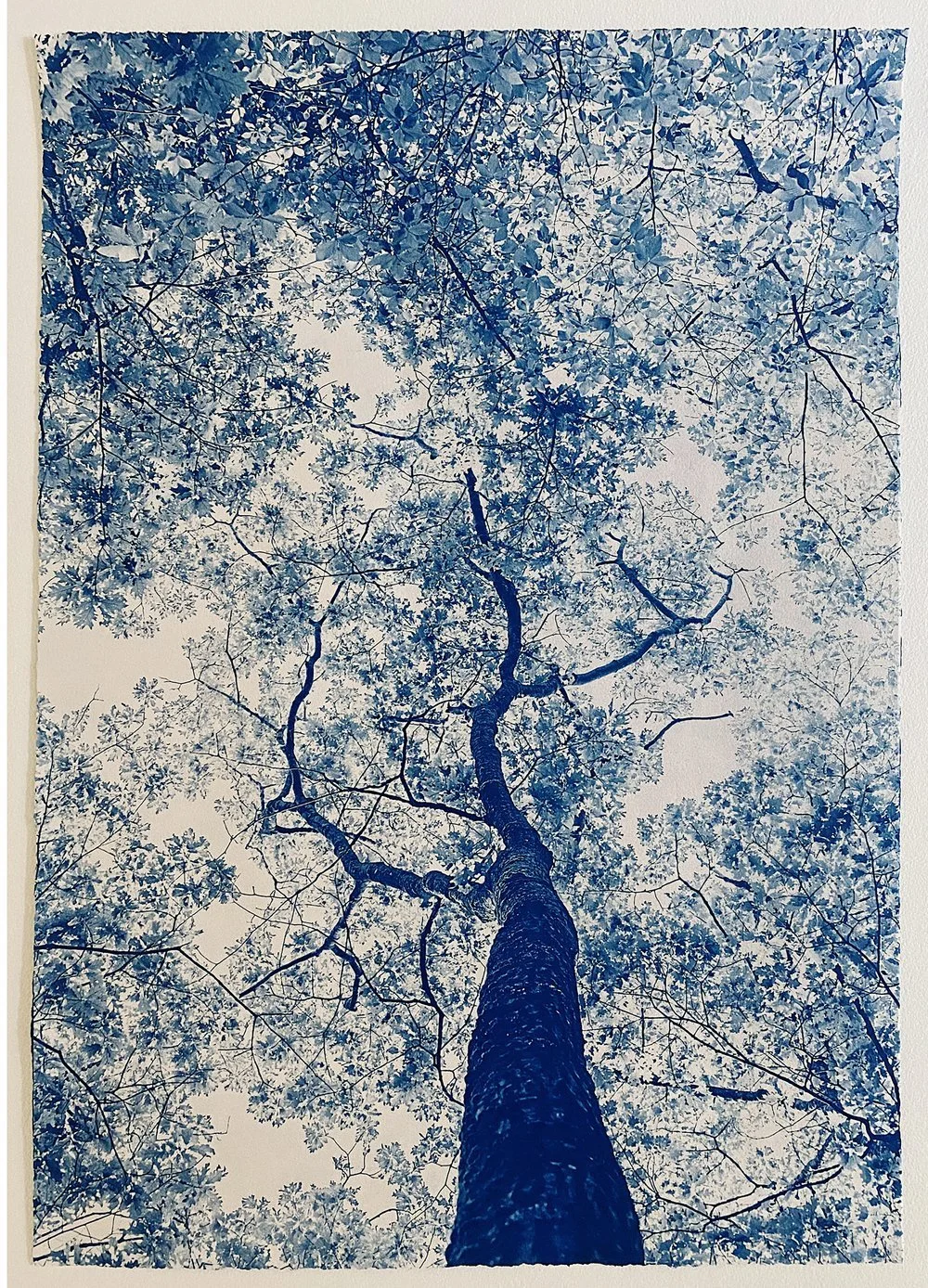
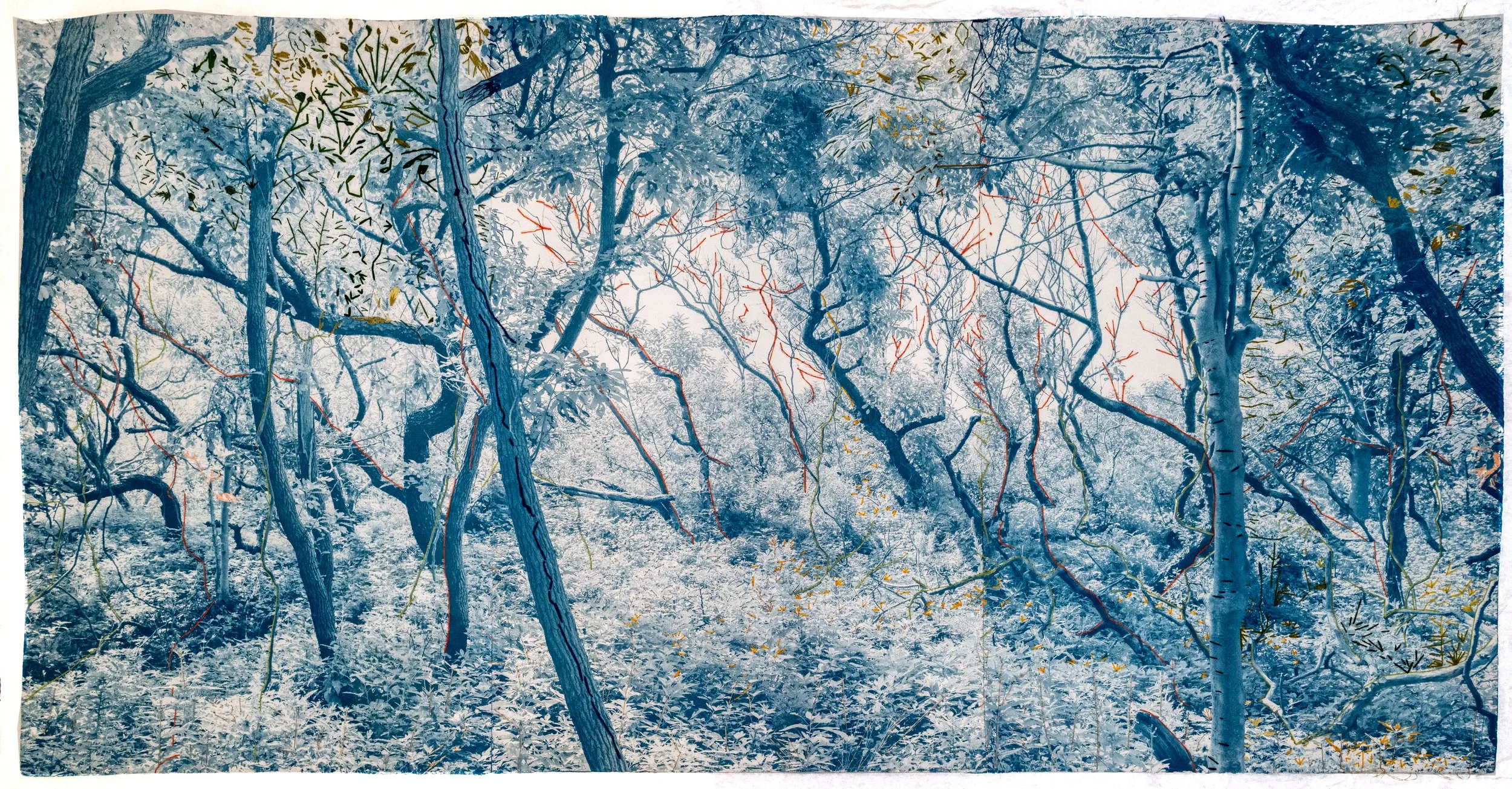
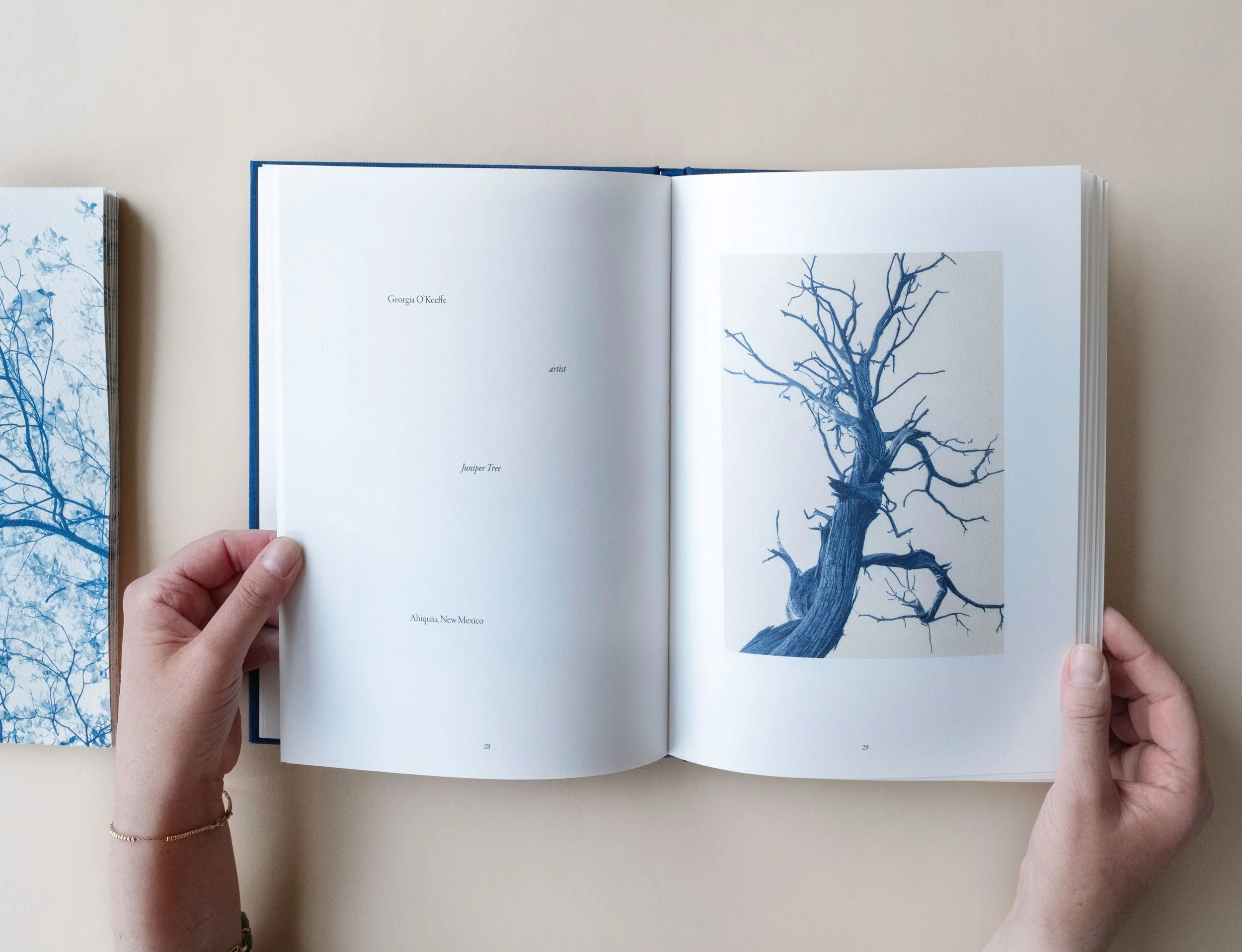
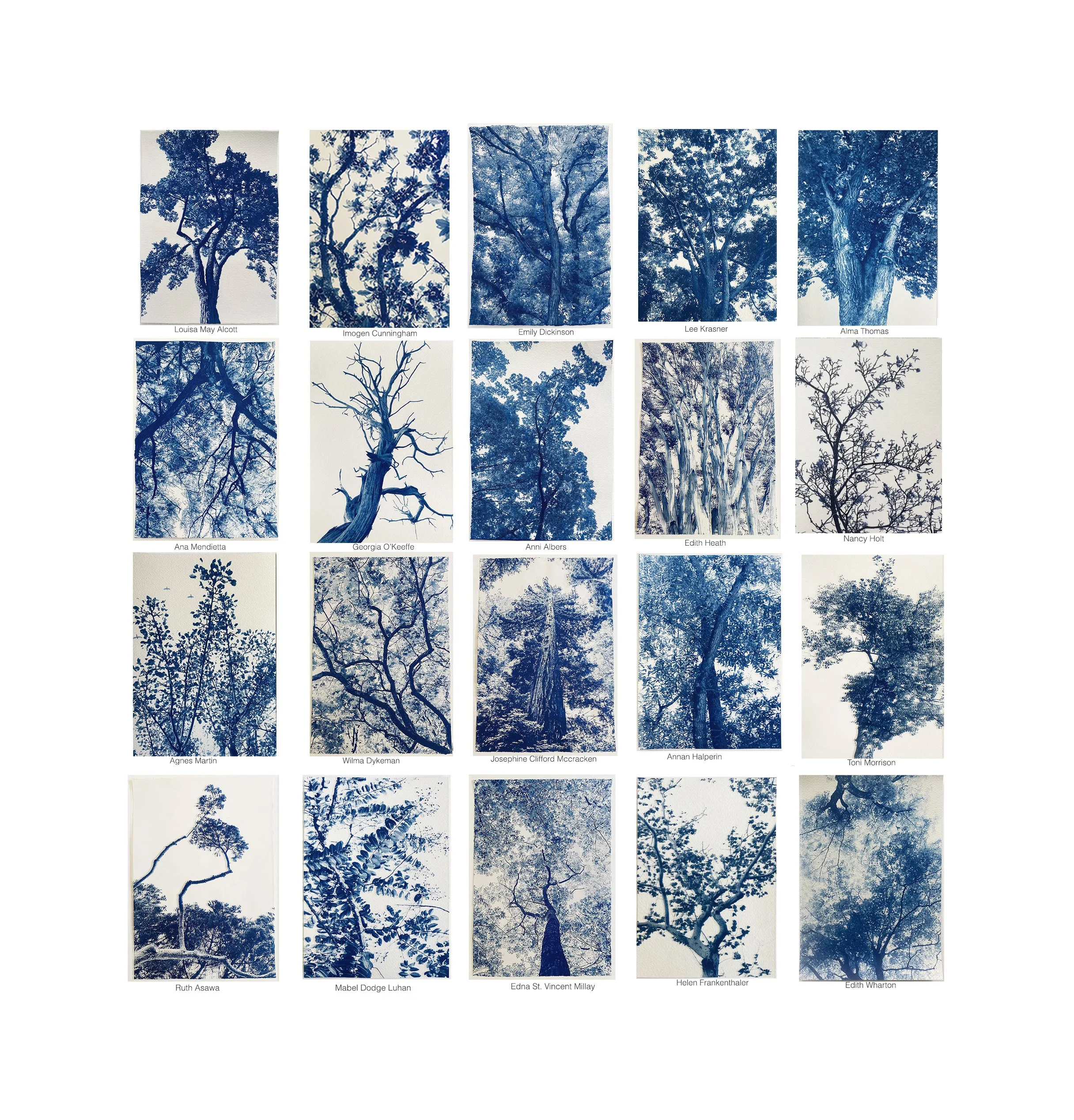
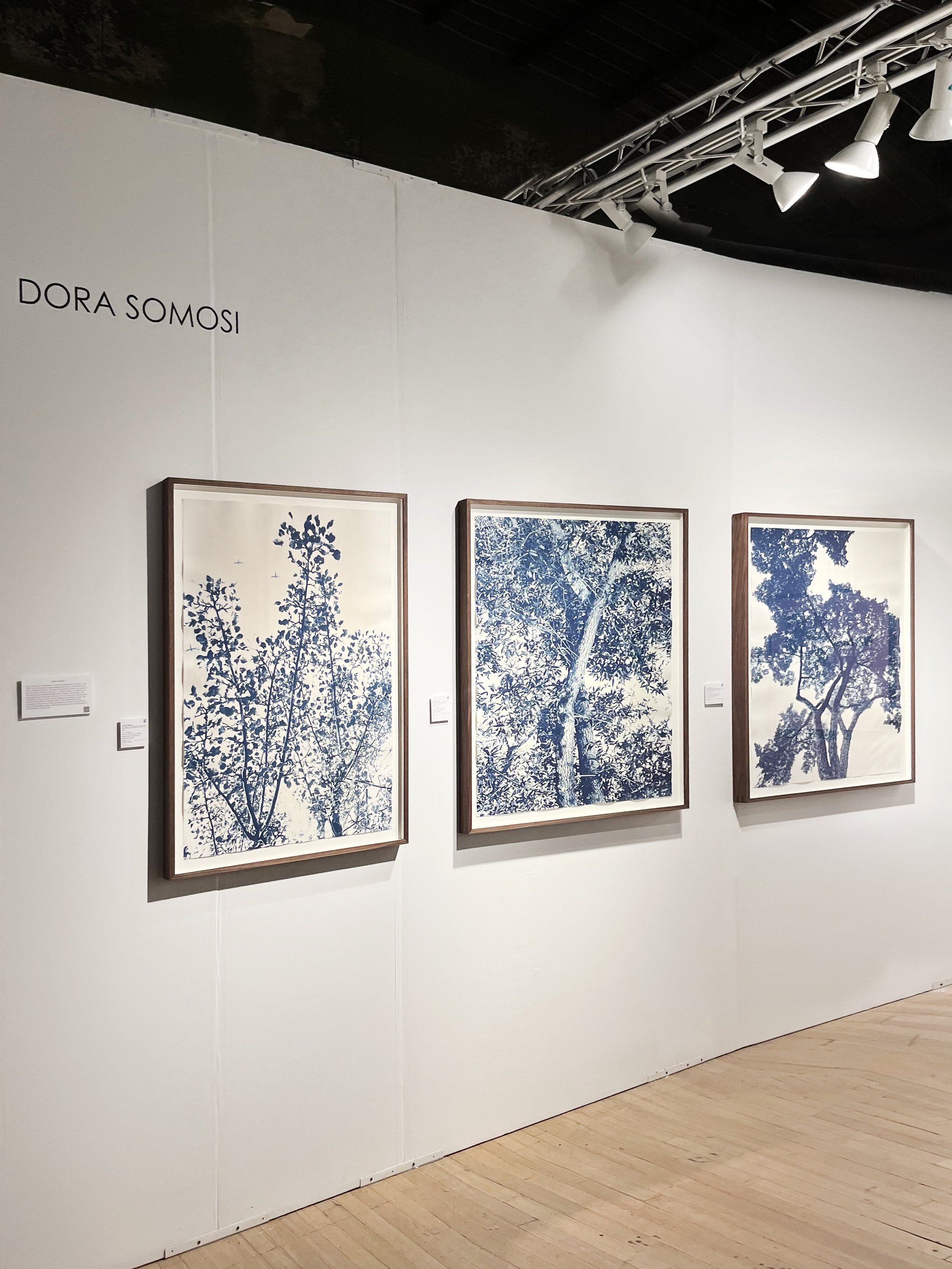
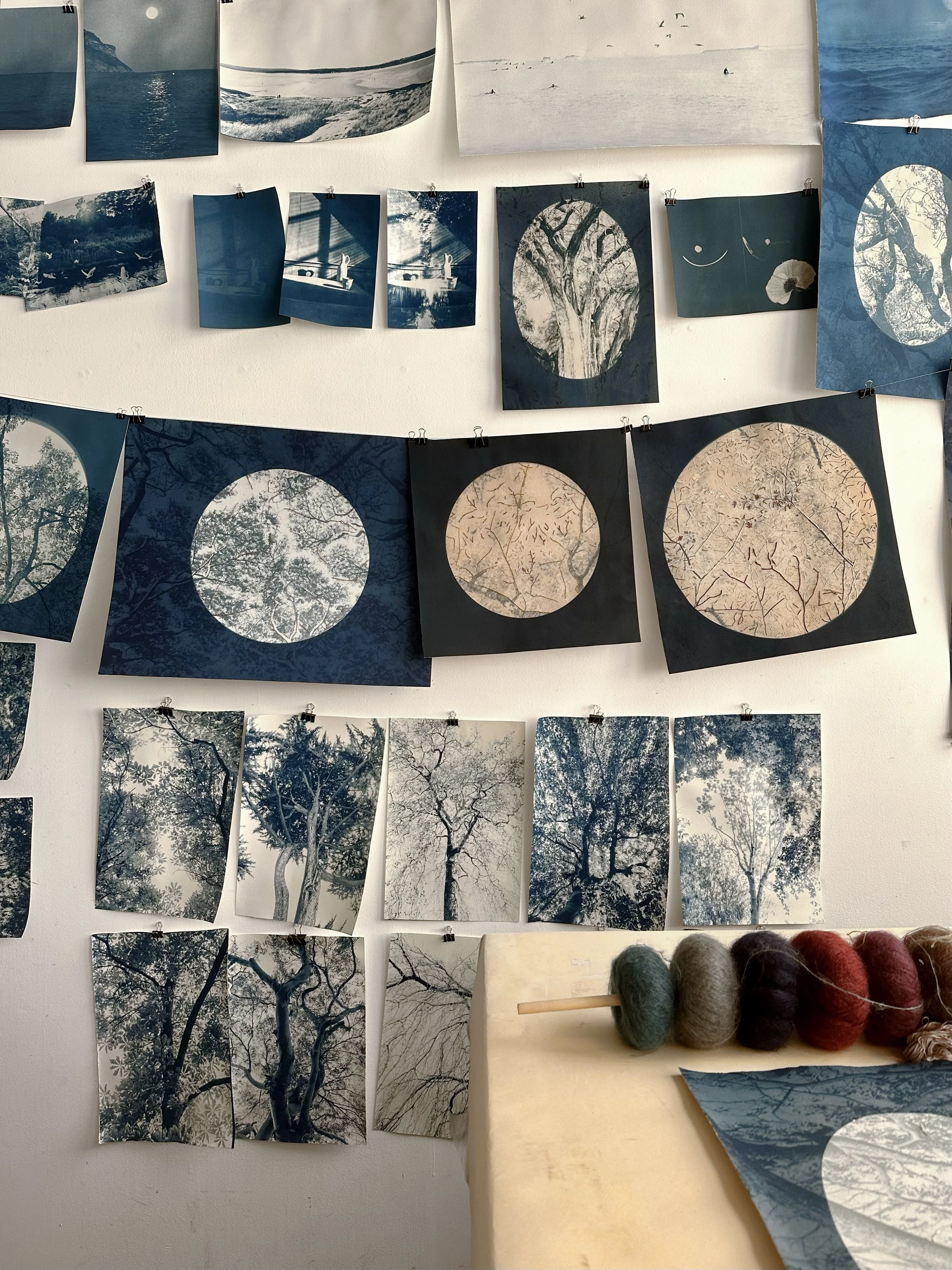
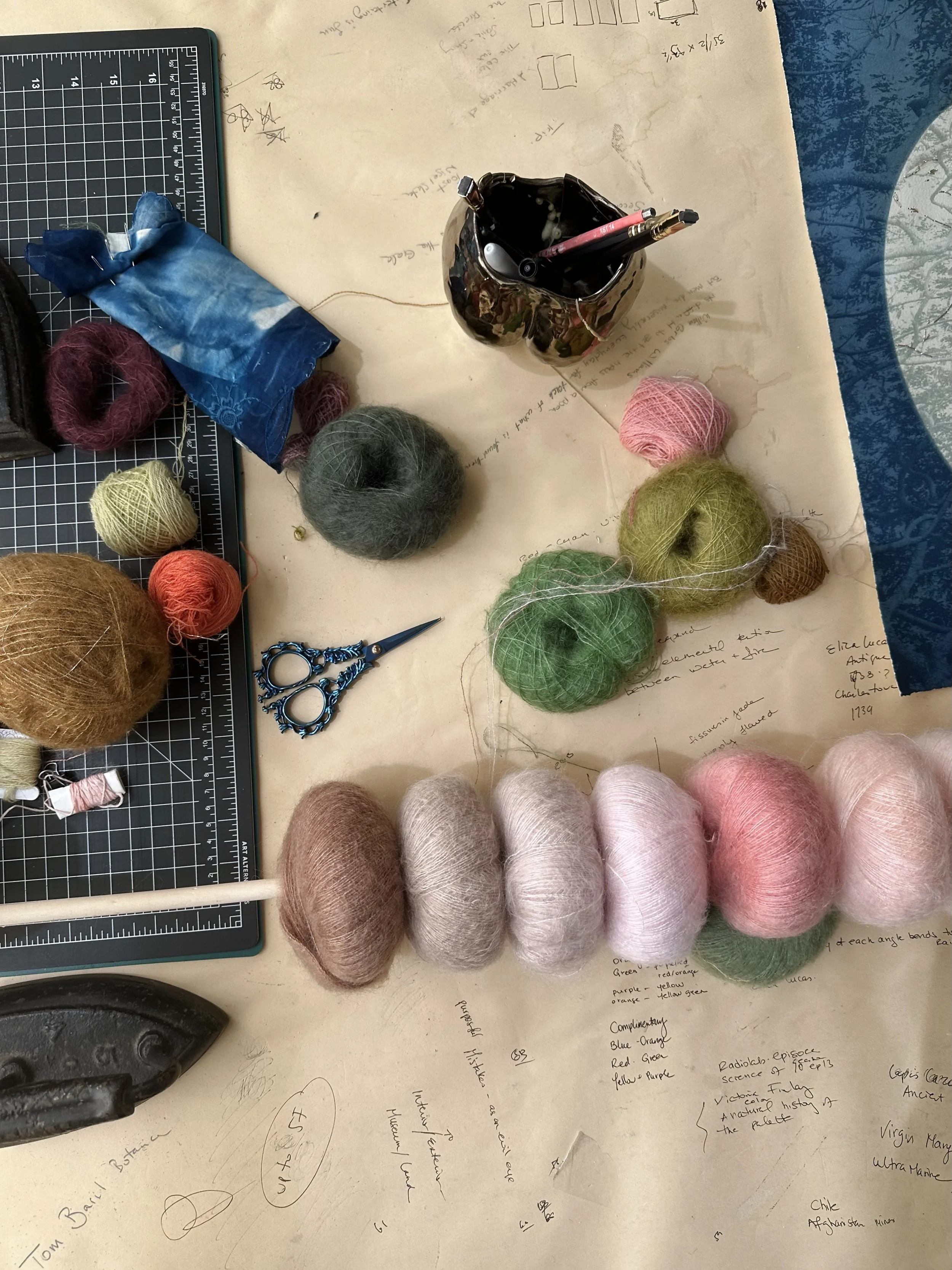
I am a landscape photographer and right now most of my energy is going into a project called “By Her Side”, a chosen history of women I admire, told through the trees and landscapes that shaped how they understood the world around them. What I’m drawn to are processes where you can feel the artist’s hand like cyanotype, handmade papers, embroidery using natural dyes.
What inspires you?
My grandmother was a librarian, incredibly well read without ever being a snob about it. She was crazy smart but happiest with the simplest pleasures: the ducks in the pond outside her retirement home, the daily swim her body still let her do. She knew how to simply be present in the world, like a tree. She showed me how to live and her quality of attention is what I am always chasing.
Can you speak about your process?
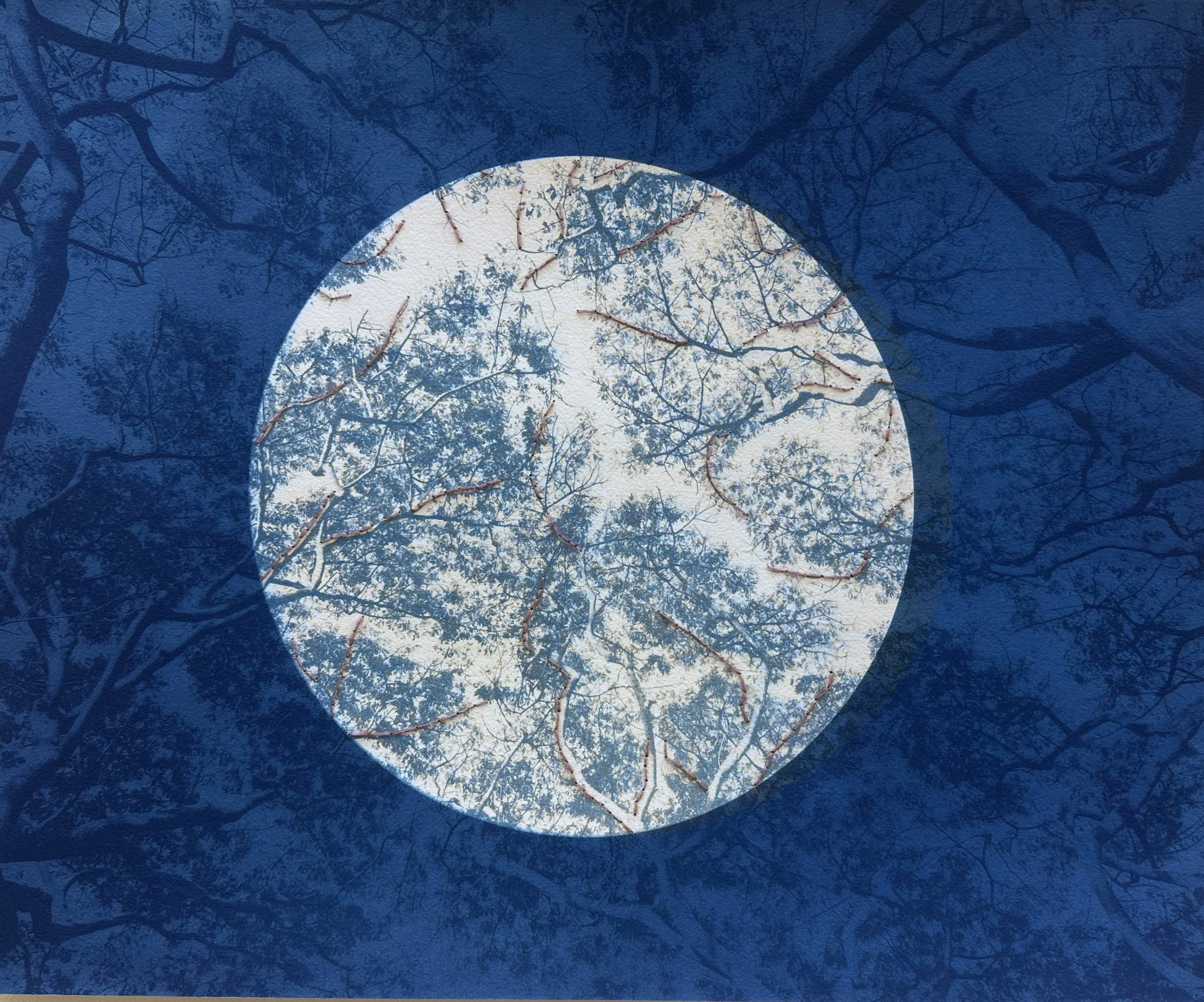
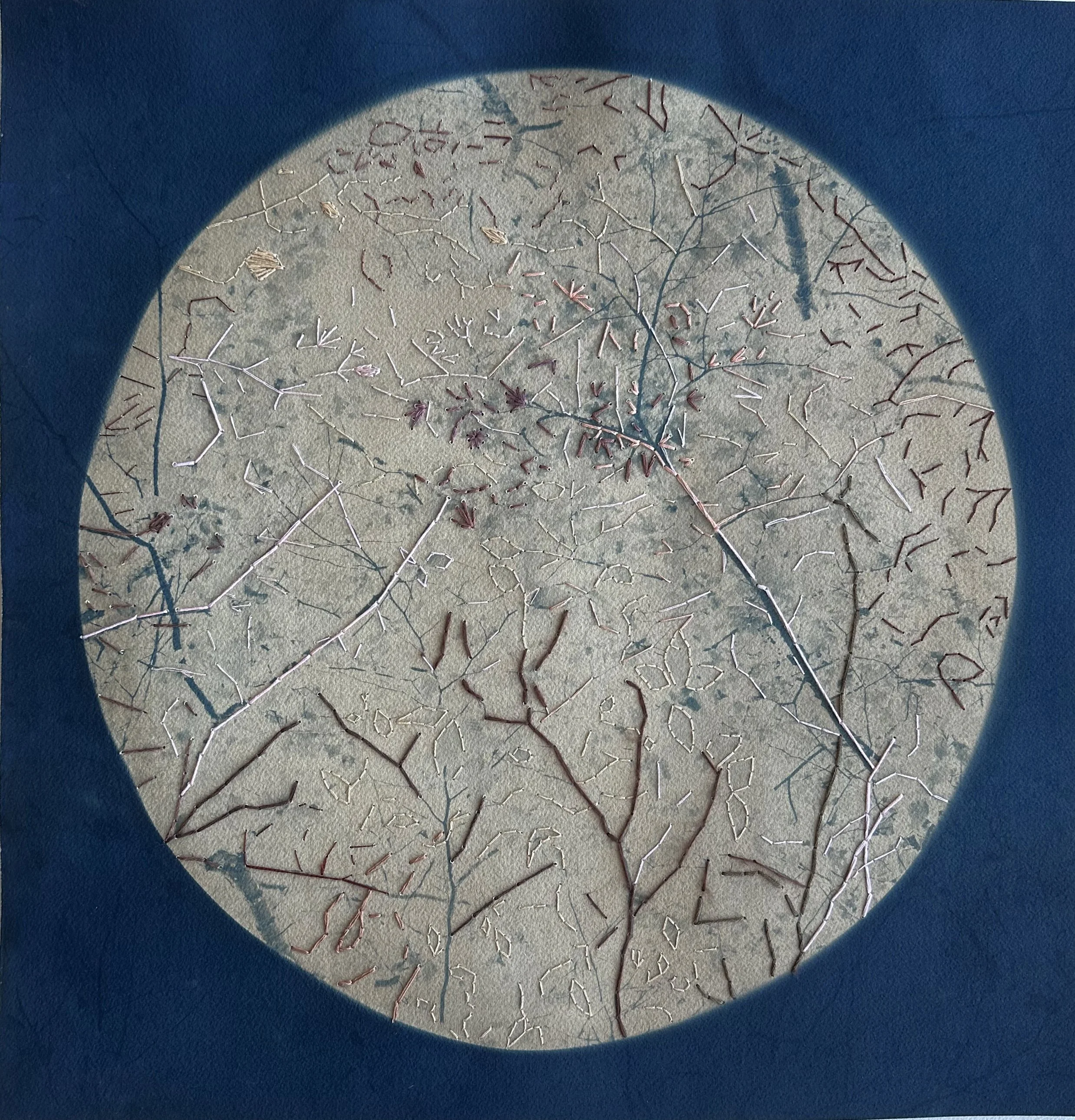
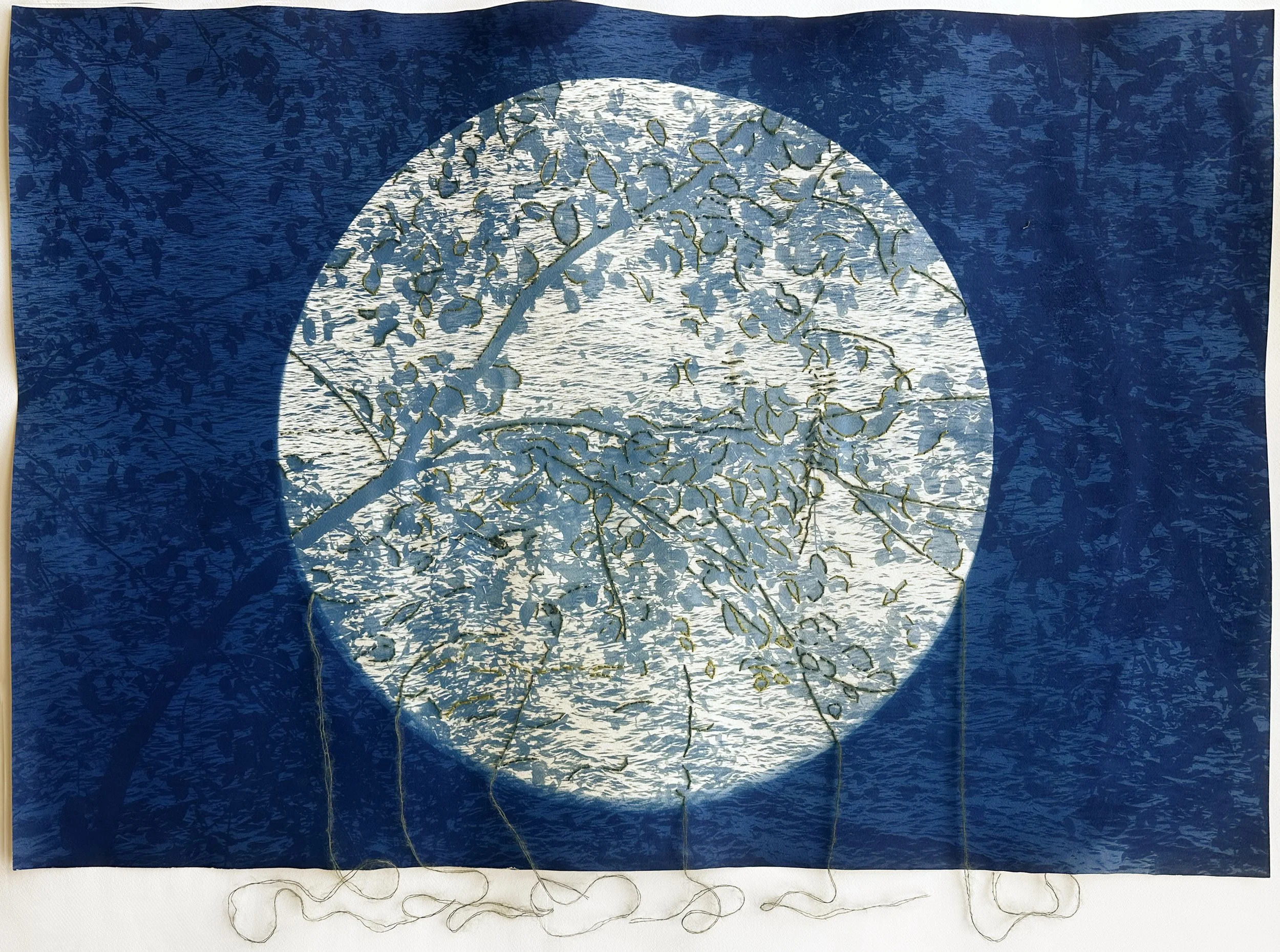
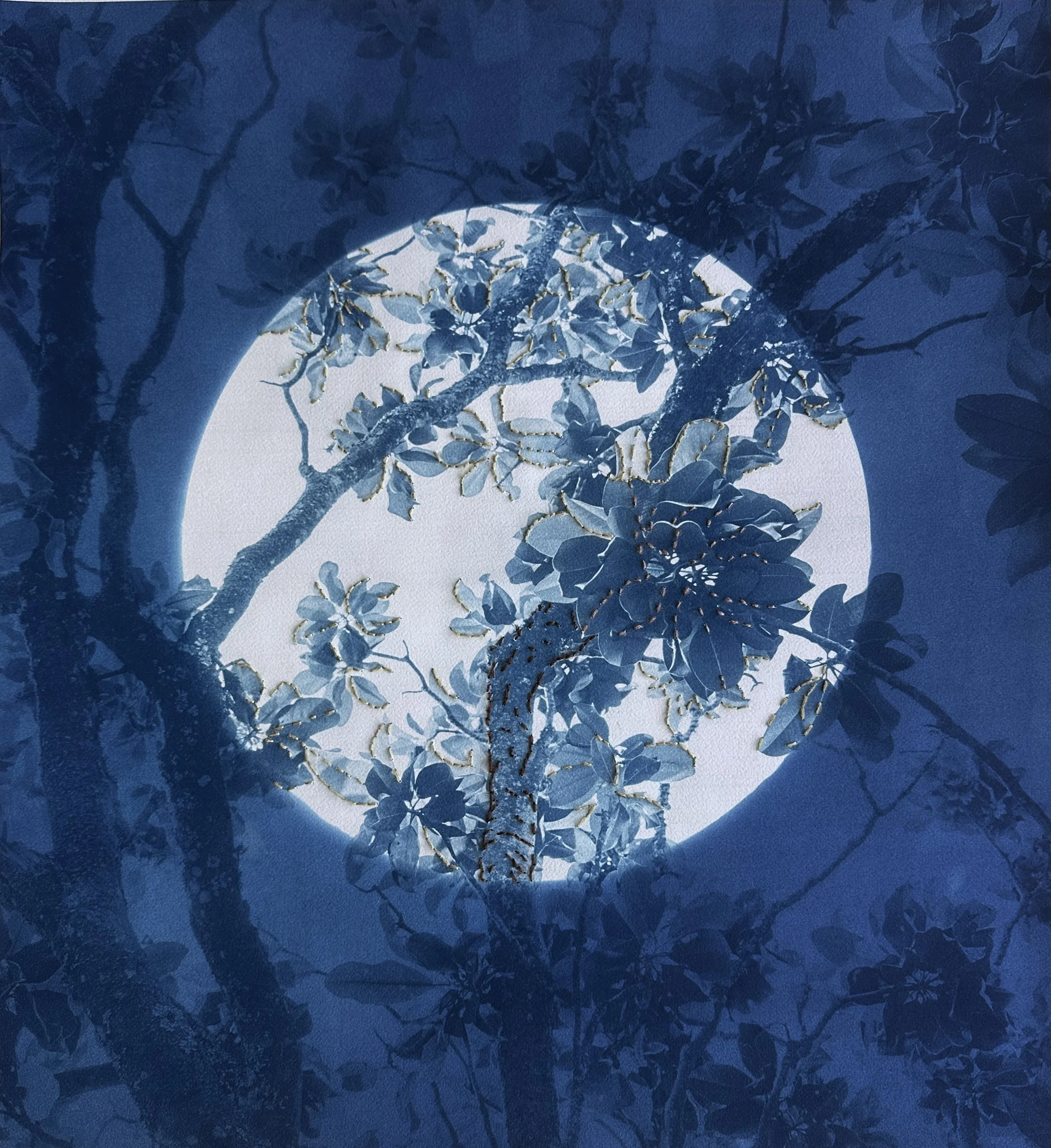
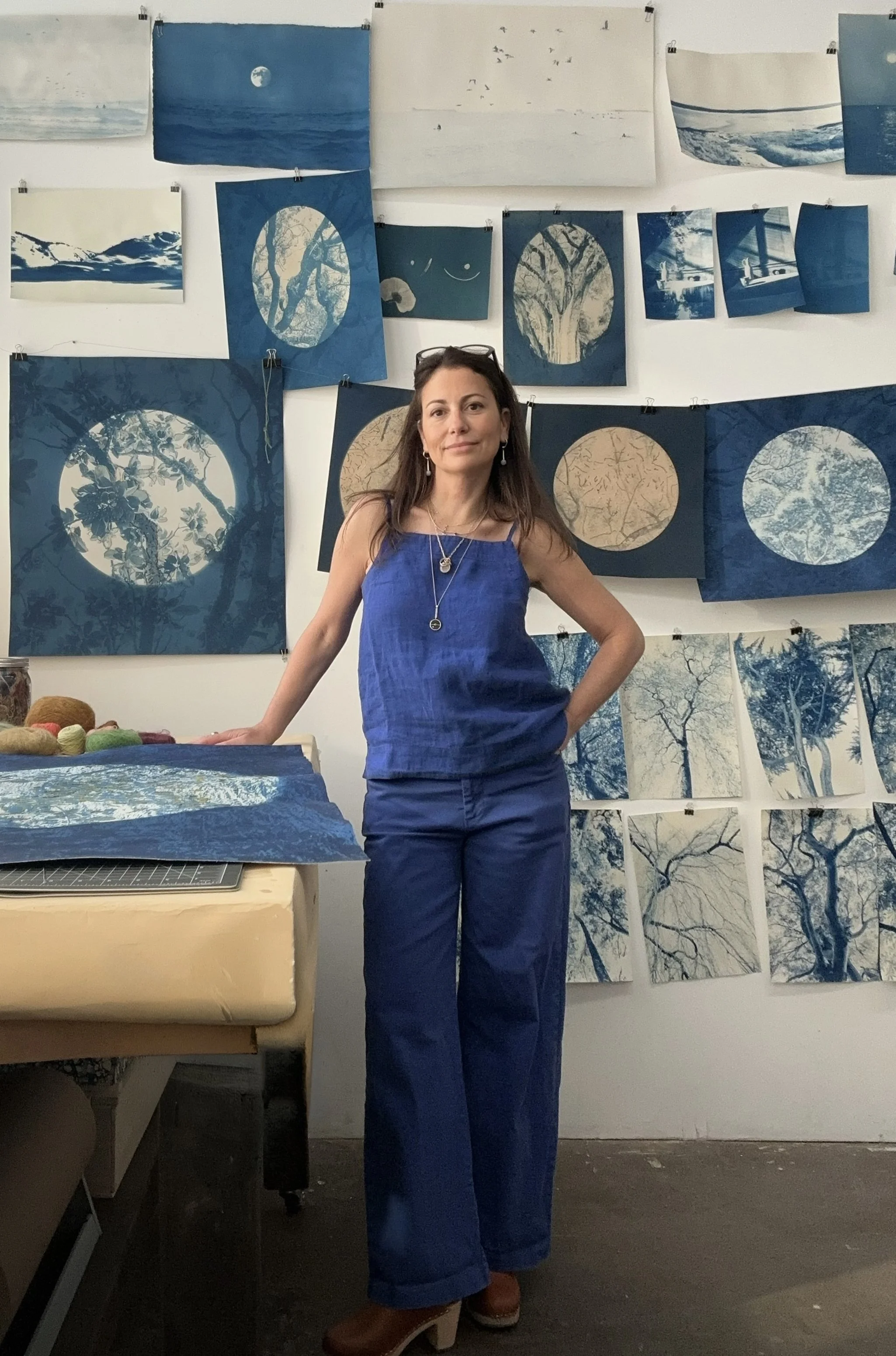
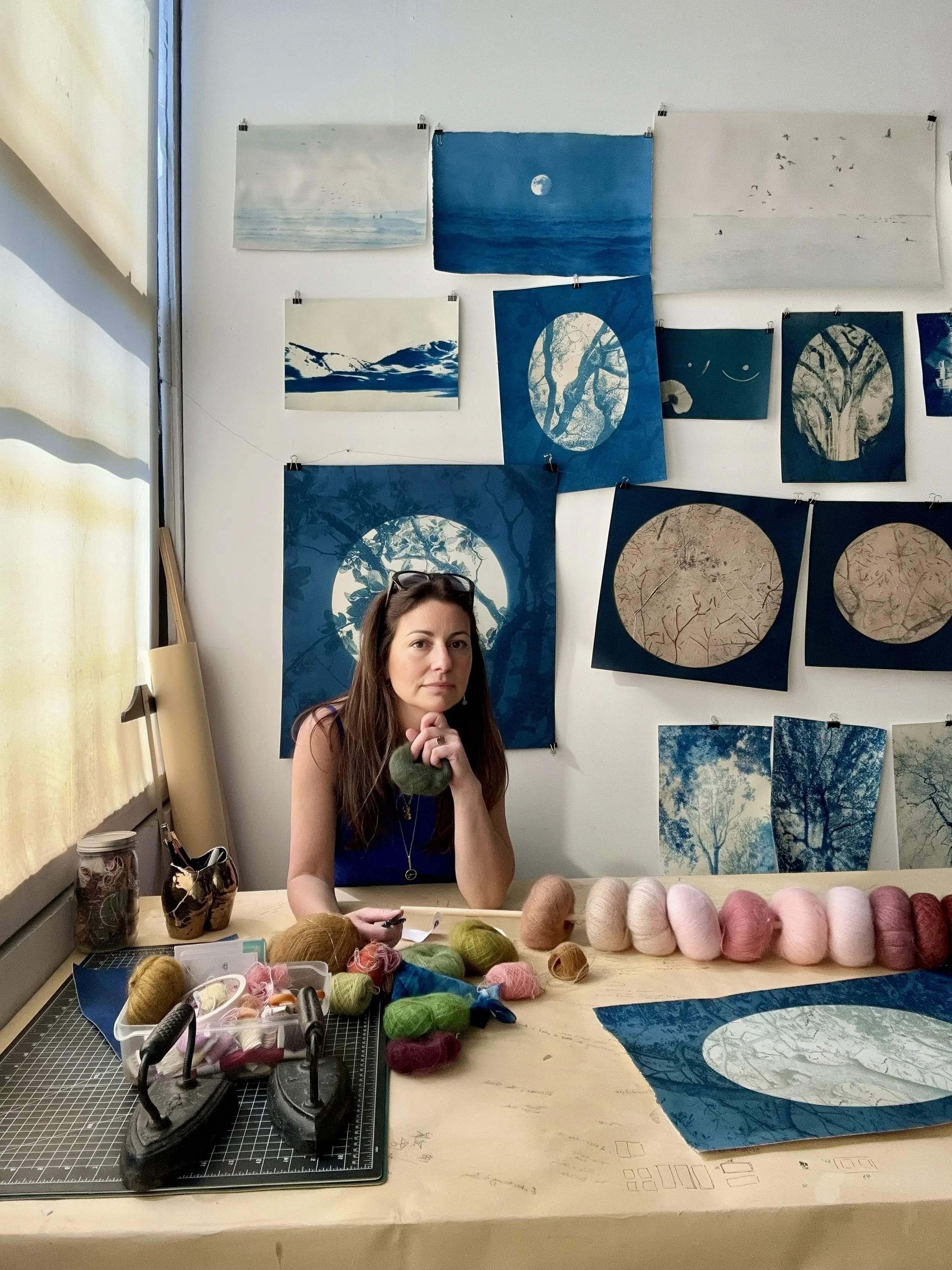
It starts with research, figuring out exactly which site, which tree, why it matters. I can fall down a months-long rabbit hole on the linden tree Joan Mitchell painted over and over from her courtyard in Vétheuil. Then there is the travel, which feels like pilgrimage. I am alone, but by the time I arrive I feel genuinely connected, because I have spent months living with the women’s lives. Back home, I work in my basement to mix the chemistry, coat and dry the paper. Working with such large sheets the whole process is laborious and filled with small mistakes. Once the chemistry is dried, usually I like to wait 24 hours, then I take the work to Powerhouse Arts, where I make the large negatives and exposures, sometimes up to 40x60 inches. And when the prints don’t work out, I bring them back to the studio and mend them, repairing and embroidering with hand-dyed thread. Nothing is wasted. The imperfect ones often become the most interesting work.
How did you become interested in art?
I grew up around art enthusiasts, my mother and a great aunt who was a collector. I studied art history at Columbia, then worked at Magnum Photos and spent years as a photo editor at magazines, eventually becoming Director of Photography at GQ where I worked with extraordinary photographers every day. I had always wanted to be an artist but couldn’t see the path until after nearly two decades in the industry. When my youngest daughter became ill I needed to use art as an outlet. I felt I had something I wanted to say, and that gave me the courage to leave and begin.
Do you have any favorite artists, movies, books, or quotes?
The women in the project itself are the ones I return to constantly: Ruth Asawa, Agnes Martin, Emily Dickinson. Nan Shepherd’s The Living Mountain feels essential, a book about a woman and a mountain that is really about a completely different way of knowing a landscape. I am also reading a biography of Sylvia Plath as I prepare for a trip to Devon, where she wrote the Ariel poems and where an ancient yew tree in the churchyard outside her window became the subject of one of her most celebrated poems. I also just saw Silent Friend by Hungarian filmmaker Ildikó Enyedi, which follows a single ancient ginkgo tree as a witness across three different eras. “Which of my photographs is my favorite? The one I’m going to take tomorrow.” Imogen Cunningham sums it up so accurately.
What advice do you have for younger artists?
Think of art making as communicating and as personal healing. I know I do. You don’t have to know exactly what you are trying to say, just that you have something to say and don’t know any other way to say it. I know it sounds like a cliché but show up like it's a job. Inspiration doesn’t strike, it’s there when you work at it. And the path doesn’t have to be linear. I spent years editing other people’s photographs before I made my own, and I don’t think any of that time was wasted.
Any more thoughts you’d like to share?
Environmental anxiety is urgent. So much of what I’m photographing is already under threat, and that urgency is present in every image
My "By Her Side" project is hand coated cyanotypes on arches water color paper in theree sizes, 26 x 18”, 38 x 26” and 60 x 40”
Mending is unique pieces of various sizes and they are double exposed cyanotypeds with hand dyed embroidery.